Quick Guide: Jump to Sections
Let's talk about Indian food. You know, that incredible explosion of flavor that hits you in the best way possible. Ever wondered what's behind it? It's not magic, though it feels like it sometimes. It's the spices. And if you're just starting out, the sheer number can be overwhelming. I remember staring at a spice aisle, completely lost. So let's simplify. What are the 5 main Indian spices you absolutely need to know? Not twenty, just five. The foundation. The ones that show up in countless dishes, from creamy butter chicken to hearty dal.
This isn't about building a massive collection overnight. It's about understanding the core players. Once you get these five, a whole world of Indian cooking opens up. You stop following recipes like a rigid script and start cooking with intuition. That's the goal.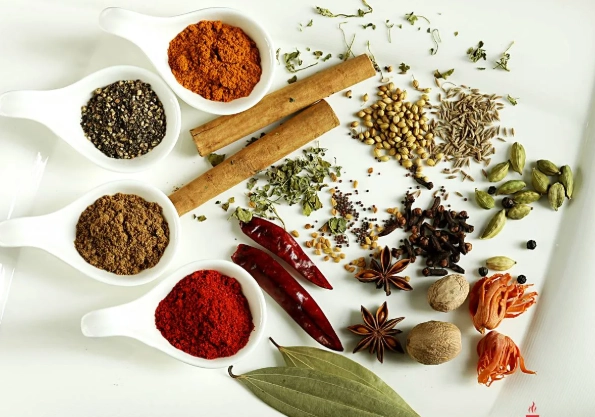
Quick Answer: The 5 main Indian spices most experts and home cooks agree form the essential foundation are Cumin, Coriander, Turmeric, Cardamom, and Mustard Seeds. Think of them as the "base layer" upon which all other flavors are built. But knowing their names is just the start. The real trick is knowing how and when to use them.
Why These Five? The Heart of the Kitchen
You might ask, why these five? Good question. Indian cuisine uses hundreds of spices, but these are the workhorses. They're versatile, affordable, and available almost everywhere now. I've talked to home cooks from Kerala to Punjab, and while their family recipes differ, these spices are almost always in their pantry. They provide the earthy base notes (cumin, coriander), the vibrant color and earthy warmth (turmeric), the complex floral punch (cardamom), and the essential tempering texture (mustard seeds). Miss one, and your dish might still be good, but it won't taste complete.
It's like building a house. You can have fancy windows and a great roof, but without a solid foundation, it's shaky. These five spices are that foundation.
The Essential Five: A Deep Dive
Here’s where we get into the details. For each of the 5 main Indian spices, we'll look at flavor, how to use it, and even some stuff you might not know.
1. Cumin (Jeera)
Oh, cumin. That warm, earthy, slightly nutty aroma that hits you as soon as it hits the hot oil. If Indian cooking had a signature scent, this might be it. You can find it as whole seeds or ground. Personally, I almost always buy whole seeds. They keep their flavor longer, and toasting them yourself is a game-changer. Just dry roast them in a pan for a minute until they darken a shade and become fragrant. It unlocks a deeper, smokier flavor.
How do you use it? It's often the first spice in the pan. You "temper" it—heat oil, add cumin seeds, let them sizzle and pop. This flavors the oil, which then flavors the entire dish. It's in virtually every curry, pilaf (pulao), and lentil dish (dal). Ground cumin is added later with other ground spices. A word of caution: burnt cumin is bitter. Nail that perfect sizzle, and you're golden.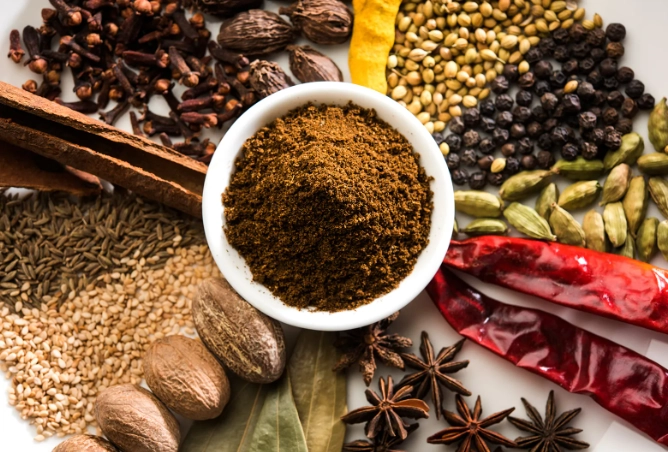
Pro Tip: Try a pinch of roasted cumin powder mixed with salt as a finishing sprinkle on yogurt (raita) or fresh fruit. Sounds weird, tastes amazing.
2. Coriander (Dhania)
Coriander is cumin's best friend in the spice world. While cumin is warm and earthy, coriander (the seed, not the fresh herb, which is cilantro) is lighter, citrusy, and slightly sweet. It's the balancing act. You'll rarely see a spice blend (masala) that has cumin without coriander. They just work together.
It's almost always used ground. You can buy it pre-ground, but grinding the seeds yourself (after a quick roast) gives a fresher, brighter flavor. It doesn't have the same pungent kick as cumin; it's more of a background singer that makes the lead vocalist sound better. It's a key component in garam masala and curry powders. Fun fact: Coriander is one of the oldest known spices, found in ancient Egyptian tombs. It's been around.
3. Turmeric (Haldi)
The golden child. Literally. Turmeric is what gives Indian curries that iconic, sunshine-yellow color. But it's not just for looks. It has a warm, earthy, slightly bitter, and peppery flavor. A little goes a long way. Use too much, and your dish will taste bitter and stain everything (including your plastic containers and wooden spoons—trust me).
It's almost exclusively used in its ground form. You add it with other ground spices like coriander. Beyond flavor and color, it's famous for its health properties. Curcumin, the active compound, is a powerful anti-inflammatory. The National Center for Biotechnology Information (NCBI) has numerous studies on its potential benefits. In Indian households, it's also a first-aid staple for cuts and a skin clarifier. In cooking, it's indispensable. You simply cannot make a classic Indian curry without it.
Watch Out: Turmeric stains are notorious. Be careful when handling it, especially if you're wearing light-colored clothes. And always add it to the pan with a bit of liquid or other spices to prevent it from burning, which makes it even more bitter.
4. Cardamom (Elaichi)
Now we move to the royalty. Cardamom is expensive, and you taste why. It's intensely aromatic, floral, sweet, and slightly citrusy. There are two main types: green and black. Green cardamom is the queen of Indian sweets and chai. You use the whole pods, slightly crushed to open them up, in rice dishes like biryani, rich curries, and of course, tea. You don't eat the pod; it's for flavoring. Black cardamom is bigger, smokier, and more intense. It's used in savory, hearty dishes. It can be overpowering if used wrong.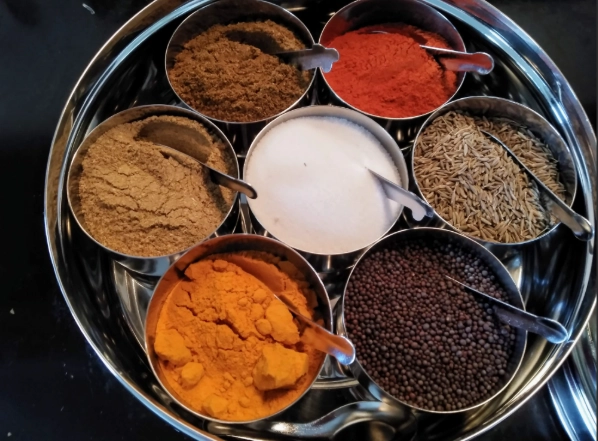
My advice? Start with green cardamom. Add one or two crushed pods to your rice when it's cooking. The aroma will fill your kitchen. It transforms simple basmati rice into something special. For the 5 main Indian spices, cardamom is the one that adds that layer of complex, perfumed luxury. Don't buy it pre-ground. The pods keep the precious oils inside the tiny black seeds locked in. Grind the seeds yourself if a recipe calls for powder.
"Cardamom is the difference between a good biryani and a 'wow, what is that amazing smell?' biryani. It's non-negotiable." – A sentiment echoed by many home cooks I've learned from.
5. Mustard Seeds (Rai/Sarson)
This one might surprise you if you only think of mustard as a yellow condiment. In Indian cooking, we use the tiny, round brown or black mustard seeds. They are not about heat, but about texture and a nutty, pungent aroma. Their primary use is in "tadka" or "chaunk"—the art of tempering.
Here's how it works: Heat oil or ghee until it's quite hot. Add mustard seeds. They will sit for a second, then start popping and jumping around the pan like crazy (use a lid as a shield!). Once the popping subsides, you quickly add other tempering items like dried red chilies, curry leaves, and asafoetida. This flavored oil is then poured over a finished dish like dal or yogurt, or added at the start of a stir-fry. The pop of the mustard seed and that distinct aroma is a hallmark of South Indian, Bengali, and many other regional cuisines. They add a crucial textural pop and a deep, savory base note.
I'll be honest, the first time I did a tadka, I was scared of the popping seeds. But now, that sound is the sound of dinner being almost ready. It's an auditory cue you learn to love.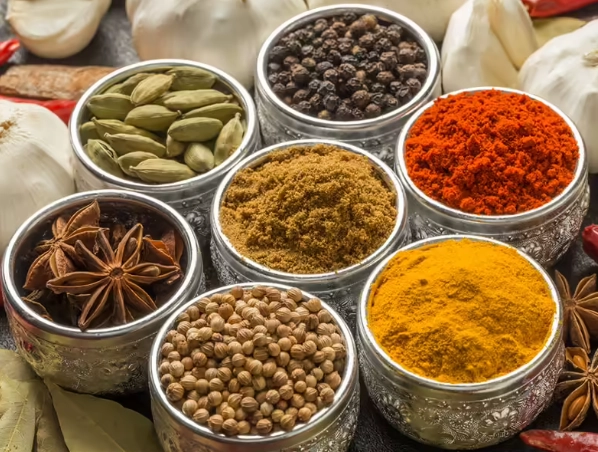
The 5 Main Indian Spices at a Glance
Let's put it all together in a handy table. This is your cheat sheet for the core five.
| Spice (Hindi Name) | Form Typically Used | Key Flavor Profile | Signature Role in a Dish |
|---|---|---|---|
| Cumin (Jeera) | Whole seeds & Ground | Earthy, Warm, Nutty, Smoky (when roasted) | Often the first spice in the oil. Provides the foundational savory base. |
| Coriander (Dhania) | Ground (from seeds) | Citrusy, Floral, Slightly Sweet, Woody | The perfect balance to cumin. Adds body and complexity to curry bases. |
| Turmeric (Haldi) | Ground | Earthy, Warm, Peppery, Slightly Bitter | Provides iconic golden color and a warm background note. Key for health benefits. |
| Cardamom (Elaichi) | Whole Green Pods (crushed) | Highly Aromatic, Floral, Sweet, Citrusy | Adds a layer of perfumed luxury to both sweets and savory dishes like biryani. |
| Mustard Seeds (Rai) | Whole Brown/Black Seeds | Pungent, Nutty, Sharp (when popped) | Star of the "tadka" (tempering). Adds explosive aroma and textural pops. |
Beyond the List: How to Actually Use These Spices
Knowing what the 5 main Indian spices are is step one. Step two is not being afraid to use them. Here’s a simple, no-fail approach to get you started.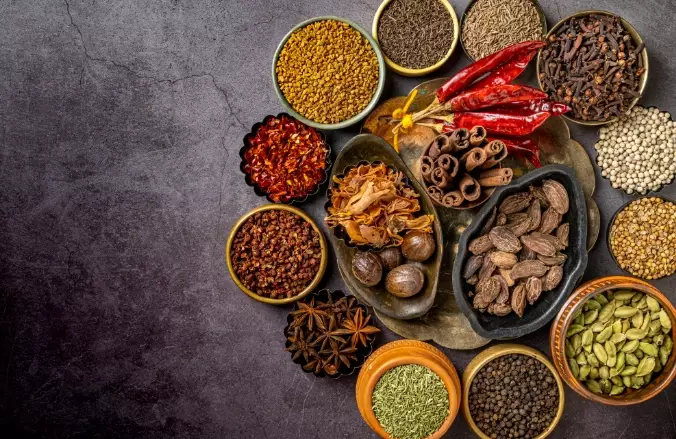
The Basic Sequence for a Simple Curry:
- Heat Oil/Ghee: Use a neutral oil or ghee in a heavy-bottomed pan.
- Temper (Tadka): Add mustard seeds. Let them pop. Then add a teaspoon of cumin seeds. Let them sizzle for 30 seconds. (You can also add a dried red chili here).
- Add Aromatics: Throw in your chopped onions, ginger, garlic. Cook until soft.
- The Ground Spice Layer: Add 1 tsp turmeric, 2 tsp ground coriander, and 1 tsp ground cumin. Stir constantly for about a minute until fragrant. This "cooks" the raw taste out of the ground spices.
- Add Main Ingredients: Add your tomatoes, vegetables, or meat.
- The Finisher: Towards the end of cooking, if it's a rich dish, you might add a pod or two of crushed cardamom.
See? You've just used all five in a logical sequence. It's not random.
Don't be a slave to measurements at first. Start with a little, taste, and add more. Your palate is the best guide.
Buying and Storing: Keeping Your Spices Fresh
This is where many beginners go wrong. You buy a big jar of ground cumin, use it once, and it sits in your cupboard for two years losing all its flavor. Then you wonder why your food tastes bland.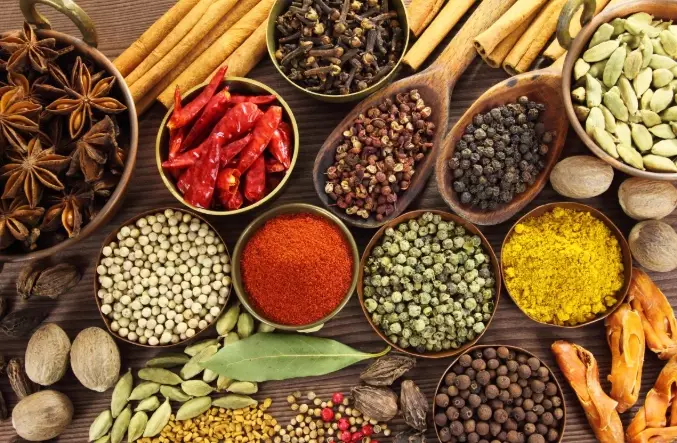
Buying Tips:
- Prioritize Whole: Buy whole cumin, coriander seeds, mustard seeds, and cardamom pods. They retain their volatile oils much longer. A simple coffee grinder (dedicated to spices) is a great investment for grinding small batches.
- Buy Small Quantities: Especially for ground spices like turmeric. It's better to buy fresh twice a year than have a stale stock for years.
- Source Matters: Look for Indian grocery stores or reputable online spice merchants. The turnover is higher, so the spices are fresher. The Spices Board of India is a great official resource for quality and origin information.
Storing Tips:
- Airtight & Dark: Keep spices in airtight glass jars in a cool, dark cupboard. Not above the stove where heat and light degrade them.
- Label & Date: Write the purchase date on the jar. Ground spices are best used within 6 months, whole spices within 1-2 years.
- Smell Test: Your nose knows. If a spice doesn't smell like much, it won't taste like much. Time to replace it.
Common Blends: Where Your 5 Main Spices Team Up
These five rarely work alone. They're team players in famous spice mixes. The most famous is Garam Masala. It's not a curry powder you add by the spoonful at the start. It's a finishing spice, added in the last few minutes of cooking or sprinkled on top. And guess what? Your essential five are often in it.
A simple homemade garam masala might include: coriander seeds, cumin seeds, black peppercorns, cardamom pods, cloves, cinnamon, and maybe a blade of mace. You dry roast them all, then grind. See? Coriander, cumin, and cardamom are right there, now playing with other friends. Making your own blend is rewarding and fills your house with an incredible smell. BBC Good Food has some reliable starter recipes if you want a tried-and-tested ratio.
Another classic is Panch Phoron, a Bengali five-spice blend. It's equal parts: mustard seeds, cumin seeds, fenugreek seeds, fennel seeds, and nigella seeds. It's always used whole, never ground, for tempering. Notice cumin and mustard seeds showing up again in a different regional context.
Answering Your Questions (FAQs)
Can I substitute any of these?
Substituting is tricky because each spice has a unique profile. For cumin, caraway seeds are the closest but not perfect. For coriander, there's no direct sub, but a tiny bit of lemon zest with some parsley might hint at the citrusy note in a pinch. Turmeric is for color and earthiness—saffron gives color but a different flavor; paprika gives color but no earthiness. There is no real substitute. Cardamom is unique. A tiny mix of cinnamon and nutmeg might hint at warmth but not the floral note. Mustard seeds can be approximated with a tiny bit of prepared mustard added later, but you lose the texture. My advice? Try to get the real thing.
What about chili powder? Isn't that essential?
Great point! Heat is a major component, but it's often considered separately from these foundational "flavor" spices. In India, heat primarily comes from fresh green chilies, dried red chilies, or Kashmiri red chili powder (which is more for color and mild heat). Cayenne or generic "chili powder" (which is often a blend itself) is a Western adaptation. So yes, heat is essential, but it's not one of the core five flavor-builders we're focusing on here.
I'm allergic to mustard. What can I do?
That's a serious one. Mustard seeds are a common allergen. In the tempering (tadka), you can simply omit them. The dish will lack that specific nutty pop, but it will still be delicious. You could try using a few fenugreek seeds or cumin seeds alone for the tempering step. The flavor will be different, but it will still be good.
Are these spices used in all Indian regions?
Broadly, yes, but proportions and applications vary wildly. Mustard seeds are huge in the South and East. Cumin is dominant in the North. The beauty is in the regional variations. This list of 5 main Indian spices is a national common denominator.
How much should I use as a beginner?
Start with a light hand. You can always add more, but you can't take it out. For a dish serving 4, a good start is: 1 tsp cumin seeds, 2 tsp ground coriander, 1/2 to 1 tsp turmeric, 1-2 cardamom pods, 1 tsp mustard seeds. Taste as you go. Your own preference is king.
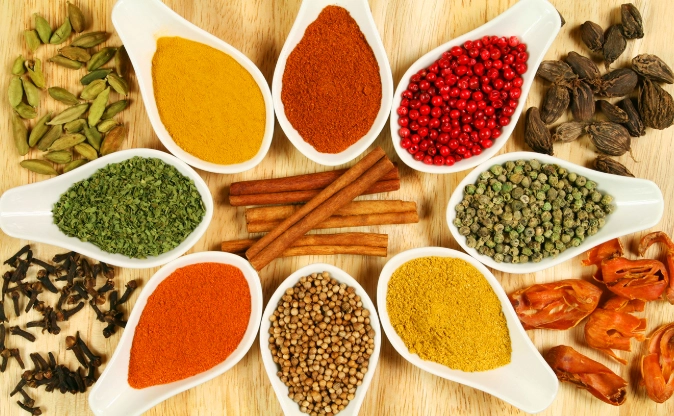 The key is to start cooking. Get your hands in there.
Your First Recipe: A Simple Dal (Lentils) Using All Five
Let's make something real. This is a template for a basic yellow dal (turmeric dal).
- Rinse 1 cup of yellow split peas (toor dal) or red lentils (masoor dal).
- Put them in a pot with 3 cups of water, 1/2 tsp turmeric, and a pinch of salt. Cook until mushy (30-45 mins).
- In a small separate pan, heat 2 tbsp ghee or oil.
- Add 1 tsp mustard seeds. When they pop, add 1 tsp cumin seeds.
- Let them sizzle, then add 1-2 dried red chilies and a pinch of asafoetida (if you have it).
- Immediately pour this sizzling tempering (tadka) over the cooked dal.
- Stir in. Now, add 1 tsp ground coriander and 1/2 tsp ground cumin. Stir.
- Finally, crush a pod of cardamom and add the seeds (discard the pod) to the dal, stir.
- Adjust salt. Garnish with cilantro.
You did it. You used all 5 main Indian spices in a authentic, delicious way. Taste how each one contributes. The mustard and cumin pop in the tadka, the coriander and second cumin add body, the turmeric gave color and earthiness from the start, and the cardamom adds that subtle aromatic finish in the background.
That's the journey. From asking "what are the 5 main indian spices" to actually using them to create something wonderful. It starts with these five. Master them, understand their voices, and then you can invite all their other spice friends to the party. Your kitchen, your rules. Now go warm up some oil.
Discussion