Quick Guide
I remember the first time I tried to make biryani. It was a disaster. The rice was mush, the chicken was bland, and the whole thing smelled more like a confused pilaf than the layered, fragrant masterpiece I'd had at my friend's house. I almost gave up. But then I spent what felt like a hundred hours talking to home cooks, reading old cookbooks, and yes, making more mediocre biryani until it finally clicked.
That's what this is. It's the guide I wish I'd had. Not a list of ingredients and steps, but the real Indian biryani recipe know-how—the why behind the what. We're going deep, but don't worry, we'll keep it simple where it counts.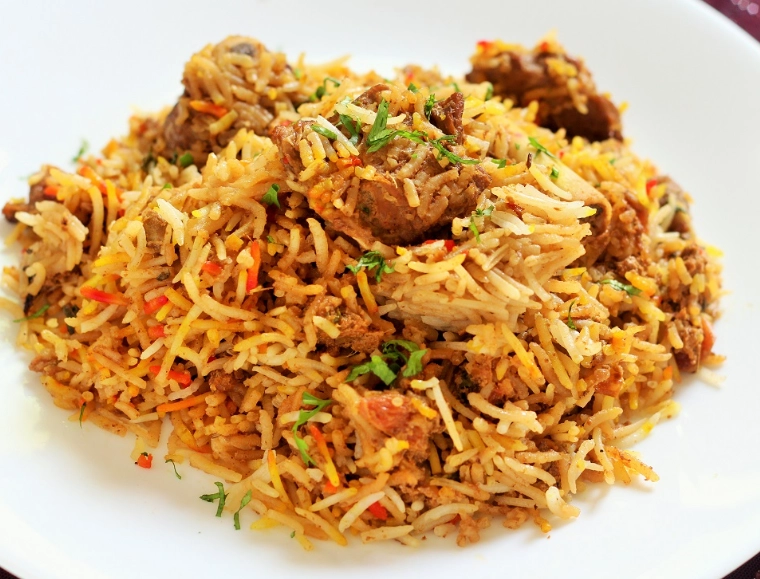
What even is biryani, anyway? Is it just spiced rice with meat? Not even close. It's a method. It's patience. It's the art of layering partially cooked rice over marinated meat (or vegetables) and then sealing the pot to let the steam work its magic—a technique called 'dum'. The result? Each grain of rice stands separate, perfumed with spices, and the meat is fall-apart tender. It's a celebration dish for a reason.
Before You Even Touch a Pan: The Biryani Foundation
You can't build a great house on sand, and you can't make great biryani with the wrong mindset or ingredients. This is where most quick online recipes fail you. They skip the fundamentals.
The Big Idea: Biryani is not a one-pot, throw-everything-in dish. It's an assembly. The rice and the meat are cooked separately, then married together in the final 'dum' stage. Get this concept in your head first.
Let's talk rice. Basmati. Non-negotiable. That long, slender grain that expands to almost double its size and has that iconic aroma. Don't use jasmine, don't use regular long-grain. Get the good stuff. I've tried cheaper brands, and the difference in fragrance and how the grains stay distinct is night and day. Look for aged basmati if you can; it's less sticky.
And the meat? Bone-in. Always. Chicken with the bone and skin (thighs and legs are best for flavor and moisture), or goat/lamb with the bone. The bone adds an immense depth of flavor during the slow cooking that boneless meat just can't match. It's a hill I'm willing to die on for an authentic Indian biryani recipe.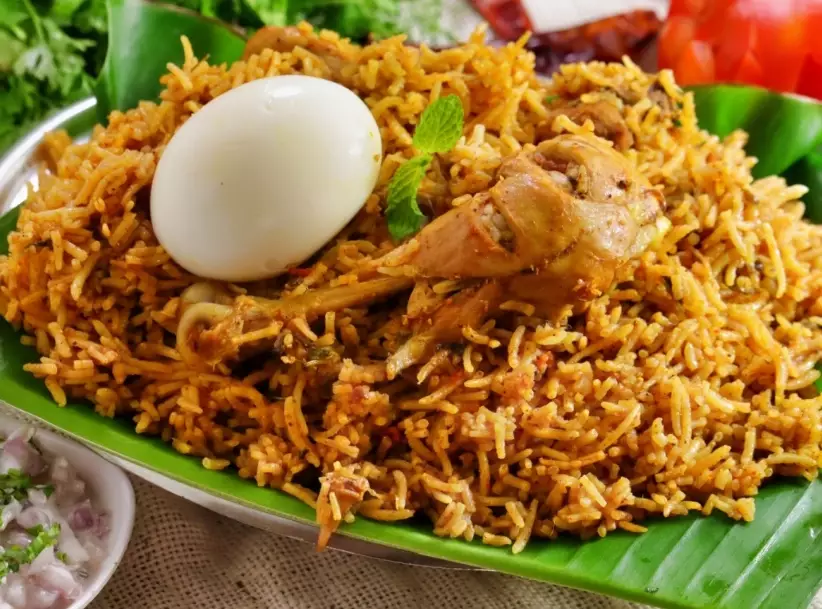
The Spice Rack: Your Aromatics Arsenal
This isn't about dumping curry powder. It's about whole spices. You'll need them. They toast in the oil at the start, releasing their oils and creating the flavor base.
The Essential Whole Spices (The "Biryani Bag"):
- Green Cardamom: The queen of biryani spices. That citrusy, floral note is unmistakable.
- Cinnamon: A couple of small sticks, not the powder.
- Cloves: Use sparingly—they're powerful.
- Bay Leaves: One or two is plenty.
- Star Anise: One star for a whole pot.
- Cumin Seeds: For that earthy base.
- Black Peppercorns: For heat.
Then you have your ground spices. Turmeric for color, red chili powder (Kashmiri chili powder gives great color without insane heat), and coriander powder. Garam masala? Some use it at the end, but purists often skip it, relying on the whole spices instead. I'm a light-handed garam masala at the end person myself.
And the aromatics mountains—sliced onions you'll fry until they're deep golden brown and sweet (these are key for texture and sweetness), ginger-garlic paste (freshly made if possible), fresh green chilies, and a ton of fresh cilantro and mint. The herbs are non-negotiable for freshness.
The Many Faces of Biryani: Which One Calls to You?
Think "biryani" is one thing? Think again. Across India, styles vary wildly. Knowing the differences helps you understand what you're aiming for. Here’s a quick breakdown of the major players.
| Style | Origin | Key Characteristics | Best For |
|---|---|---|---|
| Hyderabadi Biryani | Hyderabad | The most famous. Uses the 'Kacchi' method (raw marinated meat layered with raw rice). Intensely flavorful, often with a orange hue from saffron. Rich and heavy. | Special occasions, meat lovers. |
| Lucknowi (Awadhi) Biryani | Lucknow | The 'Pakki' method (both meat and rice partially cooked before layering). More subtle, delicate spices, less chili. Focuses on fragrance. | Those who prefer refined, aromatic flavors over heat. |
| Kolkata Biryani | Kolkata | Influenced by Awadhi style but distinct. Uses potato (a budget stretcher from history), less spicy, often includes boiled eggs and a hint of rose water. | A lighter, unique take with potato. |
| Malabar Biryani | Kerala | Shorter grain rice sometimes used, lots of fried onions (birista), coconut oil flavor notes, and is often less dry, with a slight gravy. | Seafood versions are amazing here. |
| Ambur Biryani | Tamil Nadu | Uses a small-grained seeraga samba rice. Spicier, tangier from curd/lemon, and the rice is cooked with meat stock for maximum flavor absorption. | Anyone wanting a fiery, tangy kick. |
See? It's a whole world. The recipe we're building today is a hybrid home-style version leaning towards the Hyderabadi method—it's the most satisfying for a home cook, in my opinion.
The Foolproof Step-by-Step Chicken Biryani Recipe
Alright, enough theory. Let's cook. This is a detailed walkthrough. Don't rush it. Set aside a good 3 hours, mostly inactive time for marinating and 'dum'.
Step 1: The Marathon Marination (Minimum 2 hours, best overnight)
This is where flavor is built. In a large bowl, mix:
- 1 kg chicken (thighs & legs, bone-in), cut into pieces.
- 1 cup thick plain yogurt (whisked smooth).
- 2 tbsp ginger-garlic paste.
- 2 tsp red chili powder.
- 1 tsp turmeric powder.
- 1.5 tbsp coriander powder.
- Salt (about 1.5 tbsp for the whole process, start with 1 tsp here).
- Juice of half a lemon.
- A big handful of chopped mint and cilantro.
- 2-3 slit green chilies.
Mix it all thoroughly, cover, and let it sit in the fridge. Overnight is transformative. The yogurt tenderizes the chicken like nothing else.
Step 2: The Rice Parboil – Getting It 'Almost' There
While the chicken marinates (or the next day), tackle the rice.
- Wash 3 cups of good basmati rice until the water runs mostly clear. Soak it in water for 30 minutes. This helps it cook evenly.
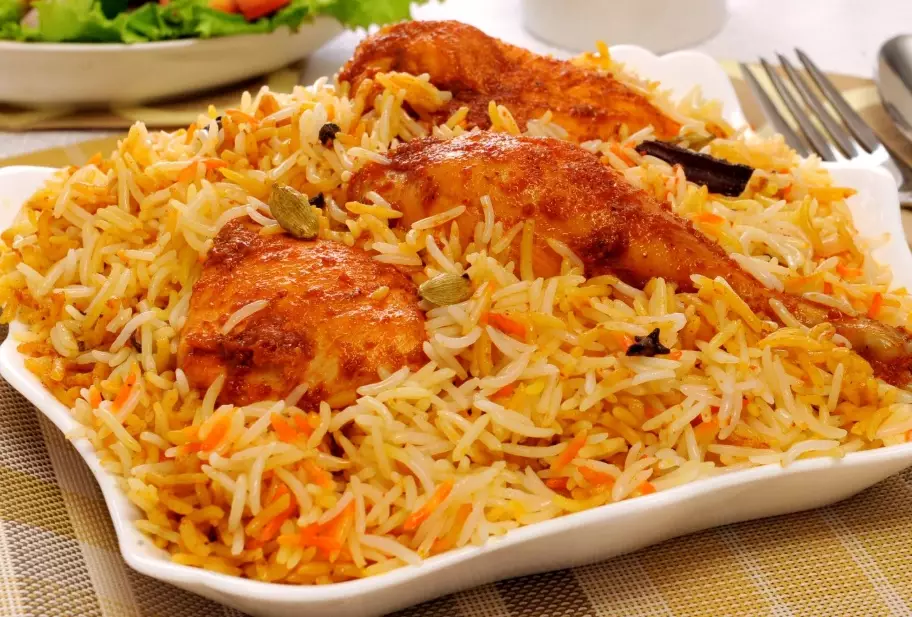
- Bring a large pot of water to a rolling boil. Add whole spices: 4 green cardamom, 2 cinnamon sticks, 4 cloves, 1 bay leaf, 1 tsp cumin seeds. Add a hefty pinch of salt—the water should taste salty like sea water.
- Drain the soaked rice and add it to the boiling water. Cook for exactly 5-6 minutes. The rice will be cooked about 70%—the grain should still have a firm, opaque core if you bite it. This is critical. Overcook here, and you'll get mush later.
- Drain the rice immediately in a large colander and let it cool, fluffing it gently. Drizzle a little oil over it to prevent sticking.
Step 3: The Birista (Fried Onions) & Meat Curry
This step builds the main flavor layer.
- Thinly slice 4 large onions. Heat 1/2 cup of oil (or ghee, or a mix) in a large, heavy-bottomed pot (this will be your final biryani pot). Fry the onions in batches on medium heat until they are a deep, even golden brown and crispy. This takes patience—don't burn them. Remove with a slotted spoon and spread on paper towels. These are your birista. Set aside half for layering.
- In the same oil, add the marinated chicken along with all its marinade. Cook on medium-high for 5 minutes, then lower the heat, cover, and let it cook for about 20-25 minutes. The chicken should be cooked through, and the yogurt will have formed a thick gravy. The oil will start to separate. If there's too much liquid, cook uncovered for a few more minutes to thicken it. Taste and adjust salt. The gravy should be highly seasoned, as it will season the rice too.
Now comes the fun part—the assembly. This is where the magic of the Indian biryani recipe truly happens.
Step 4: The Layering (Tahdig) & The Dum (Steam)
You have your cooked chicken with gravy, your parboiled rice, your fried onions, fresh herbs, and maybe some saffron soaked in 2 tbsp of warm milk.
- In the same pot with the chicken (spread evenly), sprinkle half of the reserved fried onions and some fresh mint/cilantro.
- Gently layer all the parboiled rice over the chicken, forming a flat top.
- Sprinkle the remaining fried onions and herbs over the rice. Drizzle the saffron milk in streaks across the top. You can also add a few drops of edible rose water or kewra water here for an extra layer of perfume (optional but classic).
- Now, the seal. Place a clean kitchen towel over the mouth of the pot, then put the lid on tightly. The towel absorbs condensation, preventing water from dripping back onto the rice and making it soggy. This is an old-school trick that works.
- Cook on the lowest possible heat for 25 minutes. Then, turn off the heat and let it rest, still sealed, for another 15 minutes. DO NOT PEEK. This 'dum' phase allows the flavors to meld, the rice to finish cooking in the meat's steam, and that beautiful crust (the 'tahdig' or 'burnt' bottom) to form.
Step 5: The Grand Reveal & Serving
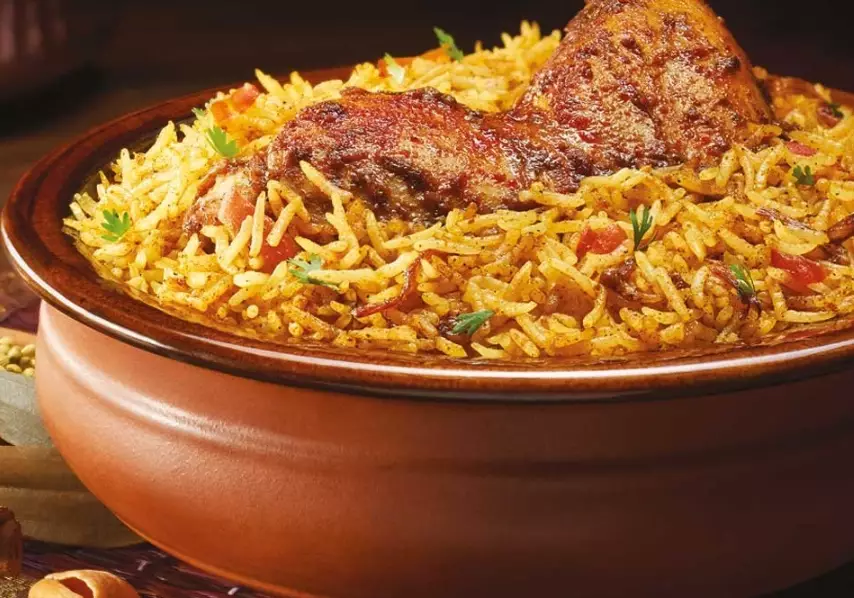
After the rest, carefully open the lid. The aroma will hit you first. To serve, you have two schools of thought: mix it all up from the bottom to get the flavorful meat and that prized crispy bottom rice mixed in, or gently dig into the layers. I'm a mixer. Get a big spoon and gently fold the rice and meat together from the bottom up in the pot itself.
Serve hot with a simple side of raita (yogurt with cucumber and mint) and maybe a salad. That's it. You've done it.
Common Pitfall Alert: Soggy rice. Causes? Rice was overcooked during parboiling. Too much liquid left in the chicken gravy before layering. Or you broke the seal during 'dum' and let steam escape/condensation fall back in. Guard against these!
Your Biryani Toolkit: Tips, Swaps, and Troubleshooting
Even with a great Indian biryani recipe, things can go sideways. Here's how to fix or avoid common issues.
Pro Tip for Fluffier Rice: After draining the parboiled rice, spread it on a large tray. Let the steam evaporate. This ensures each grain is separate before layering.
Can I make vegetable biryani? Absolutely. Use sturdy veggies like potatoes, carrots, cauliflower, and green beans. Parboil them slightly before adding to the masala. Paneer (Indian cottage cheese) works great too—add it at the end of the curry stage so it doesn't crumble.
What about a quicker version? You can use the 'Pakki' method: fully cook the chicken curry until dry-ish, then layer with the parboiled rice and steam for a shorter dum (15 mins). It's less traditional but more weekday-friendly.
The pot matters. A heavy-bottomed pot (like a Dutch oven) is best for even heat distribution and preventing the bottom from burning during the long dum. A thin pot will give you a burnt mess.
Answering Your Biryani Questions (The FAQ)
See? Not so mysterious anymore.
The Final Word: Embrace the Process
Look, biryani isn't a Tuesday night throw-together meal (usually). It's a project. It's meant to be. The long marination, the careful rice cooking, the layering, the patient wait during the dum—it's all part of the experience. The reward is in that first fragrant spoonful where you taste the layers: the spicy meat, the perfumed rice, the sweet onions, the fresh herbs.
My biggest piece of advice? Don't be afraid to mess up. My first one was bad. My third one was okay. My tenth one was glorious. Each time you learn. You adjust the salt, you get better at frying onions, you nail the rice parboil.
Use this guide as your roadmap. Print it, scribble notes on it, get oil stains on it. Then close the laptop, put on some music, and start cooking. The perfect Indian biryani recipe is the one you make with a bit of patience and a lot of heart. Now go on, your pot is waiting.
Discussion