Key Takeaways
- What Makes North Indian Food So Special Anyway?
- The Non-Negotiable Spice Rack: Your Flavor Foundation
- The Core Techniques: More Important Than Any Single Recipe
- Let's Get Cooking: Two Classic North Indian Recipes Deconstructed
- Your North Indian Recipes FAQ: Answering the Real Questions
- Building Your Repertoire: Where to Go From Here
Let's be honest. You've probably had a disappointing curry at some point. Maybe it was from a generic takeout place, a gloopy sauce that tasted more of food coloring than of spices. That stuff gives real North Indian recipes a bad name. What you're missing, what that sauce lacked, is the soul. We're not just talking about throwing spices into a pot. We're talking about understanding where the flavors come from, the history simmering in the pot, and the techniques that transform simple ingredients into something magical.
I remember my first attempt at making butter chicken. It was a disaster. The chicken was dry, the sauce was weirdly sweet, and the color was all wrong. I felt defeated. But that failure sent me on a deep dive, talking to home cooks, reading old cookbooks, and just experimenting endlessly in my own kitchen. What I learned is that the magic of North Indian cooking isn't a secret, but it does require a bit of a mindset shift. It's less about rigid recipes and more about principles.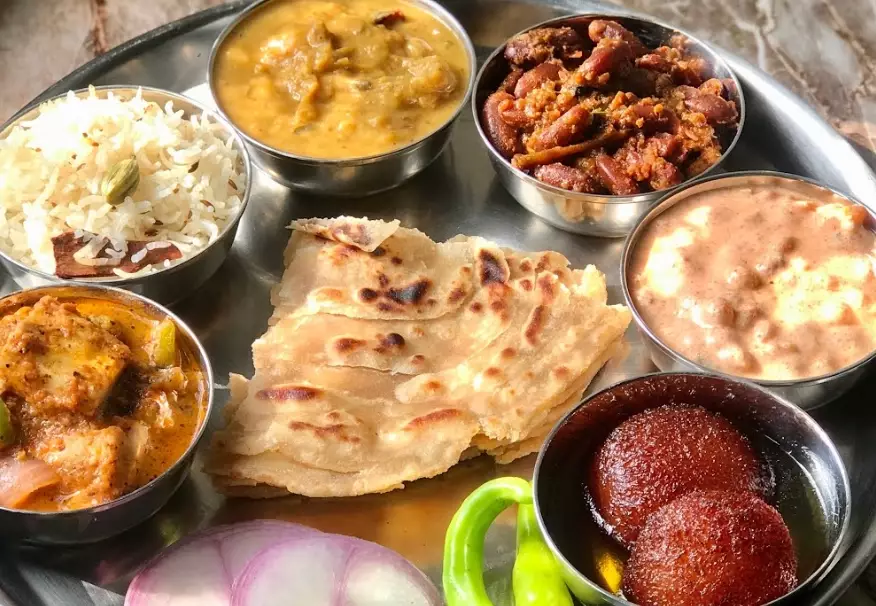
Think of this guide as your kitchen companion. We're going to move beyond just a list of ingredients and steps. We'll dig into the 'why' behind the 'what,' so you can not only follow these North Indian recipes but also understand them, adapt them, and maybe even create your own variations.
What Makes North Indian Food So Special Anyway?
It's easy to lump all Indian food together, but that's like saying all European food is the same. North Indian cuisine, born from the fertile plains of the Punjab, the royal kitchens of the Mughals, and the valleys of Kashmir, has its own distinct personality. Forget the idea that it's all just blisteringly hot. While heat has its place, the true hallmark is complexity—layers of flavor built from spices used with purpose.
The richness often comes from dairy: yogurt, cream, paneer (that wonderful Indian cottage cheese), and ghee (clarified butter). Tomatoes and onions form the base of countless gravies, cooked down until they surrender their sweetness and body. And then there are the grains and breads—fluffy basmati rice and a whole universe of breads like naan, roti, and paratha that are essential for scooping up every last bit of sauce.
It's hearty, celebratory food. Food meant for sharing. The best North Indian recipes carry that sense of abundance and warmth.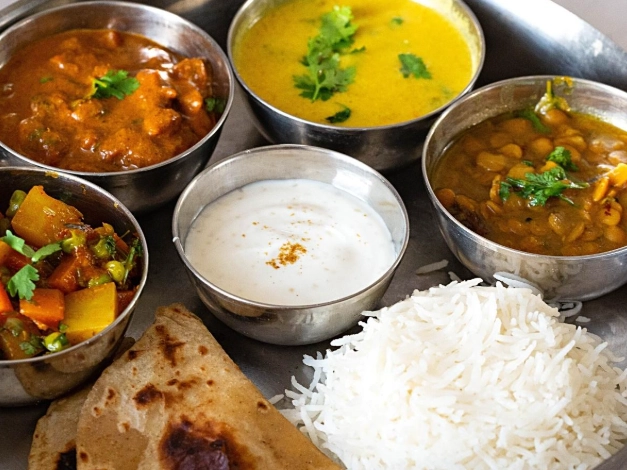
The Non-Negotiable Spice Rack: Your Flavor Foundation
You can't build a house without a foundation, and you can't build authentic North Indian flavors without the right spices. Don't panic—you don't need fifty jars. Start with a core set. The key is freshness. Those dusty jars at the back of your supermarket shelf from three years ago won't cut it. The flavors will be muted, stale. Trust me, I've made that mistake. The difference with fresh, whole spices is night and day.
Here's the thing: North Indian cooking often uses spices in two ways. Whole spices are tempered in hot oil or ghee at the beginning to infuse the cooking medium with their essence. Ground spices are usually added later, often with a bit of liquid to prevent them from burning and turning bitter.
| Spice (English) | Spice (Hindi) | Flavor Profile & Role | Must-Have For... |
|---|---|---|---|
| Cumin Seeds | Jeera | Earthy, nutty, warm. The absolute backbone. | Almost every savory dish, tadka (tempering). |
| Coriander Seeds (ground) | Dhania | Citrusy, sweet, floral. Provides body and base flavor. | Curry powders, marinades, dry rubs. |
| Turmeric Powder | Haldi | Earthy, peppery, slightly bitter. Gives golden color. | Everything! Color, flavor, and health benefits. |
| Garam Masala | Garam Masala | Warming spice blend (cinnamon, cardamom, cloves, etc.). | Added at the END of cooking for aroma. |
| Kashmiri Red Chili Powder | Kashmiri Lal Mirch | Mild heat, vibrant red color. Not super spicy. | Beautiful color without overwhelming heat. |
| Green Cardamom Pods | Elaichi | Intensely aromatic, sweet, floral. | Biryani, rich curries, desserts. |
My personal advice? Buy whole cumin, coriander, and cardamom pods. A simple online spice merchant or an Indian grocery store will have them at great quality and price. Toast them lightly in a dry pan and grind them as you need them. The aroma that fills your kitchen is half the reward. For a deeper dive into the science and history of Indian spices, the Spices Board India has fantastic resources.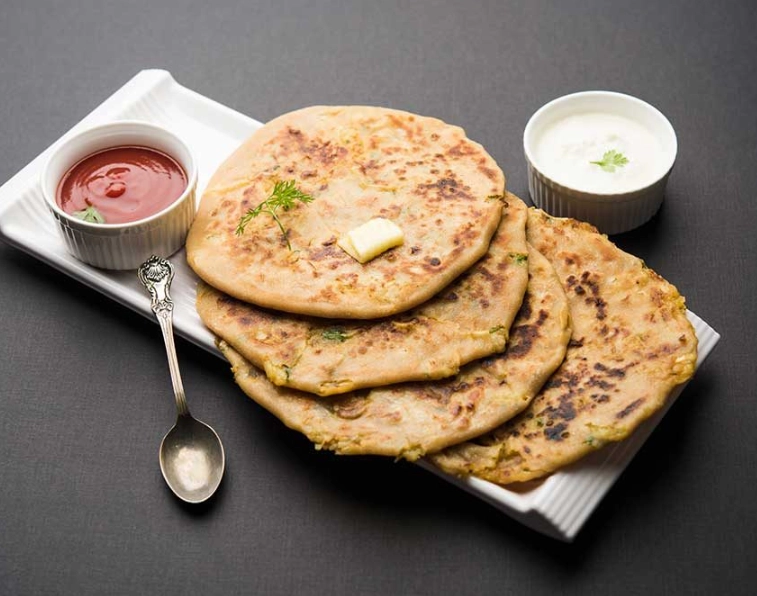
The Core Techniques: More Important Than Any Single Recipe
If you master these three techniques, you'll be able to tackle 80% of North Indian recipes with confidence. This is where the magic really happens.
The Onion-Tomato Base (The Gravy Foundation)
So many iconic North Indian recipes start here. It seems simple—onions and tomatoes—but how you cook them makes all the difference. The goal is to cook them down until the raw edge disappears, the onions turn golden and sweet, and the tomatoes break down completely, merging with the onions to form a thick, flavorful paste. This can take 15-20 minutes of patient sautéing. Don't rush it. Rushing gives you a raw, acidic taste. I've rushed it. You end up adding sugar later to compensate, and it's just not the same.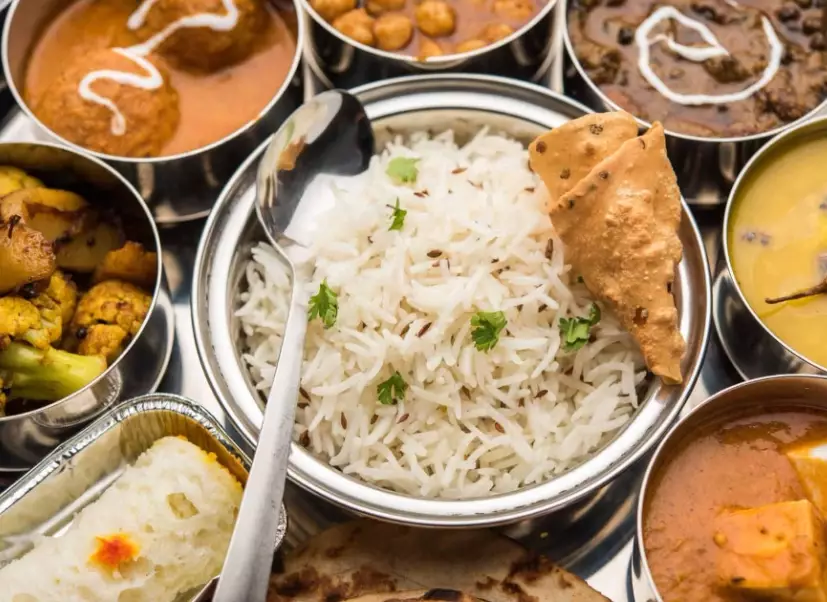
Tempering (Tadka)
This is the flavor bomb starter. Heat oil or ghee, add whole spices like cumin seeds, mustard seeds, or dried red chilies. They'll sizzle and pop, releasing their essential oils into the fat. This fragrant oil then becomes the medium in which you cook the rest of your ingredients, infusing the entire dish from the very first step. It's a game-changer for dals (lentil soups) and simple vegetable dishes.
The Yogurt Marinate
Why is restaurant tandoori chicken so tender and flavorful? The marinade. For meats like chicken and lamb, a marinade of yogurt, ginger-garlic paste, and spices isn't just for flavor—the acids and enzymes in the yogurt tenderize the meat beautifully. It needs time, though. Overnight is ideal. A couple of hours is the bare minimum.
Pro-Tip: When adding yogurt to a hot curry to make it creamy, always take a ladle of the hot gravy, mix it into the yogurt in a separate bowl to temper it, then stir it back in. Dumping cold yogurt straight into a boiling pot will make it curdle. Yes, I learned this the hard way too.
Let's Get Cooking: Two Classic North Indian Recipes Deconstructed
Let's apply all this theory. We'll walk through two pillars of North Indian cuisine. These aren't just recipes; think of them as masterclasses in the techniques we just discussed.
Butter Chicken (Murgh Makhani): The Crowd-Pleaser
Probably the world's most famous North Indian recipe. But the real deal is nothing like the neon-orange, overly sweet version you sometimes see. Authentic butter chicken is rich, subtly spiced, tangy from tomatoes, and luxuriously creamy.
The secret often lies in the two-step cooking of the chicken. It's typically marinated (yogurt marinade technique!), then roasted or grilled before being added to the sauce. This gives it a deeper flavor and texture than just boiling it in the gravy.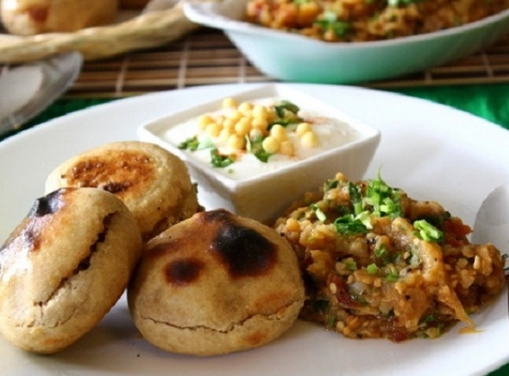
For the Chicken & Marinade: Take 500g of boneless chicken (thighs are best for flavor), and make deep slashes in it. Mix it with 1/2 cup thick yogurt, 1 tbsp ginger-garlic paste, 1 tsp Kashmiri red chili powder, 1/2 tsp turmeric, 1 tsp garam masala, and 1 tsp salt. Massage it in, cover, and let it sit in the fridge. Overnight is magic, but 2 hours will work.
For the Gravy: This is your onion-tomato base in action. Sauté 2 large chopped onions in butter and oil until deeply golden. Add 1 tbsp ginger-garlic paste and cook for a minute. Add 3 large pureed tomatoes (fresh or canned), 1 tsp cumin powder, 1 tsp coriander powder, and salt. Cook, cook, cook. Stir frequently until the oil starts to separate from the thick paste. This is the sign it's ready.
Bringing it Together: Cool the gravy slightly, then blend it until smooth (a hand blender is easiest). Return it to the pan. Add 1/4 cup cream, 1 tbsp crushed kasuri methi (dried fenugreek leaves—another flavor secret!), and a pinch of sugar if your tomatoes were acidic. Add the grilled chicken pieces (you can pan-fry the marinated chicken for 5-6 minutes per side). Simmer for 5 minutes. Finish with a drizzle of cream and a knob of butter. Garnish with coriander.
See? It's a process, but each step has a purpose. The result is a butter chicken with layers you can actually taste.
Vegetable Biryani: The Festive One-Pot Wonder
Biryani is less of a recipe and more of an event. It's fragrant, spiced rice layered with marinated vegetables (or meat) and slow-cooked so the flavors marry. It seems intimidating, but a simple vegetable version is totally achievable at home. The key is parboiling the rice and partially cooking the vegetables separately before layering.
For the rice, use good quality basmati. Soak it for 30 minutes, then boil it with a few whole spices (cardamom, clove, cinnamon) until it's about 70% cooked. It should still have a bite in the center. Drain it.
The vegetable layer is a spiced mix. Sauté onions until caramelized (save some for garnish), add your veggies (cauliflower, carrots, peas, potatoes), ginger-garlic paste, yogurt, and biryani spices (like biryani masala, a specific blend). Cook until the veggies are halfway done.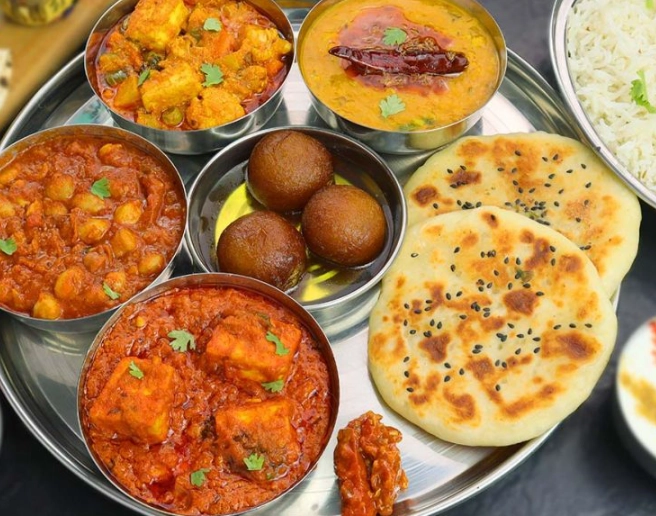
In a heavy-bottomed pot, start with a layer of the vegetable mix. Top with a layer of the parboiled rice. Sprinkle with saffron milk (a few strands of saffron soaked in warm milk), fried onions, mint, and coriander. Dot with ghee. Repeat. Cover with a tight lid. Cook on very low heat for 20-25 minutes. This final stage, called 'dum,' lets everything steam together gently.
Let it rest for 10 minutes before you gently fluff it up with a fork to serve. The aroma is unbelievable. Every grain of rice is separate, perfumed, and packed with flavor.
Common Pitfall: Overcooking the rice before layering. You'll end up with mushy biryani. The 'dum' stage finishes the cooking. Err on the side of undercooking during the boiling stage.
Your North Indian Recipes FAQ: Answering the Real Questions
Building Your Repertoire: Where to Go From Here
So you've made butter chicken and biryani. What's next? The world of North Indian recipes is vast. Here's a little roadmap based on what you might be craving.
If you loved the creaminess: Try Paneer Makhani (butter paneer) or Malai Kofta (vegetable dumplings in a creamy sauce). They use similar techniques but with different star ingredients.
If you want something lighter: Explore the world of dals. Dal Tadka is a beautiful starter—creamy lentils topped with a sizzling tadka of ghee, cumin, garlic, and dried red chili. It's comfort in a bowl.
If you're into breads: Homemade naan or paratha is a game-changer. They're easier than you think and so much better fresh off the griddle. A stuffed aloo paratha (potato-stuffed flatbread) is a meal in itself.
If you need a show-stopping dessert: Gulab Jamun (milk-solid dumplings in rose syrup) is the classic. For something simpler, Kheer (rice pudding with cardamom and nuts) is heavenly.
Look, your first few attempts at these North Indian recipes might not be perfect. Mine weren't. The onions might burn a little, the gravy might be too thin, the biryani rice might stick. It happens. The important thing is to taste as you go, understand what each ingredient and step is doing, and adjust.
Start with a well-stocked spice drawer, a heavy pot, and a bit of patience. Cook the onion-tomato base until it truly transforms. Don't be afraid of ghee and whole spices. And most importantly, share the food. That's what it's all about. The real success of any North Indian recipe is the happy silence that falls over the table, broken only by the request for 'just one more piece of naan.'
Now, go turn on the stove.
Discussion