That first bite of a great Indian chicken dish—butter chicken, chicken tikka masala, a fiery vindaloo—is a moment. It's not just one flavor, but a whole conversation happening on your tongue. Warm, earthy, bright, sometimes fiery, always complex. Most people think the magic is a secret blend. It's not. The magic is understanding how a handful of essential spices work together, and more importantly, how to treat them right.
I've spent years cooking in home kitchens and learning from friends' grandmothers. The biggest mistake I see? Treating spices like a uniform powder you dump from a jar. That's a surefire way to a flat, dusty-tasting curry. The real art is in the whole seeds, the toasting, the blooming in oil.
Your Spice Roadmap
The Non-Negotiable Core Spices
Think of these as your foundational team. You can find almost all of them in any well-stocked supermarket or online. Buying whole and grinding small batches is the pro move, but good-quality pre-ground is a fine start.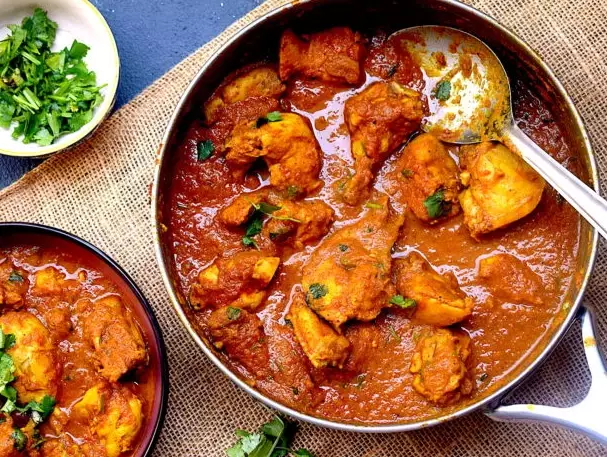
| Spice | Flavor Profile | Its Role in Chicken Dishes | Buying & Storage Tip |
|---|---|---|---|
| Turmeric (Haldi) | Earthy, slightly bitter, pungent. Gives that iconic golden color. | Base flavor and colorant. Almost always used at the start with onions and garlic. Don't expect a strong taste from it—it's more of a background canvas. | Buy whole "fingers" if you can. Ground turmeric loses potency fast. Store in a dark cupboard. |
| Coriander Seeds (Dhania) | Citrusy, floral, subtly sweet and nutty when toasted. | The unsung hero. It's the volume knob for your curry's body and depth. Used in vast quantities, often more than cumin. | Whole seeds are a must. Toast lightly until fragrant, then grind. Pre-ground coriander is often bland. |
| Cumin Seeds (Jeera) | Warm, earthy, smoky, with a distinctive sharpness. | Provides the recognizable "curry" aroma. Can be used whole for tempering or ground into the masala paste. | Whole seeds have a longer shelf life. A quick fry in oil transforms them. |
| Garam Masala | A warm blend: sweet (cinnamon, cardamom), floral (cardamom), and sharp (cloves, black pepper). | A finishing spice. Added in the last 5 minutes of cooking or sprinkled on top. Adding it early makes the delicate flavors bitter. | Make your own or find a reputable brand. Store-made blends can be stale. It should smell sweet and complex, not just dusty. |
| Red Chili Powder | Pure heat, but quality matters. | Provides heat and a red hue. Kashmiri red chili powder is milder and gives a vibrant red color without overwhelming heat. | Seek out Kashmiri chili powder for color and manageable heat. Cayenne is a much hotter substitute. |
With just these five, you can make a stunningly good chicken curry. But this is just the starting line.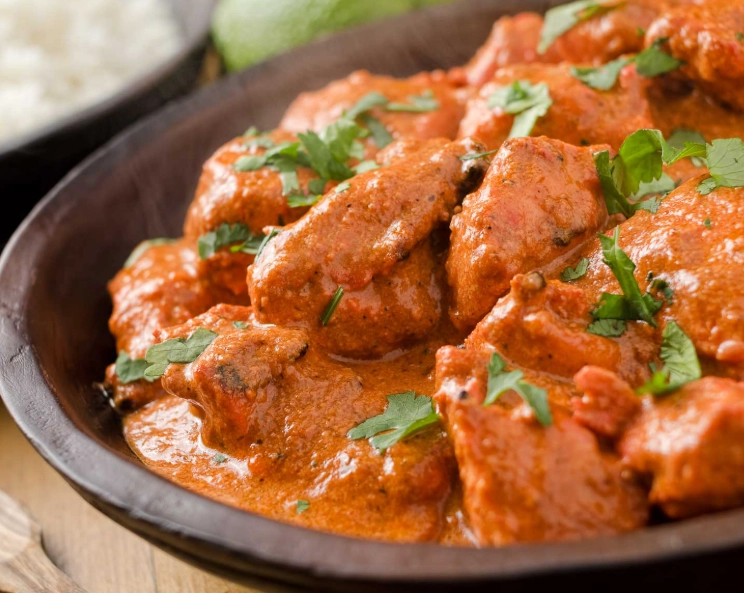
Beyond the Basics: Regional Flavor Signatures
India's cuisine changes every few hundred miles. The spices tell that story.
The North: Creamy & Aromatic
Think butter chicken, chicken tikka masala, korma. Here, the spice profile leans on garam masala, cardamom (green and black), and cinnamon. They're often paired with dairy—yogurt, cream, butter (makhan). The heat is moderate, the focus is on richness and aroma. Fenugreek leaves (kasuri methi), crushed and added at the end, give that distinct restaurant-style fragrance.
The South & West: Bold & Punchy
Goa's vindaloo, Kerala's stew, Chettinad chicken. This is where black pepper, mustard seeds, curry leaves, and coconut enter the chat. Tamarind adds sourness, and whole dried red chilies provide a sharper heat. The spices are often ground with vinegar or coconut into a coarse, potent paste. The flavors are brighter, more aggressive.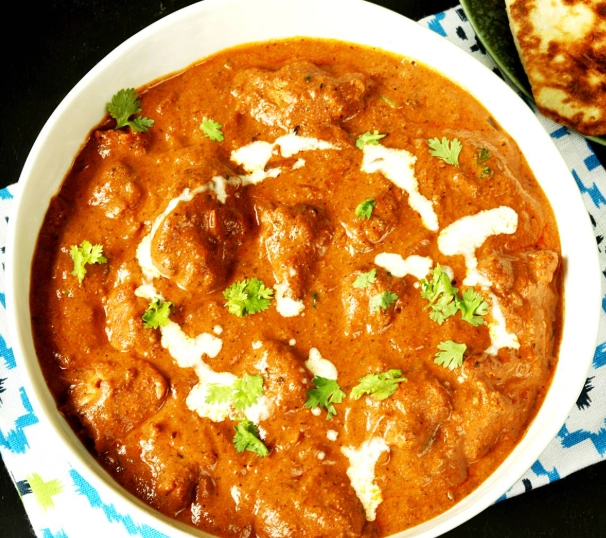
I once tried to make a Chettinad chicken using my North Indian technique—slow, gentle simmering. It was a disaster. The coarse spice paste needed a hotter, quicker fry to wake up, not a lazy stew. The region dictates the technique.
The Techniques That Make Spices Sing
This is where home cooks trip up. It's not what you use, but how you use it.
1. Tadka (Tempering): This is the first layer of flavor. Heat oil or ghee, then add whole spices like cumin seeds, mustard seeds, or fenugreek seeds. Let them sizzle and pop for 30 seconds. This infuses the oil with their essence before anything else goes in. It's non-negotiable for authenticity.
2. Blooming Ground Spices: After your onions and ginger-garlic paste are cooked, you add the ground spices (turmeric, coriander, cumin). The key? Cook them in the oil for a minute or two. You'll see the oil start to separate from the mixture. This "cooking out" removes the raw, dusty taste and mellows the spices, allowing their true flavors to merge.
3. The Layered Heat: Heat isn't just from chili powder. Use whole dried chilies in the tadka for a deep, smoky heat. Use green chilies slit into the gravy for a fresh, piercing heat. Use red chili powder for overall warmth. Layering these creates a more interesting heat profile.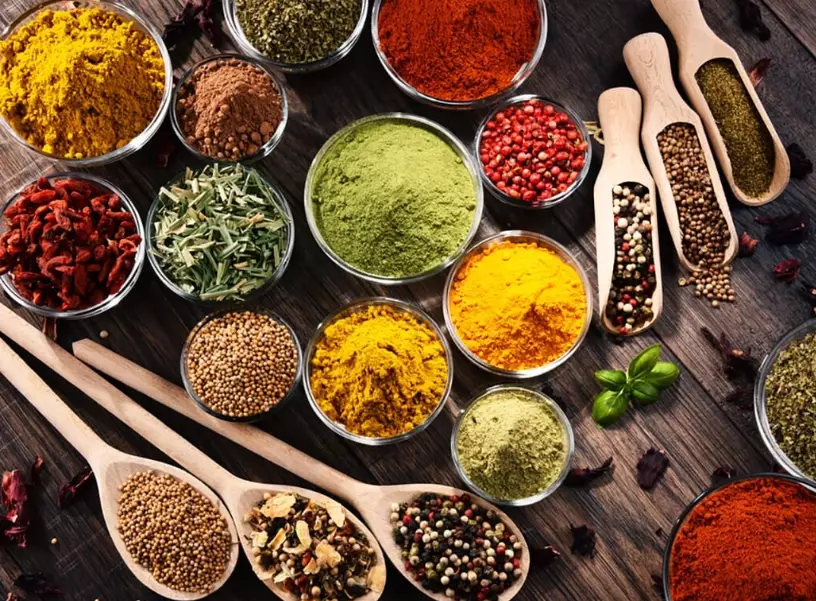
Common Mistakes (And How to Fix Them)
Let's troubleshoot the usual suspects.
"My curry tastes bitter." You burned your spices. Garlic and onions burn easily. So do ground spices, especially if your heat is too high. The fix? Medium heat is your friend. If you see black specks, you've gone too far. Start over.
"It smells great but tastes bland." You didn't use enough salt. Spices need salt to express themselves fully. Indian cooking is not shy with salt. Season in stages. Also, you might not have cooked the ground spices long enough to bloom.
"The flavor is one-dimensional." You're likely relying only on a pre-mixed curry powder. These are a blunt instrument. Build your flavor layer by layer: tadka first, then onions/ginger/garlic, then ground spices, then tomatoes or yogurt, then finishing spices like garam masala and dried fenugreek.
"The chicken is dry." You overcooked it. For curries, brown the chicken pieces first, then remove them. Build your sauce, and add the chicken back only for the last 15-20 minutes of simmering. Let it cook through gently in the gravy.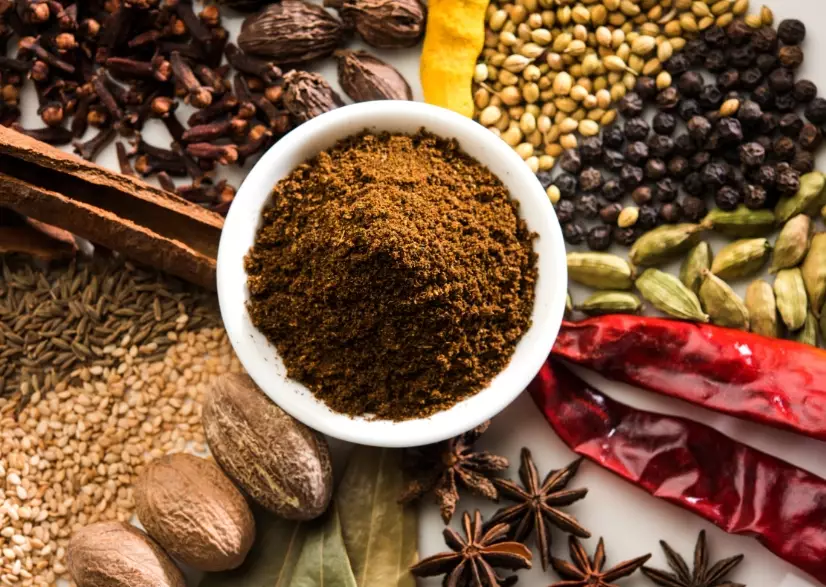
Putting It All Together: A Simple Home Recipe
Let's apply this to a basic, foolproof North Indian-style chicken curry.
The Scenario: You have chicken thighs, an onion, a tomato, ginger, garlic, and your core spices. Dinner in 45 minutes.
Step 1 – The Tadka: Heat 3 tbsp oil in a heavy pot. Add 1 tsp cumin seeds. Let them sizzle for 30 seconds.
Step 2 – The Base: Add 1 large chopped onion. Fry on medium until golden brown (this is crucial for color and sweetness). Add 1 tbsp each of minced ginger and garlic. Fry for another minute.
Step 3 – Bloom the Spices: Now add your ground spices: 1 tsp turmeric, 2 tsp ground coriander, 1.5 tsp ground cumin, 1 tsp Kashmiri red chili powder. Stir constantly for 90 seconds. You'll smell the transformation.
Step 4 – The Body: Add 2 chopped tomatoes. Cook until they break down and the oil separates again. This is your masala base.
Step 5 – Chicken & Simmer: Add 1.5 lbs chicken thigh pieces, salt to taste, and 1 cup water. Bring to a boil, then simmer covered for 20 minutes.
Step 6 – The Finish: Uncover. Stir in 1 tsp garam masala and 1 tsp dried fenugreek leaves (crushed between your palms). Cook for 5 more minutes. Finish with a tbsp of cream or a knob of butter (optional). Garnish with cilantro.
Taste it. You'll notice the layers. The cumin from the tadka, the deep base from the bloomed spices, the warm finish from the garam masala. That's the goal.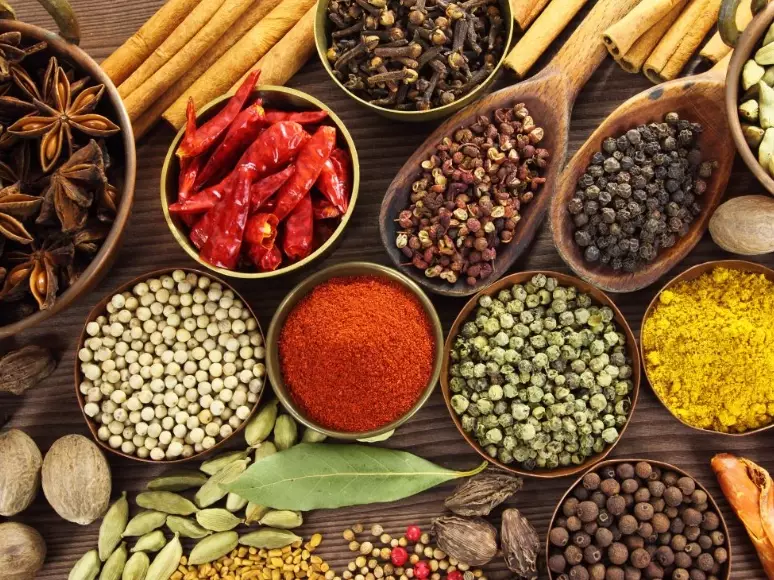
Your Burning Spice Questions, Answered
The journey with Indian spices is endless. Start with the core five, master the technique of blooming, and don't be afraid to taste and adjust as you go. Your kitchen, your rules. But once you understand the language these spices speak, you'll never look at a jar of curry powder the same way again.
Discussion