Your Spice Roadmap
- The Core Pantry: Your Essential Indian Spice Rack
- Beyond the Basics: The Character Actors
- Magic in a Jar: Understanding Spice Blends (Masalas)
- How to Actually Cook With Them: Techniques Are Everything
- Storage: Keeping Your Arsenal Potent
- Your Questions, Answered (The Stuff You Actually Google)
- Putting It All Together: A Simple Framework
Let's be honest. The first time you walk into an Indian grocery store or stare at a recipe calling for "kasoori methi," it's not exciting. It's terrifying. I remember my own first attempt. I bought a dozen little bags, got them home, and then had no idea what to do with them. They sat in my cupboard for months, a colorful but confusing collection. That frustration is exactly why I needed a real, practical Indian spice guide back then—not just a dry list of names, but a friend to walk me through the smells, the tastes, and the "why" behind each one.
This guide is that friend. We're not just listing spices. We're going to unlock them. You'll learn which ones are the non-negotiable staples, how to make them sing in your kitchen, and how to avoid the common pitfalls that turn vibrant curries into muddy, bitter disappointments. Forget the overwhelm. By the end of this, you'll look at your spice rack not as a museum of mysteries, but as a painter's palette, ready to create.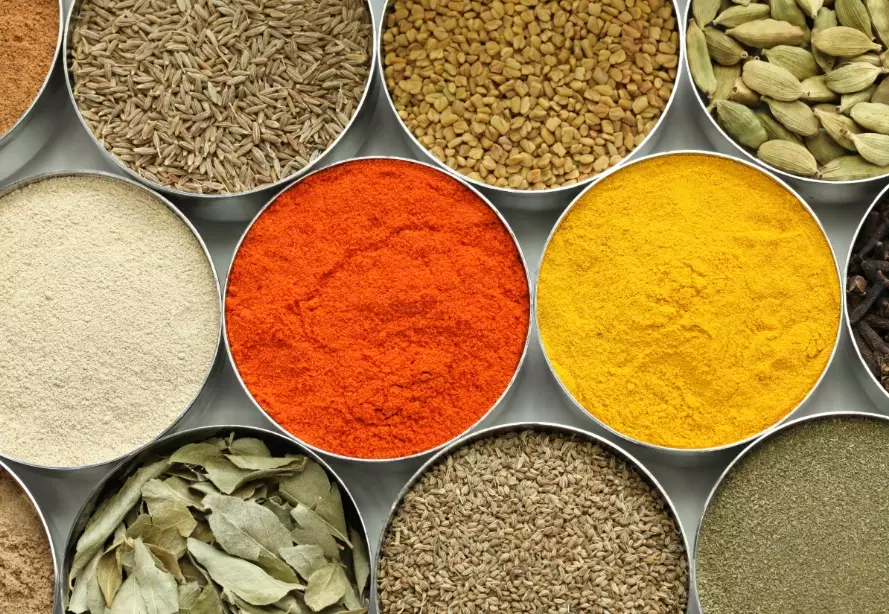
The Core Pantry: Your Essential Indian Spice Rack
You don't need fifty spices to start. In fact, that's a surefire way to get discouraged and waste money. Focus on these foundational players first. These are the workhorses, the ones you'll reach for in 80% of your Indian cooking adventures. I've organized them by their primary role in the flavor orchestra.
The Earthy & Warm Foundation
These spices provide the deep, grounding base notes. They're often the first to hit the oil.
| Spice (Common Name) | Indian Name(s) | What It Tastes/Smells Like | Classic Uses & A Pro Tip |
|---|---|---|---|
| Cumin Seeds | Jeera | Warm, earthy, slightly nutty and citrusy. The whole seeds have a sharper aroma than the ground powder. | The quintessential tadka (tempering) spice. Spluttered in hot oil to start dals, curries, and rice dishes. Don't burn them! They turn bitter in seconds. Wait for the oil to be hot, then add and watch them sizzle and darken just a shade. |
| Coriander Seeds | Dhania | Sweet, floral, lemony, and subtly earthy. Much more complex and pleasant than the fresh herb (cilantro), which they are related to. | Almost always used ground, providing body and a rounded sweetness to curry powders and pastes. It's a great flavor balancer. Buy whole seeds and toast/grind them yourself for a massive aroma upgrade over pre-ground. |
| Turmeric | Haldi | Earthy, musky, slightly bitter, with a vibrant golden-orange color. It stains everything (fingers, countertops, plastic containers) brilliantly. | Used for color, flavor, and its purported anti-inflammatory properties. Added early in cooking to mellow its raw edge. A pinch in boiling water for rice or lentils gives a lovely hue. It's a staple in any genuine Indian spice guide. |
The Pungent & Aromatic Stars
These bring the heady, unmistakable aromas that define the cuisine.
- Cardamom (Green) (Elaichi): Intensely aromatic, floral, sweet, and almost menthol-like. The queen of spices. You can use pods whole (crush lightly) or extract the tiny black seeds. I often toss a pod into my rice cooker or morning chai. Black cardamom is a different beast—smoky and camphorous—used in hearty meat dishes.
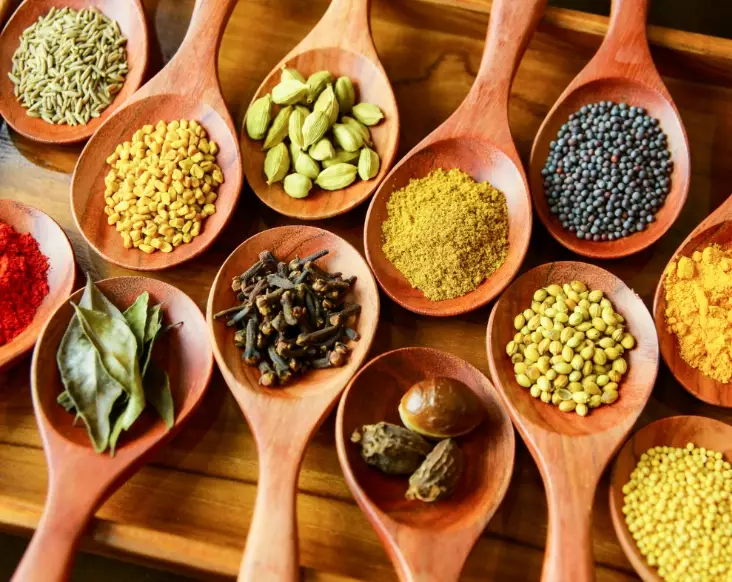
- Cloves (Laung): Pungent, sweet, and aggressively warming. One or two go a long way. They can dominate, so use with a light hand. Wonderful in biryanis and garam masala.
- Cinnamon (Dalchini): We're talking about true cinnamon sticks (Ceylon) or the more common cassia bark, which is stronger and spicier. It provides a warm, sweet depth. A small piece in a pot of lentils or beans works magic.
The Heat Providers
Heat in Indian food is about complexity, not just pain.
Black Peppercorns (Kali Mirch): The original heat. Sharp, piney, and penetrating. Freshly ground is infinitely better. It's a key component in garam masala and many South Indian preparations.
Dried Red Chilies (Sukhi Lal Mirch): These come in many varieties, from the mild, smoky Kashmiri chili (used mostly for color) to the fiery-hot Guntur or Bedgi chilies. You can use them whole, broken, or ground into powder. Removing the seeds reduces heat significantly. This is a critical part of any Indian spice guide—understanding that "red chili powder" isn't just one thing.
Beyond the Basics: The Character Actors
Once you're comfortable with the core set, these spices add unique, signature flavors. They answer the "what's that amazing taste?" question.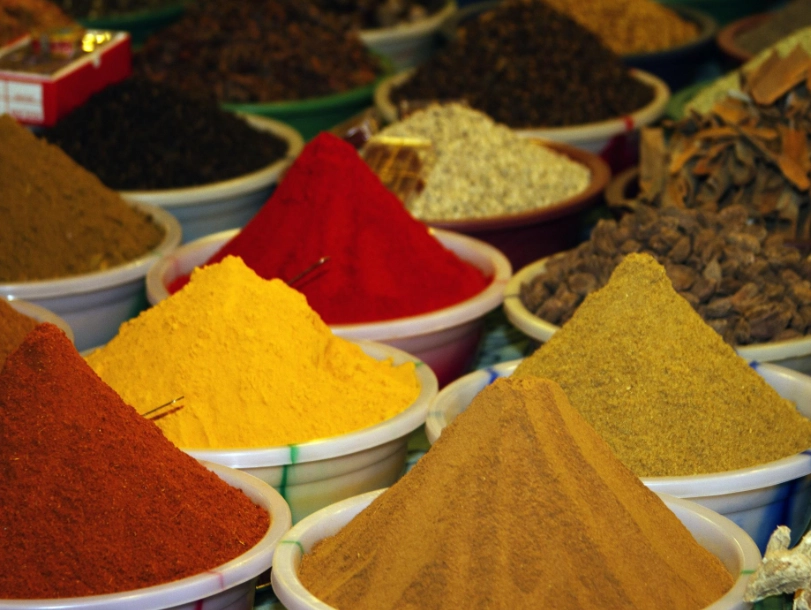
Fenugreek Seeds (Methi): Bitter, maple-syrup-like when raw, but when toasted gently, they become nutty and complex. Essential in pickles and some curry powders. Overdo it, and your food will be unpleasantly bitter. The leaves, both fresh (methi) and dried (kasoori methi), are also used—the dried leaves have a haunting, celery-like aroma and are crumbled into butter chicken and other creamy dishes.
Mustard Seeds (Rai/Sarson): Tiny black or brown seeds. They don't dissolve; you pop them in hot oil. They release a nutty, pungent, slightly bitter aroma and provide a textural pop. Fundamental in South Indian and Bengali tempering (tadka).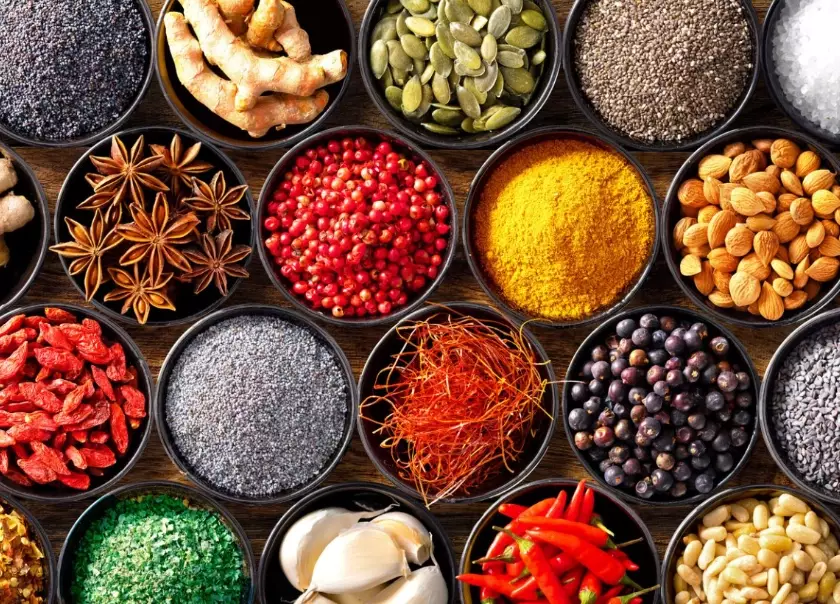
Magic in a Jar: Understanding Spice Blends (Masalas)
While whole and ground individual spices are crucial, pre-mixed blends are the convenient flavor bombs of Indian cooking. The most famous is Garam Masala. "Garam" means hot, but it refers to warming the body, not Scoville heat. It's a blend of sweet, warming spices usually added at the *end* of cooking to preserve its volatile aromas.
Here's a simple, superior homemade garam masala recipe. Toasting and grinding your own is a game-changer.
Dry roast in a pan until fragrant (2-3 minutes): 3 tbsp coriander seeds, 2 tbsp cumin seeds, 2 tbsp black peppercorns, 1 tbsp cardamom seeds (from about 15 pods), 1 small cinnamon stick (broken), 1 tsp cloves, 1 tsp nutmeg shavings. Let cool completely, then grind to a fine powder. Store in an airtight jar in a cool, dark place. Use within 2-3 months for peak flavor. See how much better this is than just listing spices? A practical Indian spice guide must show you how to use them together.
Other key blends include Chaat Masala (tangy, salty, with dried mango powder—amchoor—for sprinkling on fruits, salads, and snacks), Sambar Powder (a lentil and vegetable stew seasoning from South India), and Panch Phoron (a Bengali five-seed blend of equal parts fenugreek, nigella, cumin, black mustard, and fennel seeds, used whole).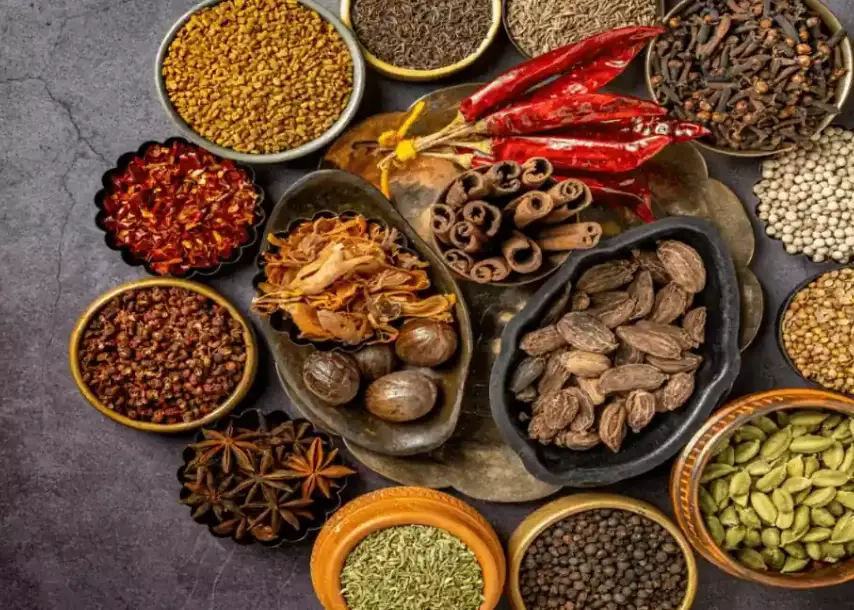
How to Actually Cook With Them: Techniques Are Everything
Owning the spices is only half the battle. How you treat them determines whether your dish is flat or fantastic.
The Sacred Tadka (Tempering)
This is the foundational technique. Whole spices (mustard seeds, cumin seeds, dried chilies, curry leaves) are sizzled in hot oil or ghee. This hot, flavored oil is then poured over a finished dish (like dal) or used as the base to start a curry. The heat unlocks the essential oils and transforms the spices' character. The sound of mustard seeds popping is the sound of Indian cooking beginning.
Toasting & Dry Roasting
Spices like coriander, cumin, and dried red chilies are often dry-roasted in a pan before grinding. This deepens their flavor, removes raw edges, and makes them easier to powder. You'll know they're done when your kitchen smells incredible.
The "Bhuno" (Frying the Spice Paste)
For curry bases, ground spices (like turmeric, coriander, chili powder) are often added to fried onions, ginger, and garlic. You then cook this paste, stirring constantly, until the oil starts to separate from the mixture. This "bhuno" stage is critical—it cooks out the raw floury taste of the ground spices and develops a deep, layered flavor. Rushing this step is the number one reason homemade curries taste bland or one-dimensional.
Storage: Keeping Your Arsenal Potent
Spices don't last forever. Light, heat, and air are their enemies. That pretty glass jar on the stove? It's killing your spices.
- Buy Whole When Possible: Whole spices retain their volatile oils much longer than ground ones. A small coffee grinder dedicated to spices is the best investment you can make.
- Store in Airtight Containers in a cool, dark cupboard. Not above the stove. Not in a clear jar on the windowsill.
- Ground spices are best used within 3-6 months. Whole spices can last 1-2 years. Your nose is the best guide. If it doesn't smell like much, it won't taste like much.
- Label your jars with the purchase or grinding date. It helps.
Your Questions, Answered (The Stuff You Actually Google)
Putting It All Together: A Simple Framework
So how does a real Indian spice guide translate to a Tuesday night? Here’s a mental checklist for building a simple curry from scratch:
- The Fat & Whole Spices: Heat oil/ghee. Add whole spices (cumin, mustard seeds, a dried chili, a cardamom pod). Let them sizzle and pop for 30 seconds.
- The Aromatics: Add chopped onions, ginger, garlic. Cook until soft and golden.
- The Ground Spice Base: Add ground turmeric, coriander, chili powder. Fry for 1-2 minutes until fragrant and the oil glistens on the sides.
- The Main Event: Add your vegetables, meat, or lentils. Coat in the spice paste.
- The Liquid: Add water, stock, or tomatoes. Simmer until everything is cooked.
- The Finisher: Stir in a teaspoon of garam masala. Maybe a sprinkle of dried fenugreek leaves (kasoori methi). A dollop of cream or yogurt if you like.
- The Final Tadka (Optional but glorious): Heat a little more ghee in a small pan. Fry a pinch of cumin seeds and a few curry leaves until crackling. Pour this sizzling oil over the finished dish. The fragrance explosion is unreal.
That's it. That's the blueprint. Once you understand these layers, you can move away from rigid recipes and start improvising. You'll know that if you want more earthy depth, toast your coriander seeds longer. If you want more warmth, add a bit of black pepper with your chilies. This intuitive understanding is the ultimate goal of this Indian spice guide.
It's not about memorizing a hundred spices. It's about making friends with a dozen, understanding their personalities, and learning how they play together. Start small. Cook a simple dal with just turmeric, cumin, and a tadka. Taste the clarity of each element. Then build from there.
The journey from confusion to confidence is one of the most rewarding parts of cooking. Your kitchen will smell incredible, and your food will have a soul you never knew was missing. Now go open those jars and start sniffing.
Discussion