Quick Navigation
Let's be honest. The thought of how to make Indian food with chicken can be a bit intimidating. All those spices, the long ingredient lists, the fear of ending up with something that tastes nothing like the takeout you love. I get it. I've been there, staring at a jar of turmeric wondering if it's the same thing as curry powder (spoiler: it's not).
But what if I told you it's not as hard as it looks? That you can create incredibly flavorful, authentic-tasting Indian chicken dishes right on your stovetop, without any special equipment or a degree in spice blending? That's the goal here. We're going to demystify the process, one step at a time. No fluff, just practical, kitchen-tested advice that works.
The magic of Indian chicken recipes lies in the layering of flavors. It's not about throwing everything in a pot at once. It's a dance, and once you learn the basic steps, you can freestyle. Whether you're craving the creamy comfort of Butter Chicken or the robust warmth of a classic curry, the foundation is the same. We'll build that foundation together.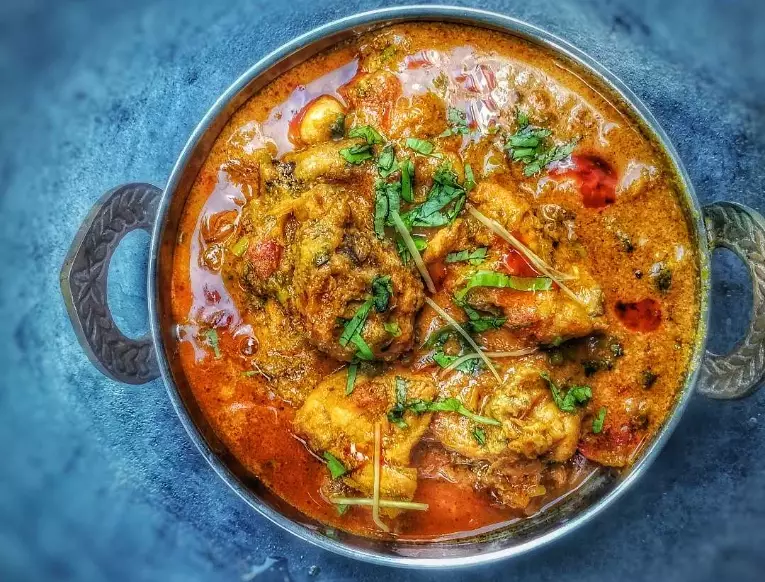
Before You Even Turn On the Stove: The Spice Cabinet Makeover
This is the most important step. Trying to make Indian food with chicken without the right spices is like trying to paint without blue. You can't fake it. The good news? You don't need twenty jars. A core set of seven or eight will let you cook a huge variety of dishes.
Here’s the non-negotiable starter pack. Look for these in the spice aisle of any major grocery store, or better yet, at an Indian or international market where they're cheaper and fresher.
The Essential Spice Rack for Indian Chicken
| Spice | What It Looks/Smells Like | Its Job in Your Dish | Quick Substitution (In a Pinch) |
|---|---|---|---|
| Garam Masala | Warm brown powder; smells sweet, woody, and peppery. | The finishing touch. Adds complex warmth. Add at the END of cooking. | A mix of ground cumin, coriander, cardamom, and black pepper. |
| Ground Turmeric | Bright yellow powder; earthy, slightly bitter aroma. | Provides iconic golden color and a subtle earthy base note. | No direct sub. Saffron for color, but different flavor. Just omit if missing. |
| Ground Cumin | Brown powder; strong, warm, nutty, and smoky smell. | The backbone. Adds a deep, savory, grounding flavor. | Ground coriander plus a tiny pinch of chili powder. |
| Ground Coriander | Light brown powder; citrusy, floral, and sweet aroma. | Brightens and balances the heavier spices. A key flavor layer. | Ground cumin, but the flavor will be less complex. |
| Kashmiri Chili Powder | Vibrant red powder; mild heat, smoky, fruity flavor. | Provides rich red color and mild heat without overwhelming. | 1 part sweet paprika + ¼ part cayenne pepper. |
| Cumin Seeds | Tiny, boat-shaped brown seeds. | Used for "tadka" (tempering). Crackles in hot oil to release a nutty aroma. | Mustard seeds or fennel seeds (different flavor, but same technique). |
| Cardamom Pods (Green) | Small green pods containing black seeds. | Adds a unique, sweet, floral, and almost menthol-like fragrance. | A tiny pinch of ground cardamom (use sparingly). |
See? Not so scary. Keep these in a cool, dark place. And that "Garam Masala" – it's not a single spice, but a blend. Think of it as the all-star team that comes off the bench to win the game in the final minutes. You can even make your own if you're feeling ambitious (the website Serious Eats has a fantastic, detailed recipe for a homemade version that blows store-bought out of the water).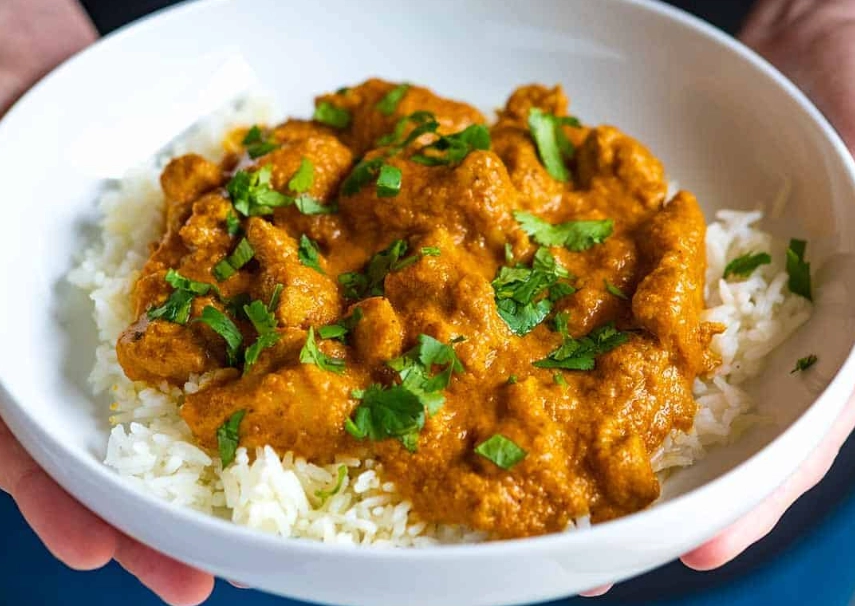
The Foundation: Your First Two Master Recipes
Let's cook. I'm giving you two pillars here. Master these, and you'll understand the rhythm of how to make Indian chicken food. One is rich and creamy, the other is tomato-based and saucy. They use the same core techniques but result in totally different experiences.
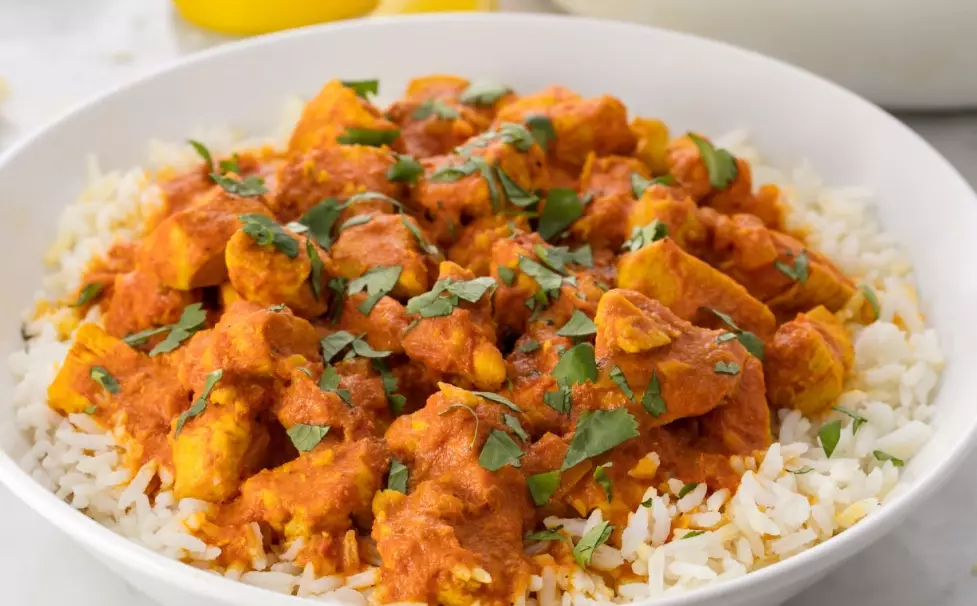
Weeknight Hero: Simple, Soulful Chicken Curry
This is the workhorse. It’s adaptable, freezes beautifully, and is packed with flavor. The process teaches you the fundamental sequence of Indian cooking: fry whole spices, cook onions until deeply golden, add ground spices to "bloom" them in oil, then build your sauce.
You'll need:
- 1.5 lbs boneless, skinless chicken thighs, cut into chunks (thighs are more forgiving and flavorful than breasts, trust me)
- 2 medium onions, finely chopped
- 3 cloves garlic, minced
- 1-inch piece ginger, grated
- 2 tbsp oil or ghee
- 1 tsp cumin seeds
- 1.5 tbsp your core spice mix (2 tsp coriander, 1.5 tsp cumin, 1 tsp turmeric, 1 tsp Kashmiri chili)
- 1 can (14 oz) crushed tomatoes
- Salt to taste
- Fresh cilantro for garnish
- 1 tsp garam masala (for finishing)
The Method:
- Temper the Whole Spices: Heat the oil/ghee in a heavy pot over medium heat. Add the cumin seeds and let them sizzle for about 30 seconds until fragrant. This is your flavor foundation.
- The Onion Base (The Most Important Step): Add the onions. Now, cook them. Seriously. Don't rush. Stir frequently and cook for a good 12-15 minutes until they turn a deep, golden brown. This "browning" is what gives the curry its deep, sweet, complex base. This is where most beginners mess up – they stop when the onions are just soft and translucent. Push them further.
- Bloom the Aromatics & Ground Spices: Add the ginger and garlic, cook for 1 minute. Then add all your ground spices (coriander, cumin, turmeric, chili). Stir constantly for another minute. You should smell an incredible aroma blooming from the pot. If it looks dry, add a tiny splash of water to prevent burning.
- Build the Sauce: Pour in the crushed tomatoes. It will sizzle. Stir well, scraping up any bits from the bottom. Cook this mixture for 5-7 minutes until the oil starts to separate from the tomatoes – you'll see little droplets of oil around the edges. This is a good sign! It means your masala is cooked.
- Cook the Chicken: Add the chicken pieces and salt. Stir to coat. Add about ½ cup of water, cover, and simmer on low heat for 20-25 minutes, until the chicken is cooked through and tender.
- The Finishing Touch: Turn off the heat. Stir in the garam masala. Let it sit for 5 minutes. Garnish with cilantro. That's it.
Why This Works:
The sequence is everything. Frying the whole cumin first, then caramelizing the onions, then "cooking" the ground spices in the oil before adding liquids – this layers the flavors in a way that just dumping everything together never could. The final sprinkle of garam masala at the end adds a fresh, fragrant top note that gets lost if added too early.
The Restaurant Favorite: Simplified Butter Chicken (Murgh Makhani)
Everyone loves it. Creamy, mildly spiced, and utterly comforting. The secret isn't a ton of butter, but the marinade and the silky, strained sauce.
The process has two parts: marinating the chicken (ideally overnight, but a few hours works) and making the sauce. It's a bit more involved than the basic curry, but the payoff is huge.
Part 1: The Marinade. In a bowl, mix: 1.5 lbs chicken thighs (cut), ½ cup plain yogurt, 1 tbsp ginger-garlic paste, 1 tsp turmeric, 1 tsp Kashmiri chili, 1 tsp garam masala, and 1 tsp salt. Mix well, cover, and refrigerate. Overnight is magic, 2 hours is the minimum.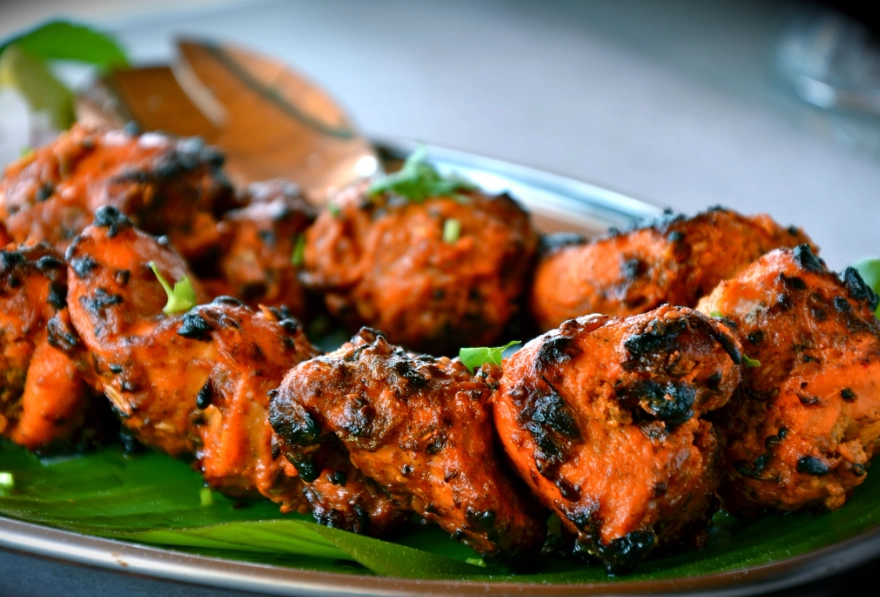
Part 2: The Sauce & Finish.
- Cook the marinated chicken. You can grill it, broil it, or pan-fry it until just cooked through and slightly charred. Set aside.
- In the same pot, make a sauce just like the curry base: fry 1 tsp cumin seeds, cook 1 large chopped onion until golden, add 1 tbsp ginger-garlic, then 1.5 tsp coriander, 1 tsp cumin, 1 tsp chili powder. Add 1 can of tomato puree (not paste). Cook until oil separates.
- Here's the key for smoothness: Let the sauce cool a bit, then blend it until silky smooth using an immersion blender or regular blender. Return to the pot.
- Add ½ cup heavy cream (or cashew paste for a dairy-free version), 1 tbsp sugar, and salt to taste. Stir in the cooked chicken and any juices. Simmer gently for 10 minutes.
- Finish with 2 tbsp of cold butter and a final ½ tsp of garam masala. Don't boil after adding the butter, just let it melt into the sauce.
And there you have it. Two completely different paths on how to make Indian food with chicken, using the same basic principles. Once you're comfortable, you can start swapping things. Use the curry base but add spinach for Saag Chicken. Or add coconut milk to the curry sauce for a South Indian twist.
Leveling Up: Techniques That Separate Good from Great
You've got the recipes. Now let's talk about the little things that make a big difference. These aren't hard, but they're often the missing pieces when someone's dish tastes "flat" or "one-dimensional."
The Ginger-Garlic Paste Shortcut: I hate mincing ginger and garlic every time. My solution? Once a week, I peel a whole head of garlic and a large piece of ginger, throw them in a small food processor with a tiny bit of oil, and blitz into a paste. Store it in a jar in the fridge for up to two weeks. One spoonful replaces both. Huge time saver.
Toasting Your Own Spices: This is a game-changer for flavor depth. Take whole cumin and coriander seeds, dry toast them in a pan over medium heat for 2-3 minutes until fragrant, then grind them in a spice grinder or mortar. Use this freshly ground mix in place of the pre-ground stuff. The aroma is incomparable.
Understanding "Bhuno" (The Fry): This is the step where you cook the onion-spice-tomato mixture until the oil separates. It's not burning; it's the moisture evaporating and the flavors concentrating. Be patient here. It's the soul of the gravy.
The Dairy Timing: Yogurt, cream, and butter are often finishing agents. Adding them too early can cause the sauce to curdle or split, especially yogurt. Always lower the heat and stir them in at the very end, just to warm through.
Navigating Common Hiccups & Questions
I've messed up plenty of times. Here are the solutions to the problems you're likely to run into.
Too spicy: Don't panic. Add a bit of plain yogurt, cream, or coconut milk. A teaspoon of sugar or a squeeze of lemon juice can also help balance intense heat. Serve with extra rice or bread to dilute each bite.
Honestly, the best way to learn how to make Indian food with chicken is to just start. Pick one recipe, gather your spices, and go for it. Your first attempt might not be perfect, but it'll be edible and probably pretty good. The second time will be better. By the third, you'll be tweaking it to your own taste. That's the real goal – not just copying a recipe, but making it yours.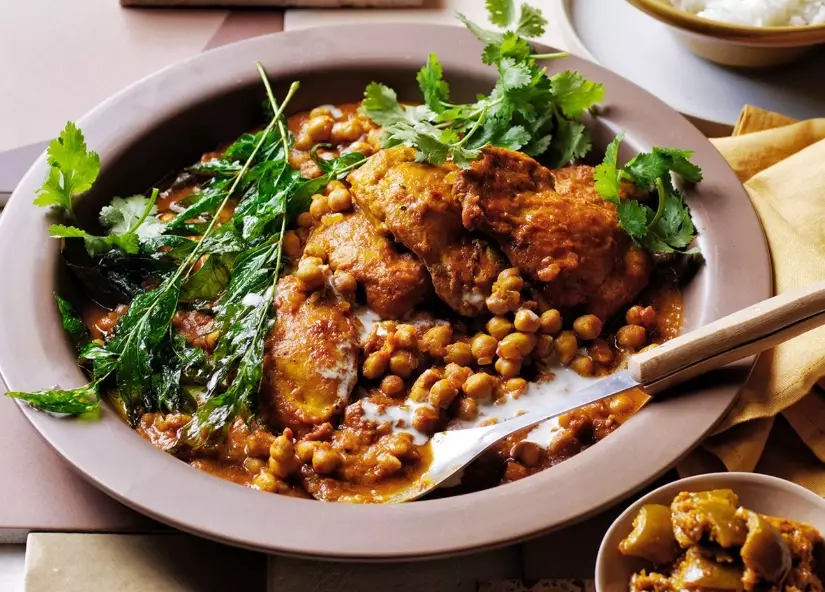
Beyond the Pot: Serving & The Full Experience
A great dish is made even better by what you serve it with. This isn't an afterthought.
The Rice: Basmati rice is the classic. Rinse it until the water runs clear to remove excess starch. For extra fragrance, toast the rice in a bit of ghee with a couple of whole spices (a bay leaf, a cardamom pod, a clove) before adding water to cook. The BBC Good Food guide to perfect fluffy rice is spot-on if you need a foolproof method.
The Breads: If you want to go beyond rice, store-bought naan or roti warmed in a toaster or oven is fine. For a fun project, try making your own simple chapati – it's easier than you think and so rewarding.
The Sides & Garnishes: Don't underestimate the power of a simple side. A quick cucumber-tomato-onion salad with lemon juice and salt (Kachumber) cuts through the richness. A spoonful of store-bought mango chutney or lime pickle adds a sweet or tangy punch. A bowl of plain yogurt (raita) is essential for cooling the palate.
Finally, set the mood.
It sounds silly, but it works. Plate your curry in a nice bowl. Sprinkle that fresh cilantro generously. Have your sides in little dishes. The visual appeal is part of the enjoyment. Cooking, especially something as vibrant as Indian food, is about feeding all the senses.
So, there you have it. A complete roadmap from a hesitant beginner to someone who can confidently put a flavorful, homemade Indian chicken dish on the table. The journey of learning how to make Indian food with chicken is really about embracing a new way of thinking about flavor. It's patient, layered, and incredibly satisfying. Now, go warm up that pot. Your kitchen is about to smell amazing.
Discussion