Quick Navigation
- Why You Need a Good Indian Snacks List
- Breaking Down the Categories: A Snacker's Guide
- The Comprehensive Indian Snacks List: Must-Try Items
- Beyond the Everyday: Festive & Regional Stars
- Navigating Your Snacking Journey: Practical Tips
- Common Questions About Indian Snacks (FAQs)
- Final Thoughts on Exploring This Indian Snacks List
Let's be honest. When you first think of Indian food, heavy curries and biryanis probably come to mind. But if you've ever walked down a bustling Indian street or been to a local home during tea time, you know the real magic often happens in between meals. That's where snacks come in – a universe of flavors that's vibrant, diverse, and utterly addictive.
I remember my first trip to Delhi. I was overwhelmed by the sheer variety. Every corner had a vendor selling something different, each aroma more tempting than the last. Where do you even start? That experience is what made me want to create this definitive guide. This isn't just any Indian snacks list; it's a curated journey through the savory, sweet, crispy, and soft bites that define Indian culinary culture.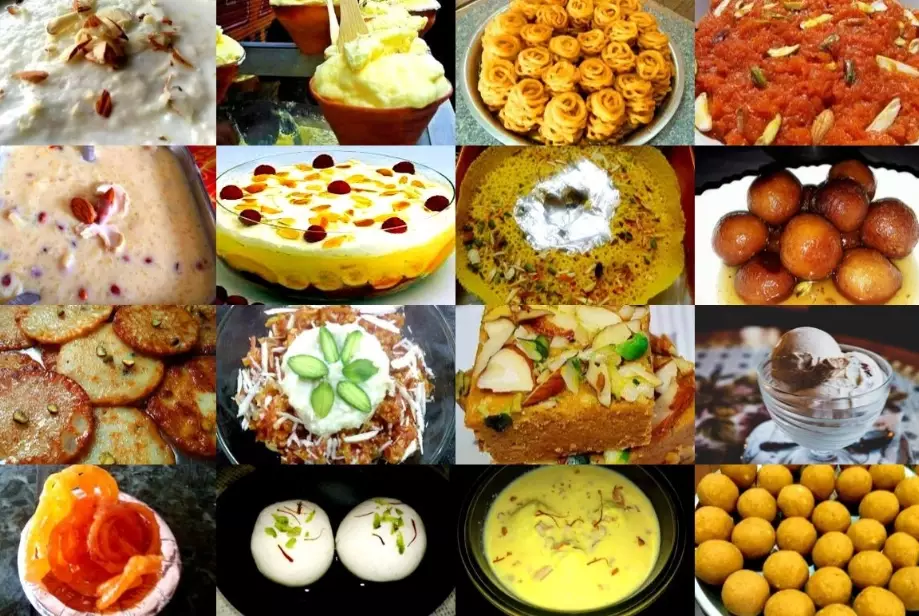
Why You Need a Good Indian Snacks List
You might wonder, why focus on snacks? Well, in India, snacking isn't a casual affair. It's a ritual. It's the 4 PM chai break with colleagues, the after-school treat for kids, the essential offering to guests, and the heart of every festival. The variety is staggering because every region, every community, and every season has its own specialties.
Without a proper Indian snacks list, you could easily miss out on half the experience. You might only know samosas and pakoras (which are fantastic, don't get me wrong), but what about the tangy Pani Puri or the sweet, syrupy Jalebi? This list is your map to navigating that delicious complexity.
Breaking Down the Categories: A Snacker's Guide
To make sense of the endless options, it helps to group them. Indian snacks can be broadly divided by flavor profile, cooking method, and occasion. Let's break it down.
By Flavor Profile
This is the most straightforward way to think about it. Are you in the mood for something spicy, something sweet, or something that perfectly balances both?
- Savory & Spicy: This is the largest category. Think chaat items like Bhel Puri, Sev Puri, and Dahi Puri. These are flavor explosions with chutneys, spices, yogurt, and crunchy elements. Most street food falls here.
- Sweet: Indian sweets, or mithai, are often enjoyed as snacks too. Things like Ladoo, Barfi, and Jalebi are consumed throughout the day, not just as dessert.
- Savory & Mild: Not everything is fiery. Snacks like Idli with coconut chutney, Upma, or Poha are comforting, spiced but not necessarily hot.
By Cooking Method
How it's cooked tells you a lot about its texture.
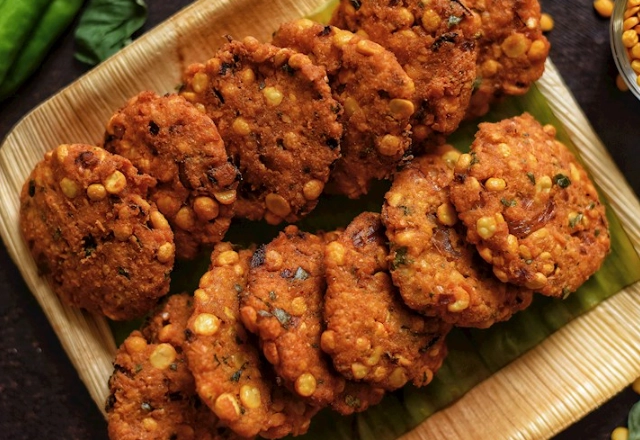
- Fried (The Classics): Samosa, Pakora, Vada, Kachori. Crispy, golden, and utterly irresistible. They form the backbone of any classic Indian snacks list.
- Steamed (The Lighter Options): Idli, Dhokla, Modak. Fluffy, healthy, and often fermented. A great choice if you want something less oily.
- Griddle-Cooked: Dosa, Uttapam, Paratha. Crispy on the outside, soft inside. Usually a more substantial snack or a light meal.
By Occasion
Context matters. Some snacks are everyday affairs, while others are reserved for special times.
- Street Food: Quick, bold, and meant to be eaten on the go. Pani Puri is the king here.
- Tea-Time Snacks: Perfect with a hot beverage. This includes biscuits (like rusk), nimki (savory crackers), and lighter pakoras.
- Festive Snacks: Elaborate, often sweeter, and made in large batches for celebrations like Diwali or Holi.
The Comprehensive Indian Snacks List: Must-Try Items
Alright, let's get to the main event. Here is a detailed, categorized Indian snacks list with descriptions, origins, and what makes each one special. I've included a mix of the famous and the lesser-known gems.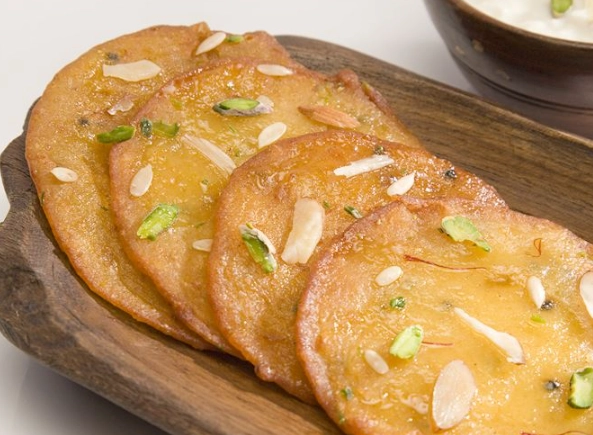
| Snack Name | Category | Key Ingredients | Flavor Profile & Notes |
|---|---|---|---|
| Pani Puri / Golgappa | Street Food, Chaat | Hollow puri, tamarind-mint water (pani), potato, chickpeas | Explosive, tangy, spicy, sweet. The ultimate street food experience. You pop the whole thing in your mouth. |
| Samosas | Fried, Tea-Time | Flaky pastry, spiced potato/pea filling (or meat) | Savory, spiced, crispy. The universal favorite. Best with mint or tamarind chutney. |
| Bhel Puri | Chaat, Street Food | Puffed rice, sev, onions, chutneys, potato | Crunchy, tangy, sweet, spicy. A textural masterpiece. Every bite is different. |
| Pakoras (Bhajiya) | Fried, Tea-Time | Vegetables (onion, potato, spinach) dipped in spiced gram flour batter & fried | Savory, crispy, comforting. The go-to monsoon or rainy-day snack. Onion pakoras are iconic. |
| Dosa | Griddle-Cooked, South Indian | Fermented rice & lentil batter | Crispy, slightly sour, savory. A large, thin crepe. The plain Masala Dosa (with potato filling) is a meal in itself. |
| Idli & Sambar | Steamed, South Indian | Steamed rice & lentil cakes, lentil-vegetable stew (sambar) | Soft, spongy, savory. Incredibly light and healthy. The sambar and coconut chutney are non-negotiable. |
| Vada Pav | Street Food, Mumbai Special | Spiced potato fritter (vada) in a bread bun (pav) with chutneys | Spicy, garlicky, hearty. Mumbai's beloved burger. Messy and delicious. |
| Jalebi | Sweet, Fried | Maida flour batter, deep-fried in coil shapes, soaked in sugar syrup | Extremely sweet, crispy, syrupy. Often served warm, sometimes with rabri (thickened milk). An instant energy boost. |
| Kachori | Fried, North Indian | Flaky pastry with a filling of spiced lentils (dal) or peas (matar) | Savory, flaky, richly spiced. Rajasthani Dal Kachori is famous. Heavier than a samosa. |
| Dhokla | Steamed, Gujarati | Fermented gram flour & rice batter | Spongy, tangy, slightly sweet. A fluffy, steamed cake. Tempered with mustard seeds and curry leaves. Very light. |
| Aloo Tikki | Fried/Griddled, Street Food | Pan-fried mashed potato patties with spices | Savory, crispy-edged, soft inside. Often served as a chaat with chutneys, yogurt, and chana (chickpeas). |
| Ladoo | Sweet, Festive | Varied: Besan (gram flour), Rava (semolina), Coconut, boondi | Sweet, dense, aromatic. The quintessential festive sweet. Besan Ladoo is the most common, with a nutty flavor. |
That table covers the heavy hitters, but any good Indian snacks list needs to mention the supporting cast. You can't forget Sev Puri (like small, loaded toasts), Dahi Vada (lentil dumplings in creamy yogurt), Ragda Pattice (Mumbai's potato patties in a pea stew), or Chana Jor Garam (a simple, spiced roasted chickpea mix).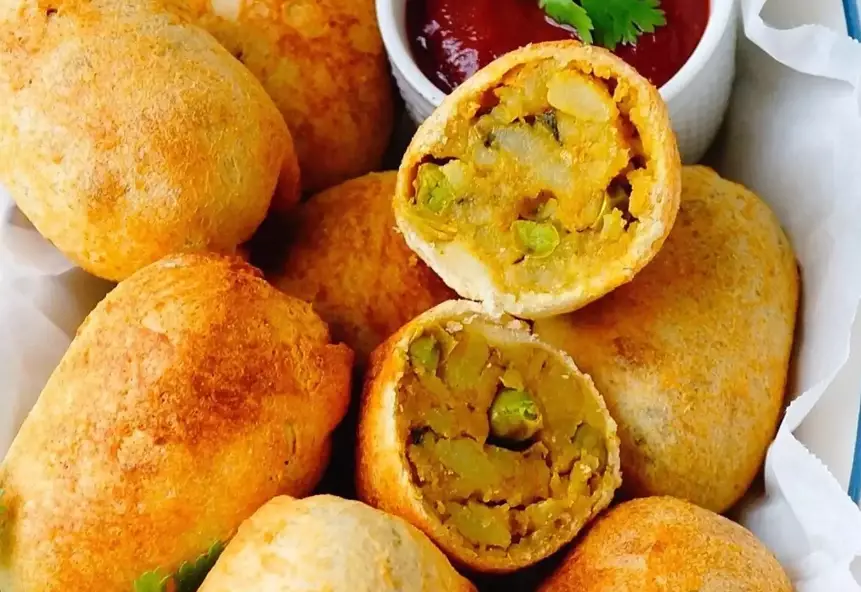
Beyond the Everyday: Festive & Regional Stars
If you think the standard list is impressive, wait till you see what comes out during festivals or in specific regions. This is where the depth of Indian snacking truly shines.
Festival Specials
Festivals have their own dedicated snack menus. For Diwali (the festival of lights), homes are filled with an array of fried savory items like Chakli, Shankarpali, and Mathri, alongside sweets like Kaju Katli (cashew fudge) and Anarsa. Holi is incomplete without Gujiya – a sweet, deep-fried dumpling filled with khoya and dried fruits. During Navratri, fasting snacks made from ingredients like singhare ka atta (water chestnut flour) and sabudana (tapioca pearls) take center stage, like Sabudana Khichdi or Sabudana Vada.
Regional Hidden Gems
Travel across India, and the snacks change dramatically.
- Kashmir: Nadru Monje (lotus stem fritters) – uniquely crunchy and delicious.
- Goa: Chicken Cafreal or Fish Cutlets – reflecting its Portuguese influence.
- West Bengal: Phuchka (their version of Pani Puri, often with a distinct tamarind water) and Mughlai Paratha (a stuffed, egg-coated flatbread).
- Maharashtra: Pithla Bhakri (a chickpea flour curry with rustic flatbread) or Thalipeeth (a multi-grain savory pancake).
- Kerala: Banana Fritters (Ethakka Appam) – sweet and crispy.
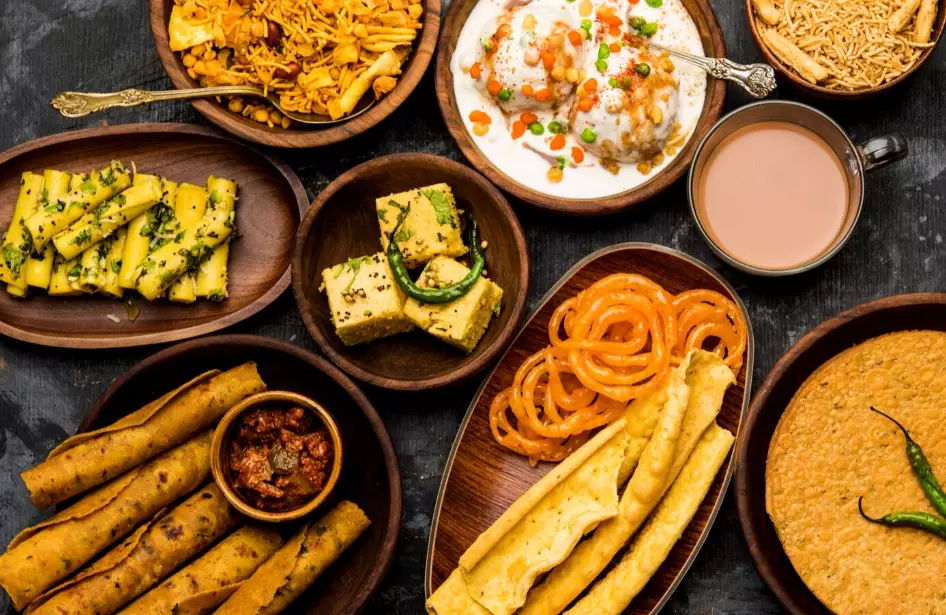
To understand the cultural significance of these foods, resources like the Incredible India tourism website often highlight regional culinary traditions, giving context to what you're eating.
Navigating Your Snacking Journey: Practical Tips
So you have this massive Indian snacks list. Now what? How do you actually go about trying them?
Where to Find Authentic Snacks
In India: Street vendors are the soul of snacking. Look for crowded chaat stalls or dedicated sweet shops (mithai shops). Local train stations often have amazing vada pav or samosa stalls. For a more curated experience, restaurants specializing in "chaat" or regional cuisines are a great bet.
Outside India: Look for Indian grocery stores with a fresh food section – they often carry samosas, pakoras, and sweets. Dedicated Indian sweet shops are becoming common in major cities worldwide. For a deeper dive into authentic recipes and techniques, websites like Veg Recipes of India are fantastic resources for home cooks.
Pairing Snacks with Drinks
It's an art form. Masala Chai is the universal partner, especially for fried items like samosas and pakoras. Filter Coffee (especially in South India) pairs perfectly with idli, vada, or a sweet like Mysore Pak. For sweet snacks like jalebi or imarti, a glass of cold milk or lassi balances the sweetness. And in summer, a tangy nimbu pani (lemonade) or aam panna (raw mango drink) cuts through the spice of chaat beautifully.
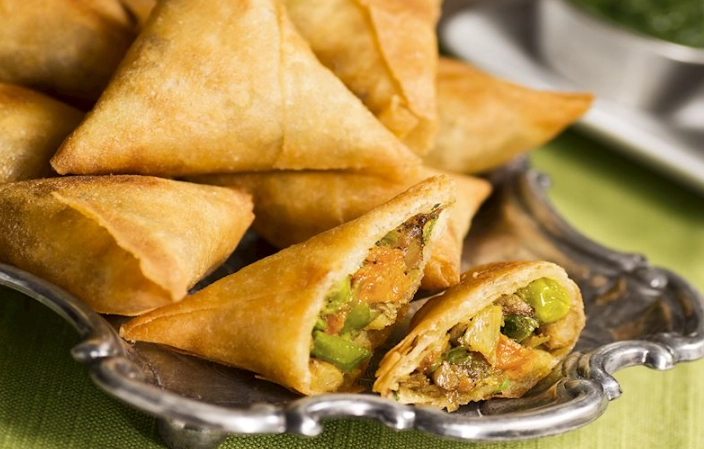 The right pairing elevates the whole experience.
Common Questions About Indian Snacks (FAQs)
Final Thoughts on Exploring This Indian Snacks List
Creating this Indian snacks list has been a delicious trip down memory lane for me. It's a reminder that food is more than sustenance; it's a story, a memory, a piece of culture you can hold in your hand (and usually get all over your fingers).
The beauty of this cuisine is its endless capacity for discovery. You might master the art of eating a pani puri without spilling, only to discover the wonders of a Kolkata kathi roll next. You might think you don't like sweets, then try a warm, fresh piece of Gulab Jamun and change your mind.
My advice? Use this list as a starting point, not a checklist. Be adventurous. Try the samosa from the unassuming corner shop. Order the dhokla even if you're not sure what it is. Ask the sweet shop owner for their favorite. The journey through Indian snacks is a lifelong one, and honestly, that's the best part.
Discussion