Quick Navigation
- Why Indian Vegetarian Food is in a League of Its Own
- The Non-Negotiable Pantry Staples
- Cooking Techniques That Make All the Difference
- Top Indian Vegetarian Recipes You Absolutely Must Try
- Navigating Common Challenges & Questions
- Building a Complete Indian Vegetarian Meal
- My Personal Journey & A Few Hard Truths
Let's talk about Indian food for a minute. More specifically, let's talk about Indian vegetarian recipes. If you think it's all just curry and rice, I'm here to tell you you're in for the most delicious surprise of your life. The variety is staggering. It's not just one cuisine; it's dozens of regional styles rolled into one incredibly vibrant tradition where vegetables, lentils, and grains are the stars, not afterthoughts.
I remember the first time I tried to make a proper dal at home. It was a disaster. Watery, bland, nothing like the aromatic, comforting bowls I'd had at my friend's house. That failure sent me down a rabbit hole. I started asking questions, watching aunties cook, and honestly, burning a few pans along the way. What I learned is that the magic isn't in complicated techniques—it's in understanding a few core principles. And that's what I want to share with you. This isn't a fancy chef's manual. It's a practical guide from someone who messed up so you don't have to.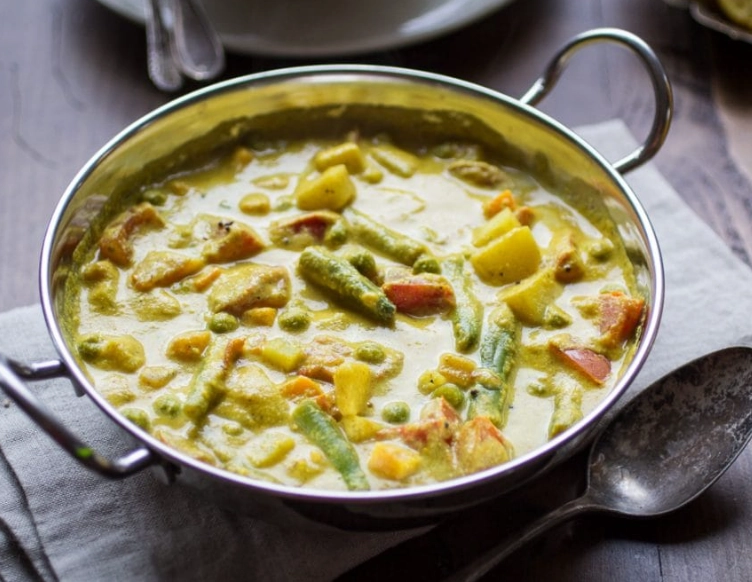
Why Indian Vegetarian Food is in a League of Its Own
You might wonder what makes this category so special. For centuries, vegetarianism has been deeply woven into the fabric of many Indian cultures for religious, ethical, and economic reasons. This isn't a modern diet trend; it's a centuries-old culinary tradition that had to be inventive. When you can't rely on meat for flavor, you turn elsewhere. You develop a symphony of spices. You master the art of cooking lentils in a dozen different textures. You learn how to make a humble potato or cauliflower taste profound.
The result? A cuisine where a meatless meal is never seen as missing something. It's complete, satisfying, and packed with more flavor than you can imagine. Every region boasts its own iconic Indian recipes vegetarian staples. From the coconut-rich stews of the south to the hearty breads and dals of the north, the diversity is your playground.
And health-wise, it's a powerhouse when done right. We're talking about fiber-rich legumes, a rainbow of vegetables, complex carbs, and spices loaded with antioxidants. The benefits of traditional plant-based diets are well-documented in scientific literature, and the Indian model is a classic example. Of course, moderation is key—ghee and fried snacks are delicious but best enjoyed as treats.
The Non-Negotiable Pantry Staples
Before we jump to the recipes, let's get your kitchen ready. You don't need a hundred exotic items. Start with these basics. Think of them as your flavor toolkit for all Indian vegetarian recipes.
The Spice Rack Foundation
Buy whole spices where possible and grind them as needed. The flavor difference is night and day. A simple coffee grinder dedicated to spices is a game-changer.
- Cumin Seeds (Jeera): Earthy and nutty. The start of countless dishes.
- Brown Mustard Seeds (Rai): They pop in hot oil, releasing a pungent, sharp aroma. Essential for South Indian tempering.
- Coriander Seeds (Dhania): Citrusy and floral. Almost always used ground, often paired with cumin.
- Turmeric Powder (Haldi): Earthy, slightly bitter, and gives that iconic golden color. Get good quality—cheap turmeric can taste like dust.
- Red Chili Powder: Not just heat. Kashmiri chili powder gives vibrant color with moderate heat, perfect for balance.
- Garam Masala: The "warm spice blend." Don't buy a huge jar; it loses its potency fast. Make a small batch at home or buy from a store with high turnover.
The Pulse & Grain Pantry
This is your protein and heart. Dals (split lentils) and whole legumes are the backbone.
| Ingredient | What It Is | Best For | My Honest Take |
|---|---|---|---|
| Masoor Dal (Red Lentils) | Split red lentils, skin removed. | Quick-cooking dals, soups. Cooks in 20 mins. | The beginner's best friend. Forgiving and fast. Can turn mushy if overcooked. |
| Toor Dal (Pigeon Pea) | Split pigeon peas, yellow color. | The classic "dal" of South India. Sambar. | Needs a pressure cooker for the best texture. Has a distinct, slightly sweet flavor some love and others find strong. |
| Chana Dal (Split Chickpeas) | Split Bengal gram. | Hearty dals, fillings for snacks. | My personal favorite. Holds its shape, nutty flavor. Soak for an hour for even cooking. |
| Basmati Rice | Long-grain aromatic rice. | Biryani, pulao, simple steamed rice. | Wash it until the water runs clear. Soak for 20-30 minutes for longer, fluffier grains. Non-negotiable for certain dishes. |
You'll also want chickpea flour (besan) for making pakoras and batters, and maybe some dried kidney beans (rajma) for that classic Punjabi dish.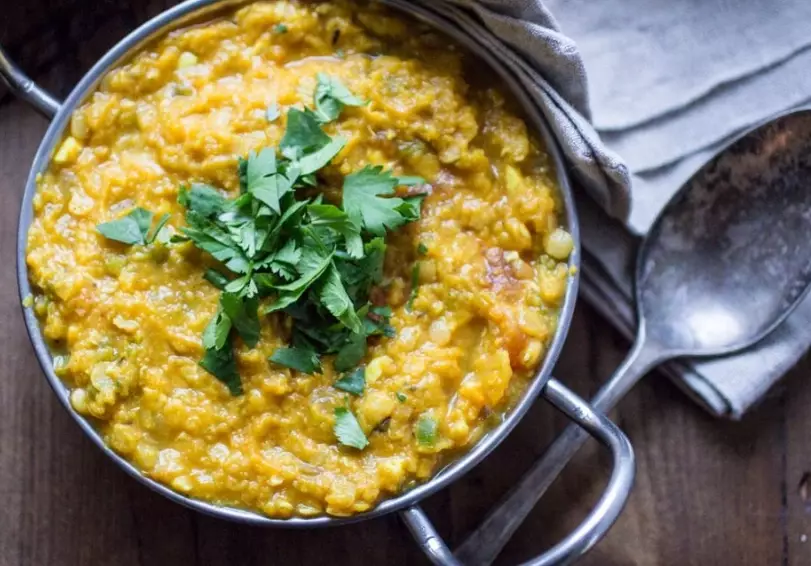
The Fresh Stuff
Onions, tomatoes, ginger, garlic, and fresh green chilies. These form the "wet" base (the *masala*) for probably 70% of the dishes you'll make. Use fresh ginger and garlic, pastes from a jar often have a metallic aftertaste that can ruin a delicate dish. Trust me on this one.
Cooking Techniques That Make All the Difference
Okay, you've got the stuff. Now, how do you use it? These methods are the verbs of Indian cooking.
Tempering (Tadka/Chaunk)
This is arguably the most important technique. It's the process of frying whole spices in hot oil or ghee to release their essential oils, then pouring this sizzling, fragrant oil over a finished dish like dal or yogurt. It's the final flourish that elevates something simple to spectacular. The oil carries the spice flavor throughout the dish instantly.
Typical tempering spices: cumin seeds, mustard seeds, dried red chilies, curry leaves, asafoetida (hing). Heat the oil until it shimmers, add the spices, and they should sizzle and pop within seconds. If they burn, you've gone too far—start over. Burnt spices are bitter and will ruin your food.
The Onion-Tomato Base (Masala)
So many Indian recipes vegetarian start here. The goal is to cook the onions slowly until they are deeply golden brown and sweet, not just translucent. This can take 15-20 minutes on medium-low heat. Rushing this step is the number one reason homemade curries taste "raw" or lack depth. Then you add ginger-garlic paste, cook until the raw smell disappears, then add tomatoes and cook until the oil starts to separate from the mixture. This oil separation is a key visual cue—it means the tomatoes have cooked down thoroughly and the masala is ready.
Dry Roasting Spices
For making your own spice blends or for certain dals, dry roasting whole spices in a pan until fragrant (before grinding) deepens their flavor immensely. It brings out nutty, toasty notes. Just keep the heat medium-low and keep them moving. They can go from perfect to burnt in moments.
These techniques aren't hard, but they require attention. Put on some music, don't try to multitask, and just be present with the pan. It's almost meditative.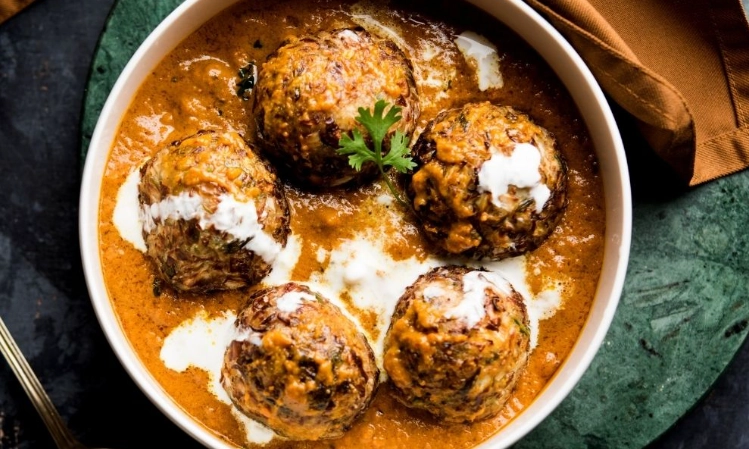
Top Indian Vegetarian Recipes You Absolutely Must Try
Let's get to the good part. Here are some foundational dishes. I'm not just giving you a recipe list; I'm giving you the *why* behind each one and the little tweaks that make them sing.
The Ultimate Comfort Food: Creamy Dal Makhani (Well, Almost)
The restaurant version is loaded with butter and cream. A brilliant, decadent dish. But at home, you can make a stunningly flavorful, rich-tasting version that's much lighter. The trick? Time. You use whole black lentils (urad dal whole) and kidney beans, simmer them for ages (or use a pressure cooker), and finish with just a touch of cream or even a splash of milk and a knob of butter. The creaminess comes from the lentils breaking down. It's a weekend project, but so worth it. Serve it with naan or jeera rice. This is the kind of Indian vegetarian recipe that makes you forget all about meat.
The Weeknight Hero: Chana Masala
Chickpeas in a tangy, spicy gravy. This is possibly the most popular Indian vegetarian recipe globally for a reason. It's cheap, healthy, filling, and comes together in under 30 minutes if you use canned chickpeas. The key is the sour note. Restaurants use dried mango powder (amchur). If you can't find it, a squeeze of lemon juice at the very end works beautifully. Don't skip the step of mashing a few chickpeas into the gravy—it thickens it naturally and makes it cling to the rest of the chickpeas. Serve with rice or puri.
I once made this for a potluck, and a friend who claimed to hate chickpeas asked for the recipe. The secret was a pinch of black salt (kala namak) at the end—it adds a subtle, sulfurous depth that mimics the complexity of long-simmered spices.
The Flavor Bomb: Aloo Gobi
Potatoes and cauliflower. Sounds simple, even boring. It is anything but. This North Indian classic is a masterclass in seasoning. The potatoes soak up the turmeric and cumin, the cauliflower gets tender but still has bite, and the fresh cilantro and green chilies at the end brighten everything up. The trick is to get some color on the cauliflower florets. Don't stir it constantly; let it sit in the pan for a minute to get those little golden-brown spots. That's where the flavor is.
It's a dryish dish, not a curry. Perfect with roti or paratha and a side of yogurt. It’s also a fantastic filling for wraps the next day.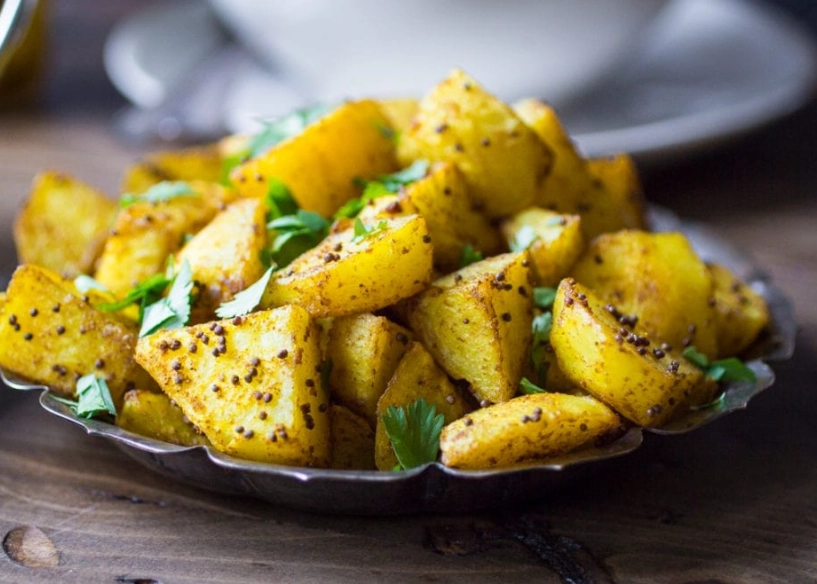
The South Indian Staple: Sambar
If you've never had sambar, you're missing out. It's a tangy, spicy lentil and vegetable stew from South India, flavored with a special spice blend (sambar powder) and tamarind. It's eaten for breakfast, lunch, and dinner with rice, idli, or dosa. The vegetables can be anything—drumsticks, eggplant, pumpkin, carrots. The complexity comes from the homemade sambar powder (toasted coriander, cumin, fenugreek, dried chilies, etc.) and the tamarind's sourness. It's an explosion of flavors that somehow feels light and nourishing.
You can find a reliable, authentic recipe for sambar and other South Indian classics on BBC Good Food's curated collection, which often features recipes from trusted chefs and cooks.
Navigating Common Challenges & Questions
Building a Complete Indian Vegetarian Meal
You don't need ten dishes. A simple, satisfying meal follows a template.
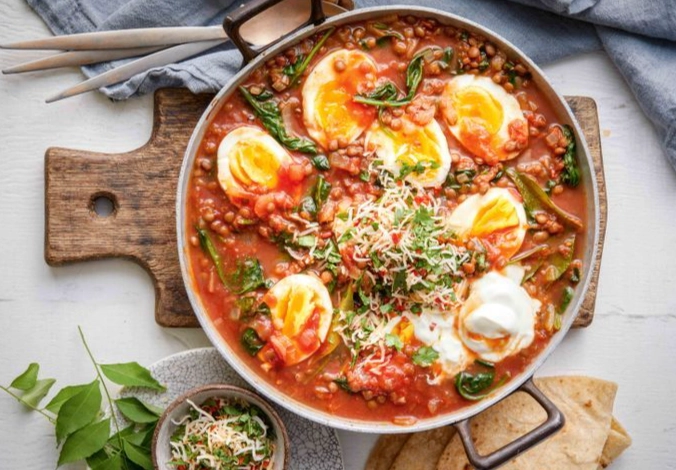
- One Main "Gravy" Dish: Like a chana masala, palak paneer, or mixed vegetable curry.
- One Dry Dish or Dal: Like aloo gobi, okra (bhindi), or a simple yellow dal.
- A Carb: Steamed basmati rice, jeera rice, or a stack of fresh rotis/parathas.
- A Refresher: A simple raita (yogurt with cucumber/mint) or a small salad (kachumber).
- Optional Extras: A pickle (aachar) for a punch of sour/spicy, and maybe some papadum for crunch.
Start with this framework. For a weeknight, even just one main dish with rice and raita is a fantastic meal. The beauty of these Indian recipes vegetarian is their modularity.
My Personal Journey & A Few Hard Truths
I didn't grow up cooking this food every day. I learned out of craving and curiosity. And I made every mistake. I've added yogurt to a hot curry without tempering it first (it curdled into a grainy mess). I've burned an entire tempering of mustard seeds because I answered a text. I've undersalted a biryani, rendering hours of work bland.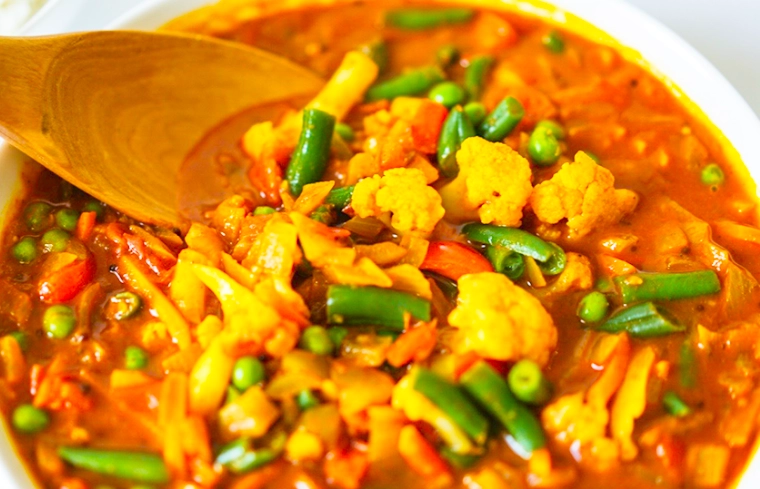
It's okay. You learn.
One hard truth? Not every recipe you find online is good. Some are overly simplified to the point of being inaccurate. Look for recipes from sources that explain the *why*, not just the *what*. And taste, taste, taste as you cook. Your palate is your best tool.
Another? Authenticity is a fuzzy concept. My "authentic" family recipe might be different from yours, even from the same region. Food evolves. Don't get hung up on it. Focus on making food that tastes good to you, using the techniques and spirit of the cuisine as your guide.
Exploring Indian vegetarian recipes has been one of the most rewarding journeys for my kitchen and my taste buds. It turned weeknight dinners from a chore into an adventure. It taught me to respect ingredients and processes. And it gave me a repertoire of dishes that never fail to impress and satisfy, whether I'm cooking for myself or a crowd.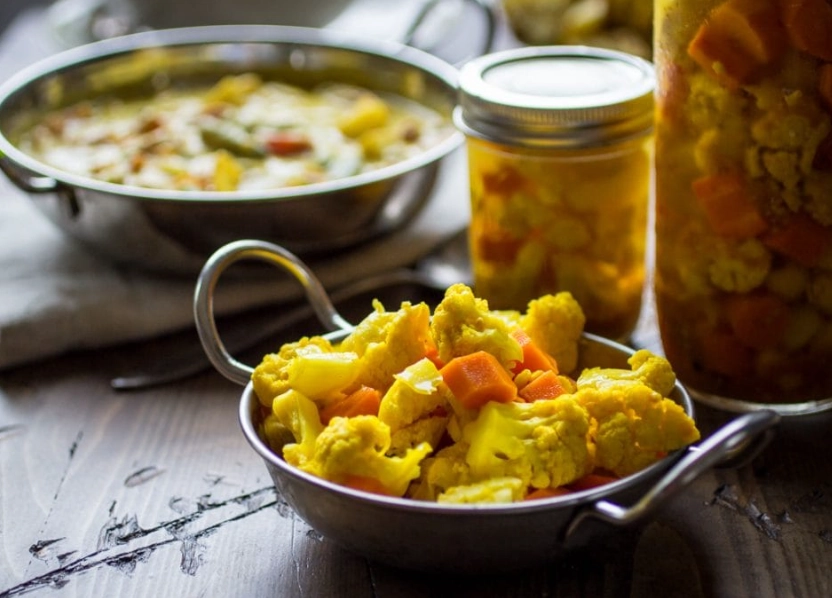
So, grab a pan, heat some oil, and throw in those cumin seeds. Listen to them sizzle. That's the sound of your next great meal beginning.
Discussion