Let's be honest. Most recipes for Indian dahl online are... fine. They get you a edible pot of lentils. But that deep, complex, creamy comfort you get from a good restaurant or an Indian grandmother's kitchen? That often feels out of reach. It shouldn't. After years of trial, error, and more than a few bland pots, I figured out the gap isn't in the ingredients list—it's in the tiny, almost invisible steps most guides skip. This isn't just a recipe. It's a breakdown of why each step matters, so you can make a dahl that's genuinely authentic, not just a pale imitation.
What You'll Find Inside
The Real Spice Rack: What You Actually Need (And What's Optional)
You don't need twenty spices. You need the right six or seven. Here’s the non-negotiable core, based on what's actually used in everyday Indian homes, not just fancy restaurant menus.
Pro Tip: Buy whole spices from an Indian grocery store or online. They're cheaper, stay fresh longer, and the flavor difference is night and day compared to pre-ground spices that have been sitting on a supermarket shelf for months.
| Ingredient | Role & Why It Matters | Can I Skip It? |
|---|---|---|
| Toor Dal (Split Pigeon Peas) | The star. It breaks down into the classic creamy, slightly yellow base. Red lentils work but give a different texture. | No. This is the dahl. |
| Ghee or Neutral Oil | Fat carries flavor. Ghee adds a nutty richness, but avocado oil works. | No. You need fat for the tempering. |
| Cumin Seeds | The earthy, foundational aroma. You toast them whole at the start and end. | No. This is a signature flavor. |
| Turmeric Powder | Adds golden color and a warm, earthy note. It's not just for color. | Technically yes, but your dahl will look anemic. |
| Asafoetida (Hing) | The secret weapon. A tiny pinch adds a savory, umami depth that mimics onion-garlic flavor. Crucial for digestion too. | You can, but you'll miss a layer of complexity. |
| Dried Red Chilies | Provides a subtle heat that infuses the oil, not just spicy bits. | Yes, use red chili powder or fresh green chilies instead. |
| Fresh Ginger & Garlic | Minced or pasted. They form the aromatic base (along with hing). | I wouldn't. They're part of the flavor foundation. |
Notice I didn't list cream or coconut milk. Authentic, homestyle dahl gets its creaminess from the lentils themselves, cooked long enough to break down completely. Adding dairy is a restaurant shortcut, not a rule.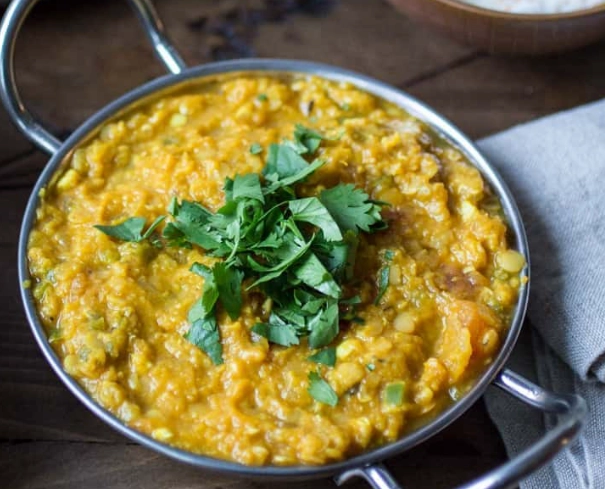
The Cooking Process, Demystified
This is where most recipes fail you. They list steps, but not the reasoning. Follow this thinking cook's guide.
Step 1: Rinse and Soak? The Great Debate
You'll see both instructions. Here's the truth: rinsing is mandatory to remove dust. Soaking for 30 minutes can speed up cooking, but it's not essential for split lentils like toor dal. If you're using a pressure cooker, skip the soak. If you're using a regular pot, a quick soak helps. The real goal is to get rid of any foam that rises during the first boil—just skim it off.
Step 2: How to Cook Lentils Perfectly for Dahl
Pressure Cooker/Instant Pot: 1 cup dal to 3 cups water, a pinch of turmeric, and 1 tsp oil (prevents frothing). High pressure for 6-8 whistles or 15 minutes, natural release. They should be utterly soft and mushy.
Regular Pot: Same ratio. Bring to a boil, skim foam, reduce to a simmer, partially cover. Cook for 45-60 minutes, stirring occasionally. Add hot water if it gets too dry. Don't add salt yet—it can toughen the lentils.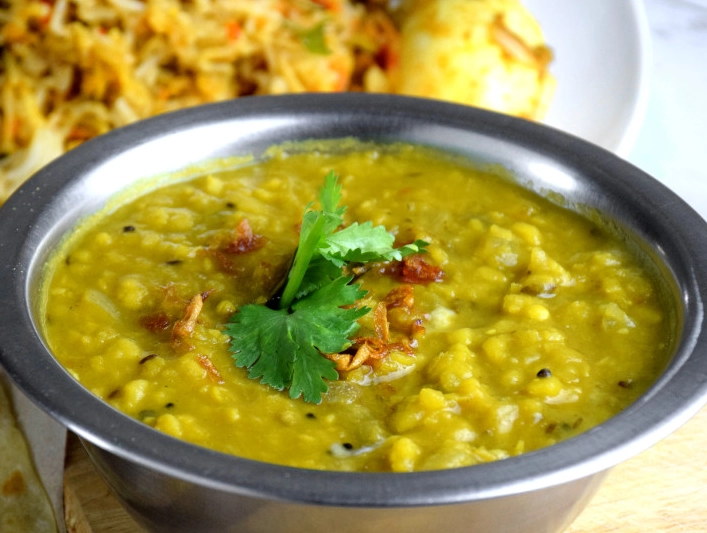
Biggest Texture Mistake: Undercooking the lentils. They need to lose their individual shape and become a homogeneous, thick mass. If you can still see distinct lentil halves, keep cooking.
Step 3: Building the Flavor Base (The "Tadka")
This is the magic. In a small pan, heat 2 tbsp ghee or oil over medium heat. Add 1 tsp cumin seeds and let them sizzle for 10 seconds. Add 2 dried red chilies, a big pinch of asafoetida, and let it all fry for another 20 seconds until incredibly fragrant. Now add 1 tbsp each of minced ginger and garlic. Fry for a minute until the raw smell disappears.
Pour this entire spiced oil mixture into the pot of cooked lentils. It will sizzle dramatically—that's good. This technique, called chaunk or tadka, blooms the spices in fat and infuses the entire dish. Stir it in well.
Step 4: The Final Simmer & Seasoning
Now add salt to taste (start with 1 tsp). Add water if needed to reach your preferred consistency—it should be thick but pourable, like a hearty soup. Let it simmer together, uncovered, for 5-10 minutes. This is when the flavors marry. Finish with a squeeze of fresh lemon juice and chopped cilantro. The acid brightens everything up.
The 3 Mistakes That Ruin Your Dahl (And How to Fix Them)
I've made all of these. Learn from my failures.
1. Adding salt at the beginning. It seems logical, but salt can prevent lentils from softening fully during the long cook. Always salt after they are completely tender.
2. Not cooking the spice base long enough. If you dump ground spices into water, they taste raw and dusty. You must fry them in fat, even if just for 30 seconds. That heat transforms them.
3. Being afraid of fat. A tablespoon of ghee isn't going to hurt you, and it's essential for carrying the flavors of the cumin, hing, and chilies. Using a miserly amount of oil is a sure path to bland dahl.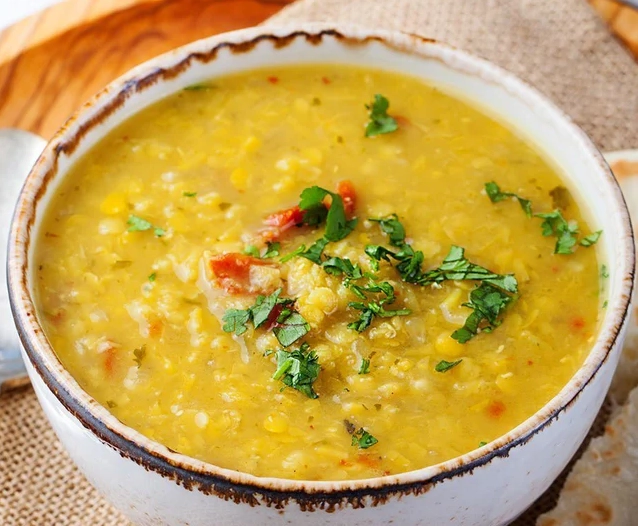
Beyond the Basic: Regional Twices to Try Once You've Mastered It
Once you have the basic template down, the world of dahl opens up. Here are two iconic variations:
Dal Makhani: The rich, restaurant favorite. Uses whole black lentils (urad dal) and kidney beans, simmered for hours with butter and cream. A project, but worth it.
Gujarati Dal: Sweet, sour, and spicy. A touch of jaggery or sugar and more lemon juice or dried mango powder (amchur) define it. It's lighter and more brothy.
Spinach Dal (Palak Dal): Stir in a couple of handfuls of chopped fresh spinach during the final simmer. It wilts down and adds color and nutrients.
How to Serve It & Keep It Fresh
Dahl is the ultimate team player. Serve it with steamed basmati rice or warm roti/naan. A side of pickle (achar) and some raw onion slices cut the richness perfectly.
It stores incredibly well. Cool it completely and keep it in the fridge for 4-5 days. It thickens, so thin it with a little water when reheating. It also freezes for months. Reheat gently on the stove—the microwave can make the texture grainy.
Honestly, the best part? It tastes even better the next day.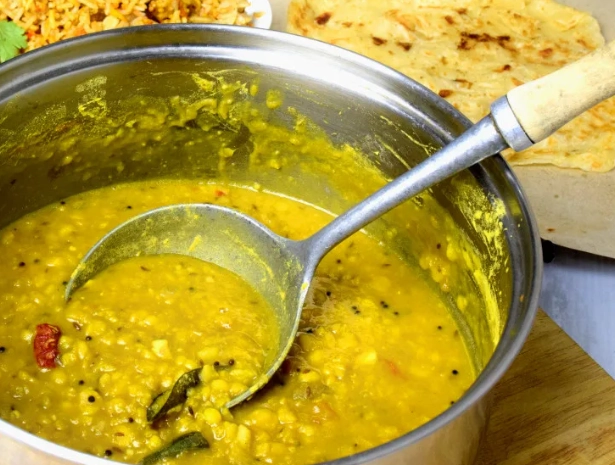
Discussion