What You'll Learn in This Guide
That drawer full of little jars can look like a chemistry set. Turmeric, cumin, coriander, garam masala—what do they even do? Most beginner guides just list spices and their "earthy" flavors. Not helpful. I remember my first attempt at a potato curry. I added a bit of everything from my new spice box. The result was a muddy, bitter mess that tasted like dirt. I almost gave up.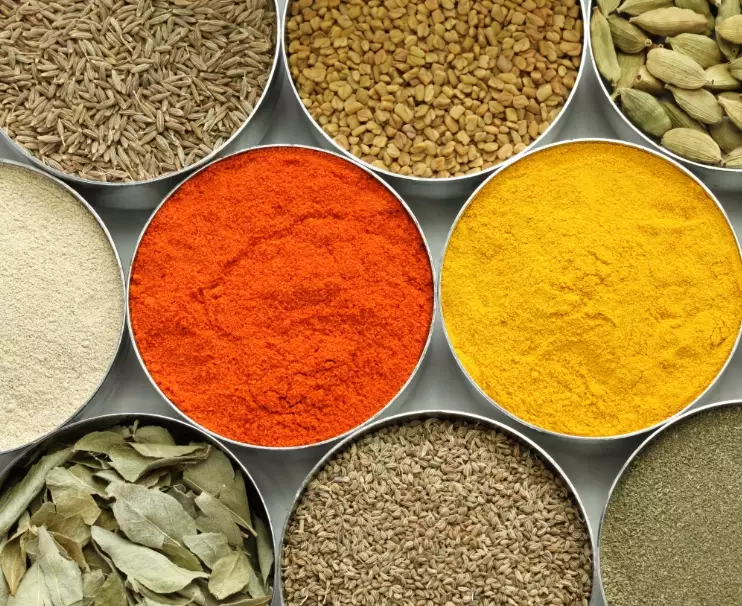
It doesn't have to be that way. Cooking with Indian spices is about layering and technique, not dumping. This guide is different. We'll cut through the noise and focus on what you actually need to know to start cooking with confidence, not confusion.
Your First Indian Spice Kit: 6 Essential Spices
Forget buying twenty jars at once. Start with these six. They're the workhorses. With these, you can cook 80% of the beginner-friendly Indian recipes out there.
| Spice | What It Looks/Smells Like | Its Job in Your Food | Get It As... |
|---|---|---|---|
| Turmeric (Haldi) | Bright yellow powder, earthy, slightly bitter scent. | Adds golden color and a warm, earthy base note. It's not for heat. | Ground. Whole turmeric root is great but a second-step purchase. |
| Cumin (Jeera) | Tiny brown seeds or ground brown powder. Smells warm, nutty, smoky. | The backbone. Provides a toasty, warming foundation for almost everything. | Both. Seeds for tempering, ground for mixing into masalas. |
| Coriander (Dhania) | Golden-brown seeds or light brown powder. Smells citrusy, floral, sweet. | The balancer. It rounds out sharp flavors and adds a fresh, lemony brightness. | Ground. Seeds are important but less frequently used by beginners. |
| Garam Masala | Dark brown powder. A warm blend smelling of cinnamon, cardamom, cloves. | The finisher. Added at the END of cooking for a burst of complex, sweet warmth. | A pre-made blend. Making your own is advanced. Find a good brand. |
| Red Chili Powder | Bright red powder. Heat level varies wildly. | Provides heat and color. Not to be confused with sweet paprika or cayenne. | Ground. Look for "Kashmiri chili powder" for medium heat and great color. |
| Mustard Seeds (Rai) | Tiny, hard yellow or black seeds. They don't smell like much until heated. | The pop of flavor. Used for "tadka" (tempering) to add a nutty, pungent punch. | Whole seeds. Yellow or black both work; black is more common. |
Pro-Tip on Heat: "Red chili powder" is generic. If you see "Kashmiri chili powder," grab it. It gives a vibrant red color without insane heat, perfect for beginners. If you only find generic, start with a quarter teaspoon and taste.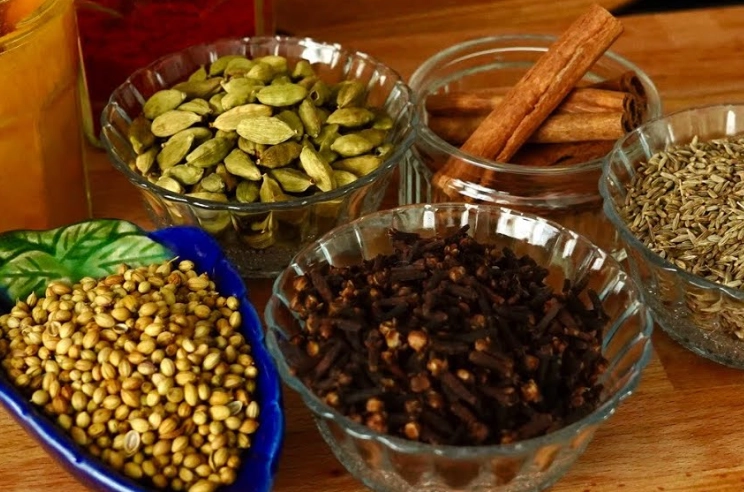
What About Curry Powder?
Let's clear this up now. Curry powder is not a traditional Indian spice. It's a British invention meant to mimic Indian flavors. It often contains turmeric as a primary ingredient, which turns everything a uniform yellow. In authentic Indian cooking, we use individual spices or specific blends like garam masala. Think of curry powder as a convenient shortcut for a different style of cooking. For this guide, focus on the six spices above.
How to Actually Use Indian Spices (Without Burning Them)
Knowing the spices is half the battle. The other half is technique. This is where most beginners trip up.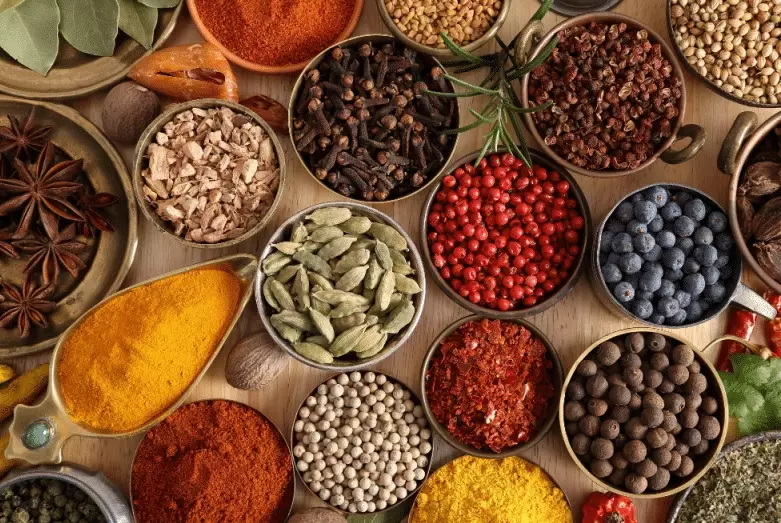
The Two Golden Rules of Spice Cooking
1. Whole Spices Need Heat to Wake Up. You don't just toss mustard seeds into cold oil. Heat your oil (ghee or neutral oil) over medium heat until it shimmers. Then add whole spices like cumin or mustard seeds. They should sizzle immediately. Cook for 30-60 seconds until the cumin seeds darken a shade and you smell their aroma. This process is called "tadka" or tempering, and it unlocks the essential oils.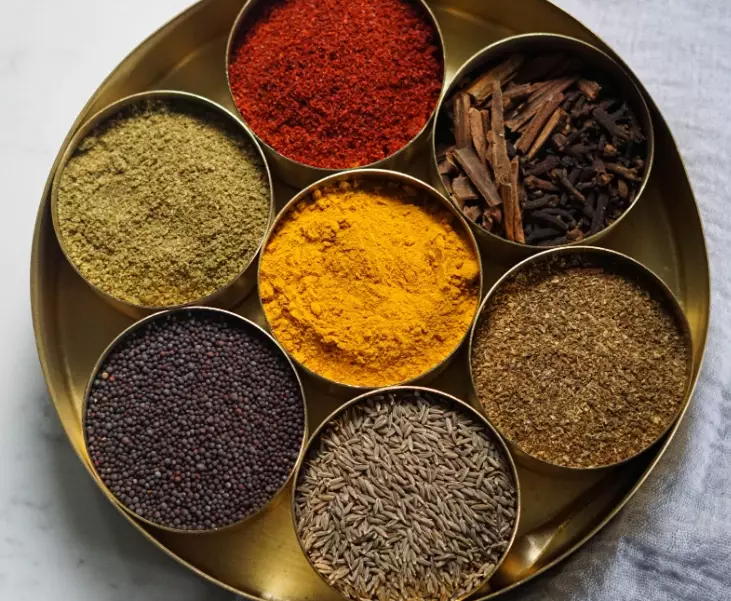
2. Ground Spices Need to Cook, Not Burn. After your whole spices have crackled, you often add ground spices (turmeric, coriander, chili powder). Here's the critical part: the pan shouldn't be screaming hot. Reduce the heat to medium-low. Add the ground spices and stir CONSTANTLY for about 60 seconds. You're "cooking out" the raw flavor. If they stick or smell acrid, the heat's too high. Add a splash of water or your main ingredient (onions, tomatoes) quickly to stop the cooking.
The #1 Mistake I See: Adding all the spices at the same time to a hot pan. Ground spices burn in seconds. Whole spices need longer. Sequence matters. Whole spices first (in hot oil), then ground spices (in slightly cooler oil), then liquids or vegetables.
A Simple Practice Recipe: The Tempered Dal
This is your training wheels exercise. Cook a cup of red lentils (masoor dal) in 3 cups of water with a pinch of turmeric and salt until mushy. In a separate small pan, heat 2 tablespoons of ghee or oil. Add 1 tsp mustard seeds. When they pop, add 1 tsp cumin seeds. Let them sizzle for 30 seconds. Add 2 dried red chilies and a pinch of asafoetida (if you have it). Pour this sizzling, fragrant oil mixture over the cooked lentils. That's it. You've just mastered "tadka." The flavor transformation is unbelievable.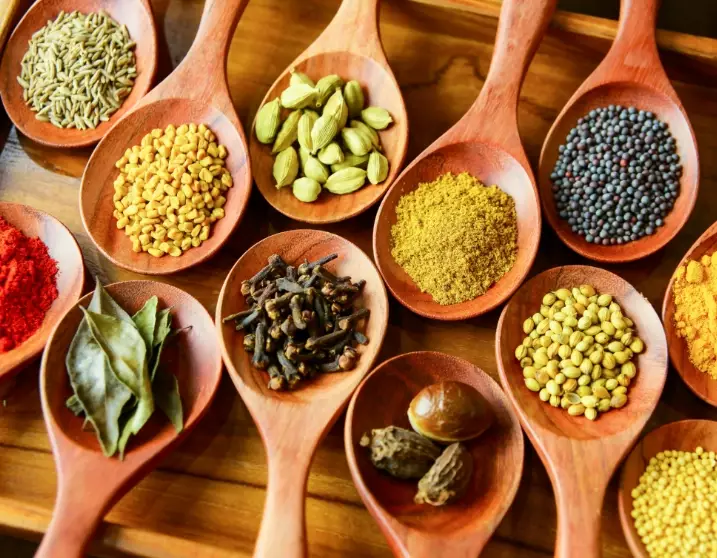
Spice Storage & Buying: The Lifespan No One Talks About
Those spices in your supermarket? They might already be dead. Spices have a shelf life, and ground spices fade fastest.
Where to Buy:
- Local Indian Grocery Store: The best option. High turnover means fresh stock. You can buy small quantities.
- Online Retailers: Specialty spice shops online (like Spicewalla, The Spice House) are excellent for quality.
- Supermarkets: Okay for your first tiny jar to experiment, but check the packaging date if possible.
How to Store Them (This is Non-Negotiable): Heat, light, and air are the enemies. Never keep your spice jars next to the stove. Get opaque, airtight containers. Amber glass jars are ideal. Keep them in a cool, dark cupboard.
The Freshness Test: Open the jar and take a deep sniff. Does it smell vibrant and strong, or faint and dusty? Your nose knows. Ground cumin should smell pungent and almost smoky. If it smells like nothing, it is nothing. Whole spices last longer—1 to 2 years. Ground spices are best within 6 months to a year.
Your Spice Questions, Answered
Start with your six spices. Practice the tempering technique with some lentils. Pay attention to the smells. You'll start to recognize the moment the cumin is perfectly toasted, the garam masala hits the hot oil. It's a skill, not magic. And it's one that will transform your cooking far beyond just Indian food.
That drawer will stop being intimidating and start being your playground.
Discussion