Let's be honest. The thought of cooking a proper South Indian meal on a Tuesday night can feel overwhelming. The tempering, the grinding, the multiple components... it's easier to just order in. But what if you could have the vibrant flavors of sambar, coconut chutney, and a comforting vegetable curry ready to go, making your weeknights a breeze? That's the magic of South Indian meal prep. It's not about bland, repetitive containers. It's a smart system for building authentic, healthy meals that actually taste better as the days go by.
Your Quick Jump Menu
Why South Indian Food is a Meal Prep Superstar
Most cuisines have dishes that fall apart upon reheating. South Indian food is different. The core components are built to last. Lentil-based dishes like sambar and rasam develop deeper flavor over 1-2 days. Coconut chutney holds up beautifully. Dry vegetable stir-fies (poriyal) retain their texture. The key is understanding which elements to cook fresh (like tempering for rice) and which to make in bulk.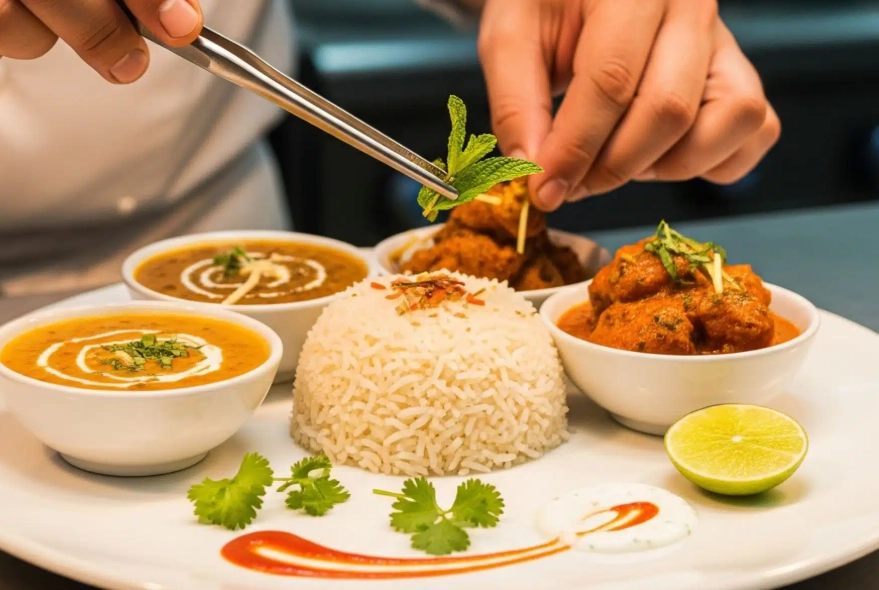
Think of it as building blocks: a protein-rich lentil stew, a flavorful chutney, a grain, and a vegetable dish. Mix and match through the week. You're not eating the same plate every day; you're creating variations.
How to Plan Your South Indian Meal Prep Week
Don't try to prep seven different curries. You'll burn out. The strategy is to prep 2-3 cornerstone items that can be paired with quickly assembled fresh elements.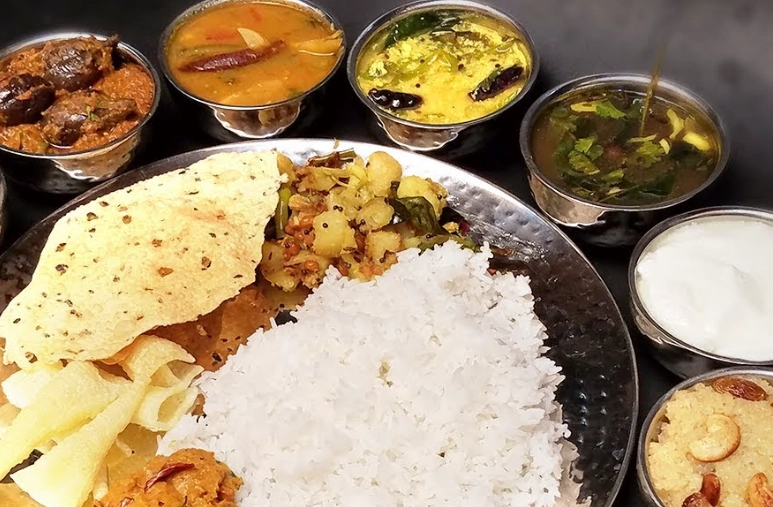
Here’s a realistic Sunday plan that sets you up for 4-5 dinners:
- Batch Cook (90 mins): A large pot of Sambar, a batch of Coconut Chutney, and one dry vegetable dish (e.g., Cabbage Poriyal).
- Fresh Each Night (10 mins): Cook rice, prepare a simple tadka (tempering with mustard seeds, urad dal, curry leaves) to pour over the rice or sambar when serving, maybe slice some onions and cucumbers for a side salad.
This balance is crucial. The heavy lifting is done. The fresh elements added just before eating bring life and aroma to the meal, defeating that "leftover" feeling.
The Foundation: Essential South Indian Meal Prep Recipes
These two recipes are your workhorses. Master them, and your meal prep is 80% done.
Sambar (Lentil Stew)
Sambar is the ultimate meal prep dish. It freezes well, tastes better on day two, and is packed with plant-based protein from toor dal (pigeon peas).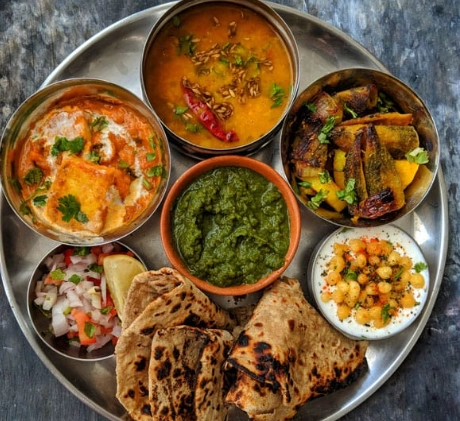
The Non-Consensus Point: Most blogs tell you to use any lentil. Don't. For authentic flavor and the right consistency that holds up for days, Toor Dal (split pigeon peas) is non-negotiable. Masoor dal turns mushy, and moong dal creates a different texture profile. Stick with toor dal.
My Big-Batch Simplified Sambar:
- Cook the Dal: Pressure cook 1.5 cups toor dal with 4 cups water, 1/2 tsp turmeric, until very soft (about 6-7 whistles). Mash it well.
- Cook the Veggies: In a large pot, add 3 cups of mixed vegetables (drumsticks, carrots, pumpkin, eggplant), 1 large chopped tomato, 2 cups water, and salt. Boil until tender.
- The Flavor Base: Add the mashed dal to the veggies. Dilute 3-4 tbsp of good quality sambar powder (I prefer Eastern or homemade) in 1/2 cup water, add to pot. Add a marble-sized ball of tamarind pulp dissolved in 1 cup water. Simmer for 15 mins.
- The Tempering (Tadka): In a small pan, heat 2 tbsp oil. Add 1 tsp mustard seeds, 1 tsp cumin seeds, a pinch of asafoetida, 2 dried red chilies, 10-12 curry leaves. Pour this sizzling oil over the sambar. Stir.
This makes about 6-8 servings. Let it cool completely before portioning.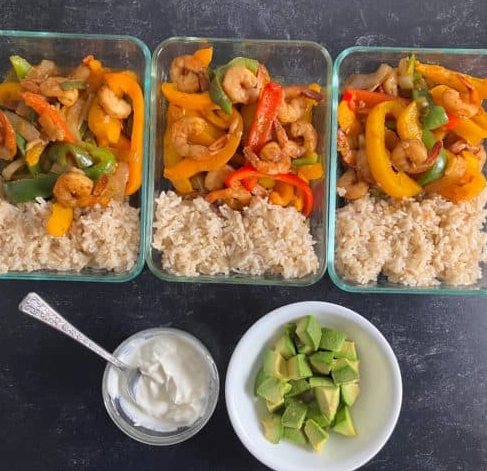
Coconut Chutney
This is your flavor bomb. It adds a creamy, tangy element that elevates simple rice and sambar.
The Trick: Prep the base but add the tempering fresh each day. The base (coconut, chilies, ginger, roasted chana dal) keeps for 4-5 days. The tempering (mustard seeds, urad dal, curry leaves in oil) takes 2 minutes and makes it taste just-made.
Assembly, Storage & Your Weekly Lunch Game Plan
Here’s how it all comes together. I use a simple table to visualize the week—it keeps things flexible.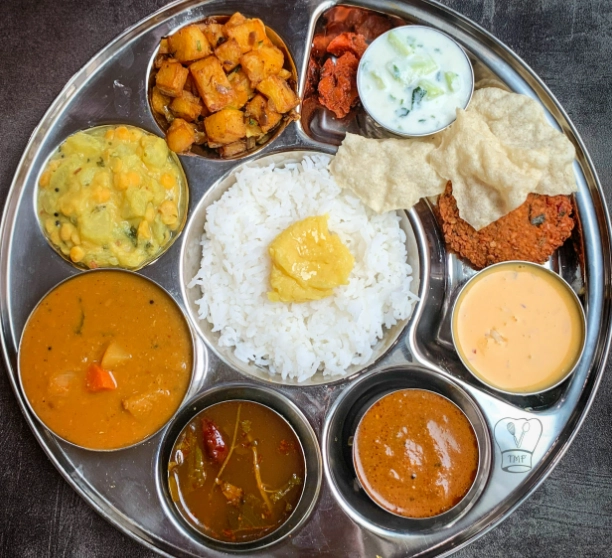
| Day | Grain (Fresh) | From Your Prep | Fresh Add-On |
|---|---|---|---|
| Monday | White Rice | Sambar, Cabbage Poriyal | Coconut Chutney with fresh tadka, papad |
| Tuesday | Lemon Rice (use Monday's leftover rice) | Sambar on the side | Yogurt raita |
| Wednesday | Fresh Rice | Sambar (reheated with a splash of water) | Quick tomato-onion salad, reheated Poriyal |
| Thursday | Quinoa or Millet | Sambar as a stew | Fresh Coconut Chutney tadka, avocado slices |
| Friday | Dosa or Idli (batter made or store-bought) | Sambar for dipping, leftover chutney | Potato masala (quick to make fresh) |
See the pattern? The prepped sambar is the constant, but the experience changes daily. This is how you avoid burnout.
Storage Rules:
Sambar & Curries: Store in airtight containers in the fridge for up to 4 days. For longer, freeze in portions. Thaw overnight in the fridge.
Chutney Base: Store in a glass jar, with a thin layer of water on top to prevent browning. It lasts 4-5 days.
Dry Veggie Dishes: 3-4 days in the fridge.
Pro Tips & The One Mistake Everyone Makes
After years of trial and error, here's what most guides don't tell you.
1. The Layered Cook: When making sambar or a curry, don't just dump everything in. Sauté your whole spices first, then your aromatics (onions, ginger), then your ground spices, then your main ingredients. This builds a flavor foundation that survives refrigeration. A study on legume nutrition by the USDA highlights the importance of proper cooking to maximize nutrient availability, and this layered approach does just that.
2. Underseason Slightly: Flavors concentrate in the fridge. If your sambar tastes perfectly salted when hot off the stove, it might be too salty on day three. Season to about 90% of your desired taste.
3. The Big Mistake: Not Re-Tempering. This is the cardinal sin. Reheating your sambar in the microwave and eating it is a disservice. Always reheat it in a pot on the stove. When it's hot, do a mini-tadka: heat a teaspoon of oil/ghee, pop some mustard seeds, throw in a fresh sprig of curry leaves, and pour it in. That fresh aroma and crackle resurrects the entire dish. It's the difference between "leftovers" and a "meal."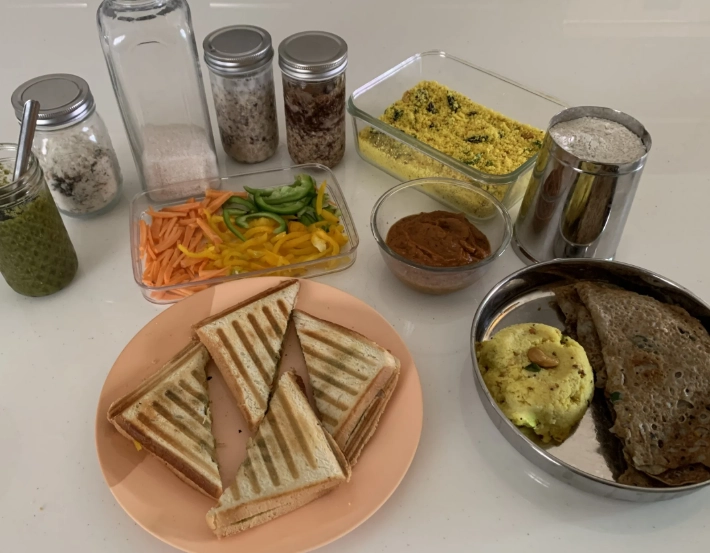
Discussion