Your Quick Guide
Let's be honest. Sometimes, the thought of putting together a vegetarian dinner that's actually exciting can feel like a chore. You stare into the fridge, see some vegetables, maybe some lentils, and your mind just goes blank. Been there, done that. But what if I told you there's a whole culinary world where meat isn't the star, and never has been? That's the magic of Indian cuisine.
Forget the heavy, cream-laden dishes you might get at some restaurants. Real Indian home cooking is a vibrant playground of textures, spices, and simple, wholesome ingredients. It's about making a humble potato or a bowl of chickpeas sing with flavor. This isn't about "substituting" meat; it's about celebrating vegetables, legumes, and grains in their own right. And the best part? Most of these Indian dinner ideas vegetarian families love are surprisingly straightforward once you get the hang of a few basics.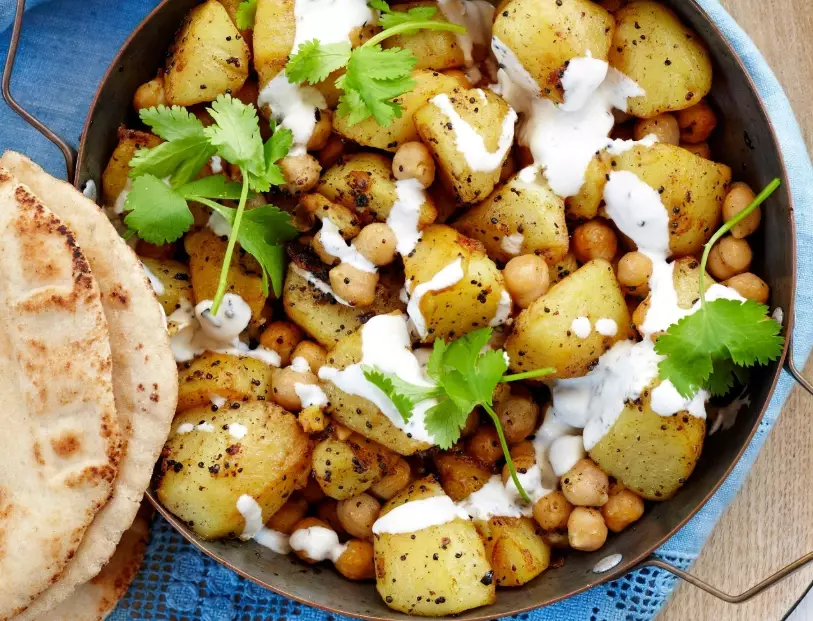
My own journey into this started years ago, after a rather disappointingattempt at a lentil soup that tasted like... well, brown water. A friend's mom showed me how to "tadka" – that sizzling oil infused with spices poured over the top. Game changer. That one technique opened up a universe of flavor. So, if you're looking for Indian vegetarian dinner ideas that are satisfying, nutritious, and far from boring, you're in the right place. We're going to move beyond just a list of recipes and actually build a system for creating amazing meals.
Why Indian Food is a Vegetarian Powerhouse
You might wonder why Indian cuisine nails the vegetarian game so well. It's deep in the culture. With a significant portion of the population following vegetarian diets for religious, ethical, or economic reasons, centuries of culinary innovation have been dedicated to making plant-based food utterly delicious and nutritionally complete. It's a cuisine built on balance – not just of flavors (sweet, sour, salty, bitter, pungent, astringent) but also of nutrients. A typical plate combines protein-rich lentils or beans (dal), vegetables (sabzi), a carbohydrate like rice or flatbread (roti), and often a yogurt-based side (raita) for probiotics and cooling contrast.
This inherent structure is a gift for anyone planning healthy Indian dinner menus. You're almost guaranteed a balanced meal without overthinking it.
Pro Insight: The secret isn't a million obscure spices. It's often just cumin, coriander, turmeric, and chili powder used well. Master these, and you're 80% there.
The Core Building Blocks of Your Indian Vegetarian Dinner
Think of this like your dinner toolkit. Most Indian meals are built by mixing and matching from these categories. Once you understand them, you can assemble your own Indian dinner ideas vegetarian combos with confidence.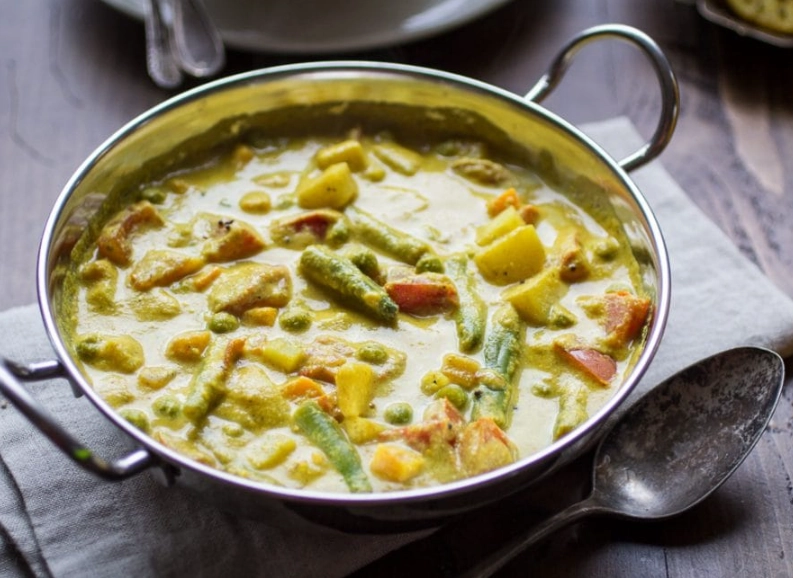
The Protein Anchor: Dals & Legumes
This is the heart of the meal for many. "Dal" refers to both split pulses (lentils, peas) and the stews made from them. They're comforting, filling, and packed with protein and fiber.
- Toor Dal (Split Pigeon Pea): The classic for a smooth, savory dal. A bit nutty in flavor.
- Masoor Dal (Red Lentils): My personal favorite for weeknights. Cooks in under 30 minutes, doesn't require soaking, and has a mild, sweet flavor. Perfect for a quick easy Indian vegetarian recipe.
- Chana Dal (Split Bengal Gram): Heartier and chunkier with a slight sweetness.
- Whole Legumes: Don't forget chickpeas (Chole), kidney beans (Rajma), and black-eyed peas (Lobia). These make for robust, stew-like dishes.
I remember the first time I made Rajma properly – letting it simmer for a long time until the gravy was thick and the beans were melt-in-your-mouth tender. The house smelled incredible. It's a weekend project, but so worth it.
The Vegetable Star: Sabzi
This is where you can really play with the season. A sabzi is a spiced vegetable dish, which can be dry (sukhi) or with a gravy (tari wali).
- Potatoes: Aloo Gobi (potatoes & cauliflower) is a global icon for a reason. Aloo Matar (potatoes & peas) is pure comfort.
- Leafy Greens: Saag (spinach, mustard greens) is nutrient-dense and can be blended into a creamy dish like Palak Paneer (if you eat cheese) or simply spiced with garlic.
- Cauliflower & Cabbage: Great for dry, spiced stir-fry-style dishes.
- Eggplant (Brinjal): Baingan Bharta (smoked, mashed eggplant) has a deep, smoky flavor that's unforgettable.
The technique here is key. Often, you start by tempering spices in hot oil, then add the vegetables to coat and sauté before adding any moisture. This "sears" the spices onto the veg.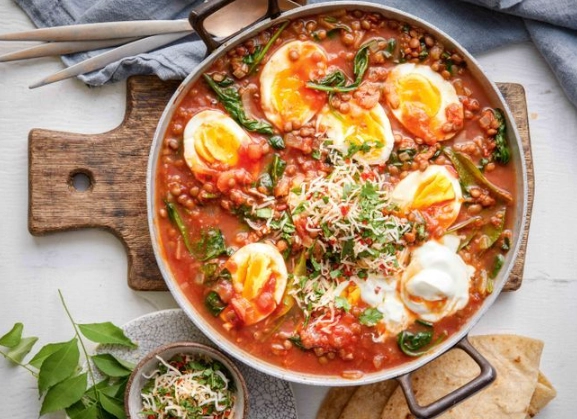
The Supporting Cast: Breads, Rice, & Sides
This is what turns your dal and sabzi into a complete meal.
- Roti/Chapati: Whole wheat flatbreads cooked on a griddle. The everyday staple. Much lighter than naan.
- Rice: Steamed basmati rice is the perfect neutral base for saucy dals and sabzis.
- Raita: A lifesaver. Yogurt mixed with grated cucumber, tomato, or just cumin and salt. It cools the palate if a dish is spicy and aids digestion.
- Simple Salad: Sliced onions, tomatoes, and cucumber with a squeeze of lemon. Crunchy, fresh, and necessary.
A Week of Tried & Tested Indian Dinner Ideas Vegetarian
Okay, let's get practical. Here’s a sample menu plan that balances effort, flavor, and variety. This isn't just a list; it's a blueprint you can adapt.
| Day | Main Dishes (Dal/Sabzi) | Accompaniments | Effort Level & Notes |
|---|---|---|---|
| Monday | Masoor Dal (Red Lentil Stew) & Aloo Gobi (Dry Spiced Potato & Cauliflower) | Steamed Rice, Roti, Onion Salad | Easy. Perfect for a busy start. Both cook in under 45 mins. |
| Tuesday | Chana Masala (Chickpea Curry) – make extra! | Whole Wheat Bun or Rice, Raita | Medium. Incredibly flavorful and even better the next day. |
| Wednesday | Leftover Chana Masala repurposed into wraps with chopped lettuce and mint chutney. | Whole Wheat Wraps/Tortillas, extra salad | Super Easy. A 15-minute meal. No-cook dinner win. |
| Thursday | Moong Dal (Yellow Lentil Soup) with spinach stirred in at the end. | Jeera Rice (Cumin Rice), Papadum | Easy. Light, nutritious, and soothing. The spinach boosts iron. |
| Friday | Vegetable Biryani (One-pot spiced rice with mixed veggies) | Raita, maybe a simple raita | Involved but worth it. A festive, aromatic dish perfect for relaxing into the weekend. |
| Saturday | Rajma (Kidney Bean Curry) – the long-simmered, hearty version. | Steamed Rice, Pickle, sliced red onions | Medium-High (mostly hands-off simmering). Deep, complex flavors develop. |
| Sunday | Quick Stir-fried Okra (Bhindi) & Dal Tadka (Tempered Lentils) | Fresh Roti, Yogurt | Easy/Medium. A classic, light combo to end the week. |
See? It's not about slaving every night. Wednesday's wrap idea is a hack I use constantly. And biryani, while it has steps, is a magnificent one-pot wonder that feels special.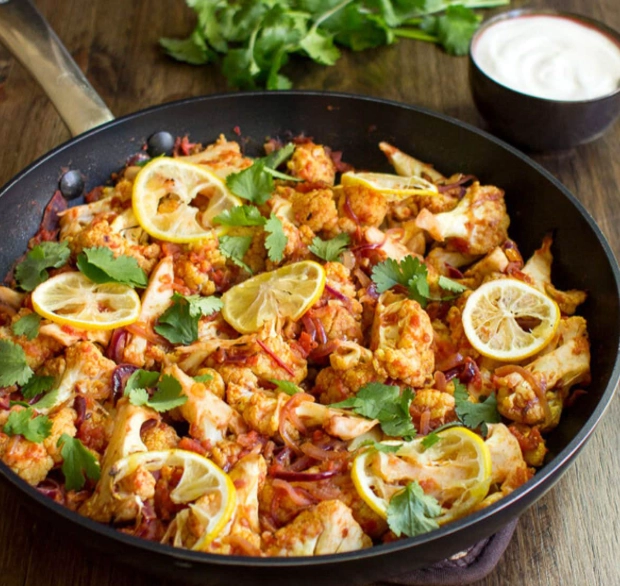
The goal is to have a rhythm: a quicker dal one night, a more substantial bean dish another, and clever uses for leftovers.
Your Spice Rack Simplified: The Non-Negotiables
This is where people get nervous. You don't need 50 jars. Start with these core spices (buy whole where possible, they last longer and taste fresher when ground).
The Essential Five (You can cook 90% of dishes with these):
- Turmeric Powder (Haldi): Earthy, slightly bitter, and gives that golden color. It has anti-inflammatory properties, which is a nice bonus. The National Center for Complementary and Integrative Health has information on its research.
- Cumin Seeds (Jeera): Warm, nutty, and aromatic. The base of countless tempering oils.
- Coriander Powder (Dhania): Citrusy, floral, and sweet. It's the balancing act in most spice blends.
- Red Chili Powder (Lal Mirch): Heat. Adjust to your taste. Kashmiri chili powder gives color with less heat.
- Garam Masala: A warming blend (cloves, cardamom, cinnamon, etc.). Add at the *end* of cooking for maximum aroma.
Store them in a cool, dark place, not above the stove! Heat and light kill their flavor fast. I learned this the hard way – my first garam masala lost its punch in a month because of a sunny cabinet.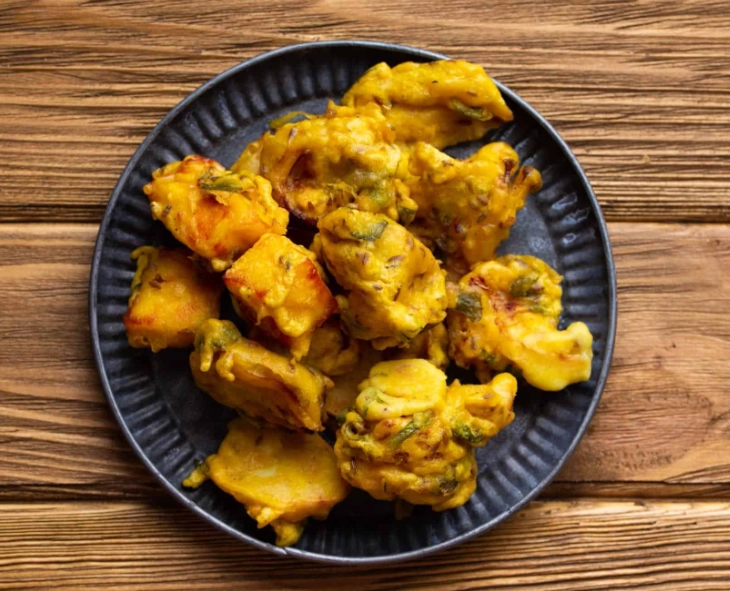
Pro Tips for Flavor & Efficiency (The Real Secrets)
Anyone can follow a recipe. These tips will make your food taste like it was made with experience.
- The Tadka (Tempering) is Everything: Heat oil or ghee, add cumin seeds (let them sizzle), then maybe mustard seeds, dried red chilies, asafoetida (hing), and curry leaves. Pour this sizzling oil over your finished dal or yogurt. It transforms simple food instantly.
- Cook Onions Slowly: For gravies, cook chopped onions on medium-low heat until they are deeply golden, almost caramelized. This is the foundation of flavor. Rushing this step gives you a raw, sharp taste.
- Bloom Your Spices: Add powdered spices (turmeric, coriander) to the hot oil *before* adding wet ingredients like tomatoes or water. Fry them for 30 seconds. This "blooms" their oils and removes any raw taste.
- Batch Cook & Freeze: Dal and bean curries freeze beautifully. Make a double batch of Chana Masala or Rajma and freeze half. Future-you will be grateful on a hectic Tuesday.
- Don't Skip the Acid: A squeeze of lemon juice or a sprinkle of amchur (dry mango powder) at the end brightens the whole dish. It's the final touch that makes flavors pop.
Is it starting to feel less mysterious? Good. It's just a series of small techniques.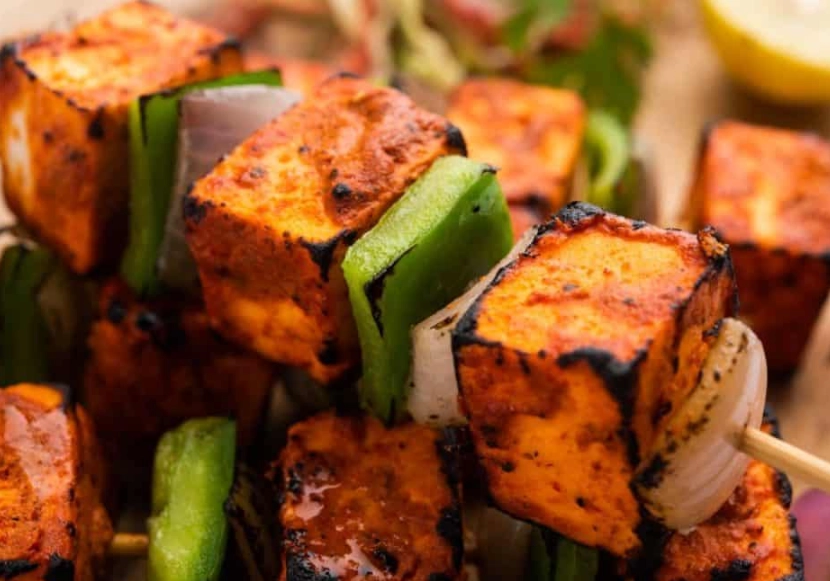
Answering Your Burning Questions (FAQs)
I'm new to this. What's the absolute easiest Indian vegetarian dinner idea to start with?
Hands down, Masoor Dal (red lentil dal) with steamed rice and a simple raita. Red lentils cook quickly, don't need soaking, and are very forgiving. Follow a basic recipe, nail the final tadka (tempering), and you'll have a delicious, comforting meal in under 40 minutes. It's the perfect confidence-builder.
How do I make sure my Indian vegetarian dinner is balanced and not just carbs?
Use the classic plate model: 1) A protein source (dal, chickpeas, lentils, paneer if you eat dairy). 2) A generous portion of vegetables (your sabzi). 3) A moderate serving of complex carbs (1-2 rotis or 3/4 cup rice). 4) A side of raita or salad for freshness and probiotics. This structure naturally ensures balance.
Beans and lentils give me... gas. Any tips?
A very real concern! First, soak dried beans/lentils (except red lentils) for several hours, discarding the soaking water. When cooking, add a pinch of asafoetida (hing) – it's a classic digestive aid in Indian cooking. Also, ensure they are cooked until completely tender. Gradually increasing fiber in your diet helps your gut adjust. The USDA's Food and Nutrition Information Center has resources on dietary fiber and gut health.
My family doesn't like spicy food. Can I still make Indian dishes?
Absolutely! "Spicy" in Indian food often means "spiced," not necessarily hot. You control the heat. Use zero or minimal red chili powder. Focus on the aromatic spices like cumin, coriander, and garam masala. Dishes like Jeera Aloo (cumin potatoes), Dal Tadka, and Malai Kofta (if vegetarian) are often mild and flavorful.
What's a good substitute for paneer (Indian cottage cheese) in curries?
For a similar texture that soaks up sauce, extra-firm tofu (pressed and pan-fried) works well. Chickpeas or potatoes are also great hearty alternatives that change the dish but are still delicious. For a richer, creamier element in a sauce like Palak, try blending in a handful of raw cashews soaked in hot water.
Where can I find authentic, reliable recipes?
Look for blogs or YouTube channels by Indian home cooks (not just restaurant chefs). Websites like Veg Recipes of India have an enormous, well-tested collection. For authoritative information on the agricultural products behind the cuisine, the Agricultural and Processed Food Products Export Development Authority (APEDA) under the Indian government provides detailed profiles on various Indian spices.
Honestly, some of the best Indian dinner ideas vegetarian come from improvisation. See what veggies are in season, check your pantry for lentils, and don't be afraid to experiment. That slightly overcooked dal I made last week? I mashed some of the potatoes from the aloo matar into it to thicken it, added a big squeeze of lemon, and it was fantastic. Cooking is like that.
The journey to great Indian vegetarian dinner ideas is about embracing a few techniques and a lot of flavor. Start with one dish, master the tadka, and build from there. Before you know it, you'll be looking at those vegetables in your fridge not with dread, but with possibility.
Discussion