You stand in the aisle of an Indian grocery store, or maybe just the international section of your local supermarket. Jars and bags with unfamiliar names stare back: asafoetida, fenugreek leaves, black cardamom. Recipes online list fifteen different spices for a single curry. It's overwhelming. The question isn't just "what Indian spices do I need?" It's "what do I actually need to start cooking food that tastes good, without wasting money on a cupboard full of stuff I'll use once?"
I remember my first attempt. I bought a pre-packaged "Indian spice kit." Some of those spices are still in the back of my cupboard, untouched. I learned the hard way that you don't need a museum of spices to make delicious food. You need a focused, functional toolkit.
Your Quick Navigation to Indian Spice Mastery
The Non-Negotiable Core Eight Spices
Forget the fifty-item lists. If your kitchen has these eight, you can cook a vast majority of classic Indian dishes—from North Indian butter chicken to South Indian sambar. Think of them as your culinary primary colors.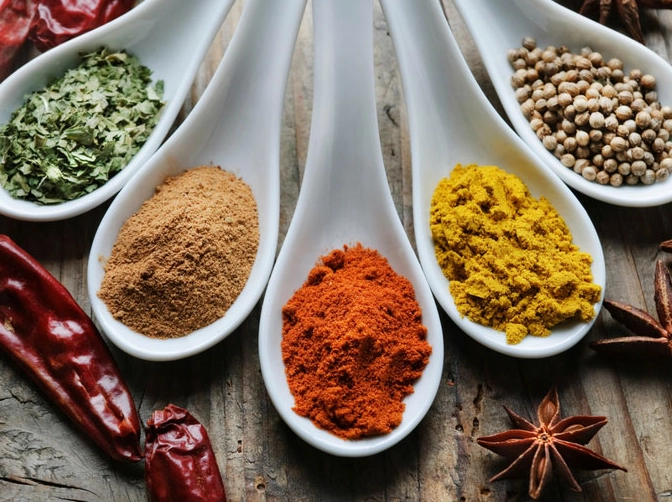
Here’s the breakdown. This table isn't just a list; it's your shopping list and cheat sheet combined.
| Spice (English / Hindi) | Form to Buy | What Does It Taste Like? | What's It For? (The Short Answer) |
|---|---|---|---|
| Cumin Seeds / Jeera | Whole seeds | Earthy, warm, slightly nutty and citrusy when toasted. | The foundational flavor. Used in tadka (tempering) for dals, curries, rice. Ground cumin is also key in spice blends. |
| Coriander Seeds / Dhania | Ground powder (to start), whole seeds later | Light, floral, lemony, and subtly sweet. It's the balancing act. | The most used ground spice. It provides body and rounds out the heat from chilies in almost every curry base. |
| Turmeric Powder / Haldi | Ground powder | Earthy, slightly bitter, peppery. Imparts a vibrant golden color. | Color and base flavor. A pinch in almost every savory dish. Has anti-inflammatory properties (but don't expect it to taste like much on its own). |
| Red Chili Powder / Lal Mirch | Ground powder (Kashmiri for color, regular for heat) | Varies! Kashmiri chili powder is mild, smoky, and vividly red. Regular is hotter. | Heat and color. Pro-tip: Get Kashmiri chili powder. It gives that restaurant-red color without blowing your head off. You can add heat separately with fresh chilies or cayenne. |
| Garam Masala | Ground blend | Warm, complex, slightly sweet—cinnamon, cardamom, cloves, peppercorns. | The finishing touch. Added at the end of cooking or sprinkled on top. It's not a curry powder you fry at the start. |
| Black Mustard Seeds / Rai | Whole seeds | Pungent, nutty, sharp when popped in oil. | Essential for South Indian and Bengali tempering. They "pop" in hot oil, releasing a fantastic aroma for dals, chutneys, and veggie dishes. |
| Green Cardamom Pods / Elaichi | Whole pods | Intensely aromatic, floral, citrusy, and sweet. | Used whole in rice dishes (like biryani) and some curries. The seeds are ground into garam masala. A few pods in your chai is a game-changer. |
| Asafoetida / Hing | Powdered resin (buy the compounded powder, not pure resin) | Pungent raw, but when cooked in oil, it transforms into a savory, garlic-onion flavor. | A secret weapon, especially in Jain or lentil dishes that avoid onions and garlic. A tiny pinch is all you need. Keep it sealed tight! |
A common mistake beginners make? Buying everything pre-ground. Cumin seeds and mustard seeds lose their magic fast when powdered. Buying them whole is cheaper and the flavor payoff is massive. Coriander powder is fine to buy ground, but if you really want to level up, get whole seeds and toast/grind them in small batches.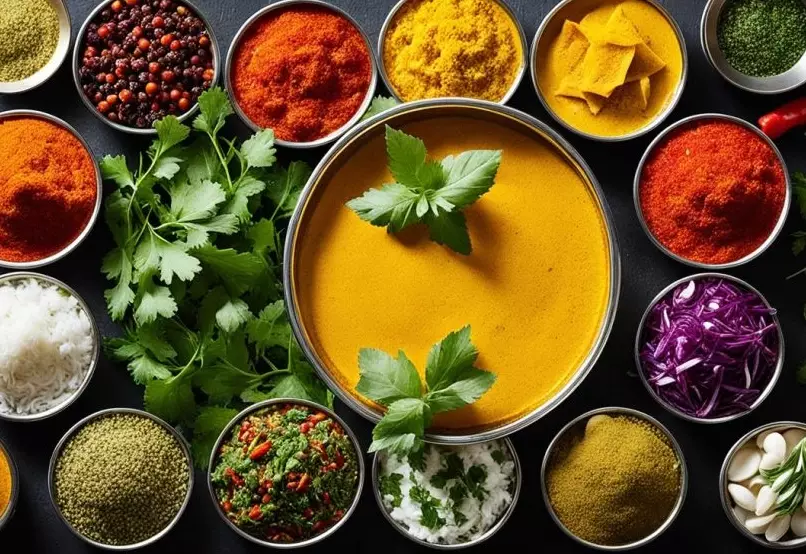
The One Spice You Should Probably Skip (For Now)
Curry powder. I know, it's the most famous one. But here's the non-consensus take: authentic Indian home cooks almost never use a generic "curry powder." The flavor profiles vary too much by region and dish. What you're making is a specific blend each time with your core spices. Buying a premixed curry powder often gives every dish the same generic taste. Learn the core eight, and you'll never need it.
How to Buy and Store Your Indian Spices for Maximum Freshness
Where you buy is as important as what you buy.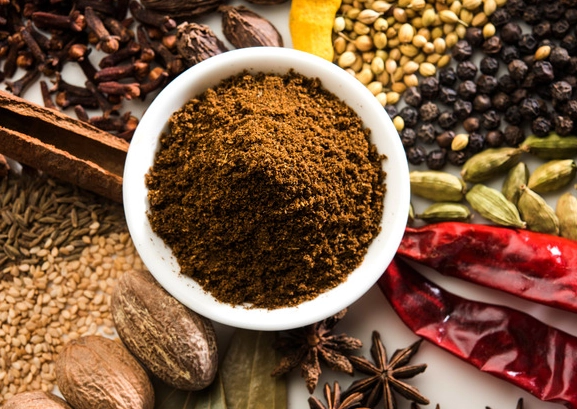
Indian Grocery Stores: The best option. You'll find spices in bulk bins or large plastic bags for a fraction of the cost of little glass jars at regular supermarkets. You can buy exactly the amount you need. The turnover is high, so the spices are fresher. Don't be shy—ask the owner for help. They're usually thrilled to guide a newcomer.
Large Supermarkets: The international aisle will have the basics (cumin, coriander, turmeric) in small jars. It's convenient but expensive per gram. Check the packaging date if possible.
Online Retailers: Great for specific, high-quality brands like MDH, Everest, or Badshah if you don't have a local store. Look for sellers with high turnover.
Storage: Your Battle Against Staleness
Those flimsy plastic bags spices come in? They're the enemy. The moment you get home, transfer your spices to airtight glass jars. Mason jars work perfectly.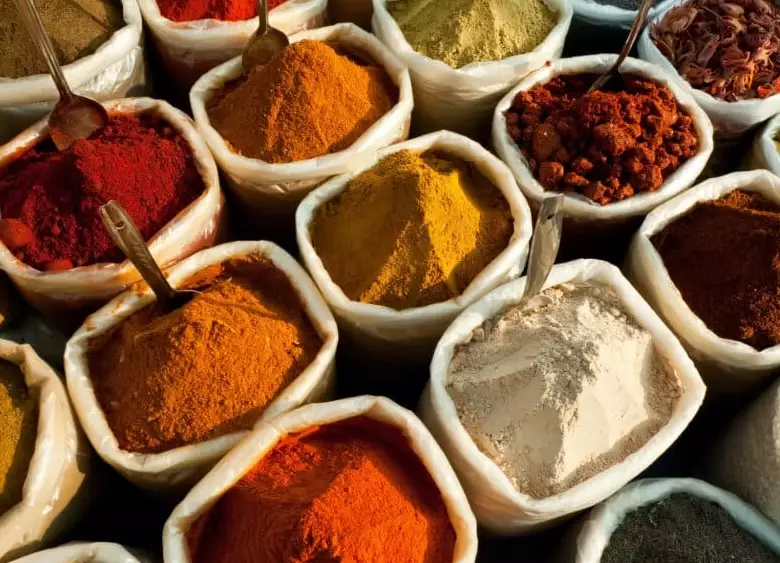
Keep them in a cool, dark cupboard. Not above the stove, no matter how pretty it looks. Heat, light, and moisture are the trio that kills flavor. Whole spices can stay potent for 1-2 years stored well. Ground spices have a shorter life—6 months to a year before they start fading. Your nose is the best test. Smell your coriander powder. Does it smell vibrant and citrusy, or like dusty cardboard?
How Do I Actually Use These Spices? A Beginner's Workflow
Knowing the spices is one thing. Knowing the dance is another. Here’s a simple, almost universal workflow for a basic Indian vegetable curry.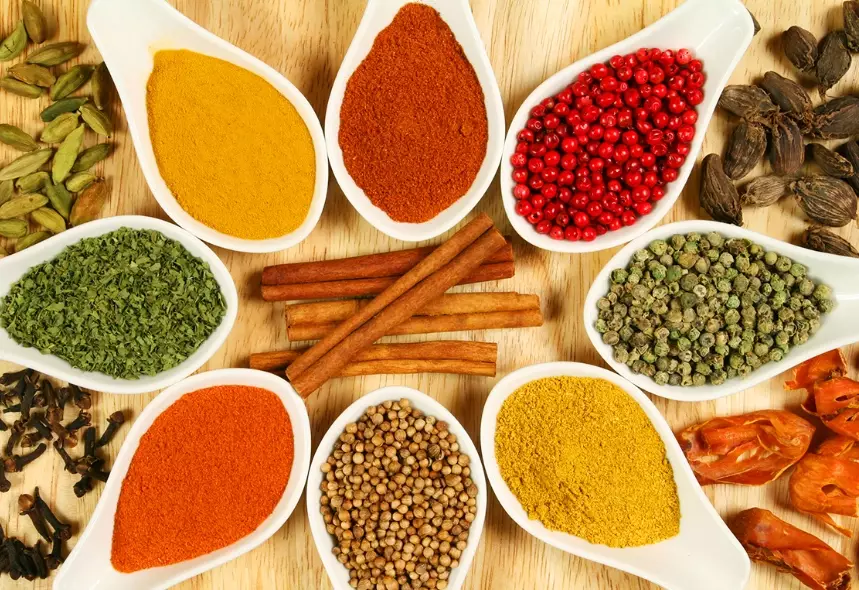
Step 1: The Tempering (Tadka). This is the non-negotiable first step that most beginner recipes under-emphasize. Heat oil or ghee in your pan. Add whole cumin seeds and/or black mustard seeds. Wait for the cumin to sizzle and darken a shade, and the mustard seeds to start popping. This takes 30-60 seconds. This process "blooms" the spices, releasing their essential oils into the fat, which then coats every other ingredient you add. This is the soul of the flavor.
Step 2: The Aromatics. Add onions, ginger, garlic. Let them cook.
Step 3: The Ground Spice Base. Now add your ground warriors: coriander powder, turmeric powder, and red chili powder. Stir constantly for about 30 seconds to a minute. You're toasting them just enough to cook out the raw flavor, but not so long that they burn. If it looks dry, add a splash of water.
Step 4: The Main Event. Add your tomatoes, vegetables, or meat. Stir to coat.
Step 5: The Finish. Once your dish is fully cooked, turn off the heat. Then stir in a teaspoon of garam masala. The residual heat will wake up its aromatics without burning them. This is the final layer of complexity.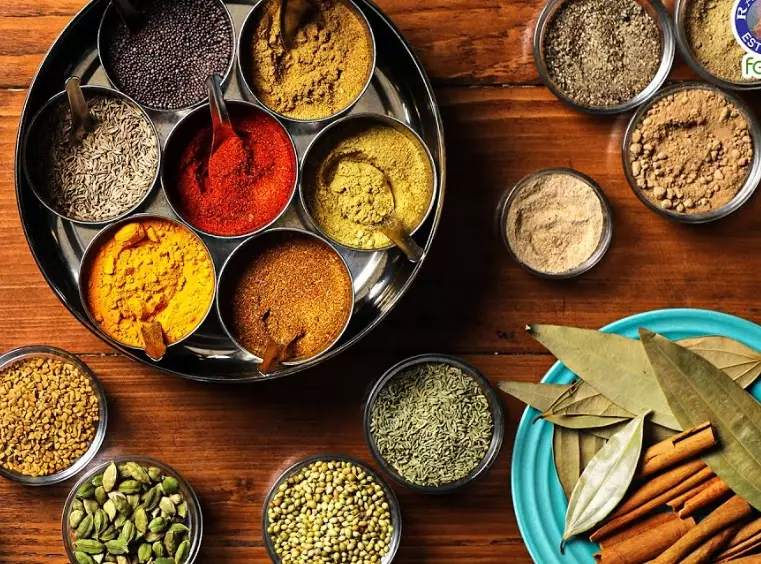
See? You just used five of your core eight in a logical sequence.
Your Next Level Additions: Building on the Basics
Once you're comfortable with the core eight and the workflow, these additions will let you explore specific regional cuisines.
- Fenugreek Seeds (Methi): Bitter, maple-syrup aroma when cooked. Essential for butter chicken, certain dals, and pickles. Use sparingly—a few seeds go a long way.
- Fennel Seeds (Saunf): Sweet, licorice-like. Great in Kashmiri dishes, some biryanis, and often chewed as a digestive after meals.
- Dried Bay Leaves (Tej Patta): The Indian bay leaf is different from the Mediterranean one—more cinnamon-like. Used in rice dishes and meat curries.
- Amchur (Dried Mango Powder): Tangy, sour. A fantastic souring agent for chaats, chutneys, and some curries when you don't want to use tomato or lemon.
Don't rush to get these. Master the core eight first. Your food will already be 90% there.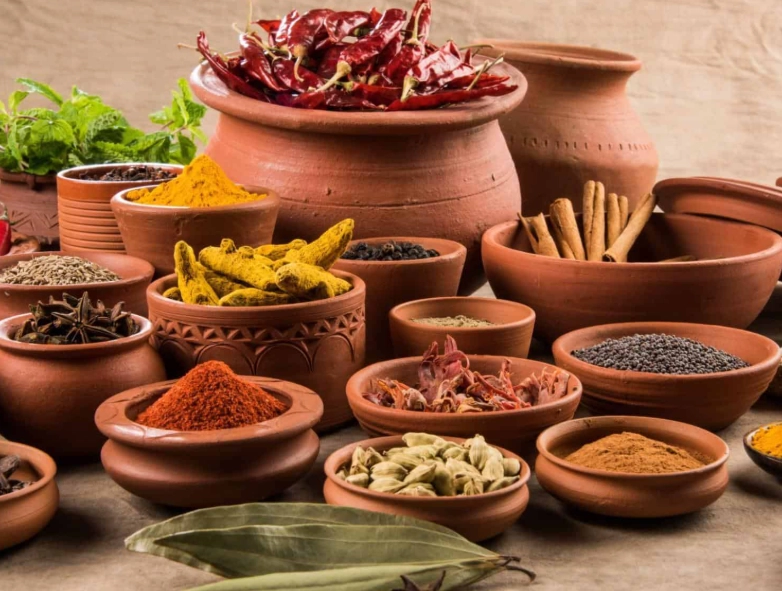
Straight Answers to Your Spice Questions
As a complete beginner, which 3 Indian spices should I buy first?
Is it better to buy whole spices or pre-ground powders?
I bought spices but my food doesn't taste like the restaurant. What am I missing?
How long do Indian spices last, and how should I store them?
So, what Indian spices do you need? You need a focused, functional kit of eight, not a museum of a hundred. You need to know how to wake them up in hot oil. And you need the confidence to start simple.
Grab that list, hit the store, and start with a simple dal or aloo jeera (potatoes with cumin). The aroma filling your kitchen will tell you you're on the right track.
Discussion