In This Guide
Let's talk about paneer. If you've ever wandered into an Indian restaurant and fallen in love with a creamy, spiced curry dotted with soft, milky cubes, you know exactly what I mean. That's paneer. It's this incredible fresh cheese that doesn't melt, which honestly, is its superpower. It soaks up flavors like a dream and gives you something satisfying to bite into. For vegetarians across India (and now, the world), it's a staple protein. But here's the thing I've noticed—so many people are intimidated by the idea of cooking it at home. They think it's complicated, or that their version will never taste as good as the one from their favorite takeout spot. I used to think that too. Until I spent a solid month in my kitchen, burning a batch or two (we'll get to that), and finally cracking the code. This guide? It's everything I wish I'd known when I started my quest for the perfect Indian paneer recipes.
We're going to go deep. Not just a list of recipes, but the how and the why. Why does your paneer sometimes turn rubbery? How do you get that restaurant-style gravy so rich and velvety? What do you do if you can't find paneer at the store? We've got it all covered. Consider this your one-stop shop for becoming a paneer pro.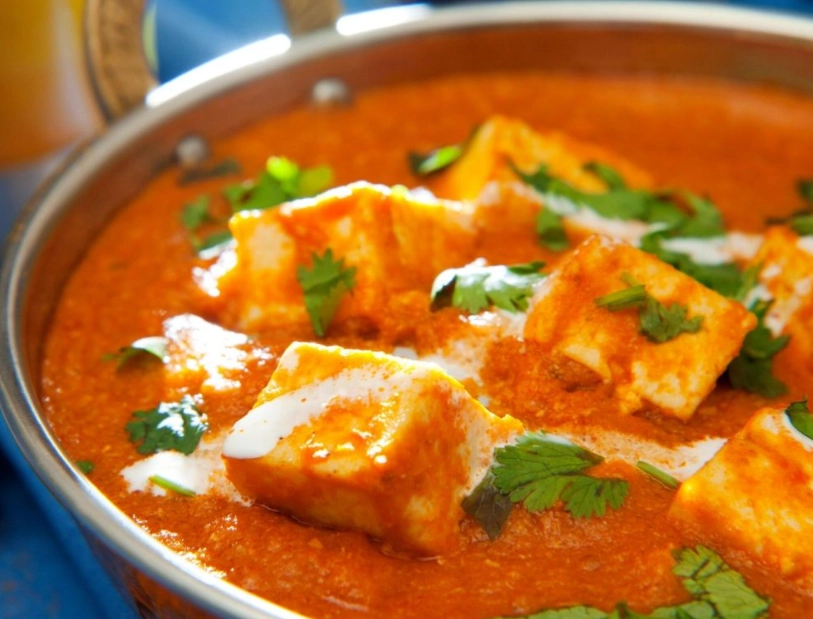
Paneer 101: What It Is and Why You Should Make Your Own
Paneer is, at its heart, a simple farmer's cheese. It's made by curdling hot milk with an acid—lemon juice, vinegar, or yogurt—and then pressing the resulting curds. No aging, no complex cultures. This simplicity is its beauty. Because it's so fresh, it has a mild, milky sweetness that acts as the perfect canvas for bold Indian spices.
Now, you can absolutely buy it. Most grocery stores with an international aisle carry it. But making it yourself? It's a game-changer. The texture is softer, more delicate. It feels less like a product and more like food, if that makes sense. Plus, you control exactly what goes in. The process is surprisingly straightforward and oddly satisfying. You see the milk transform right before your eyes.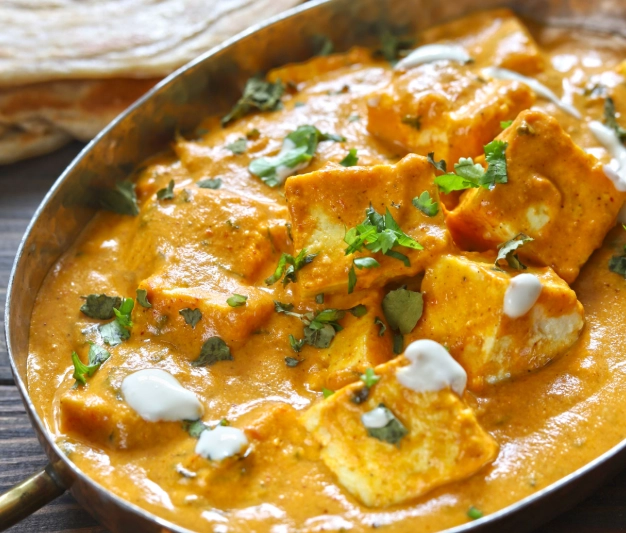
How to Make Paneer at Home: A Step-by-Step Walkthrough
Don't be scared. You need just two ingredients: whole milk and an acid. I prefer lemon juice for a slightly floral note, but white vinegar gives a cleaner, more neutral taste. Here's my method, refined after a few less-than-perfect attempts.
- Heat the Milk: Pour a liter of full-fat milk into a heavy-bottomed pot. Bring it to a gentle boil over medium heat, stirring occasionally so it doesn't scorch at the bottom. That burnt milk smell is hard to get rid of, trust me.
- Curdle It: Once it's bubbling, turn off the heat. Add your acid—about 2-3 tablespoons of lemon juice or vinegar, diluted with a little water. Stir gently. Almost magically, the curds (solid white parts) will separate from the whey (greenish-yellow liquid). If the separation isn't complete, add a bit more acid.
- Drain and Press: Line a colander with muslin or a clean cheesecloth. Pour the curds and whey into it. Rinse the curds under cold water to wash away any strong acid taste. Then gather the cloth's corners, tie it up, and hang it for 15-20 minutes to let most of the whey drip out.
- Shape and Set: Place the bundle on a plate, put a heavy pot or pan on top, and let it press for 1-2 hours. The longer you press, the firmer your paneer. For most Indian paneer recipes, you want a firm but yielding block that can be cubed.
Is store-bought okay? Absolutely. It's convenient and consistent. But once you try the homemade version in a simple dish like Matar Paneer (peas and paneer), you'll taste the difference. The flavor is just... fresher.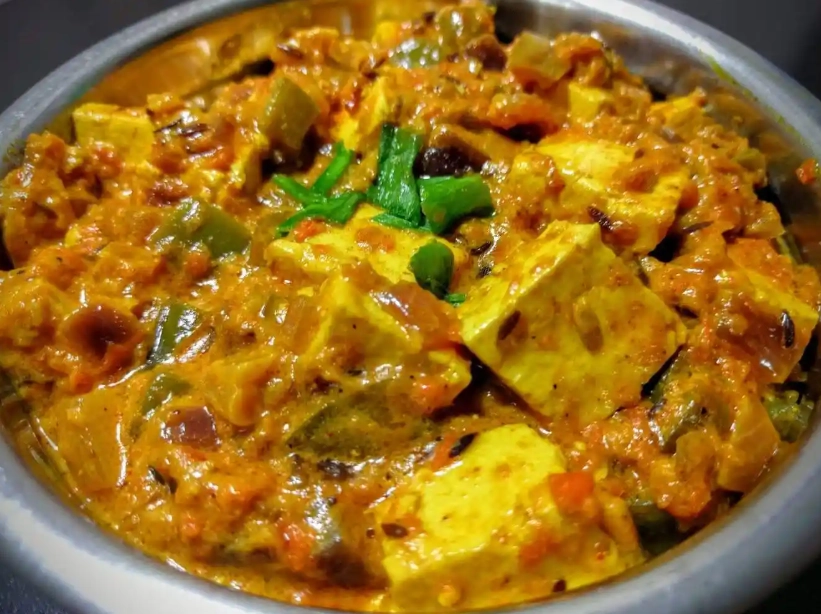
The Classics: Unlocking Iconic Indian Paneer Recipes
These are the heavy hitters, the dishes you see on every menu. Mastering these will give you the foundation for countless variations. The key here isn't just following steps, but understanding the techniques that make each dish unique.
Butter Chicken's Vegetarian Twin: Paneer Makhani
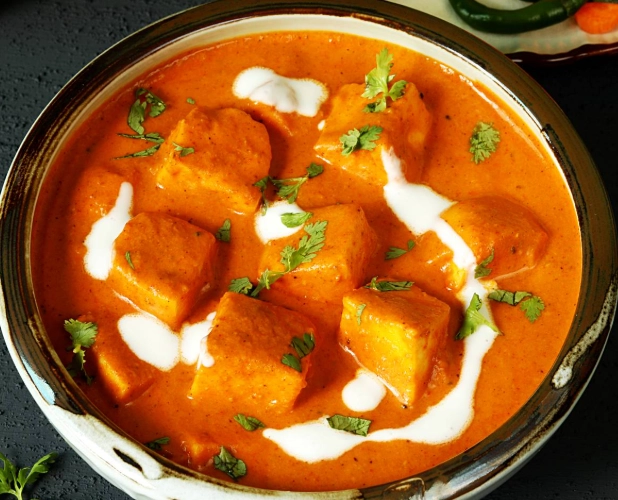
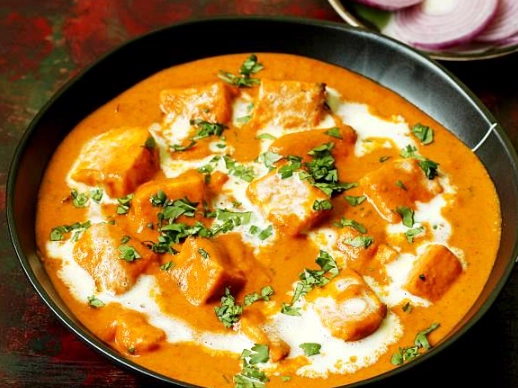
Paneer Makhani, or Paneer Butter Masala, is arguably the king of Indian paneer recipes. It's rich, slightly sweet, tangy from tomatoes, and luxuriously creamy. The goal is a smooth, emulsified gravy that coats the paneer lovingly. The secret? It's all in the tomato paste and cashew (or almond) paste. You need to cook the tomato puree down until it loses its raw edge and the oil starts to separate. That deep, concentrated flavor is non-negotiable. Then, the addition of crushed kasuri methi (dried fenugreek leaves) at the end—that's the fragrance that hits you when you lift the lid of a restaurant dish. My personal twist? A tiny pinch of sugar to balance the tomatoes, and a splash of cream right at the end, off the heat, to keep it silky.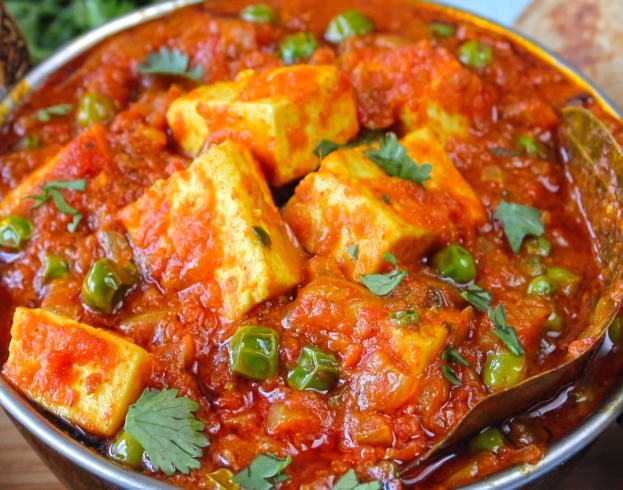
The Comfort Queen: Palak Paneer (Spinach & Paneer)
Palak Paneer is the healthy classic that doesn't taste like it's trying to be healthy. The trick is keeping the spinach vibrant green. Blanching the spinach quickly in boiling water and then shocking it in ice water is the best method I've found. Puree it with a green chili and a bit of ginger for that fresh kick. Some recipes call for a lot of cream, but honestly, I often skip it or use just a tablespoon. The natural creaminess of the pureed spinach and the soft paneer is often enough. A common mistake is overcooking the puree after adding the paneer. You just want to warm everything through. Overcooking turns that beautiful emerald green to a drab army green.
The Dry Spice Masterclass: Paneer Bhurji
Think of this as the Indian version of scrambled eggs, but with crumbled paneer. It's a quick, weekday savior. You sauté onions, tomatoes, and spices, then add crumbled paneer and mix. The beauty is in its simplicity and versatility. You can make it mild for kids or load it up with green chilies. I love it stuffed in a paratha for breakfast. The key is to use a non-stick pan and not to overcook the tomatoes into a mush—you want them soft but still holding some shape for texture.
Let's compare these three giants to help you decide what to cook tonight.
| Dish | Flavor Profile | Best For | Effort Level | My Go-To Serving Suggestion |
|---|---|---|---|---|
| Paneer Makhani | Rich, creamy, tangy-sweet | Impress guests, weekend treat | Medium-High (multiple steps) | With garlic naan and a side of Jeera rice. No exceptions. |
| Palak Paneer | Earthy, fresh, mildly spiced | Healthy weeknight dinner | Medium | With simple whole wheat rotis. The clean flavors pair perfectly. |
| Paneer Bhurji | Savory, spicy, textured | Quick lunch or breakfast | Low | As a sandwich filler or rolled in a warm chapati. |
Beyond the Curry: Snacks, Appetizers & Healthy Twists
Paneer isn't confined to gravies. Some of the most exciting Indian paneer recipes live in the world of snacks and lighter meals. This is where its versatility truly shines.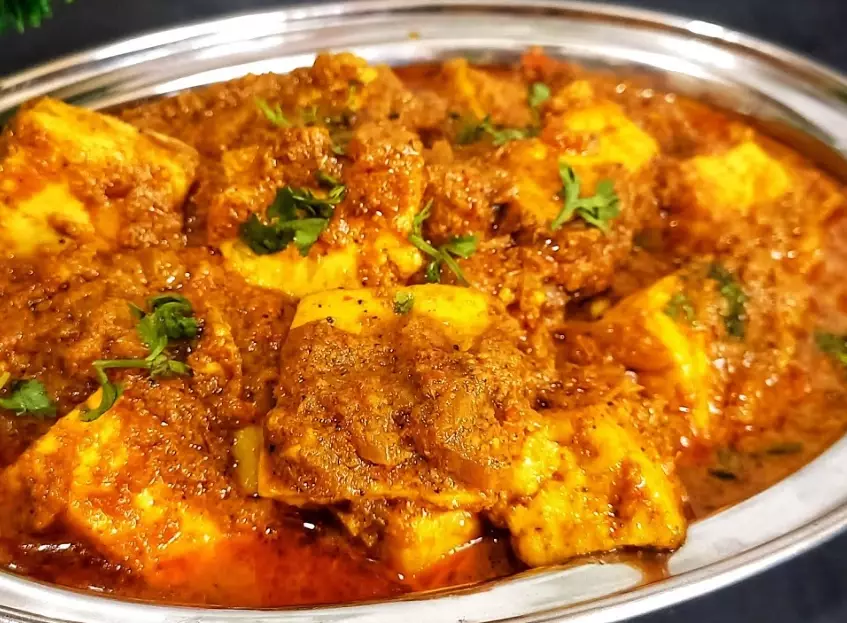
The Crowd-Pleaser: Paneer Tikka
Marinated cubes of paneer, bell peppers, and onions, skewered and grilled or baked until slightly charred. This is party food. The marinade is everything: thick yogurt, ginger-garlic paste, and a blend of spices like garam masala, turmeric, and red chili powder. A bit of besan (gram flour) helps the marinade stick. My advice? Don't skimp on marinating time. Overnight is ideal, but even 2-3 hours makes a world of difference. And if you don't have a grill, a hot oven with the broiler on for the last few minutes works wonders. The slight smokiness is what you're after.
The Street Food Star: Paneer Kathi Roll
Imagine spiced strips of paneer, onions, and peppers wrapped in a soft, flaky paratha or roti, often with a swipe of tangy chutney. It's handheld perfection. For the filling, you want to cook it on high heat quickly—a stir-fry style—so the paneer gets a slight sear but stays juicy inside. The mint-coriander chutney is non-negotiable. You can find a great, authentic base recipe for understanding these flavor balances on sites like BBC Good Food, which often breaks down complex cuisines accessibly.
Paneer for the Health-Conscious
If you're watching calories but crave paneer, you have options. Paneer is, after all, a great source of protein and calcium.
- Paneer & Veggie Skewers: Skip the heavy yogurt marinade. Use a paste of mustard, lemon juice, herbs, and a touch of oil. Grill or air-fry.
- Paneer Saag (without cream): Make your Palak Paneer but use low-fat milk or a splash of whey instead of cream to blend the spinach. It's still packed with flavor.
- Paneer Salad: Cubes of paneer pan-seared with a sprinkle of chaat masala, tossed with cucumbers, tomatoes, onions, and a lemon-dressing. It's refreshing and filling. The USDA FoodData Central is a reliable resource if you want to dive into the detailed nutritional profile of paneer and plan your meals precisely.
Your Paneer Problems, Solved: A FAQ for Common Hiccups
I've gotten so many questions from friends over the years. Here are the ones that pop up again and again.
My Top 3 "Beginner-Friendly" Indian Paneer Recipes
- Paneer Butter Masala (from a base gravy): Make a big batch of onion-tomato-cashew gravy base and freeze portions. On a busy night, thaw, sauté spices, add base and paneer, finish with cream. Dinner in 15 mins.
- Paneer Bhurji: It's almost foolproof and teaches you the fundamentals of tempering spices.
- Pan-Fried Paneer with Spices: Just cube paneer, pan-fry until golden, toss with salt, pepper, and chaat masala. Instant protein-rich snack.
Look, diving into Indian cooking can seem daunting with its long list of spices. But with paneer, you have a forgiving, delicious anchor. Start with one recipe. Maybe it's a simple bhurji. Get comfortable. Then try a curry. The process of toasting whole spices, grinding pastes—it's meditative. And the result is so incredibly rewarding. You're not just making dinner; you're creating this aromatic, complex dish that fills your home with the most incredible smells.
I still buy paneer sometimes when I'm short on time. No shame in that. But the days I make it from scratch, when I see that pure white block form under my hands, I feel a connection to the food that's hard to describe. It's real. And when you simmer it in a sauce you built from the ground up, the taste is just on another level. So, grab some milk, or grab a pack of paneer from the store. Just start. Your next favorite Indian paneer recipe is waiting for you to cook it.
For those looking to explore the culinary heritage and regional variations of Indian cheese dishes in more depth, the Institute of Food Technologists (IFT) often publishes fascinating research on traditional food science, including dairy products like paneer, which can give you a deeper appreciation for the craft.
Discussion