Let's cut to the chase. If you're looking at a list of Indian breads—naan, paratha, puri, bhatura—and wondering where to even begin, the answer is simple. The easiest Indian bread to make, bar none, is the humble roti (also universally known as chapati). I'm not just saying that because every article says so. I'm saying it after years of teaching complete beginners, watching their "aha!" moments, and seeing more failed naan attempts than I care to remember.
Roti is the gateway bread. It's the foundational staple eaten in millions of Indian homes daily. It requires no yeast, no baking powder, no deep-frying, and no tandoor oven. The ingredient list is brutally simple: whole wheat flour, water, a pinch of salt. The magic—and the perceived difficulty—lies entirely in the technique. And that's what we're going to demystify.
What You'll Learn in This Guide
Why is Roti/Chapati Considered the Easiest?
Think of it like learning to drive. You start in a parking lot with an automatic transmission, not on a highway in a manual sports car. Roti is your automatic sedan.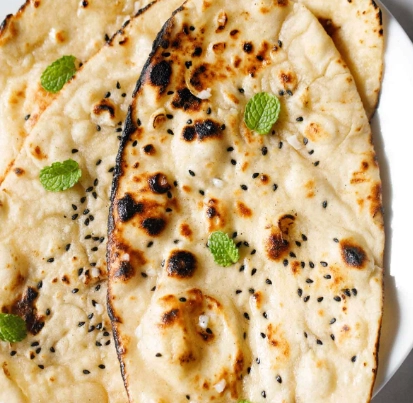
Let's compare:
Naan needs yeast, proving time, a super hot surface (like a cast-iron skillet mimicking a tandoor), and a tricky dough that's often wet and sticky to handle.
Paratha involves laminating dough with fat (ghee or oil), which is a folding-and-rolling technique that adds layers. More steps, more room for error.
Puri or Bhatura require deep-frying at the perfect temperature. Get it wrong, and you have greasy, deflated breads.
Roti? Mix, knead, rest, roll, cook. The cooking happens on a simple flat griddle or tawa. The goal is a soft, pliable bread that puffs up like a little balloon. No specialized equipment, no long waits, no complex techniques at the start.
Here's a perspective you won't often read: The biggest advantage of learning roti first isn't just simplicity—it's developing a feel for the dough. Once your hands understand the texture of perfectly kneaded whole wheat dough, every other Indian bread becomes easier to approach. You've built the fundamental skill.
The Non-Negotiable Ingredients & Your Tool Kit
You can complicate this, but don't. Start pure.
Ingredients:
- Whole Wheat Flour (Atta): This is critical. Don't use all-purpose flour (maida) or standard Western whole wheat bread flour. Indian atta is a finer, whole durum wheat flour. Brands like Aashirvaad or Pillsbury Chakki Fresh Atta are widely available. Using the wrong flour is mistake #1—it won't bind or roll out the same way.
- Water: Warm water, not hot, not cold. Think baby bathwater temperature.
- Salt: A pinch. It's for flavor, not chemistry.
- Oil or Ghee (optional): A teaspoon in the dough can make it more pliable. A little ghee brushed on the cooked roti is traditional.
Tools:
- A Rolling Pin (Belan): Any small to medium rolling pin works. Indian ones are thin and straight.
- A Flat Griddle or Tawa: A cast-iron skillet or a non-stick flat pan is perfect. A crepe pan works wonders.
- Tongs or a Flat Spatula.
- Clean Kitchen Towel: To keep the cooked rotis soft and warm.

The Step-by-Step Process: From Flour to Puffed Bread
I'll walk you through this like I'm standing next to you. No assumptions.
1. Making the Dough
In a wide bowl, take 2 cups of atta. Add a pinch of salt. Make a well in the center. Start adding warm water little by little—maybe ¾ cup to start. Mix with one hand, feeling the flour hydrate. Keep adding water until no dry flour remains. This part is messy. Embrace it.
Now, knead. Not a gentle press. Get the heel of your palm in there and push, fold, turn. Do this for a good 5-7 minutes. The dough should transform from shaggy to smooth, soft, and slightly elastic. It shouldn't stick to your fingers. If it does, dust with a tiny bit of flour. If it's cracking, it's too dry—wet your hands and knead more.
Cover the dough with a damp cloth and let it rest for 20-30 minutes. This relaxes the gluten, making rolling infinitely easier. Don't skip this.
2. Rolling the Perfect Circle (It Doesn't Have to Be Perfect)
After resting, knead the dough again for a minute. Divide into equal lemon-sized balls. Flatten one into a small disc.
Dust your rolling surface and the disc with dry flour. Roll from the center outwards, turning the disc a quarter turn after each roll. Aim for a uniform 6-7 inch circle. Is it a perfect circle? Mine rarely are, especially the first one. It tastes the same. The key is uniform thickness, not geometric perfection. A thick center won't cook through.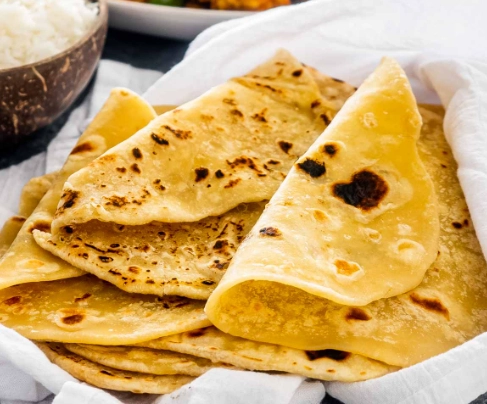
3. The Cooking Method That Guarantees Softness
Heat your tawa on medium-high. Place the rolled roti on it. Let it cook for 30-45 seconds. You'll see tiny bubbles and the top change from matte to slightly drier.
Flip. Cook the second side for about 60 seconds. It should get light brown spots. Now, here's the fun part for puffing: Flip it again (so the first side is back down). Using a clean kitchen towel or a flat spatula, gently press the edges of the roti. Apply light pressure all around. This encourages steam to build up in the center. If your heat is right, it will start to puff up like a balloon. Don't panic if it doesn't puff completely on the first try—it still tastes great.
Once puffed or nicely spotted, remove and place in a towel-lined container. Brush with a little ghee if you like. Fold the towel over to keep it soft.
What Are Common Roti Mistakes and How to Fix Them?
This is the stuff that separates a generic recipe from a useful guide. Here are the real issues I see.
1. Hard, Cardboard-like Roti: Almost always under-kneaded dough or dough made with cold water. The gluten didn't develop. Knead longer with warm water until the dough is supremely soft.
2. Roti Tearing While Rolling: The dough is too dry or didn't rest enough. It's fighting you. Next time, a wetter dough and a full 30-minute rest. For now, ball it up, let it sit for 10 more minutes, and try again.
3. Roti Sticking to the Rolling Surface: You didn't use enough dry flour for dusting. Don't be shy with it. Shake off the excess before cooking.
4. Dense, No Puff: The roti is too thick, or you rolled it back and forth without turning, creating uneven thickness. Roll from the center out and turn. Also, ensure your heat is high enough to create instant steam.
5. Burnt Spots Before Cooking Through: Heat is too high. Lower it to a solid medium. Cooking should take about 90 seconds to 2 minutes total, not 30 seconds.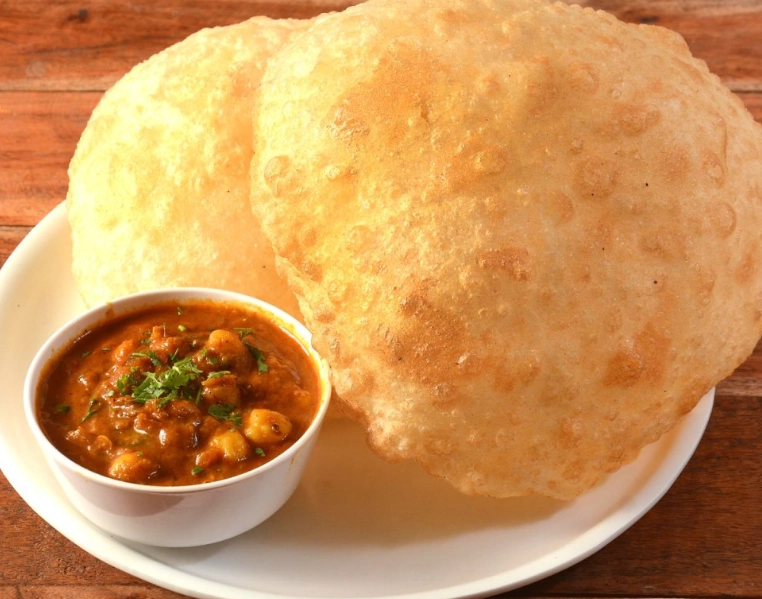
Where to Go After You Master the Basic Roti
Once you're comfortable, the world opens up.
**1. Phulka:** This is just a purist's name for a roti that's fully puffed. You're already making it.
**2. Missi Roti:** Add besan (gram flour) and spices to the atta. It's a flavor upgrade with minimal technique change.
**3. The Leap to Paratha:** Take your roti dough, roll it out, brush with ghee, sprinkle with dry flour, fold, and roll again. You've just made a basic paratha. See? The roti skill is the foundation.
The journey into Indian breads is deeply rewarding. It's tactile, immediate, and connects you to a daily ritual in countless homes. Start with roti. Nail the dough feel. Celebrate the puffs, laugh at the misshapen first attempts. Before you know it, you'll be wondering why you ever thought it was hard.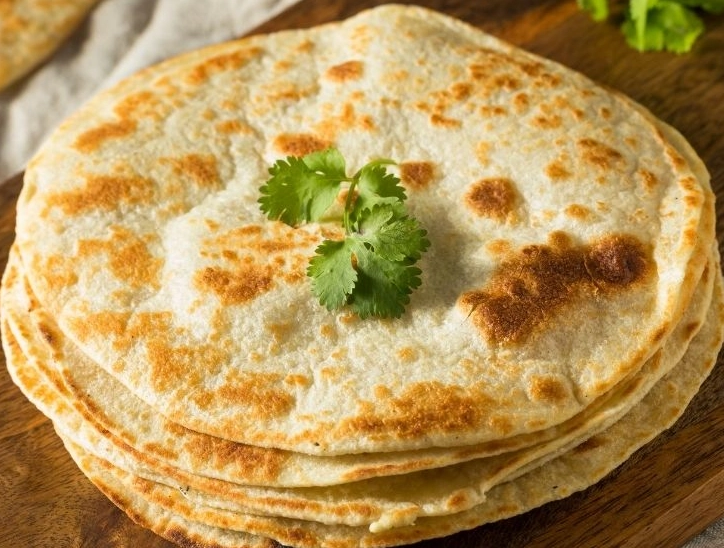
Discussion