Your Curry Compass
- Why a Simple "List" Doesn't Do It Justice
- The North Indian Powerhouses (The Ones You Probably Know)
- The South Indian Revolution (Tangy, Coconut, and Lentil-Loving)
- The East & West: Coastal Treasures and Unique Finds
- How to Actually Use This List of Indian Curry Dishes
- Answering Your Curry Questions (The Stuff You Actually Google)
- A Final Thought: It's a Journey, Not a Checklist
Let's be honest, when you think of Indian food, "curry" probably pops into your head first. But here's the thing that most menus don't tell you—the word "curry" is a huge umbrella. It's like saying "soup" or "stew." Underneath it lies an entire universe of flavors, techniques, and regional stories that are completely distinct from each other. A list of Indian curry dishes isn't just a menu; it's a map of the subcontinent.
I remember walking into a proper South Indian restaurant for the first time and feeling utterly lost. I was used to the rich, creamy dishes from the north, and suddenly I was facing tangy, coconut-based broths and stews that were a world apart. That's when it clicked. Asking for a simple list of Indian curry dishes is like asking for a list of Italian pasta dishes—where do you even begin?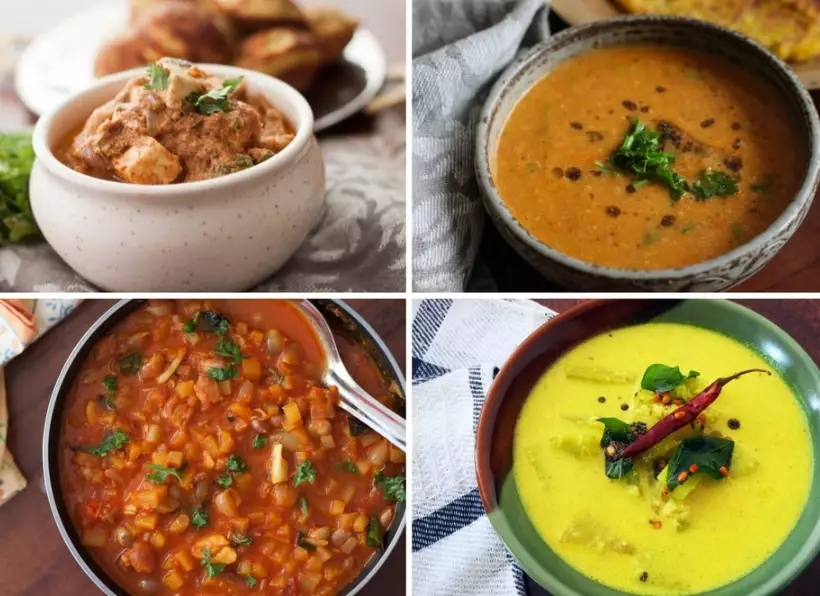
So, this isn't just a dry catalog. Think of this as your friendly field guide. We're going to break it down by region, by flavor profile, and by what you're actually going to experience when that steaming bowl lands in front of you. We'll cover the famous ones, the hidden gems, and yes, we'll even talk about how to navigate a menu without just pointing at the first thing you recognize.
Why a Simple "List" Doesn't Do It Justice
First, a little context. India's food landscape is shaped by geography, climate, history, and religion. The creamy, nut-based gravies of the Mughal-influenced north have little in common with the rice-and-lentil belt of the south, where tamarind and coconut reign supreme. The coastal regions swim in seafood curries, while the arid west has its own unique vegetarian specialties.
Calling them all "curry" does a disservice. In India, you're more likely to hear specific names like "sambar," "rogan josh," or "xacuti." Each name tells you something about the dish's origin, its main ingredient, or its cooking method.
The North Indian Powerhouses (The Ones You Probably Know)
This is the style that conquered the world, thanks to the rich dairy-based sauces and the use of the tandoor. The gravies here are often onion-and-tomato based, slow-cooked until they're luxurious and deep in flavor. Cream, yogurt, and nuts like cashews and almonds are common thickeners.
The Meat Lover's Favorites
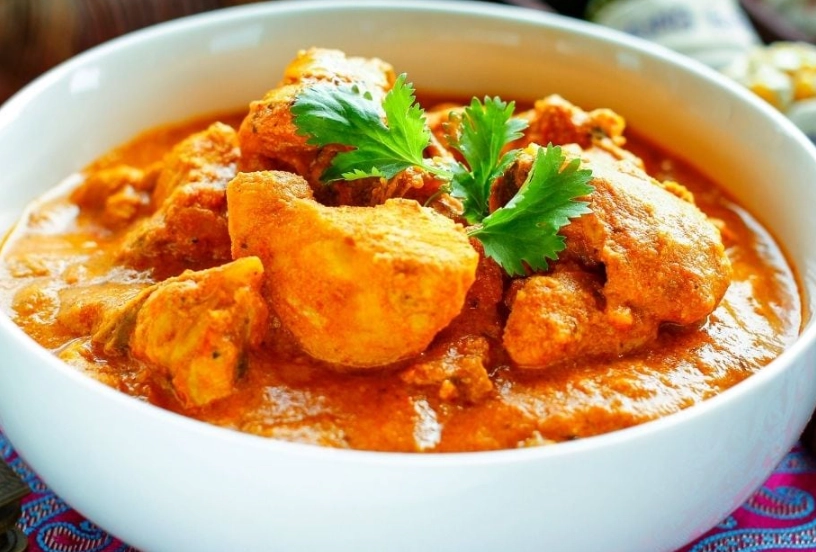
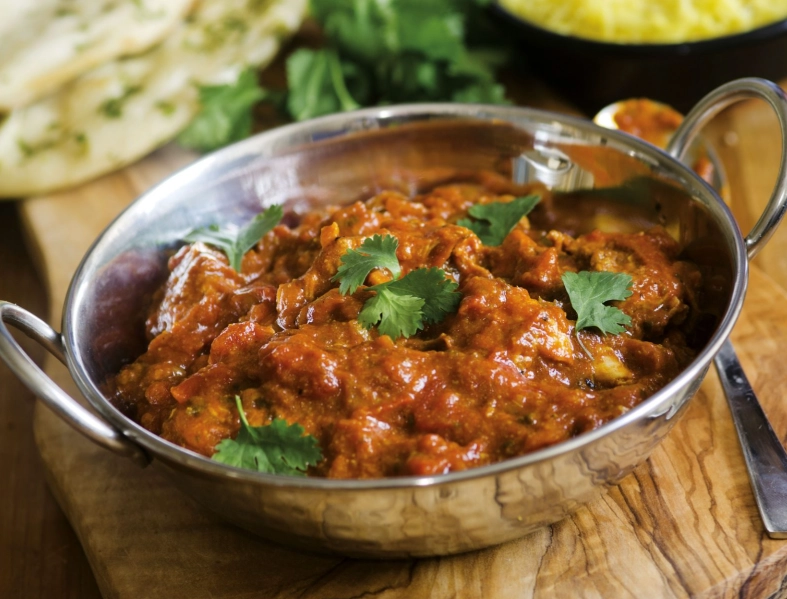
Butter Chicken (Murgh Makhani): The undisputed global ambassador. Tandoori chicken pieces swimming in a silky, mildly spiced tomato sauce enriched with butter and cream. It's rich, it's comforting, and honestly, sometimes it's all you want. Is it the most authentic? Debateable. Is it delicious? Absolutely.
Chicken Tikka Masala: The great British-Indian invention. Similar vibe to butter chicken—grilled chicken in a creamy, spiced sauce—but often with a slightly more complex spice mix and a hint of smokiness. The origin story is famously murky, but its place on any list of popular Indian curry dishes is rock solid.
Rogan Josh: A Kashmiri staple, originally from Persia. Tender chunks of lamb (usually goat) in a vibrant red sauce that gets its color from Kashmiri chilies. The flavor is aromatic rather than blow-your-head-off hot, with notes of fennel and ginger. It's hearty and elegant at the same time.
Korma: The mild, nutty, and sweet option. Meat or vegetables braised in a sauce of yogurt, cream, and ground nuts (often almonds or cashews). Sometimes sweetened with a touch of dried fruit. It's a celebration of subtlety and texture. Perfect for when you want flavor without fire.
Vegetarian Stars of the North
Palak Paneer (or Saag Paneer): Fresh spinach pureed into a vibrant green gravy, studded with cubes of soft, milky paneer cheese. It tastes healthy and indulgent simultaneously. Saag can sometimes include other greens like mustard leaves, giving it a more pungent kick.
Chana Masala: The ultimate street food and home-cooking hero. Chickpeas simmered in a tangy, spicy, and incredibly moreish gravy. It's cheap, filling, and packed with protein. The tang usually comes from amchoor (dried mango powder) or lemon juice. This is a must-try on any vegetarian list of Indian curry dishes.
Malai Kofta: The vegetarian answer to meatballs. Deep-fried dumplings made from paneer and potato, served in a creamy, mild, and slightly sweet cashew-and-cream sauce. It's a treat dish, often saved for festivals and special occasions.
The South Indian Revolution (Tangy, Coconut, and Lentil-Loving)
Heading south, the food changes dramatically. Rice is the staple, not bread. Coconut, curry leaves, tamarind, and a variety of lentils form the backbone. The flavors are brighter, sharper, and often more liquid in consistency compared to the thicker North Indian gravies.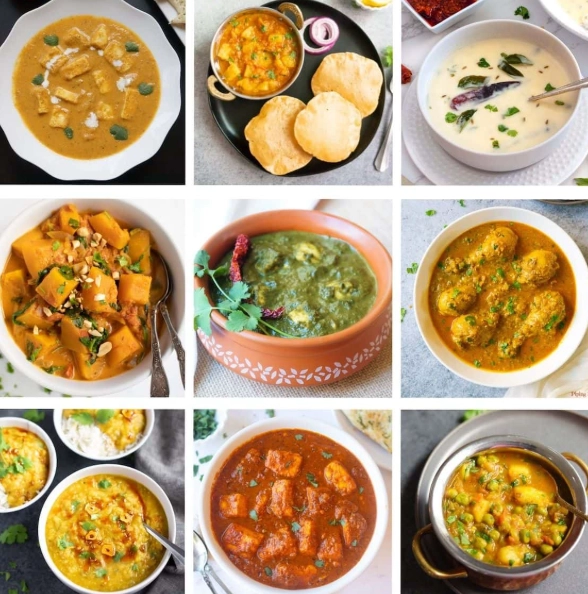
My first real South Indian meal was a revelation—and a humbling experience. I asked for something "medium spicy." Big mistake. The waiter just smiled politely. The food was incredible, but it had a heat that built slowly and lingered. I drank about a gallon of water.
| Dish Name | Core Ingredients | What It Tastes Like | Best Paired With |
|---|---|---|---|
| Sambar | Toor dal (pigeon pea lentils), tamarind, vegetables, sambar powder. | A tangy, spicy, and savory lentil stew. The sour punch is unmistakable. | Idli, Dosa, Vada, or plain rice. |
| Rasam | Tamarind, tomato, pepper, cumin, lentils (watery broth). | A thin, piping hot, peppery soup. Incredibly soothing and digestive. | Rice, or drink it as a soup. |
| Kerala Fish Curry (Meen Curry) | Kingfish/seer fish, coconut, kodampuli (kokum), curry leaves. | Rich, tangy, coconutty, and beautifully balanced. The kokum gives a unique sourness. | Steamed rice or appam. |
| Avial | Mixed vegetables, coconut, yogurt, curry leaves. | A mildly spiced, thick vegetable mélange. Creamy from coconut, tangy from yogurt. | Rice or as a side dish. |
| Chettinad Chicken | Chicken, whole black pepper, fennel, coconut, star anise. | Famously fiery and aromatic. A dry-ish curry with a complex spice paste (masala). | Parotta or rice. |
The East & West: Coastal Treasures and Unique Finds
You can't have a complete list of Indian curry dishes without venturing to the coasts and the less-hyped regions.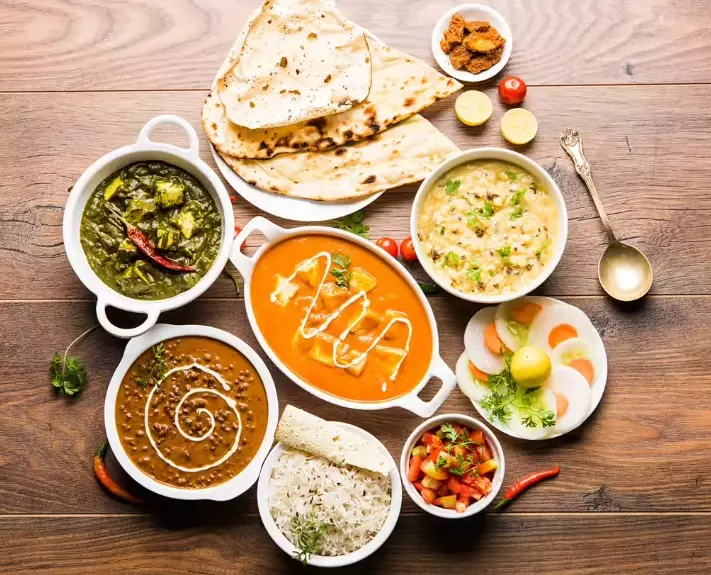
Eastern Delights (Bengal, Odisha, Assam)
The food here is often lighter, with a focus on fish, mustard, and poppy seeds. Fermentation is also a key technique.
- Machher Jhol: A simple, light Bengali fish curry. It's not about a thick gravy, but about the flavor of the fish (like hilsa or rohu) shining through with turmeric, ginger, and green chilies. It's homey and comforting.
- Shorshe Ilish: Hilsa fish smothered in a pungent paste of mustard seeds. It's an acquired taste for some, but if you love mustard, it's a revelation. The sharpness cuts through the oily fish perfectly.
- Assamese Fish Tenga: A sour fish curry from Assam, often made with tomatoes or outenga (elephant apple). It's light, tangy, and designed to be a palate-cleanser in a multi-course meal.
Western Wonders (Goa, Gujarat, Maharashtra)
From Portuguese-influenced vinegars to sweet-and-sour Gujarati staples.
- Goan Fish Curry (Xitti Kodi) & Vindaloo: Goan food is in a league of its own. The classic fish curry uses coconut and kokum for a sour profile. Vindaloo, despite its fiery reputation, is fundamentally about garlic and vinegar (from Portuguese "vinho e alho"). A proper pork vindaloo is a masterpiece of sweet, sour, and spicy notes. The blow-your-socks-off heat is often a British restaurant adaptation.
- Gujarati Kadhi: A yogurt-based, sweet-and-sour soup thickened with chickpea flour. It's tempered with mustard seeds and curry leaves, and usually has little pakora (fritter) dumplings in it. Served over rice, it's the ultimate comfort food.
- Maharashtrian Pandhra Rassa & Taambda Rassa (White & Red Stew): Iconic dishes from the Kolhapuri region. Served with mutton, the "white" is a coconut-based, aromatic curry, while the "red" is a fiery, chili-laden one. They're often served together for contrast.
How to Actually Use This List of Indian Curry Dishes
Okay, you've got the names. Now what? How do you translate this into a successful meal?
Menu Navigation 101: Your Cheat Sheet
If you want creamy & mild: Look for Korma, Butter Chicken, Malai Kofta, or Pasanda.
If you want tomato-based & rich: Butter Chicken, Tikka Masala, or any "Makhani" dish.
If you want something tangy: Ask for a South Indian curry like Sambar, a Goan curry (with kokum), or a Dhansak (which has lentils and tamarind).
If you want something fiery: Chettinad dishes, Phaal (the hottest of the hot, beware!), or a proper Vindaloo. Always ask about the heat level!
If you want something earthy & nutty:: Rogan Josh, Korma, or a curry with a "khus-khus" (poppy seed) base.
Don't be afraid to ask the server. A good question is, "What's the style of this curry? Is it creamy, tomato-based, or coconut-based?" That tells you more than just the main ingredient.
And please, for the love of all that is good, don't just order multiple creamy, nut-based dishes. Mix it up! Get a rich butter chicken, but pair it with a dry, spicy Chettinad fry or a tangy dal. Order a creamy korma alongside a tart sambar or rasam. The contrast is where the magic happens in an Indian meal.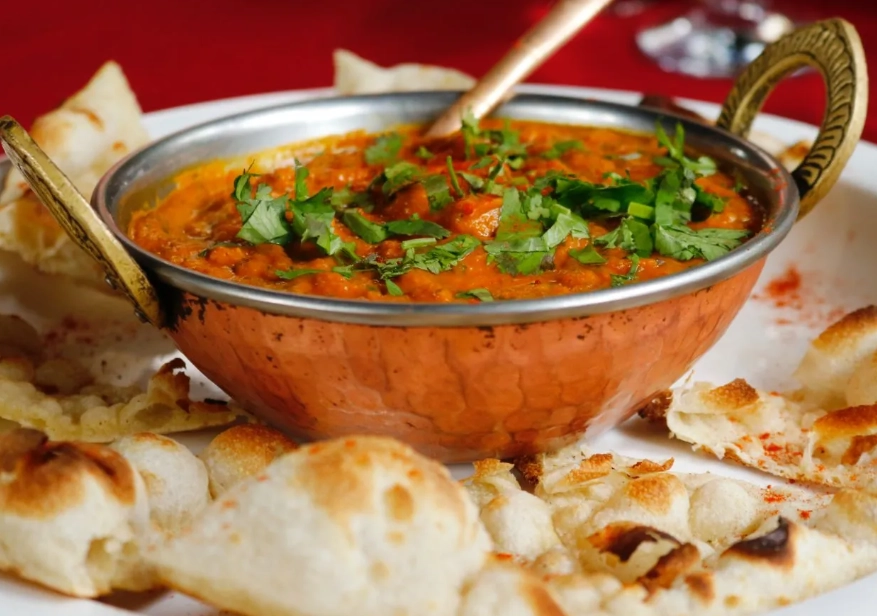
Answering Your Curry Questions (The Stuff You Actually Google)
A Final Thought: It's a Journey, Not a Checklist
Compiling a definitive list of Indian curry dishes is almost impossible because it's a living, evolving cuisine. Every home, every region, every chef has their own version. What I've given you here is a framework—a way to understand the major families and styles.
The real joy is in the exploration. Maybe you'll fall in love with the smoky depth of a Kashmiri rogan josh. Perhaps the tangy kick of a proper Goan curry will become your new obsession. I personally have a soft spot for a well-made, simple dal—it's the soul food of India.
So use this guide as a starting point. Be brave, ask questions, and mix your orders up. The next time you see that long list of Indian curry dishes, you won't feel overwhelmed. You'll feel excited. You'll see not just names, but stories from the coasts of Kerala, the mountains of Kashmir, the streets of Kolkata, and the homes of Gujarat waiting to be tasted.
Happy exploring. And remember, have some raita (yogurt sauce) or a sweet lassi on standby—just in case.
Discussion