Let's be honest. The packet instructions on your bag of basmati rice are a lie. Or at least, a massive oversimplification. They promise fluffy grains but say nothing about the deep, aromatic fragrance, the separate texture that holds a curry, or the complex spice-infused layers of a biryani. Making truly flavourful Indian rice isn't just cooking a staple; it's a foundational technique that transforms a meal. The secret isn't one trick, but three: the rice itself, the orchestra of spices, and a couple of non-negotiable techniques most recipes gloss over.
I learned this the hard way. My first attempt at biryani was a sad, mushy affair that tasted vaguely of soap because I used the wrong cardamom. After years of trial, error, and learning from home cooks in Kerala and Punjab, I've broken it down. Forget just following a recipe. Understand the why, and you can make any Indian rice dish sing.
Your Flavour Roadmap
The Holy Trinity of Flavourful Indian Rice
Think of this as your flavour pyramid. Miss one layer, and the whole structure wobbles.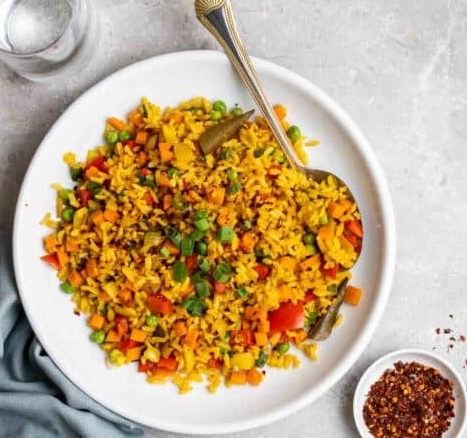
1. The Rice: It's Not All the Same
Using the wrong rice is the first, and most common, point of failure. In Indian cooking, rice is chosen for its specific function.
- Basmati: The king for a reason. Its long grains, distinctive aroma, and ability to stay separate after cooking are ideal for biryanis and pulaos. Look for aged basmati—it's drier, absorbs flavour better, and elongates more. The Agricultural and Processed Food Products Export Development Authority (APEDA) in India even has a geographical indication for authentic Basmati.
- Sona Masoori: A medium-grain rice from South India. It's lighter, less fragrant than basmati, and cooks up softer and stickier. It's the everyday rice for meals with dal or saucy curries, as it's perfect for mixing and scooping.
- Jeera (Samba) Rice: A short, plump grain from Tamil Nadu. It has a unique ability to absorb flavours deeply, making it fantastic for dishes like lemon rice or tamarind rice where the seasoning needs to coat every grain.
Expert Mistake Alert: Don't just rinse your rice once. You need to rinse basmati in several changes of cold water until the water runs almost clear. This removes surface starch that causes gumminess. But here's the non-consensus part: don't soak it for hours like many blogs say. For aged basmati, 20-30 minutes is plenty. Over-soaking makes the grains too soft and they can break during the final cooking.
2. The Flavour Base: Spices & Aromatics
This is where the magic happens. We're not just adding heat; we're building layers.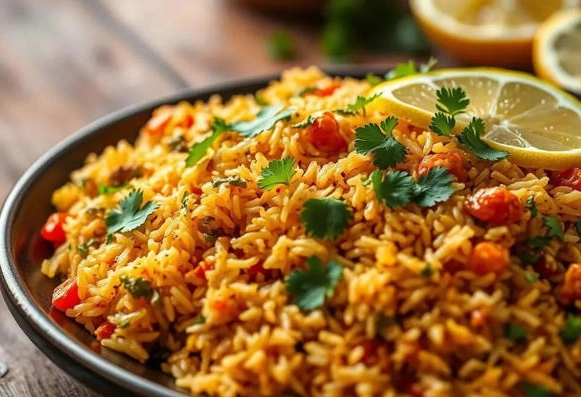
- Whole Spices for Tempering (Tadka): Cumin seeds, mustard seeds, curry leaves, dried red chilies, asafoetida. These are often fried in hot oil or ghee at the start to release their essential oils into the cooking fat, which then coats every grain of rice.
- Aromatic Whole Spices: Green cardamom, black cardamom, cloves, cinnamon, bay leaf, star anise. These are typically added to the rice while it cooks, perfuming it from the inside out. Pro-tip: Lightly crack green cardamom pods instead of using them whole—it releases more flavour without becoming overpowering.
- Ground Spices & Pastes: Turmeric, coriander powder, biryani masala. These are often mixed with onions, tomatoes, or yogurt to create a wet masala base that the rice cooks in.
- The Unsung Heroes: Fried onions (birista), ginger-garlic paste, fresh cilantro, and mint. These add texture and fresh, pungent notes that balance the warm spices.
3. The Technique: It's in the Method
Boiling rice in plain water gets you... boiled rice. For Indian dishes, the cooking liquid is a seasoned broth.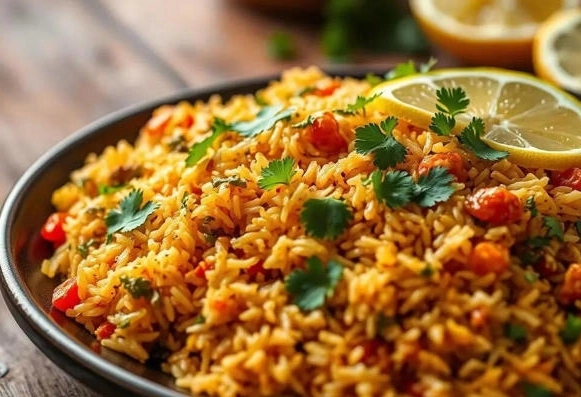
- The Rice-to-Water Ratio Myth: It's not universal. Aged basmati needs less water than new crop. A good start is 1 cup rice to 1.5 cups liquid (water or stock). For pulao, where rice cooks in the masala, you might need even less as vegetables release water.
- Layering (Biryani): Partially cooking the rice and meat/veg separately, then layering them in a pot to finish cooking together (dum). This lets each component cook perfectly without becoming mushy.
- Absorption Method: The most common method for everyday rice and pulao. Rice is sautéed with spices, then the measured liquid is added, brought to a boil, covered, and cooked on very low heat until all liquid is absorbed.
Master the Basics: The Perfect Pot of Basmati
Before we get fancy, let's nail the simple, fragrant steamed rice that accompanies a curry. This is your blank canvas.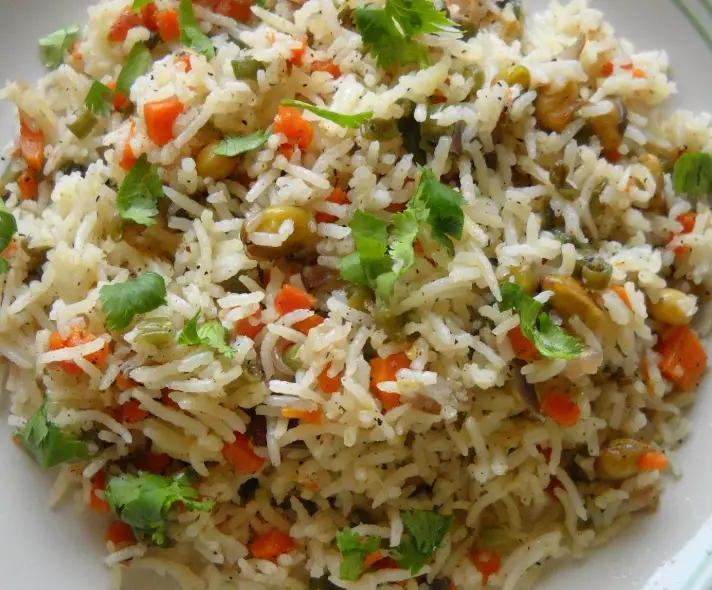
- Measure & Rinse: 1 cup basmati rice. Rinse under cold water, gently agitating with your fingers, 4-5 times until the water is no longer cloudy.
- Soak: Cover with fresh water and let sit for 20 minutes. Drain completely.
- Temper: In a heavy-bottomed pot, heat 1 tbsp ghee or oil. Add 1 bay leaf, 2-3 green cardamom pods (lightly cracked), 2 cloves, and a 1-inch cinnamon stick. Let them sizzle for 30 seconds.
- Toast the Rice: Add the drained rice and sauté gently for 2 minutes. This coats the grains in fat and gives a subtle nutty flavour.
- Cook: Add 1.5 cups of hot water (or mild stock) and ½ tsp salt. Bring to a vigorous boil. Immediately reduce heat to the lowest possible setting, cover tightly with a lid, and cook for 15 minutes. Do not open the lid.
- Rest: Turn off the heat. Let it sit, covered, for another 10 minutes. Then, fluff with a fork. The grains will be separate, fragrant, and perfectly cooked.
Beyond Basmati: Indian Rice Varieties Explained
Different dishes call for different rice. Here’s a quick guide to match the rice to the job.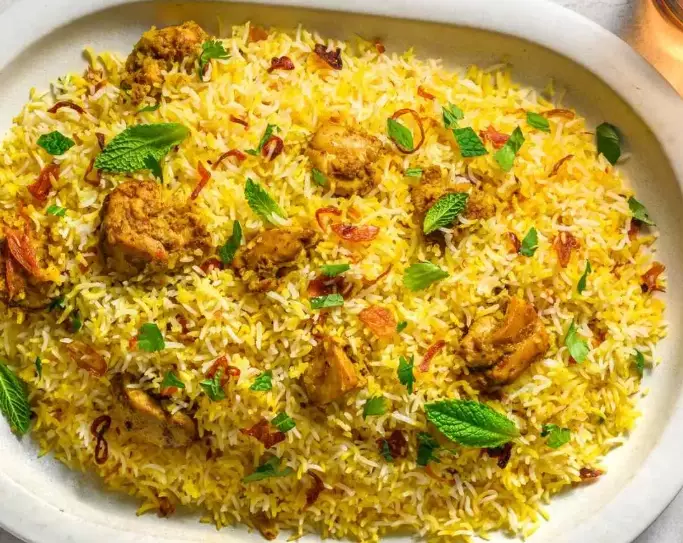
| Rice Type | Key Characteristics | Best Used For | Flavour Absorption |
|---|---|---|---|
| Aged Basmati | Long grains, aromatic, elongates, stays separate | Biryani, Pulao, Steamed Rice | High (for fats & aromatics) |
| Sona Masoori | Medium grain, soft, slightly sticky | Everyday meals with Dal, Sambar, Rasam | Medium |
| Jeera / Samba | Short grain, plump, robust | Lemon Rice, Tamarind Rice, Curd Rice | Very High |
| Brown Basmati | Nutty, chewy, higher fiber | Healthier versions of pulao | Lower (needs more liquid & time) |
Building Flavour Layers: Techniques from Tempering to Dum
The Art of Tempering (Tadka)
This is flavour engineering 101. Heat oil or ghee until it shimmers, then add whole spices. The order matters. Mustard seeds go first—they need high heat to pop. Then cumin, then dried chilies and curry leaves (they splatter). Finally, a pinch of asafoetida. Pour this sizzling oil over almost-cooked rice or mix it in at the beginning for dishes like jeera rice.
The "Dum" Technique (Slow Steaming)
The signature of a great biryani. After layering par-cooked rice and marinated meat in a heavy pot, the lid is sealed with dough or a damp cloth. It's then cooked on very low heat (dum). The steam circulates, the flavours marry, and the bottom develops a slight crust (tahdig). You can mimic this at home by placing a griddle or tawa under your pot to diffuse heat and putting a heavy weight on the lid.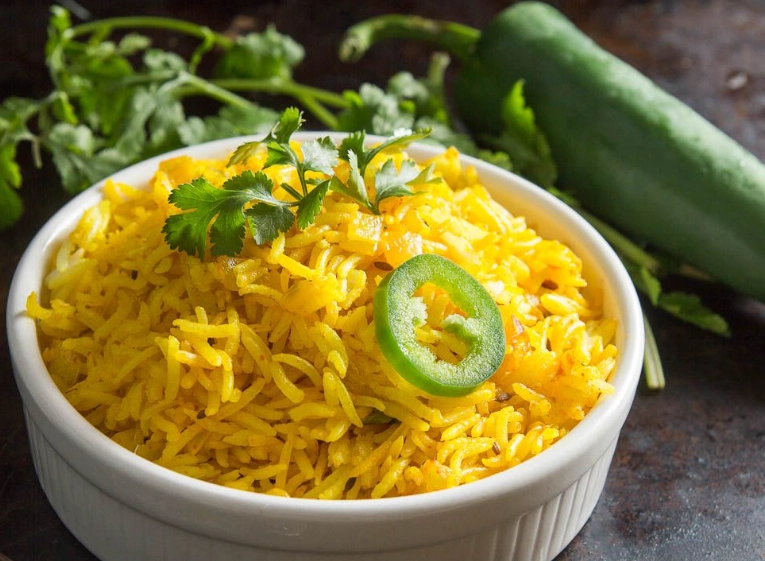
Putting It All Together: Recipe Walkthroughs
1. Jeera Rice (Cumin Rice) – The 15-Minute Flavour Bomb
This is where technique shines. It's not rice with cumin sprinkled on top.
- Rinse and soak basmati (as above).
- Heat ghee. Add 1.5 tsp cumin seeds. Let them turn a shade darker and smell toasty.
- Add drained rice, sauté 2 min.
- Add hot water, salt, a couple of green cardamom pods. Cook on low, covered, 15 min.
- Rest. Fluff. The cumin flavour is in every bite, not just on the surface.
2. Vegetable Pulao – The One-Pot Wonder
A step up from steamed rice. Here, the rice cooks in the spiced vegetable broth.
- Sauté whole spices (cardamom, cloves, cinnamon) in ghee.
- Add sliced onions, cook until golden. Add ginger-garlic paste, fry for a minute.
- Add mixed veggies (carrots, peas, beans), sauté 2-3 min.
- Add rinsed basmati rice. Stir to coat.
- Add water (about 1.25 cups per cup of rice, as veggies release water), salt, a pinch of turmeric and garam masala.
- Bring to boil, cover, reduce to lowest heat. Cook 15 min. Rest 10. Fluff.
3. The Biryani Mindset (A Framework, Not Just a Recipe)
Biryani is a project. The goal is distinct layers of flavour and texture.
- Marinate: Yogurt, spices, ginger-garlic, fried onions, meat/veg. Overnight is best.
- Par-cook the Rice: Boil basmati with whole spices until it's 70% cooked. Drain.
- Partially Cook the Protein: Cook the marinated mixture until the meat is half-done or the veggies are tender-crisp.
- Layer: In a heavy pot: a layer of meat/veg masala, a layer of rice, sprinkle of fried onions, cilantro, mint, saffron milk. Repeat.
- Dum: Seal and cook on very low heat for 25-35 minutes.
- The Grand Finale: Let it rest for 15 minutes. Then, serve from the side, getting a bit of every layer in each scoop.
The Saffron Debate: Soak your saffron threads in 2 tbsp of warm milk for 10 minutes before drizzling. But here's my take: a tiny pinch of high-quality saffron does more than a tablespoon of mediocre stuff. And for colour, many home cooks add a teaspoon of milk soaked with a few strands of saffron and a separate teaspoon with a drop of orange food colouring. It's not "cheating"—it's the traditional way to get that iconic golden-red streaked effect without using a fortune in saffron.
Your Questions, Answered
The journey to flavourful Indian rice is about moving from following instructions to understanding principles. Start with the right rice. Treat your spices like ingredients, not just seasoning. Respect the techniques—the low heat, the covered pot, the resting time. Once you internalize these, you won't just be making rice. You'll be building the fragrant, satisfying foundation of a great meal. Now, go put that pot on the stove.
Discussion