Ask anyone in India – from a busy Mumbai office worker to a farmer in Punjab – about the most popular rice dish, and you'll get the same answer before you even finish the question. It's biryani. This isn't just a meal; it's a celebration on a plate, a fragrant argument starter (Hyderabadi vs. Lucknowi, anyone?), and the undisputed champion of Indian comfort food. But calling it just a "rice dish" feels almost disrespectful. It's a meticulous craft, a layered symphony of spices, meat (or vegetables), and long-grained basmati rice, slow-cooked to perfection.
I remember my first real biryani experience wasn't in a fancy restaurant. It was at a crowded, noisy wedding in Lucknow. The giant deg (pot) was unveiled, and that steam carried an aroma that instantly made every other dish irrelevant. That's the power it holds.
Your Quick Guide to Biryani
What Makes Biryani So Special?
Let's clear up a major point of confusion right away. Biryani is not a pilaf or pulao, where everything is cooked together in broth. That's a different, albeit delicious, category. The soul of biryani lies in its two-part preparation and the final union.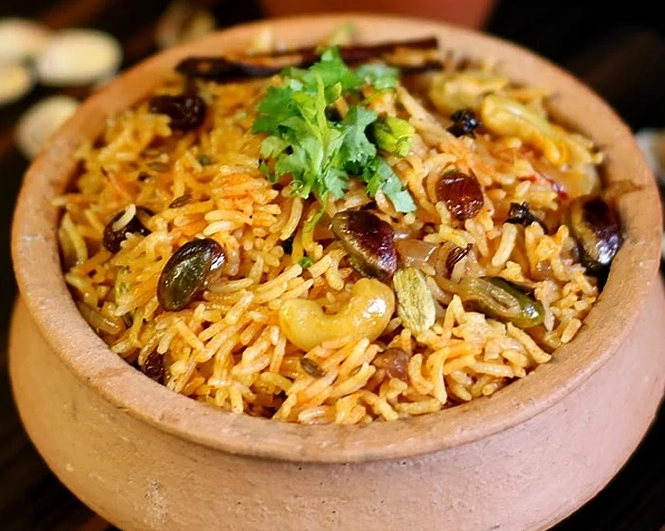
First, the meat (chicken, goat, lamb) is marinated for hours in yogurt and a potent blend of spices like cumin, coriander, cloves, cardamom, and cinnamon. This isn't a casual sprinkle; the marinade is a paste that tenderizes and deeply flavors every fiber.
Second, the basmati rice is parboiled with whole spices until it's about 70% cooked. The magic happens in the layering. A heavy-bottomed pot gets a layer of the marinated meat, a layer of the parboiled rice, a sprinkle of saffron-infused milk and fried onions, then repeat. The pot is sealed tight with dough to trap every molecule of steam, and it cooks on a very low flame for a long time. This method is called dum.
The result? Rice that's fluffy, aromatic, and each grain is separate, not sticky. The meat is fall-off-the-bone tender, and the flavors have mingled without becoming a mush. Every spoonful is a mix of rice, meat, and intense spice. That's the experience.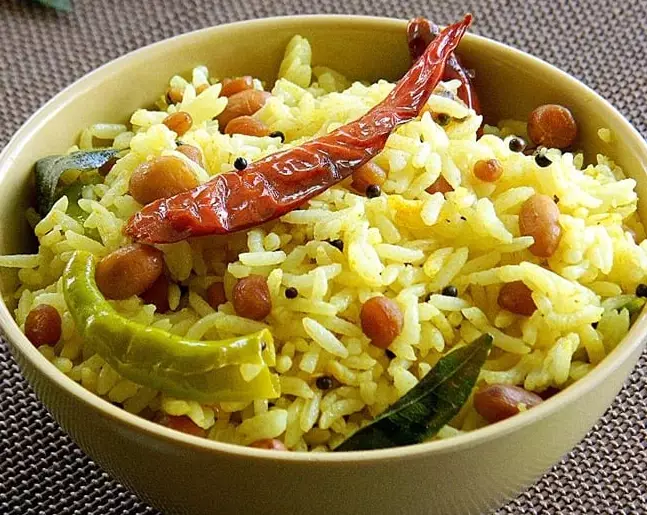
The Major Styles of Biryani Across India
India's diversity shines through its biryanis. The base technique is similar, but ingredients and slight method changes create distinct personalities. Here are the heavyweights:
| Style | Origin | Key Characteristics | Best For |
|---|---|---|---|
| Hyderabadi Biryani | Hyderabad, Telangana | Potent, fiery, and tangy. Uses lots of green chilies, lemon, and a shorter-grained rice sometimes. Famous for the Kacchi style where raw marinated meat is layered with raw rice and cooked together. | Those who love a serious spicy kick. |
| Lucknowi (Awadhi) Biryani | Lucknow, Uttar Pradesh | Elegant, subtle, and fragrant. The spices are milder, focusing on aroma. The meat is often cooked (Pakki style) before layering. Saffron and rose water are used generously. | Anyone seeking refined, aromatic flavors. |
| Kolkata Biryani | Kolkata, West Bengal | A unique, lighter descendant of the Lucknowi style. Distinct for adding whole boiled potatoes and eggs cooked with the meat. Uses a less intense spice mix and a bit of potato to absorb flavors. | A lighter, more balanced take with delightful surprises. |
| Malabar Biryani | Kerala | Uses a local short-grain rice (Khyma/Jeerakasala), giving it a different texture. Loaded with fried onions, cashews, and raisins. The flavor profile is distinct from the North Indian styles. | Explorers wanting a Southern coastal twist. |
Then you have the countless others: the spicy Chettinad biryani from Tamil Nadu, the Sindhi biryani with its signature sour twist, the Bombay biryani with potatoes... the list is a delicious rabbit hole.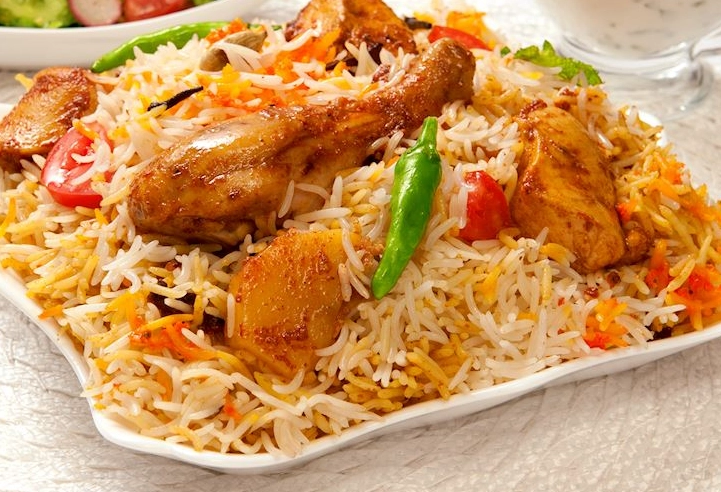
The One Cooking Secret Most Home Cooks Miss
After talking to home cooks and chefs for years, one mistake comes up constantly: overcooking the rice before the dum.
The anxiety of undercooked rice makes people boil it until it's almost fully done. Big mistake. When you layer that soft rice and put it on dum, it turns into a sticky, mushy mess. The rice should be very firm at the core when you drain it – think 70% cooked, 30% raw. Trust the process. The trapped steam and slow heat during the final dum phase will finish the job perfectly, leaving you with distinct, long grains.
It feels wrong when you're doing it. But it's the single biggest upgrade to your homemade biryani game.
Where to Eat Legendary Biryani in India
You can get decent biryani in many places, but some spots are pilgrimage sites. Here’s a quick, opinionated guide.
Karim's, Delhi (Jama Masjid area)
Founded in 1913, this place near the historic Jama Masjid is an institution. It's not fancy – think shared benches and bustling crowds. Their Mutton Burra Biryani is legendary. The meat is incredibly tender, and the rice is saturated with decades of flavor. It's robust, hearty, and feels ancient. Go for the experience as much as the food. Expect to spend around ₹600-800 for a hearty meal for two. Open 12 PM to 12:30 AM. Be prepared to wait, especially on weekends.
In Hyderabad, the debate is eternal: Paradise vs. Bawarchi vs. Shah Ghouse? For a classic, no-frills plate, I lean towards Bawarchi at RTC Cross Roads. Their biryani is consistently fiery and flavorful, with perfectly cooked meat. A full chicken biryani costs about ₹500. It's always packed.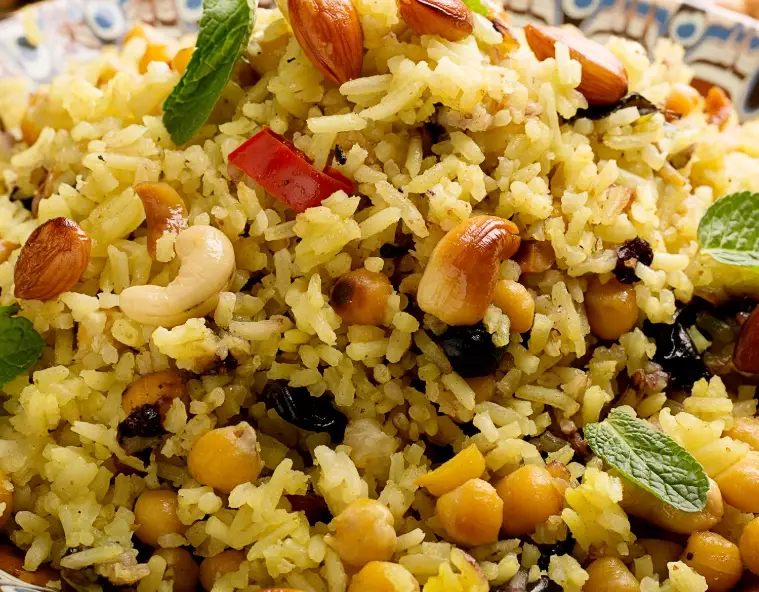
In Kolkata, skip the fancy spots and head to Arsalan or Shiraz Golden Restaurant on Park Street. The biryani here, with its signature aloo (potato) and egg, is a different, comforting beast. A plate is around ₹250.
For a fantastic Lucknowi experience in Mumbai, Lucknowi Zaika in Andheri does a remarkable job capturing the delicate aromas. It's pricier but authentic.
Common Biryani Variations You Should Know
While chicken and mutton rule, the world of biryani is vast:
- Vegetable Biryani: Don't dismiss it. With potatoes, cauliflower, carrots, and peas marinated and cooked the same way, it's a stunning dish. Places like Moti Mahal Delux in Delhi do a famous version.
- Egg Biryani: A budget-friendly and protein-packed favorite. Hard-boiled eggs are added to the layers, absorbing all the masala goodness.
- Prawn/Fish Biryani: Common in coastal regions like Kerala and Goa. The cooking time is shorter to avoid rubbery seafood, resulting in a lighter but incredibly flavorful biryani.
Then there's the "Biryani" served in many Western Indian restaurants – often a baked rice casserole with curry poured over it. Purists scoff, and I get it. It's not authentic dum biryani. But let's be honest, sometimes that cheesy, baked fusion dish hits the spot. Just know what you're getting.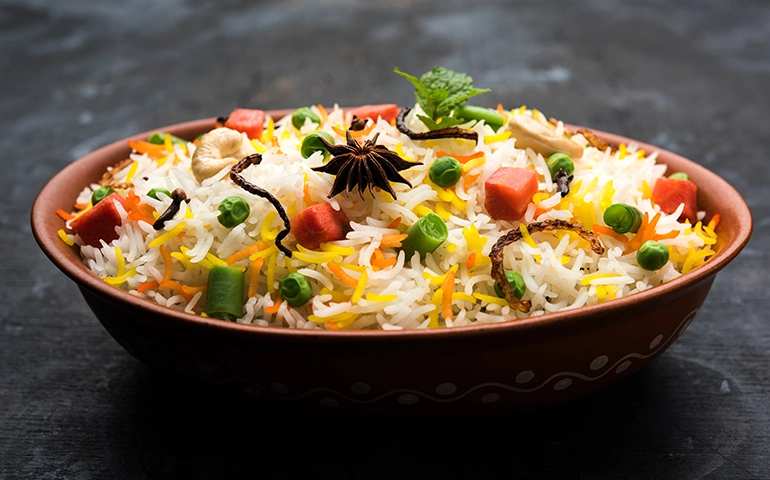
Making a Simplified Biryani at Home (A Realistic Approach)
Making a full-fledged dum biryani is a project. Here's a simplified "pot" method that delivers great flavor without the sealing-with-dough drama.
1. Marinate: Take 500g chicken (on bone), 1 cup yogurt, 2 tbsp ginger-garlic paste, 1 tsp each of turmeric, red chili powder, garam masala, and salt. Add fried onions (store-bought is fine). Mix well, cover, and refrigerate for at least 2 hours, overnight is better.
2. Parboil Rice: Wash and soak 2 cups basmati rice for 30 mins. In a large pot, bring water to a boil with 2 bay leaves, 4 green cardamoms, 4 cloves, 1 cinnamon stick, and salt. Add the drained rice and cook for exactly 5-6 minutes after it returns to a boil. Drain immediately. The rice will be very undercooked. Perfect.
3. Layer & Cook: In a heavy-bottomed pot, spread half the marinated chicken. Top with half the parboiled rice. Sprinkle some fried onions, chopped mint/cilantro, and a few strands of saffron soaked in 2 tbsp warm milk. Repeat layers. Add ¼ cup water around the edges. Cover with a tight-fitting lid. Cook on the lowest possible heat for 25 minutes. Turn off the heat and let it sit, covered, for another 15 minutes. Do not peek!
4. Serve: Gently fluff up from the side with a fork, bringing rice and meat from the bottom up. Serve with a simple raita (yogurt with cucumber and mint).
It won't win a competition in Hyderabad, but it will be miles better than any takeout and fill your kitchen with that incredible smell.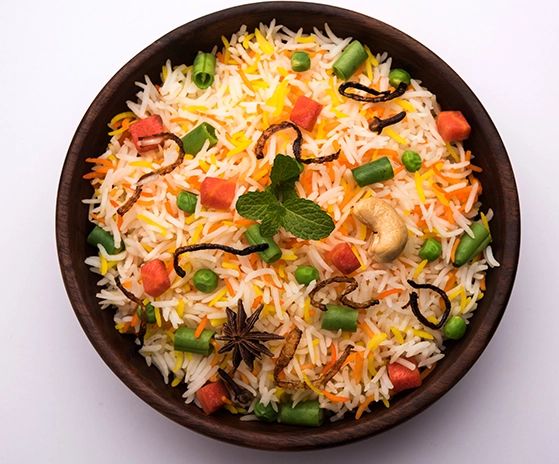
Your Biryani Questions, Answered
What is the real difference between Biryani and Pulao?
It all comes down to the cooking method. Pulao is a one-pot wonder: rice, meat/veggies, and broth cook together from the start. Biryani is a layered affair. The meat is marinated and often partially cooked separately, the rice is parboiled separately, and then they are meticulously layered and slow-cooked (dum) together. This gives biryani its distinct grains and more complex, intermingled flavors. The spice profile is also typically more intense in a biryani.
Can I make a good vegetarian or vegan Biryani?
Without a doubt. A well-made vegetable biryani is a masterpiece. The key is to use vegetables that hold their shape: potatoes, cauliflower, carrots, and green beans are classics. For protein, you can add paneer (Indian cottage cheese) or fried tofu. The process is the same—coat the veggies in a spiced yogurt marinade, layer with parboiled rice, and cook on dum. The vegetables release their own juices, creating a fantastic flavor. For vegan, use a plant-based yogurt or a thick paste of cashews and water for the marinade.
What's the most common mistake people make when cooking Biryani at home?
I see it all the time: overcooking the rice in the initial boiling stage. Fear of hard rice leads people to boil it until it's almost edible. By the time it goes through the dum process, it turns to mush. You need courage. Drain the rice when it's still very firm in the center. The slow steam during dum will finish cooking it to a perfect, separate-grained texture.
How long does leftover Biryani last, and what's the best way to reheat it?
In an airtight container in the fridge, it's good for 3-4 days. The microwave is the enemy here—it dries it out and makes the rice hard. The best method is stovetop revival. Take the portion you need, sprinkle a tablespoon of water or milk over it, and put it in a small pan or pot. Cover it with a tight lid and heat it on the lowest flame for 5-7 minutes. The gentle steam rehydrates and reheats it perfectly, almost bringing it back to life.
The journey into biryani is endless. You can spend a lifetime exploring its regional nuances, arguing over the best version, and trying to perfect your own recipe. But that's the beauty of India's most popular rice dish. It's not just something you eat; it's a conversation, a tradition, and a labor of love that always feels worth the effort.
Discussion