Your Cooking Compass
Let's be honest. The phrase "Indian rice recipes with chicken" probably makes you think of biryani first, right? That fragrant, spiced, sometimes intimidating dish. I get it. My first attempt at biryani years ago was... well, let's just say the rice was mush and the chicken was dry. A total disaster. But that failure sent me down a rabbit hole, talking to home cooks, bothering restaurant chefs, and burning more than a few pots of rice in my own kitchen. What I discovered is that Indian chicken and rice dishes are a universe of flavor, not just one star. And the best part? Many of them are way simpler than that infamous biryani.
This isn't about rigid, restaurant-style perfection. It's about the joy of getting a pot of something incredibly tasty on your table without needing a degree in spice blending. We're talking about comfort food that sings with cumin, coriander, turmeric, and ginger. Food that fills your kitchen with the kind of smells that make everyone ask "what are you cooking?" hours before it's ready.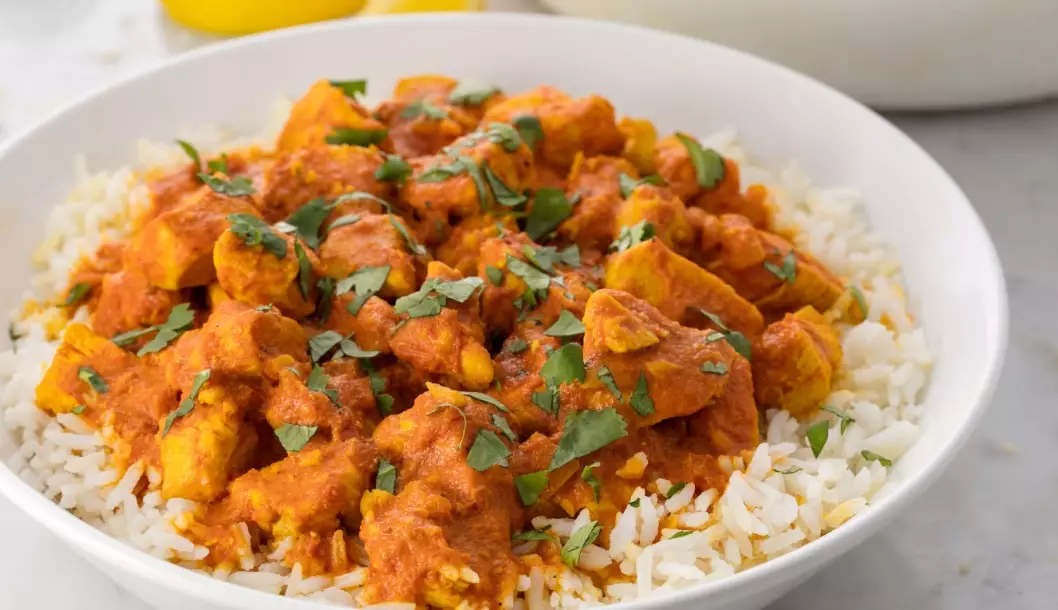
The Essential Foundations: What You Really Need to Know
Before we jump into the recipes themselves, let's clear up a few things. Indian cooking, especially when it comes to these one-pot wonders, relies on a few key principles. It's not about having every spice under the sun, but about using a core set well.
First, the rice. Not all rice is created equal. For most Indian rice recipes with chicken, you want a long-grain variety like Basmati. Why? It stays separate, fluffy, and absorbs flavors like a dream. That distinctive aroma is half the battle. You can use other long-grain rice in a pinch, but the texture and final look just won't be the same. I made that mistake once, using jasmine rice for a pulao. It tasted fine, but it was sticky and clumpy, not the light, separate grains I was after.
Then there's the chicken. Bone-in, skin-on chicken thighs are the undisputed champion for these dishes. They stay juicy through the longer cooking times and impart more flavor to the rice. Breast meat can dry out too easily. If you're really in a hurry, boneless thighs work, but reduce the cooking time a bit. I learned this the hard way after serving a dry chicken biryani to friends—never again.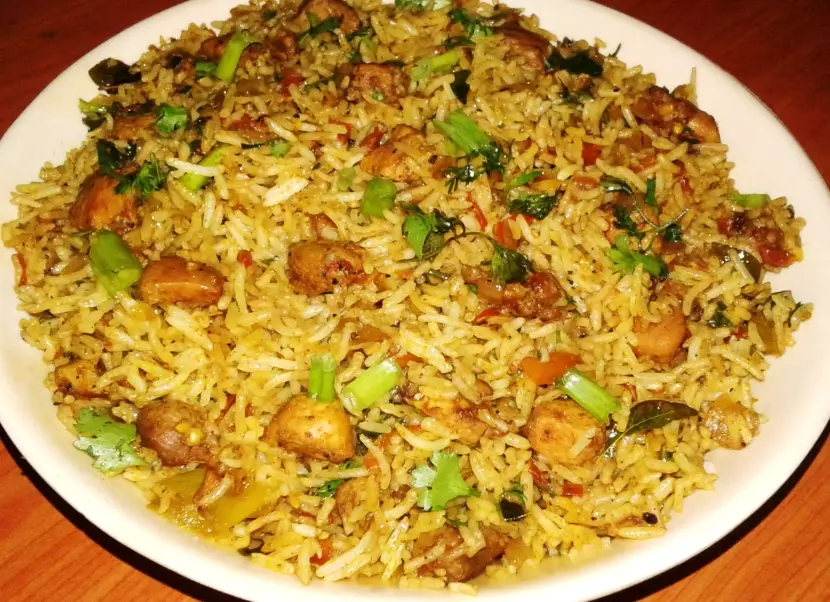
The Spice Cabinet Shortlist
You don't need a massive collection. Here's the core team that will get you through 90% of Indian rice recipes with chicken:
- Cumin Seeds & Ground Cumin: Earthy, nutty, the base note.
- Coriander Seeds & Ground Coriander: Citrusy, floral, the balancing act.
- Turmeric Powder: Earthy, peppery, and gives that glorious golden color.
- Garam Masala: The finishing spice blend (add it late!). It's like the final tuning of an instrument.
- Whole Spices for "Tadka" (Tempering): Cinnamon sticks, cardamom pods (green and black), cloves, bay leaves. You don't eat these, but they infuse the oil with incredible aroma.
Fresh ingredients are non-negotiable too. Onions, ginger, garlic, green chilies, and fresh cilantro. That's the fresh, pungent, vibrant layer that balances the dried spices.
Top Indian Rice Recipes with Chicken You Can Actually Make
Okay, let's get to the good stuff. Here are the classics, broken down without the fuss.
1. The Icon: Chicken Biryani (The Layered Celebration Dish)
Let's tackle the elephant in the room. Biryani is the king of Indian rice recipes with chicken. It's a special-occasion dish where par-cooked rice is layered with marinated, partially cooked chicken and then "dum" cooked (steamed on low heat). The result is distinct layers of flavor. It's a project, I won't lie. But a deeply satisfying one.
The method can be confusing—Kacchi (raw) vs. Pakki (cooked) biryani, different regional styles (Hyderabadi, Lucknowi, Kolkata). My advice? Start with a simple Pakki method. Partially cook the chicken curry and the rice separately, then layer and steam. It's more forgiving. The key is the sealing of the pot. Traditionally, dough is used to seal the lid. At home, a tight-fitting lid with a heavy weight on top or a layer of foil under the lid works.
Homemade biryani will almost never be as rich or colorful as a restaurant's (they use more ghee, cream, and food color). But it will be fresher, more balanced, and you'll know exactly what's in it. The pride of making it is part of the flavor.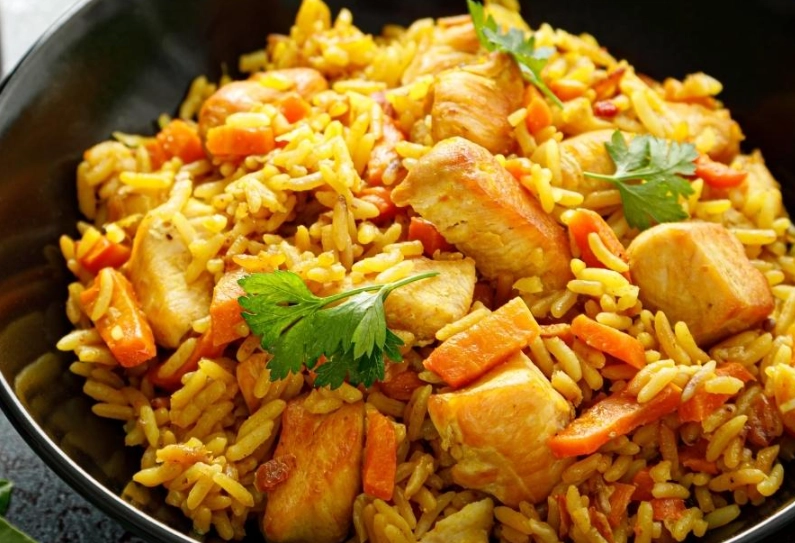
2. The Weeknight Hero: Butter Chicken Pulao
Now, this is where the magic happens for busy people. Pulao (or Pilaf) is the simpler, quicker cousin of biryani. The rice is cooked directly in the spiced broth with the chicken and vegetables. One pot, less steps, incredible results. This is my absolute go-to for a Tuesday night.
Imagine the flavors of butter chicken—tomato, cream, cashews, mellow spices—but in a hearty rice dish. You sauté onions, ginger, garlic, add spices, throw in chicken pieces to brown, add tomatoes and a splash of water, then add the washed rice and more liquid. Cover and cook. That's it. The rice soaks up all the chicken juices and spiced tomato gravy.
You can add peas, carrots, bell peppers. It's flexible. The result is a cohesive, moist, and deeply flavorful dish where every grain of rice is stained with flavor. It’s the ultimate comfort food and a brilliant gateway into cooking Indian rice recipes with chicken.
3. The Ultimate Comfort Food: Chicken Khichdi
If you've never heard of Khichdi, you're missing out. It's India's ultimate comfort food, often given to kids and people feeling under the weather. But the version with chicken? It's a hearty, wholesome, porridge-like dish made with rice, lentils (usually moong dal), chicken, and gentle spices.
This is the easiest recipe of them all. There's no frying, no complex layering. You just rinse the rice and lentils, throw them in a pot with chicken, turmeric, cumin, ginger, salt, and lots of water. Cook until everything breaks down into a soft, comforting mush. It's seasoned with a final "tadka" of ghee with cumin and garlic poured on top.
It sounds simple, and it is. But the flavor is profound in its simplicity. It's warm, nourishing, and incredibly easy to digest. Don't knock the "mush" texture—it's the point. This is the dish that proves Indian rice recipes with chicken don't have to be complex to be soul-satisfying.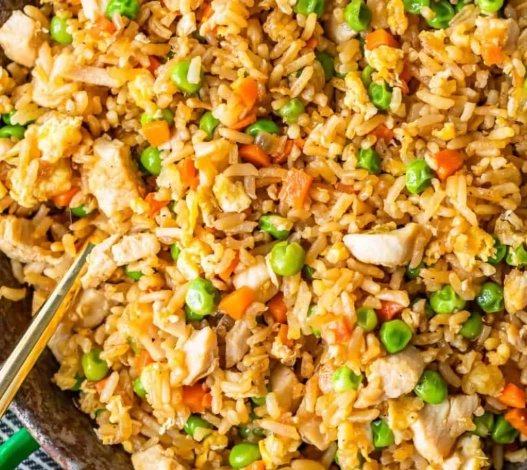
| Dish | Effort Level | Key Characteristic | Best For |
|---|---|---|---|
| Chicken Biryani | High (Project) | Fragrant, layered, distinct rice & meat | Weekends, celebrations, impressing guests |
| Chicken Pulao | Medium-Low (Weeknight) | One-pot, rice cooked in spiced broth | Family dinners, meal prep, easy flavor |
| Chicken Khichdi | Low (Simple) | Porridge-like, wholesome, comforting | Comfort food, busy nights, feeling under the weather |
Beyond the Classics: Regional Gems & Quick Ideas
The world of Indian rice recipes with chicken doesn't end there. Once you're comfortable, explore these:
- Chicken Tehri: A North Indian one-pot dish similar to pulao but often with potatoes and a different spice mix.
- Chicken Bagara Rice (Hyderabadi): A flavorful rice dish where the chicken is cooked separately in a rich gravy (bagaar) and then mixed with rice. Less formal than biryani, more robust than pulao.
- Lemon Rice with Chicken: Take a South Indian lemon rice (tangy, nutty) and add shredded cooked chicken for a bright, quick meal.
 The point is to start cooking, not just reading about it.
Common Pitfalls & Pro Tips From My Kitchen (and My Mistakes)
I've made the mistakes so you don't have to. Here’s the real talk.
- Water Ratio is King: This is the most common fail point. 1 cup of Basmati rice usually needs about 1.5 cups of water for pulao/khichdi (it's already been soaked). For biryani where rice is par-boiled, you need more boiling water. Sticky rice? Too much water. Undercooked rice? Too little. Use a measuring cup until you get the feel for it.
- Don't Skip the "Tadka": That final flourish of heating whole spices in ghee or oil and pouring it over the finished dish? It's not just for show. It adds a burst of aroma and a layer of flavor that's entirely different from spices cooked in the stew. It wakes the whole dish up.
- Salt in Stages: Season your chicken while marinating. Season the cooking liquid for the rice. Taste at the end. Undersalted Indian food tastes flat and lets the spices taste dusty.
- The Rest is Best: When your one-pot chicken and rice is done, turn off the heat, leave the lid on, and walk away for 10 minutes. Let it rest. This allows the steam to finish cooking the rice evenly and lets everything settle. Then fluff with a fork.
Frequently Asked Questions (The Stuff You Actually Google)
Final Thoughts: Just Start Cooking
The world of Indian rice recipes with chicken is vast and welcoming. Don't get paralyzed by the idea of authenticity or having every single spice. The most authentic thing you can do is cook food your family enjoys eating.
Start with a simple chicken pulao. It's hard to mess up. Get comfortable with the process of tempering spices, cooking the aromatics, and nailing the rice-to-water ratio. From there, the confidence to try a biryani or a regional specialty will come naturally.
Remember, every home cook in India has their own version of these dishes. There is no single "correct" recipe, only the one that works for you. So grab a pot, some Basmati rice, a few chicken thighs, and your core spices. Your kitchen is about to smell amazing.
Discussion