Quick Guide
You know that feeling when you walk into an Indian restaurant and the aroma just hits you? That incredible, complex, can't-quite-put-your-finger-on-it smell that makes your stomach rumble? I remember the first time I tried to recreate that at home. I had a single jar of generic “curry powder” from the supermarket. The result was... well, let's just say it was edible, but it wasn't that smell. It wasn't that taste.
The secret, I learned after many bland and awkward meals, isn't just the individual spices. It's the blends.
Indian spice blends, or masalas, are the soul of the cuisine. They're not random mixes; they are carefully balanced formulas of herbs and spices, ground together to create a specific flavor profile for certain dishes. Think of them as the foundation. Get the blend right, and you're 80% of the way to an incredible meal.
Here’s the truth: Most store-bought blends are stale, bland, and often contain fillers or anti-caking agents. Making your own is cheaper, more flavorful, and gives you complete control. Plus, your kitchen will smell amazing.
The Big Three: Essential Indian Spice Blends You Must Know
While there are dozens of regional blends, these three form the backbone of North Indian cooking. Master these, and a world of recipes opens up.
Garam Masala: The Warm One
Literally meaning "warm spice mix," garam masala is often misunderstood in the West. It's not a curry powder substitute. It's a finishing blend.
You typically add a pinch at the end of cooking or sprinkle it on as a garnish. The spices are usually dry-roasted to deepen their flavor, resulting in a warm, sweet, and slightly pungent aroma. It’s the final layer of complexity.
Classic Garam Masala Recipe (Makes about ½ cup)
| Spice | Quantity | Why It's In There |
|---|---|---|
| Coriander seeds | 3 tbsp | Base, citrusy sweetness |
| Cumin seeds | 2 tbsp | Earthy, warm foundation |
| Black peppercorns | 1 tbsp | Heat and bite |
| Green cardamom pods | 10-12 | Floral, sweet top note |
| Cinnamon stick (2" piece) | 1 | Warm, woody sweetness |
| Cloves | 1 tsp | Intense, pungent warmth |
| Bay leaves (Indian if possible) | 2-3 | Subtle herbal background |
Method: Dry roast all spices on medium-low heat for 3-4 minutes until fragrant. Let cool completely. Break the cinnamon and cardamom pods. Grind to a fine powder. Store in an airtight jar. Use within 3 months for peak flavor.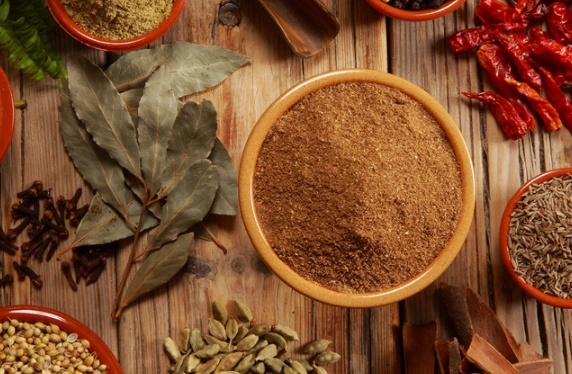
My tip: Don't go overboard with cloves. They can dominate the whole blend if you're not careful. I learned that the hard way with a slightly medicinal-taste biryani.
Curry Powder: The British-Indian Export
Let's clear this up: "Curry powder" as a single, universal blend is a Western invention. In India, every dish has its own mix. However, the commercial curry powder we know is based on South Indian flavors—bright, yellow, and turmeric-forward. It's a great all-purpose blend for quick dishes.
All-Purpose Madras-style Curry Powder
- 4 tbsp Coriander seeds
- 2 tbsp Cumin seeds
- 2 tbsp Turmeric powder (add after roasting others)
- 1 tbsp Fenugreek seeds (use sparingly, they're bitter!)
- 1 tbsp Black mustard seeds
- 1 tsp Black peppercorns
- 4-6 Dry red chilies (adjust to heat preference)
- 1 tsp Asafoetida (hing) - optional but authentic
Method: Dry roast coriander, cumin, fenugreek, mustard, peppercorns, and chilies until the mustard seeds pop. Cool. Add turmeric and asafoetida. Grind finely. This is your base for vegetable curries, lentils (dals), and marinades.
Chaat Masala: The Tangy Sprinkle
This is the fun one. Chaat masala isn't for cooking; it's for sprinkling on finished food. It's sour, salty, spicy, and utterly addictive. The key ingredient is dried mango powder (amchur), which gives it that signature tang.
You'll find it on street food snacks, but honestly, I sprinkle it on everything: fruit (yes, really—try it on watermelon), fries, salads, roasted vegetables. It wakes up any simple dish.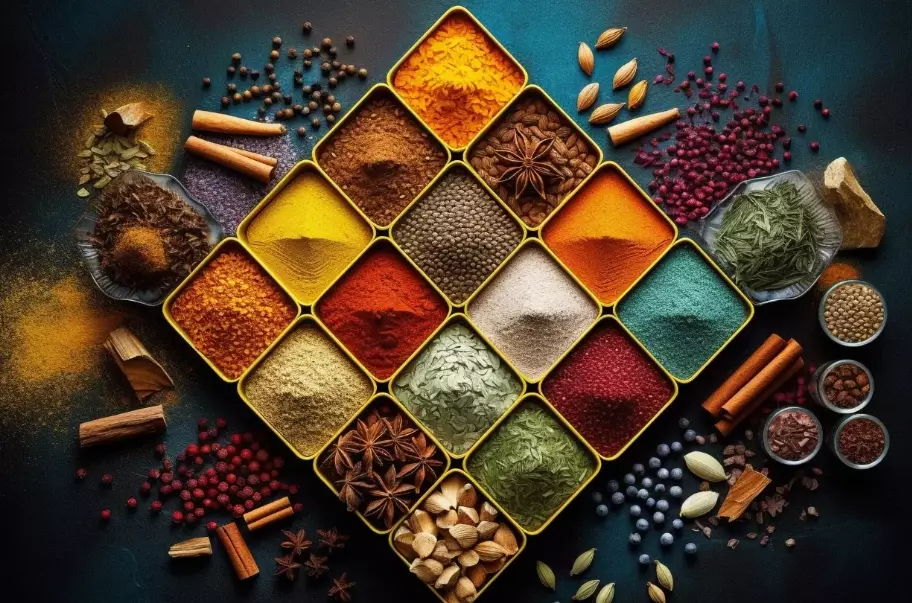
Quick Chaat Hack: No time to make it? Mix equal parts store-bought chaat masala with a little extra amchur and roasted cumin powder. Instantly better.
Beyond the Basics: Niche & Regional Indian Spice Blends
Once you're comfortable, explore these. They turn specific dishes from good to legendary.
Sambar Powder
The heart of the South Indian lentil stew, sambar. Heavy on lentils (chana dal), coriander, and dried red chilies. Toasty and robust. You can find an authentic recipe from sources like Veg Recipes of India.
Panch Phoron
A Bengali whole spice blend (not ground). Equal parts fenugreek, nigella, cumin, fennel, and mustard seeds. Used for tempering in oils. Fragrant and unique.
Biryani Masala
More complex than garam masala, often including stone flower (dagad phool) and rose petals. It's what gives biryani its unmistakable, luxurious scent.
Your DIY Spice Blend Toolkit: How to Make & Store Them
It's easier than you think. You don't need fancy gear.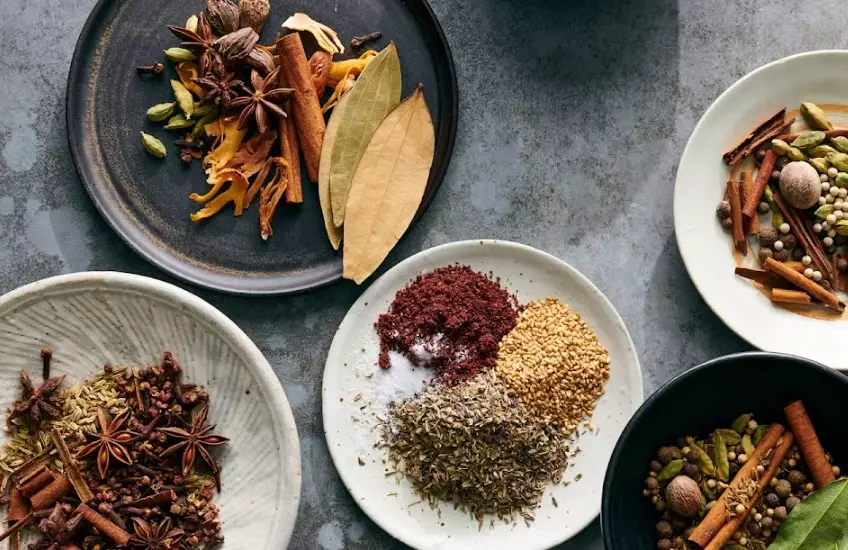
- Buy Whole Spices: Always start with whole seeds, pods, and sticks when possible. They retain their oils and flavor much longer than pre-ground powder. I get mine from a local Indian grocery—the turnover is high, so they're fresh.
- The Roasting Rule: Dry roast spices in a heavy pan (no oil) on medium-low heat. Keep them moving. They're done when you smell their aroma deeply, usually 2-4 minutes. Immediately pour them onto a cool plate. This stops the cooking.
- Let them cool completely.
- Grinding: A cheap coffee grinder dedicated to spices is the best tool. A high-powered blender works too. Grind in short bursts to avoid heating the spices, which can make them bitter.
- Storage is Key: An airtight glass jar in a cool, dark cupboard. Not above the stove! Write the date on it. Most homemade blends are best used within 2-3 months.
Pro Move: Make small batches. It ensures freshness and lets you tweak the ratios next time. My first garam masala was too heavy on clove. The next batch was perfect because I adjusted.
How to Actually Use These Blends: From Jar to Pan
This is where people get stuck. Here’s a simple guide.
| When to Add It | Which Blend | Example Dish | The Effect |
|---|---|---|---|
| At the start ("blooming") | Curry Powder, Sambar Powder | Basic vegetable curry | Flavor infuses the oil and base of the dish |
| During cooking | Most blends, except Garam Masala | Butter chicken sauce simmering | Flavor integrates and mellows into the gravy |
| At the very end | Garam Masala, Chaat Masala | Finished dal, biryani, or grilled corn | Adds a fresh, top-note aroma and burst of flavor |
So, you fry onions, ginger, garlic. You add your main curry powder blend, cook for 30 seconds. Then add tomatoes, your protein/veggies, water. Simmer. Just before serving, you stir in a teaspoon of garam masala. That's the classic sequence.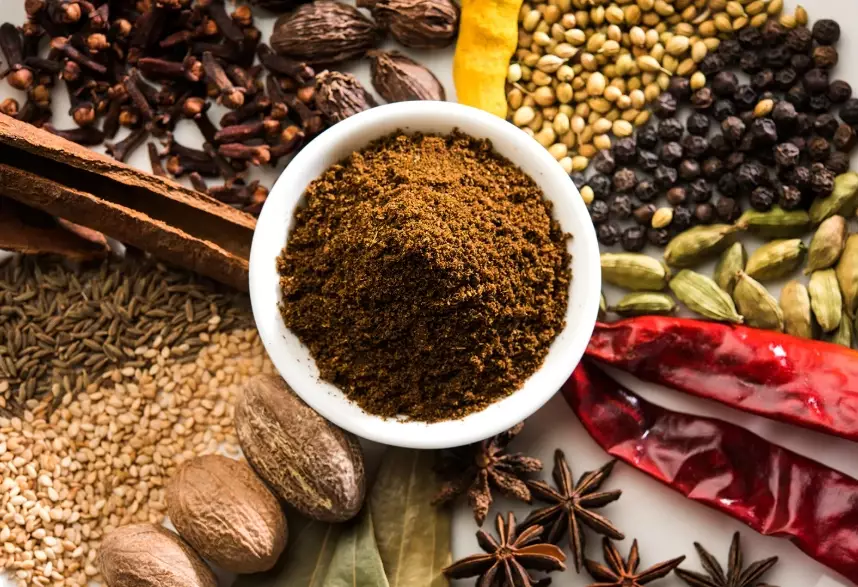
Common Spice Blend Questions Answered
Can I substitute garam masala for curry powder?
No. They serve different purposes. Curry powder is a base flavoring. Garam masala is a finishing aroma. Using one for the other will give you an unbalanced dish. If you're in a pinch and need a base, use a mix of ground coriander, cumin, and turmeric.
My spice blend tastes bitter. What went wrong?
You probably burned the spices while roasting or grinding. Spices roast fast. Use medium-low heat and constant motion. Also, letting them cool completely before grinding prevents the residual heat from "cooking" the powder.
Where can I buy authentic whole spices?
Local Indian, Pakistani, or Middle Eastern grocery stores are your best bet. The spices are cheaper and fresher. Online retailers specializing in Indian ingredients also work. For quality and sourcing information, checking trusted culinary resources like Serious Eats can provide good guidance.
How long do homemade blends really last?
They don't spoil, but they lose potency. After 3 months, they'll be noticeably less fragrant. That's why small batches win. If it smells dusty, not spicy, it's time for a new batch.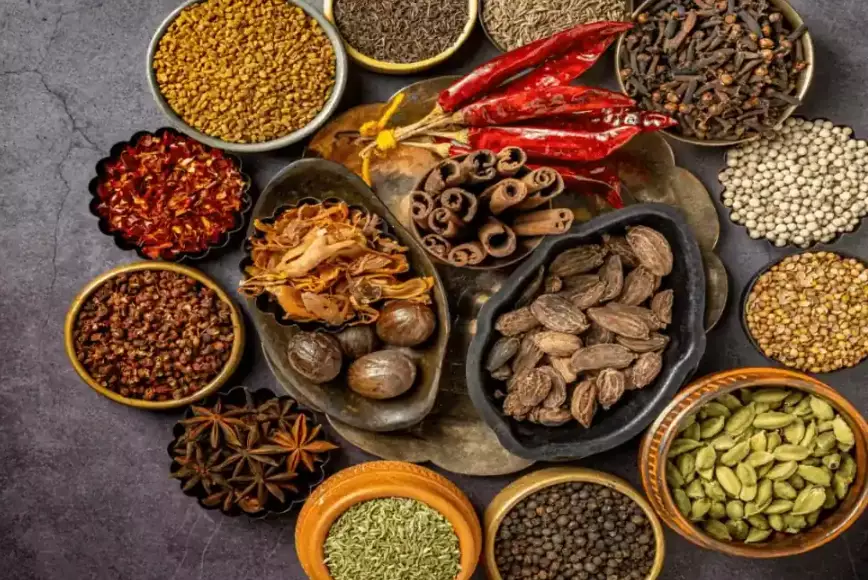
Ready to Start? Your First Week Plan.
Feeling overwhelmed? Don't be. Try this.
- Day 1: Buy whole coriander, cumin, black pepper, cardamom, cinnamon, and cloves. Make a small batch of garam masala.
- Day 3: Make a simple dal (lentil soup). Temper with cumin seeds, add your curry powder base. Finish with a pinch of your homemade garam masala.
- Day 5: Try sprinkling your garam masala on roasted cauliflower or chicken before putting it in the oven.
You'll taste the difference immediately. The flavors are brighter, deeper, more alive.
Mastering Indian spice blends isn't about memorizing a hundred recipes. It's about understanding a few core formulas and then making them your own. Start with the garam masala. Get the roast right. Smell that incredible aroma. It’s the first step into a whole new world of cooking.
Honestly, my supermarket curry powder sits in the back of the cupboard now, forgotten. Once you go homemade, there's no going back.
Discussion