In This Guide
Let’s be honest. The first time I tried to cook a proper Indian meal from scratch, my kitchen looked like a spice bomb had gone off. There were little bowls everywhere, my onions were either undercooked or burnt to a crisp, and the final dish tasted… well, let’s just say it was a far cry from what I remembered from my favorite restaurant. It was frustrating. I knew the flavors I was chasing – that deep, complex, aromatic magic – but getting there felt like solving a puzzle with missing pieces.
That’s when I started talking to friends who grew up in Indian households, scouring old cookbooks, and yes, making a lot of mistakes. Over time, I collected a treasure trove of little tricks, those clever Indian cooking hacks that bridge the gap between daunting and doable. These aren't just tips; they're game-changers that save time, reduce waste, and most importantly, guarantee flavor. This isn't about cutting corners on taste, but about working smarter in the kitchen. So, whether you're a complete newbie or someone who's made a few curries and wants to level up, these insights are for you.
The Core Idea: Authentic Indian cooking at home isn't about having 100 spices. It's about understanding how to use 10 of them really, really well. The hacks below focus on maximizing those core ingredients.
Your Foundation: Hacks for Spices & The Flavor Base
This is where the magic starts. Get this part wrong, and you’re playing catch-up for the rest of the cook. Get it right, and you’re 80% of the way to an incredible dish.
Hack Your Spice Drawer (No More Stale Dust!)
We’ve all bought a jar of garam masala for one recipe, used a teaspoon, and watched it slowly lose its soul in the back of the cupboard for two years. Here’s how to fix that.
Buy Whole, Grind Small: This is the single most impactful shift you can make. The flavor compounds in spices are volatile. Once ground, they begin to evaporate and fade. Whole spices like cumin seeds, coriander seeds, cardamom pods, and cinnamon sticks have a shelf life that’s years longer. I buy them in small bags from Indian grocery stores (they’re incredibly cheap there) or online. Then, I use a simple coffee grinder—dedicated solely to spices—to grind small batches. The difference in aroma when you open the grinder is night and day. Your kitchen will smell like a professional kitchen. It takes an extra 60 seconds, but it elevates everything.
The “Bloom” is Everything (Tadka/Tempering): Many recipes just say “add cumin seeds.” But when and how you add them changes everything. The technique of *tadka* (tempering whole spices in hot oil or ghee) is non-negotiable. Here’s the hack: temperature matters. Mustard seeds need very hot oil to pop properly. Cumin seeds need medium-hot oil to sizzle and brown without burning. If your oil isn’t hot enough, you’ll get raw, bitter spices. Too hot, and they burn instantly, turning your oil acrid. My rule of thumb? Heat the oil until it shimmers, then test with one cumin seed. If it sizzles immediately, you’re good to go.
A friend's grandmother once told me, "The tadka is the soul of the dish." She wasn't wrong. That sizzle releases essential oils that infuse the entire dish with a depth you can't get by adding ground spices later.
DIY Blends in Minutes: Pre-made curry powder can be fine in a pinch, but it’s a one-note song. For specific dishes, make your own blends. For a quick garam masala, dry roast 2 tbsp coriander seeds, 1 tbsp cumin seeds, 1 tsp black peppercorns, 3-4 green cardamom pods, 1 small cinnamon stick, and 2 cloves until fragrant. Cool and grind. You’ve just made something ten times more vibrant than anything in a jar. Store it in a tiny airtight jar and use it within a month.
Mastering the Onion-Tomoginger-Garlic Trifecta
The holy grail of North Indian curries. Getting this base (*masala*) right is crucial.
The Onion Puree Shortcut: Many recipes call for cooking finely chopped onions for what feels like an eternity (25-30 minutes) until they’re golden brown and meltingly soft. Here’s a brilliant Indian cooking hack: grate your onions or blitz them into a coarse paste in the food processor. This massively increases the surface area, so they cook down and brown in about 10-12 minutes. You get the same sweet, deep flavor foundation in half the time. Just be careful not to burn them, as the paste can stick.
Never-Burn-Garlic-Again Trick: Garlic burns in a heartbeat and turns bitter. The solution? Add your ginger-garlic paste (another staple—you can buy it or make your own and freeze it in ice cube trays) after the onions have softened and you’ve added your ground spices like turmeric and coriander. The moisture from the paste and the spices creates a buffer, allowing the raw edge to cook off without the garlic hitting the direct heat of the pan and scorching.
Tomato Troublesolver: Watery tomatoes can make your curry thin and sour. If using fresh, grate them on a box grater, discarding the skin. For canned, use whole peeled tomatoes and crush them by hand—they’re usually better quality than pre-crushed. To quickly thicken a tomato-based sauce and mellow the acidity, add a small pinch of baking soda (literally a pinch!). It neutralizes acid and helps break down the tomatoes faster. Don’t overdo it, or you’ll taste it.
Prep & Cook Smarter: Time-Saving Kitchen Hacks
These are the practical, in-the-moment tricks that make the process smoother.
Pro Prep Tip: Spend 20 minutes on a Sunday prepping. Make ginger-garlic paste, chop and freeze cilantro, maybe even cook and freeze a big batch of onion masala. Future-you on a Wednesday night will be eternally grateful.
Meat & Legume Magic
- The Yogurt Marinade Miracle: For tender, flavorful chicken or lamb, don’t just use lemon juice or vinegar. Use full-fat yogurt. Its enzymes and acidity break down proteins gently, and its fat carries flavor deep into the meat. Add your spices to the yogurt, coat the meat, and let it marinate for a few hours or overnight. It’s the secret to restaurant-style tandoori and curries. For a safety note on marinating, the USDA Food Safety guidelines are a good resource.
- Soak Lentils with a Kick: Adding a pinch of turmeric or baking soda to the water when soaking beans or lentils like chickpeas (for chana masala) can help them cook faster and become more digestible.
- “Dhungar” Smokiness (Without a Grill): Want that smoky flavor of a clay oven (*tandoor*)? Heat a small piece of charcoal on an open flame until red-hot. Place it in a small metal bowl (like a foil cup) inside your pot of finished curry. Drizzle a teaspoon of ghee or oil over the coal. It will immediately start smoking. Quickly cover the pot with a tight lid. Let it sit for 5-10 minutes. Remove the coal bowl, and your curry will have an incredible, subtle smokiness. It’s a game-changer for dishes like dal makhani.
Vegetable Vibrancy
Keeping vegetables like spinach (for saag) or peppers bright green and not dull olive is all about managing heat and acid.
Blanch & Shock for Greens: For any dish with leafy greens, blanch them in boiling water for just 60-90 seconds, then plunge them into ice water. This stops the cooking process, locks in the vibrant color, and then you can puree them. Your saag will be a stunning green, not a murky grey.
Cook Peas from Frozen (Yes, Really): There’s no need to thaw frozen peas for a curry or pulao. Add them directly in the last 5 minutes of cooking. They’ll heat through perfectly and retain a sweet pop and bright color, avoiding that mushy, overcooked texture.
| Problem | Hack | Why It Works |
|---|---|---|
| Curry too thin / watery | Mash some of the cooked potatoes/vegetables against the pot wall, or make a slurry with 1 tbsp besan (gram flour) and water, then stir in. | Natural thickeners from within the dish itself, no floury taste. |
| Dish tastes flat, one-dimensional | Finish with a squeeze of lemon juice or a sprinkle of amchur (dry mango powder). | Adds a necessary top note of acidity to balance rich, spiced flavors. |
| Heavy cream curdling in hot curry | Let the cream come to room temp, temper it with a few spoons of hot curry first, then stir it in on low heat. | Prevents thermal shock, which causes the fat to separate. |
| Rice sticking in pulao/biryani | Soak basmati rice for 30 mins, use the *absorption method* (exact water), and let it steam off heat for 10 mins after cooking. | Soaking prevents breakage; resting allows steam to finish cooking and fluff up grains. |
Beyond the Recipe: The “Why” Behind Common Issues
Sometimes things go wrong. Here’s how to diagnose and fix them with some essential Indian cooking hacks.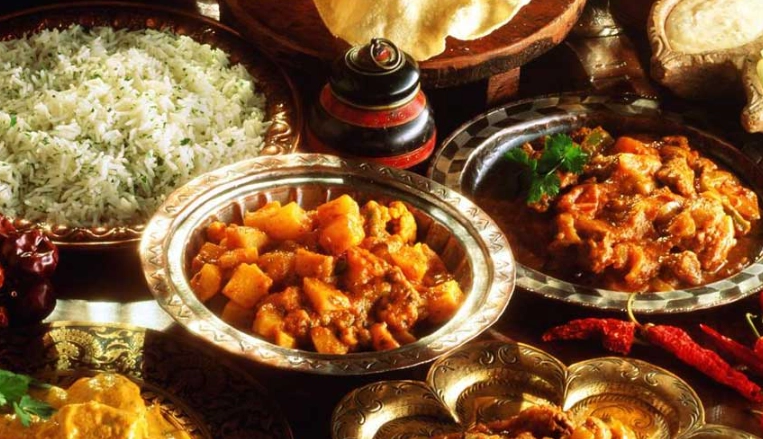
Why is my curry bitter? 99% of the time, it’s burnt garlic or burnt spices (especially turmeric, which burns very easily). You can’t un-burn it, but you can mask it slightly by adding a spoonful of yogurt or cream and a pinch of sugar, then simmering for a few minutes. Prevention is key: lower your heat when adding ground spices and ginger-garlic paste.
Why does my dish taste “raw” or dusty? Your ground spices haven’t been cooked enough. They need to “roast” in the oil for 30-60 seconds after you add them. You should smell their aroma transforming from sharp to warm and nutty. This is called “cooking the masala,” and it’s essential. The BBC Good Food guide to cooking spices explains this process well.
How do I get that restaurant-style rich, glossy gravy? Two words: **cashew paste** or **onion paste**. Soak a handful of cashews in hot water for 15 minutes, then blend into a smooth paste. Stir this into your curry near the end of cooking. It adds an unbelievable creaminess, body, and a slight sweetness without being heavy like cream. It’s the secret behind butter chicken and korma gravies.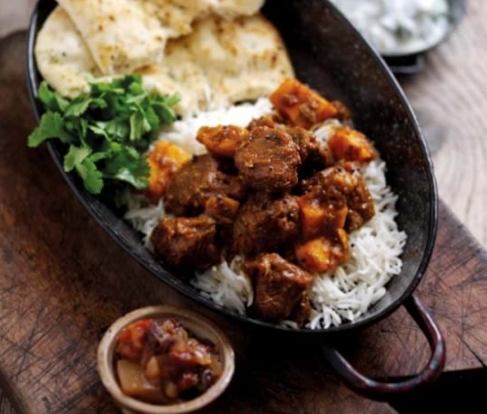
I learned the cashew trick the hard way. I kept adding cream to a butter chicken recipe, and it just got richer but never got that silky, clinging-to-the-spoon texture. A single batch with cashew paste fixed it forever.
Your Indian Cooking Hacks FAQ (Stuff You Actually Search For)
Let’s tackle those specific, nagging questions that pop up mid-recipe.
The Final, Non-Negotiable Hack: Taste, Taste, Taste
All these Indian cooking hacks are tools, but the most important tool is your own palate. Indian cooking is intuitive. Taste your food at every stage. After you add the spices, taste. After the tomatoes cook down, taste. Before you finish, ask yourself: Does it need salt? (It probably does). A pinch of sugar to round it out? A squeeze of lemon for brightness? Adjusting as you go is the master hack that no recipe can fully teach you.
It turns cooking from following instructions into a creative, satisfying act. Don’t be afraid to mess up. My first biryani was a soggy mess. But with each hack learned and applied, you build confidence. You start to understand the *why*, not just the *what*. And one day, you’ll find yourself improvising, throwing together a tadka and some leftovers into a meal that’s uniquely, deliciously yours. That’s the real goal. Now, go raid your spice cabinet—you’ve got this.
Discussion