Navigating This Guide
- What Does "Mild" Really Mean in Indian Cooking?
- The Golden Pantry: Essential Ingredients for Mild Indian Recipes
- Your Toolbox for Success
- The Recipe Collection: Mild Indian Dishes You'll Actually Make
- Building Your Own Mild Indian Recipe: A Simple Framework
- Answers to Your Burning Questions (That Aren't About Spice)
- A Final Thought: Embrace the Process
Let's be honest. My first real encounter with Indian food was... traumatic. I was in college, brave (or foolish), and ordered a chicken vindaloo. The waiter gave me a look I didn't understand. Five minutes later, tears were streaming down my face, my nose was running, and I was chugging water like I'd crossed a desert. I swore off Indian food for years. What a mistake.
I thought all Indian food was like that - a test of endurance. It wasn't until a friend, who also couldn't handle heat, invited me over for a homemade meal that my world changed. She made this creamy, fragrant chicken dish with rice that was so flavorful it danced on my tongue, but there was zero pain. No fire. Just incredible taste. That was my gateway. That's what this whole guide is about - discovering that world of mild Indian recipes that are packed with personality but won't leave you gasping.
The idea that Indian cuisine is universally spicy is one of the biggest misconceptions out there. So much of it is about layering flavors - earthy, sweet, tangy, aromatic. The heat is often adjustable, a guest, not the host. If you've been hesitant, or if you're cooking for kids, for someone with a sensitive stomach, or you just plain don't like feeling like you've eaten lava, you're in the right place. This is your manual for delicious, approachable, and genuinely satisfying Indian cooking that celebrates flavor over fire.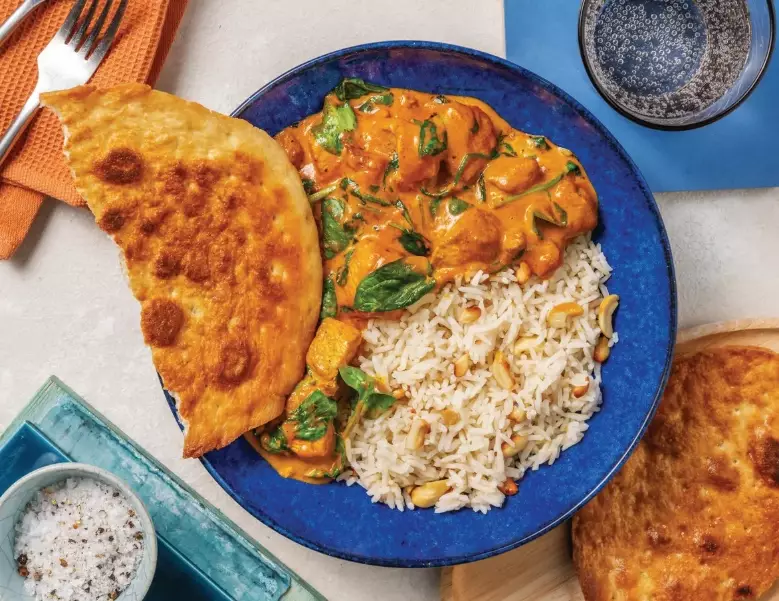
What Does "Mild" Really Mean in Indian Cooking?
This is where we need to start. "Mild" doesn't mean bland. It doesn't mean boring. In the context of these mild Indian recipes, it means the primary focus is on flavors other than capsaicin-induced heat. It means the dish is built on a foundation that everyone can enjoy.
Think of it like this: Indian spices are a symphony. Chili powder is the trumpet - loud and attention-grabbing. But a symphony needs violins (coriander, cumin), cellos (turmeric), flutes (cardamom, cinnamon), and percussion (mustard seeds, peppercorns). A mild dish turns down the trumpet and lets you hear the beautiful complexity of the whole orchestra.
Many classic Indian dishes are naturally mild or have well-known mild versions. The heat is frequently added at the end as a garnish or accompaniment, like a spicy pickle or chutney on the side, allowing each person to customize their plate. This approach is actually more traditional in many households than you might think.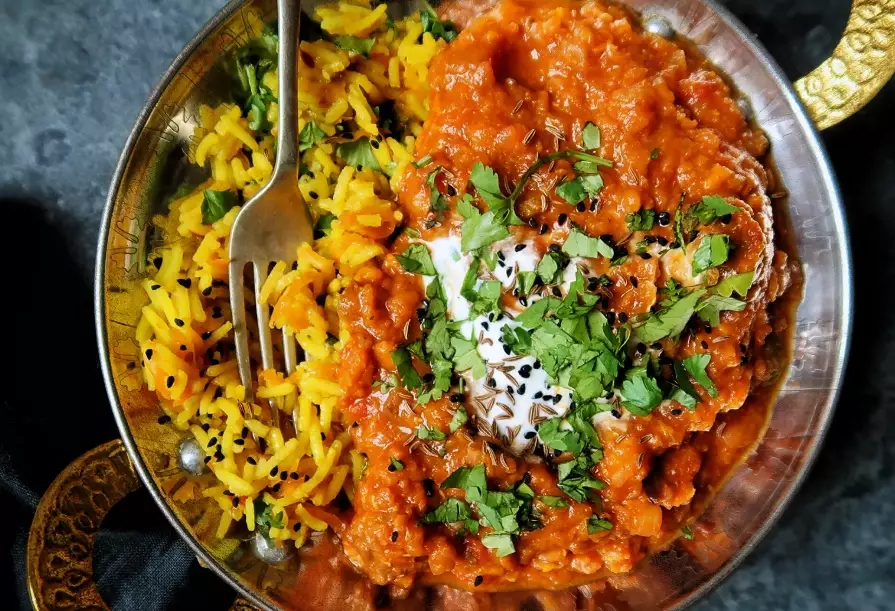
The Golden Pantry: Essential Ingredients for Mild Indian Recipes
You don't need a hundred spices. Really. A core set will let you cook a vast array of mild Indian food without spicy heat. Here’s the non-negotiable starter kit. I’ve bought fancy brands and cheap supermarket ones - for the dry ground spices, the difference isn't huge when you're starting out, so don't stress.
The Core Spice Rack
- Ground Coriander: The citrusy, sweet backbone. It's in almost everything. If I had to pick one, it's this.
- Ground Cumin: Earthy, warm, and slightly smoky. It and coriander are best friends.
- Turmeric: For that golden color and its earthy, slightly bitter flavor. It's a health powerhouse, too. (It stains, so be careful!).
- Garam Masala: This is a blend, not a single spice. It's the "warm spice mix" - usually containing cardamom, cinnamon, cloves, cumin, coriander, nutmeg, peppercorns. It's added at the end of cooking for aroma. Buy a good one from an Indian store if you can.
- Cumin Seeds & Mustard Seeds: For "tadka" or tempering - that sizzling oil infusion at the start or finish of a dish that adds a burst of flavor.
- Black Peppercorns: Your gentle heat replacement. Freshly cracked black pepper gives warmth without the sharp burn of chilies.
Fresh & Other Essentials
- Onions, Garlic, Ginger: The holy trinity of the base paste (along with tomatoes for many curries). Fresh ginger is a game-changer; the jarred paste works in a pinch but tastes different.
- Tomatoes: Canned crushed tomatoes are more consistent than fresh for curries, in my opinion. They provide body and tang.
- Ghee or Neutral Oil: Ghee (clarified butter) adds an authentic, nutty richness. Vegetable or avocado oil works perfectly fine.
- Heavy Cream, Yogurt, or Coconut Milk: Your creaminess agents. They mellow out flavors beautifully. Full-fat yogurt is best for cooking as it's less likely to split.
- Basmati Rice & Lentils: For the perfect sides. Get proper basmati for that long grain, fragrant experience.
A quick rant: Don't buy "curry powder" expecting it to be the key to Indian food. It's a British invention, a generic blend. The magic is in combining the individual spices yourself. It's easier than it sounds, I promise.
Your Toolbox for Success
You can manage with basic pots and pans, but two things make life significantly easier:
- A Heavy-Bottomed Pot or Dutch Oven: This is crucial for even cooking, especially when you're slowly simmering a curry or frying onions without burning them. Thin pots will scorch your spices.
- A Spice Grinder or Mortar & Pestle: For whole spices like cumin seeds, peppercorns, or cardamom pods. Pre-ground is okay, but freshly toasted and ground spices release oils and aromas that are on another level. A cheap coffee grinder dedicated to spices is a fantastic investment.
The Recipe Collection: Mild Indian Dishes You'll Actually Make
Okay, let's get to the good stuff. Here are categories and specific mild Indian recipes that are foolproof for beginners and delicious for everyone. I've included the logic behind why they work without heat.
1. The Comforting Classics (The "Gateway" Dishes)
Butter Chicken (Murgh Makhani) - The Ultimate Mild Curry
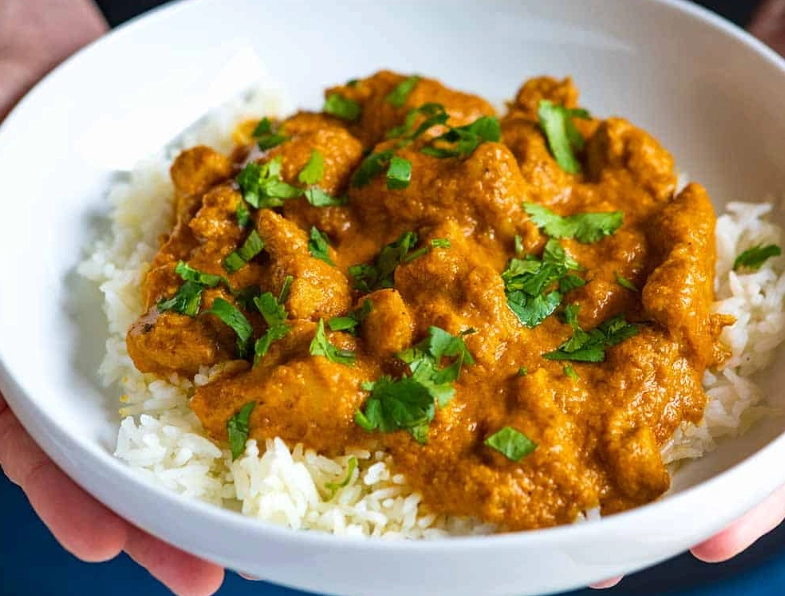
This is arguably the world's most famous mild Indian recipe for a reason. It's all about creamy, tomato-based gravy with a subtle sweetness and complex spice background. The chicken is usually marinated in yogurt and spices (skip the chili in the marinade), then cooked in a rich sauce of butter, tomatoes, cream, and a blend of garam masala, cumin, and coriander.
Why it's mild: The recipe is designed to be rich and aromatic, not hot. Any heat comes from black pepper and ginger. The cream and butter coat the palate, creating a luxurious, gentle experience.
My tip: Use boneless, skinless chicken thighs. They stay juicier during the simmering process than breasts. And don't skimp on the final drizzle of cream and sprinkle of dried fenugreek leaves (kasoori methi) if you can find them - they make it taste like restaurant quality.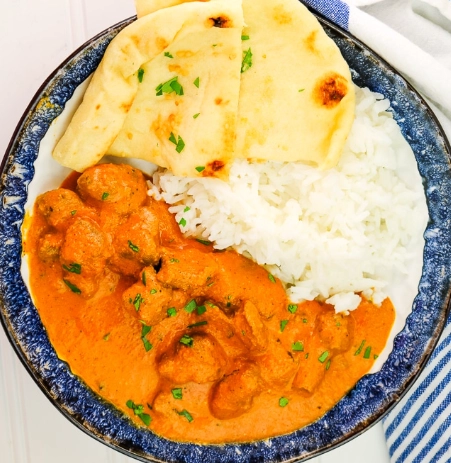
Chicken Korma
If Butter Chicken is the rich, tomatoey cousin, Korma is the nutty, creamy sibling. It's a Mughlai dish where meat or vegetables are braised in a sauce of yogurt, cream, and ground nuts (almonds or cashews). The spices are subtle - cardamom, cloves, cinnamon shine here.
Why it's mild: It's a dish of elegance and subtlety. The nut paste thickens the sauce and adds a sweet, velvety texture that completely negates any need for chili heat.
2. The Vegetarian Stars
Indian vegetarian cuisine is a universe of its own. These dishes are naturally vibrant and flavorful without relying on spice heat.
| Dish Name | Key Ingredients | Why It's Perfectly Mild | Difficulty |
|---|---|---|---|
| Palak Paneer | Paneer (Indian cheese), spinach, ginger, garlic, cumin, garam masala | The earthy spinach and mild paneer create a creamy, healthy dish. Flavor comes from garlic, ginger, and cumin. | Easy |
| Chana Masala | Chickpeas, tomatoes, onions, coriander, cumin, amchur (dry mango powder) | A hearty, tangy, and protein-packed curry. The tang from amchur or lemon juice provides the "kick" instead of chilies. | Very Easy |
| Dal Makhani | Black lentils, kidney beans, butter, cream, ginger, garlic, tomatoes | Slow-cooked to creamy perfection. It's smoky, rich, and deeply satisfying. The primary flavor is the lentils themselves, enhanced by butter and spices. | Medium (requires time) |
| Aloo Gobi | Potatoes, cauliflower, turmeric, cumin seeds, coriander, peas | A dry, stir-fried dish. Turmeric gives color, cumin seeds provide a nutty pop. It's simple, home-style comfort food. | Easy |
3. Rice & Breads: The Perfect Companions
These are almost always mild and are essential for soaking up those delicious curries.
- Jeera Rice: Basmati rice toasted with cumin seeds. It's fragrant, simple, and elevates any meal.
- Plain Basmati Rice: Perfectly steamed. The nutty aroma is a flavor itself.
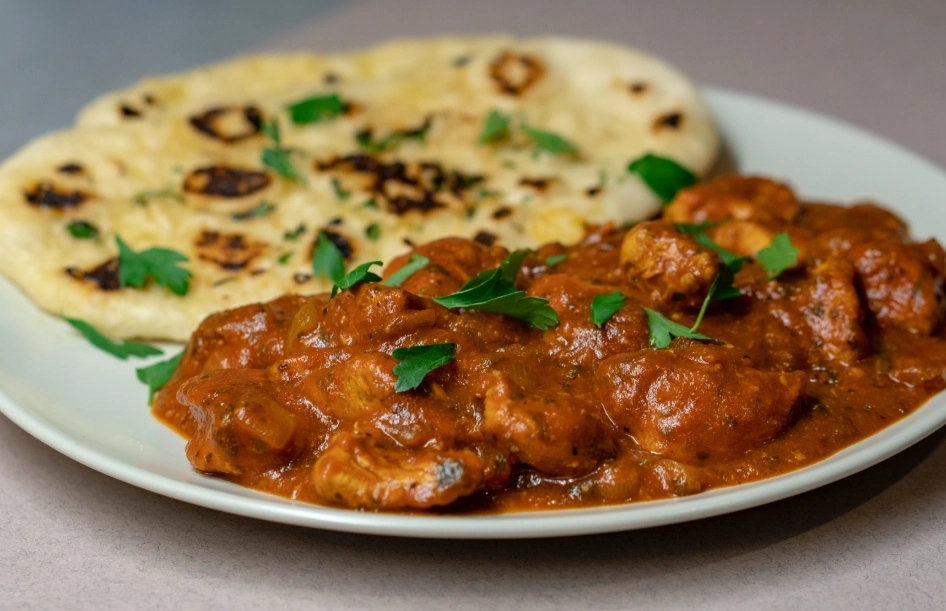
- Naan or Roti: Store-bought is fine to start! Warming them in a skillet with a little butter makes all the difference. They're your edible utensils.
Honestly, a pot of simple jeera rice and a bowl of creamy dal is a complete, comforting meal that asks for nothing more.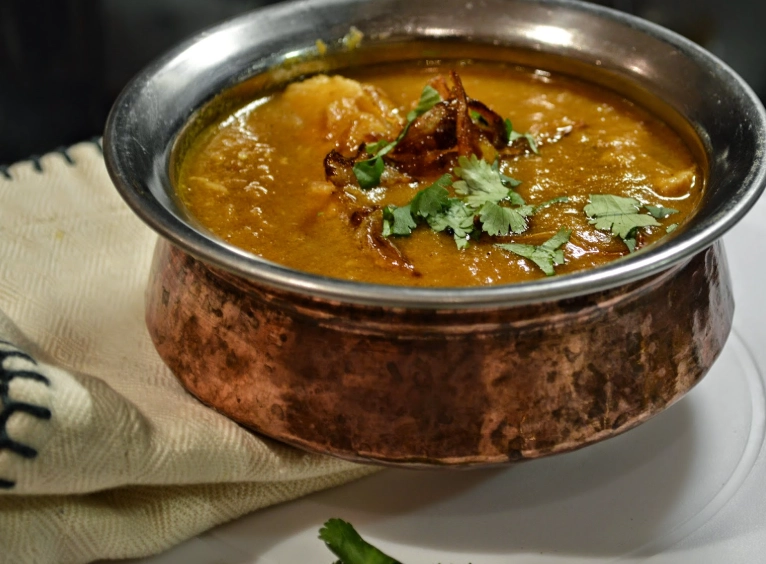
Building Your Own Mild Indian Recipe: A Simple Framework
Once you get the rhythm, you can improvise. Here’s the basic structure for a creamy curry, which covers a lot of ground:
- The Base (10-15 mins): Cook finely chopped onions in oil/ghee until soft and golden. Add ginger-garlic paste and cook for a minute until the raw smell disappears.
- The Spice Bloom (2 mins): Add your ground spices (coriander, cumin, turmeric). Cook for just a minute or two until fragrant. This step is crucial—it unlocks the oils. Adding raw ground spices later can taste dusty.
- The Body (5 mins): Add your main ingredient (chicken, veggies, paneer) and chopped tomatoes. Cook until the tomatoes break down and the oil starts to separate from the mixture.
- The Simmer (15-20 mins): Add water or stock, cover, and let it simmer until everything is cooked through.
- The Finish (5 mins): Stir in cream or yogurt (temper yogurt with a little hot sauce first to prevent curdling), a teaspoon of garam masala, and a handful of fresh cilantro. Season with salt and freshly cracked black pepper.
Answers to Your Burning Questions (That Aren't About Spice)
I get asked these all the time when I talk about easy Indian recipes for beginners.
A Final Thought: Embrace the Process
My journey from that tearful vindaloo to confidently whipping up a pot of mild, fragrant chicken curry for friends was all about letting go of fear. Indian cooking at home isn't about perfection; it's about the wonderful smells filling your kitchen, the joy of toasting whole spices until they pop, and the satisfaction of creating something deeply nourishing and flavorful.
The world of mild Indian recipes is vast and welcoming. It's full of dishes that comfort, nourish, and bring people together without any element of pain or challenge. Start with a simple dal or a butter chicken. Master the base. Taste as you go. Adjust the black pepper to your liking.
Remember, every home cook in India has their own version of these dishes. Now, you get to start building yours. So, tie on your apron, get your spices ready, and get cooking. Your new favorite meal is waiting.
And if you mess up? So what. I've made curries that were too salty, or once added cardamom pods instead of seeds (bitter disaster). You learn, you adjust, and you eat some rice while you figure it out. That's all part of the fun.
Discussion