Staring at an Indian restaurant menu can feel like reading a foreign language. Vindaloo, Phall, Chettinad—these names promise flavor and fire, but what do they actually mean? Knowing the story behind the name is your secret weapon. It tells you about the heat level, the region it comes from, and the cooking method. Let's crack the code together.
What's Inside This Spice Guide?
Why Indian Dish Names Are Your Best Guide to Spice
Most people just look at the chili icon on the menu. That's a rookie move. The name itself is packed with clues. A "Vindaloo" isn't just "spicy curry"; its name comes from the Portuguese "vinho e alho" (wine and garlic), hinting at its tangy, vinegar-based heat. A "Dhansak" balances its spice with lentils and sweetness. If you understand the name, you predict the experience.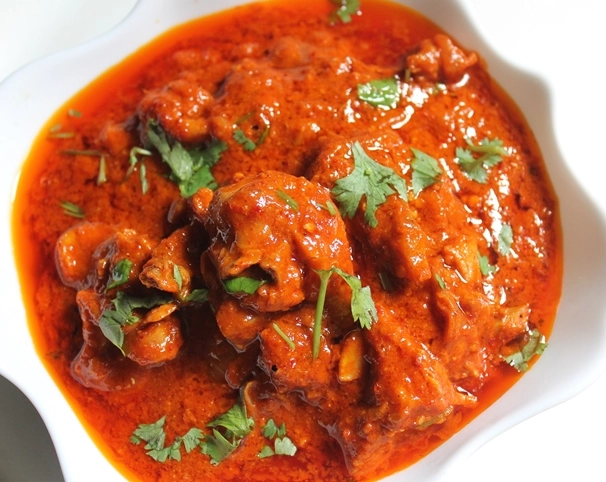
I learned this the hard way. Early in my exploration, I ordered a "Laal Maas" thinking it was a standard red meat curry. The name simply means "red meat." What arrived was a Rajasthan desert warrior's dish, swimming in a searing sauce of Mathania chilies. It was glorious, but it absolutely destroyed my unprepared palate. The name didn't lie—it just didn't tell the whole, fiery story.
The Indian Spice Spectrum: From Warm to Wildfire
Let's categorize classic spicy dishes by their typical heat profile. Remember, every kitchen is different, but this table is your baseline compass.
| Dish Name | What the Name Hints At | Typical Heat Level | Key Spice Source |
|---|---|---|---|
| Butter Chicken (Murgh Makhani) | Butter & Cream-based gravy. "Makhani" means with butter. | Mild | Mild red chili powder, paprika for color. |
| Rogan Josh | "Rogan" means oil/red, "Josh" means passion/heat. Aromatic red curry. | Medium | Kashmiri red chilies (more color than extreme heat). |
| Vindaloo | From Portuguese "vinho (wine) e alho (garlic)". | High | Goan red chilies, black pepper, vinegar base amplifies heat. |
| Chettinad Chicken | From the Chettinad region of Tamil Nadu, known for robust spices. | High | Whole black peppercorns, star anise, fennel, dried red chilies. |
| Phall | Anglicized version of a Bengali word, created in UK curry houses. | Extreme | Massive quantities of ground chilies and fresh chili peppers, often habanero or ghost pepper. |
| Laal Maas | "Laal" = red, "Maas" = meat. A Rajasthani hunter's dish. | Extreme | Mathania chilies, used liberally in a yogurt-based gravy. |
Notice how the name often ties to a place or a technique? That's your first clue. A dish named after a region like Chettinad or Goa (Vindaloo) will carry the spice signature of that land.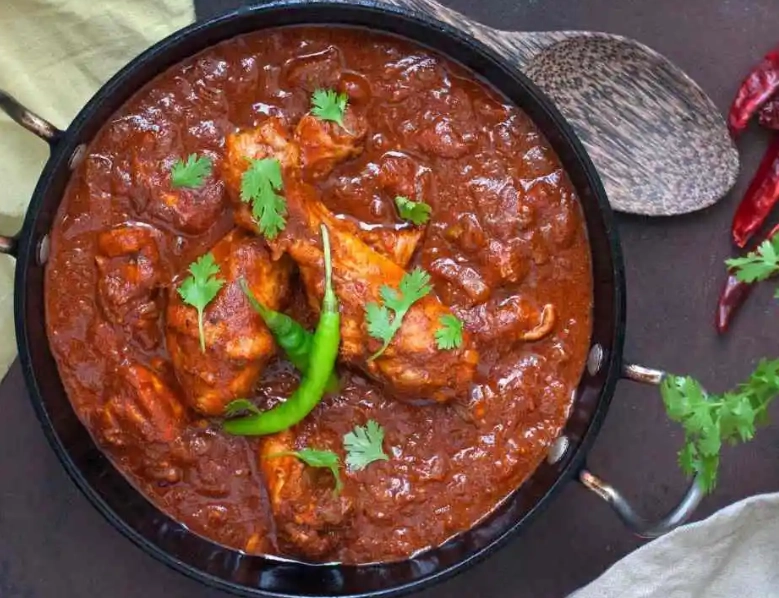
The "Vindaloo" Misconception
In the West, Vindaloo has become the universal symbol for "hottest curry on the menu." In its home of Goa, it's certainly spicy, but the heat has nuance—sour from vinegar, sweet from palm jaggery. The Western version often strips the balance and just piles on chili powder. If you see "Goan Fish Curry" instead of "Vindaloo," it might use similar flavors but be less aggressively tuned for a foreign heat-seeking audience.
Regional Heat: How Geography Shapes Spice
India's spice profile isn't monolithic. It's a map of flavor.
South India (Kerala, Tamil Nadu, Karnataka): Think high, sharp heat. Dishes like Chettinad, Andhra Chicken Curry, and Meen Mulakittathu (fish in fiery red sauce) rely on dried red chilies and black peppercorns. The heat is upfront and assertive.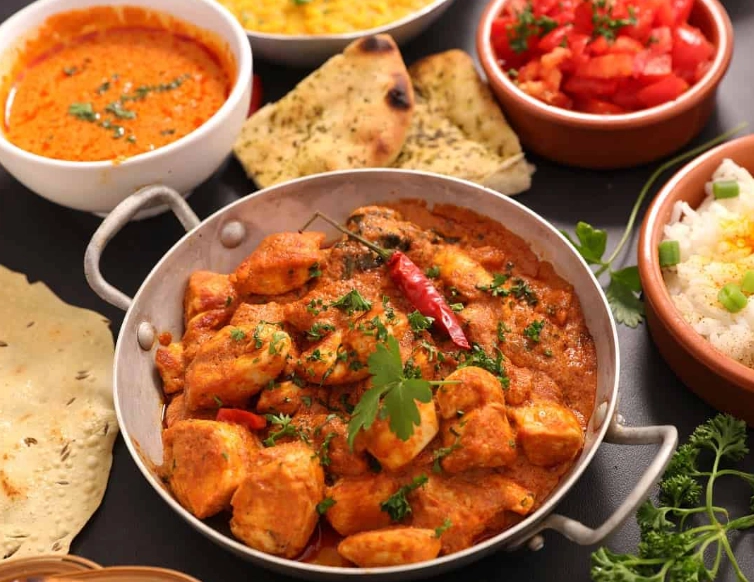
Goa: Portuguese influence brought vinegar and chili. The heat here, as in Vindaloo or Xacuti, is tangy and fermented, cutting through rich meats like pork.
Rajasthan/Gujarat: The drier climate uses more dried spices. Laal Maas is the king here. The Mathania chili provides a deep, smoky, persistent heat that lingers.
North India (Punjab, Delhi): More medium-high than extreme. Chicken Tikka Masala (a British-Indian invention) is mild. Amritsari Fish or certain Tandoori preparations have a kick from chili powder in the marinade. The focus is on creamy, tomato-based gravies where spice is one component, not the sole star.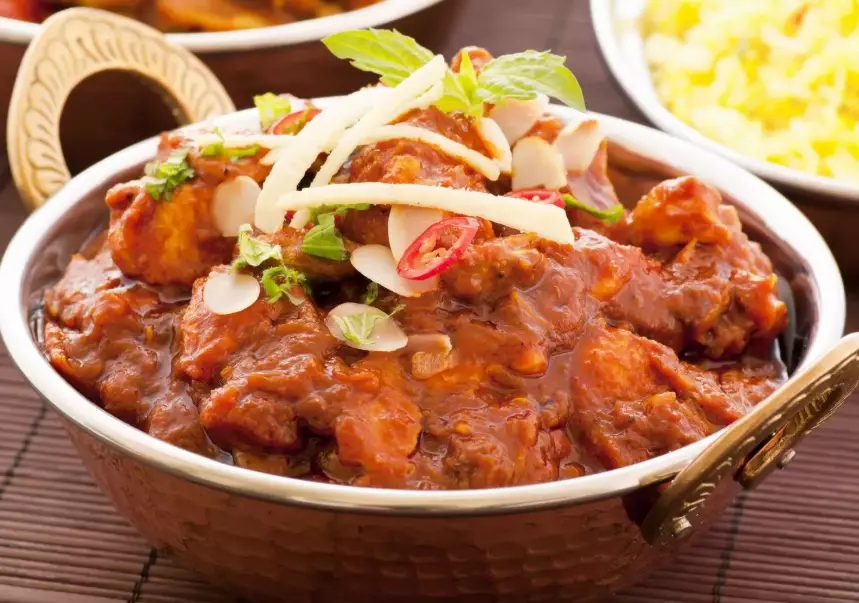
Northeast India (Assam, Nagaland): This is the frontier of fire. Here, you'll find dishes using the infamous Bhut Jolokia (Ghost Pepper) and King Chili. The heat is brutal, often paired with simple ingredients like smoked meat or fermented bamboo shoots. You won't find these names on every menu, but in specialized restaurants, they're the final boss.
How to Order Spicy Indian Food Like a Pro
Forget just asking for "medium." That means nothing. Here's a practical script based on understanding the names.
Scenario: You're at a well-regarded Indian restaurant like Dishoom (with locations in London, Edinburgh, etc.) or a local favorite like Bombay Palace in New York. You want flavor with a kick, not punishment.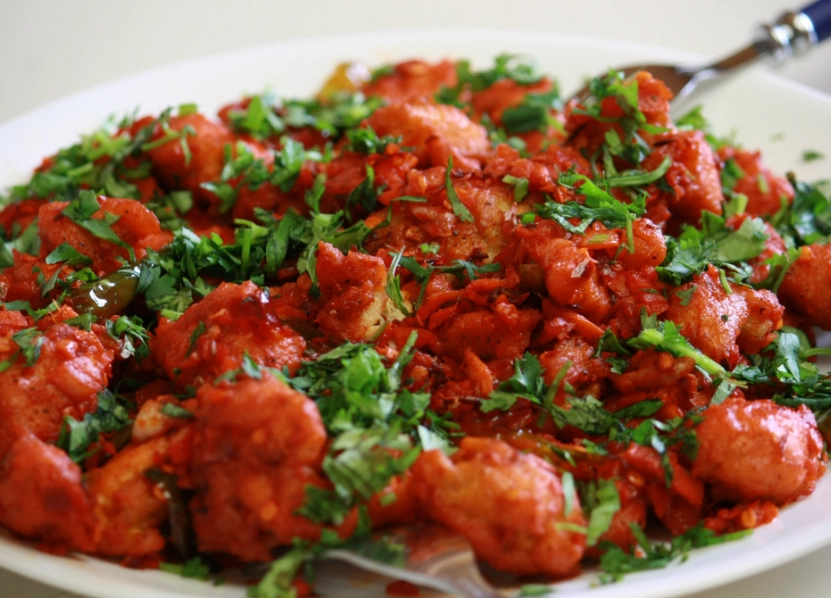
Don't say: "Make it spicy."
Do say: "I'm interested in the Chettinad chicken. Can you describe its heat? Is it more black pepper heat or dry chili heat?" This shows knowledge and asks for the character of the spice.
Use the name as a benchmark: "I can handle a Vindaloo-level spice, but not a Phall. Where does this dish fall compared to that?" Most servers will appreciate the specific reference.
Pair wisely: If you order a fiery Laal Maas, balance it with a cooling Raita (yogurt with cucumber/mint) and a plain Naan or Basmati Rice. The dairy fat is your friend. A sweet, creamy Mango Lassi is a far better fire extinguisher than water.
One personal rule: I avoid ordering "Phall" unless I'm with friends who enjoy culinary masochism. It's less about regional cuisine and more about a heat challenge, often sacrificing flavor for sheer Scoville units. It's an experience, but not a repeat one for me.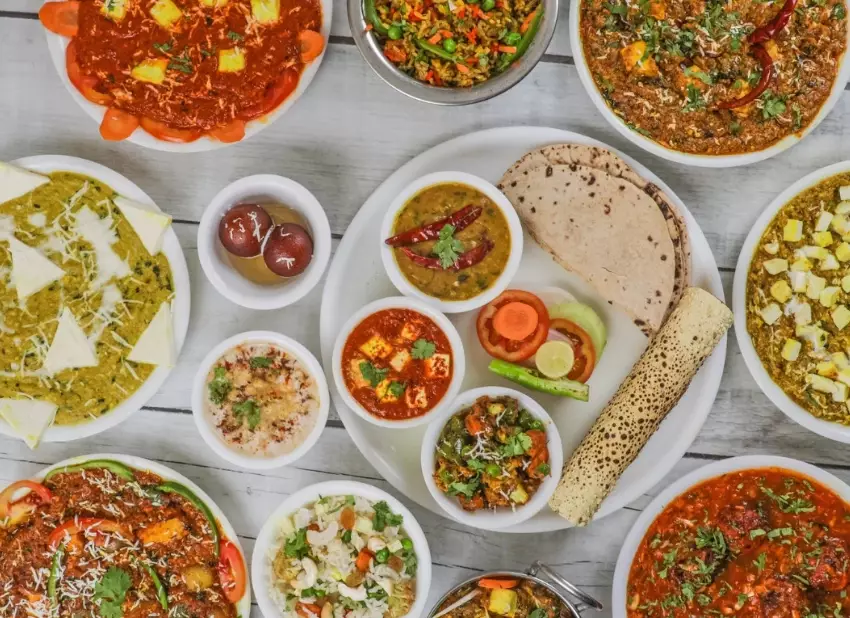
Your Spicy Food Questions, Answered
Is Butter Chicken considered a spicy Indian dish?
Not at all. Its Hindi name, Murgh Makhani, translates to "butter chicken." It's designed to be mild, creamy, and slightly sweet, using tomato, butter, and cream. It's the classic gateway dish. If your Butter Chicken is spicy, the kitchen might be adjusting for local tastes or has made an error.
I see 'Madras Curry' on menus. Is it actually from Madras (Chennai)?
This is a great example of a name losing its meaning. "Madras Curry" is largely a British restaurant invention. While the city of Chennai (formerly Madras) in Tamil Nadu has incredibly spicy food, the "Madras Curry" you get abroad is usually a generic, medium-hot, red, slightly sour curry powder blend. An authentic spicy dish from that region would be something like a Chettinad or a Kongunadu recipe, which you'll rarely find labeled as "Madras."
What's the difference between 'sauce' spiciness and 'marinade' spiciness in dishes like Tandoori?
A crucial distinction. A dish like Chicken Tikka Masala gets its heat from the sauce. You can often scrape it off. But a Tandoori Chicken or Amritsari Fish is marinated in spices (including chili) and yogurt before being cooked in a clay oven. That heat is infused into every bite. You can't escape it. When ordering, ask if the spice is in the marinade or the gravy—it changes the eating experience completely.
Are there any spicy Indian dishes that are also vegetarian?
Absolutely. South India is a treasure trove. Vegetable Chettinad is a fiery mix of vegetables in the classic black pepper-heavy gravy. Andhra Pappu(spicy lentil stew) will make you sweat. In the North, Chana Masala (chickpea curry) can be made very spicy, and Aloo Gobhi (potato & cauliflower) often has a good kick from green chilies and ginger. Don't equate vegetarian with mild.
Ultimately, navigating Indian spicy food names is about moving from fear to curiosity. That unfamiliar word isn't a threat; it's a story from a specific kitchen, region, or history. Use the names as your map, ask informed questions, and start your journey on the milder side of the spectrum. Your tolerance will build, and you'll begin to appreciate not just the heat, but the symphony of flavors that true Indian spicing creates. Now, go find a Vindaloo and taste the history.
Discussion