The thought of Indian street food probably brings a rush of sensations: the sizzle of spices on a hot griddle, the tangy punch of tamarind chutney, the crunch of a crispy shell giving way to a flavorful filling. It's chaotic, vibrant, and deeply delicious. But for many home cooks, it also seems shrouded in mystery. How do they get those flavors? It must take a hundred spices, right?
Wrong. After years of trial, error, and chatting with street vendors in Delhi and Mumbai, I've learned their secrets aren't about complexity, but about smart simplicity. The best street food recipes are born from necessity—quick, affordable, and packed with flavor using a handful of key ingredients. You can absolutely recreate this magic in your kitchen. Let's strip away the intimidation and cook.
Your Quick Flavor Guide
What Makes Indian Street Food So Special?
It's not just the food; it's the technique. Street vendors are masters of efficiency and layering. They build flavors in stages, often finishing a dish right in front of you with a dash of this and a sprinkle of that. The core elements are usually simple: a carb (potato, bread, lentil dough), a protein (often chickpeas or lentils), and an orchestra of chutneys and spices.
How to Make Pani Puri at Home (Without the Fuss)
Pani Puri, Golgappa, Puchka—different names, same incredible experience. You'll need to buy the puris (the hollow, crispy balls). They're shelf-stable and available at any Indian grocery store or online. Don't try to make them; it's a professional skill. The fun is in the fillings and the water.
The Two Key Components:
1. The Spicy Water (Pani): This is the star. Blend a large handful each of fresh mint and coriander leaves with 1-2 green chilies, a 1-inch piece of ginger, and 1 tbsp of roasted cumin powder. Add 1 cup of water and blend to a smooth paste. Strain into a jug. Add 1-2 tbsp of tamarind paste, 1 tsp of black salt (kala namak – essential!), regular salt to taste, and another 3-4 cups of water. Chill for at least 2 hours. Pro tip: The tamarind and black salt go in last, after blending the herbs. This keeps the flavor bright.
2. The Filling: Simply mash boiled potatoes with a bit of boiled chickpeas (optional), salt, roasted cumin powder, and a pinch of red chili powder. That's it.
Assembly: Gently crack a hole in the top of a puri. Stuff in a teaspoon of filling. Dunk the whole thing into the cold pani, let it fill up, and pop it in your mouth in one go. Messy, magnificent.
Aloo Tikki: The Ultimate Spiced Potato Patty
This is your gateway street food recipe. Crispy outside, soft and spiced inside, served with chutneys. It's forgiving and versatile.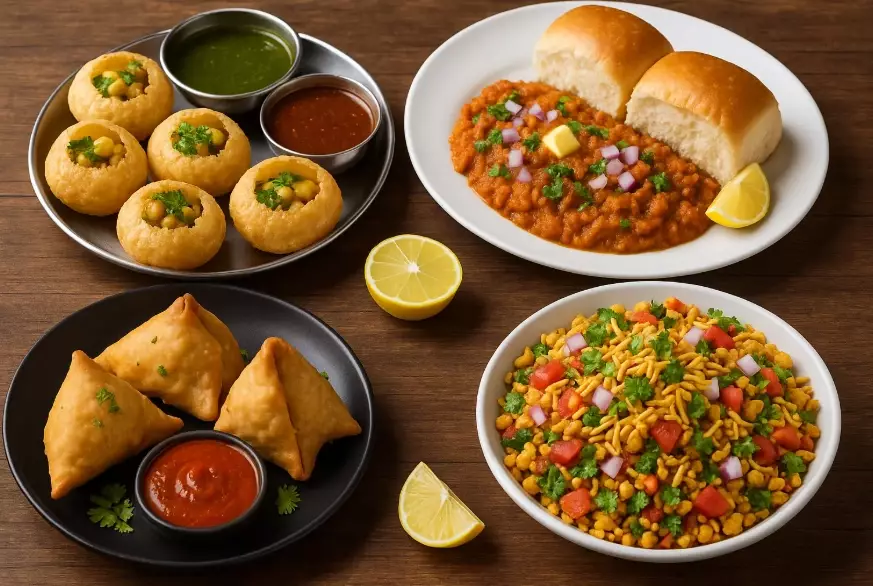
Ingredients & The Common Mistake
For 6 tikkis: 3 large boiled potatoes (riced or finely mashed), 2 tbsp cornflour (this is the binding secret, not just breadcrumbs), 1 tsp cumin seeds, 1 finely chopped green chili, 2 tbsp finely chopped coriander, 1 tsp garam masala, salt. Optional: 2 tbsp boiled peas or finely chopped nuts for texture.
The mistake? Overworking the potato mixture when it's warm. It becomes gluey. Mash your potatoes and let them cool completely before adding the other ingredients. Handle gently just to combine.
Cooking Method: A Healthier Twist
Street vendors deep-fry. You can shallow fry for similar results with less oil. But for a genuine game-changer, brush them with oil and air-fry at 200°C (400°F) for 12-15 minutes, flipping halfway. They won't be *quite* as decadent, but they'll be crispy, golden, and 90% there.
Serve hot with a drizzle of tamarind date chutney (store-bought is fine to start), a dollop of plain yogurt, and a sprinkle of chaat masala.
Pav Bhaji: Mumbai's Buttery, Mashed Vegetable Feast
Imagine a spiced, mashed vegetable medley cooked on a flat griddle with lots of butter, served with soft, butter-toasted buns. That's Pav Bhaji. It's a complete, hearty meal that's surprisingly easy.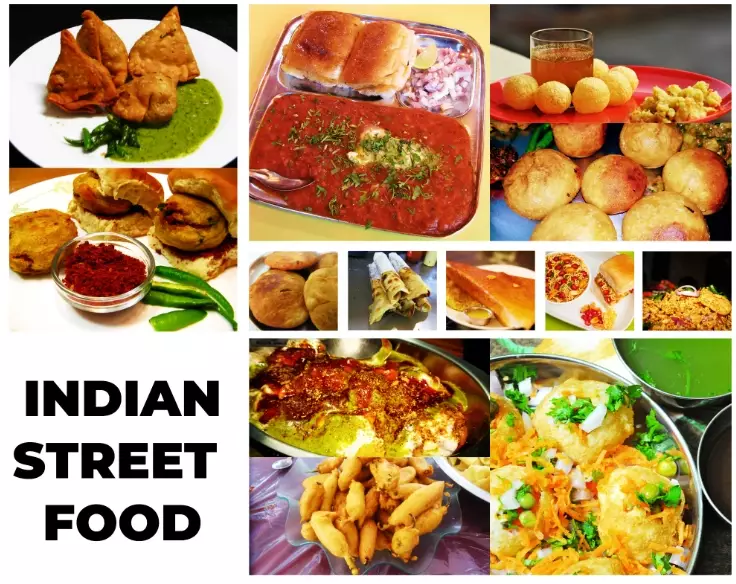
| Ingredient | Role & Tip |
|---|---|
| Potatoes, Cauliflower, Carrots, Peas, Bell Peppers | The veggie base. Boil them until very soft. The mushier, the more authentic the "bhaji" texture. |
| Pav Bhaji Masala | The signature spice blend. Buy a good brand like Everest or MDH. This is non-negotiable and does the heavy lifting. |
| Butter | Don't skimp. Street style uses a generous amount. It's for cooking and for slathering on the buns. |
| Pav (Dinner Rolls) | Any soft, white dinner rolls work perfectly. |
Method in brief: Sauté onions in butter until golden. Add ginger-garlic paste, then chopped tomatoes. Cook them down to a pulp. Add 2-3 heaped tbsp of pav bhaji masala and red chili powder. Throw in all your boiled, mashed veggies. Mash and mix everything together on the pan, adding water to get a loose, mash-like consistency. Cook for 10-15 minutes. Separately, slit your pav buns, butter the insides, and toast them on a griddle until golden. Serve the bhaji hot with a knob of butter on top, the toasted pav, chopped onions, and lemon wedges.
It's messy, indulgent, and incredibly satisfying. A report from the National Institute of Nutrition, India, even highlights how such vegetable-based dishes, when prepared at home, can be a nutrient-dense part of a diet, as you control the salt and fat.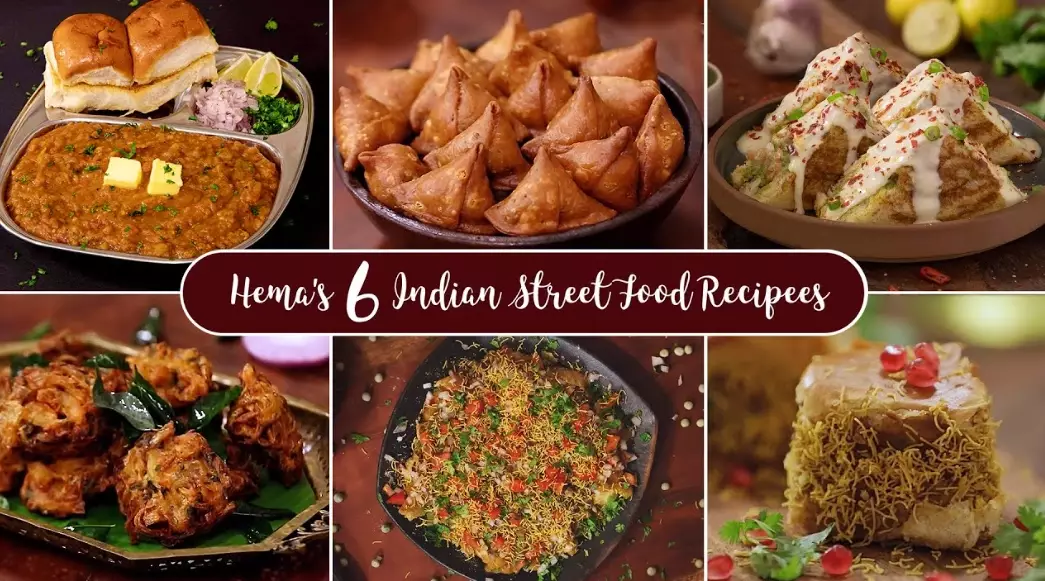
Your Street Food Questions, Answered
 The real joy of these easy Indian street food recipes isn't just in eating them. It's in the process—the smell of toasting spices filling your kitchen, the hands-on assembly, the shared experience of that first, flavorful bite. It connects you to a vibrant culinary tradition in the most direct way possible. Start with the Aloo Tikki. You'll be surprised how quickly you get hooked.
Discussion