Your Quick Guide
Let's be honest. Staring at a massive Indian menu for the first time can be downright intimidating. You see words like "vindaloo," "saag," "korma," and your brain just goes, "Okay, which one of these won't set my mouth on fire?" I remember my first time. I just pointed at something random and hoped for the best. It was a risky strategy that, thankfully, worked out okay, but it doesn't have to be that way.
The truth is, Indian cuisine is one of the most welcoming and varied in the world. It's not all about heat. In fact, the obsession with spiciness often overshadows the incredible depth of flavor, the delicate aromas, and the comforting textures that make it so special. The key is knowing where to start. So, if you've been asking yourself, "What is the best Indian food for beginners?" you've come to the right place. This isn't a stuffy culinary lecture. It's a friendly chat from someone who's been through the confusion, eaten a lot of butter chicken, and lived to tell the tale.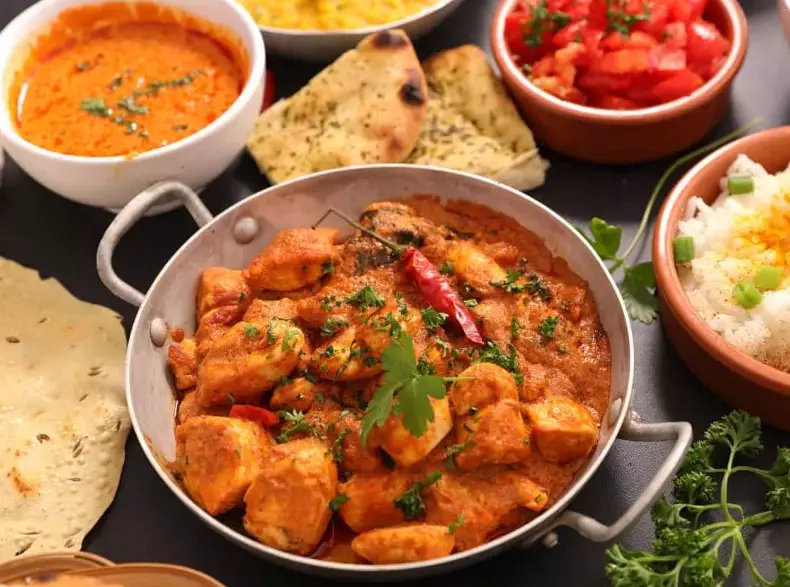
The Top 5 Best Indian Dishes for Your First Time
Forget the overwhelming list. Let's cut straight to the chase. Based on wide appeal, familiar textures, and manageable spice levels, here are the five champions for anyone new to Indian food. Think of this as your starter pack.
Butter Chicken (Murgh Makhani)
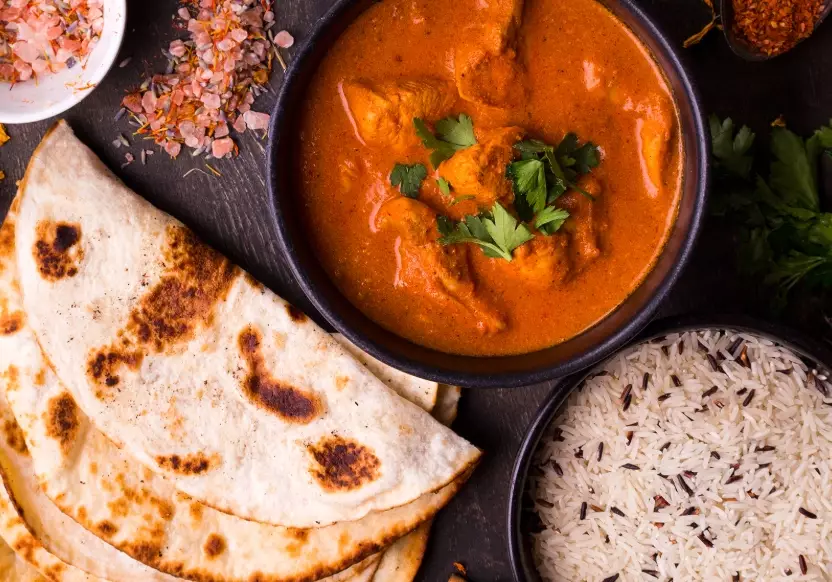
This is the undisputed king of introductory Indian dishes for a reason. It's the dish that answers the question "What is the best Indian food for beginners?" for millions of people. Tender pieces of chicken are marinated, often cooked in a tandoor (a clay oven), and then simmered in a luxuriously smooth, creamy tomato-based sauce. The sauce is rich with butter, cream, and a blend of spices like garam masala, cumin, and coriander. The heat is usually very mild, letting the sweet and savory notes shine.
Why it works for beginners: It's creamy, familiar (think a sophisticated, spiced-up tomato soup with chicken), and universally loved. It's almost impossible to dislike.
Chicken Tikka Masala
A close cousin to butter chicken and arguably just as popular. The main difference often lies in the sauce. Chicken tikka masala's sauce is usually a bit more tangy and complex, with a brighter orange color. The chicken is also marinated in yogurt and spices (the "tikka" part) before being grilled or roasted and added to the sauce. The debate over its true origins (India vs. the UK) is a story for another day, but its status as a perfect beginner dish is undisputed.
Why it works for beginners: Similar comfort-food vibes to butter chicken, with a slightly more robust and tangy flavor profile that gently introduces more spice layers.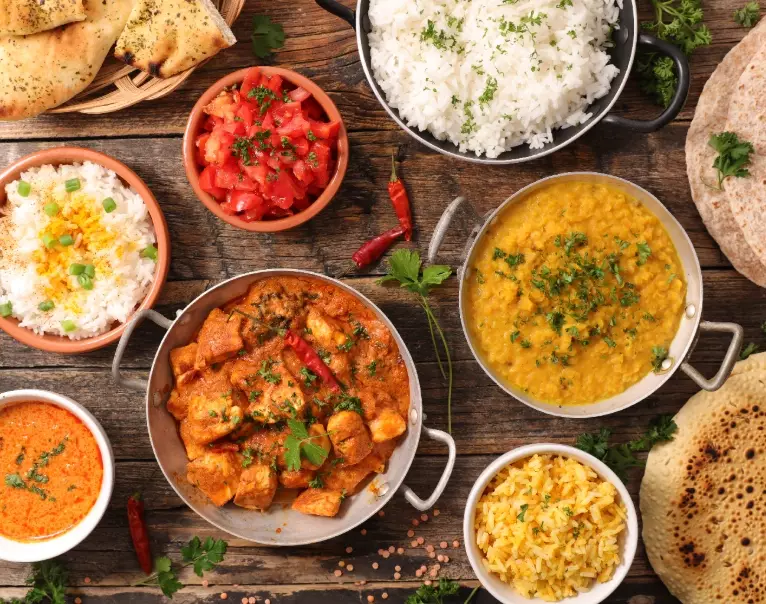
Palak Paneer (or Saag Paneer)
Time for a fantastic vegetarian option. This dish features soft, cubed paneer (a fresh Indian cheese that doesn't melt, similar in texture to firm tofu) swimming in a vibrant green puree of spinach (palak) or other greens like mustard greens (saag). The spinach is cooked down with onions, tomatoes, ginger, garlic, and gentle spices. The result is earthy, creamy, nutritious, and incredibly satisfying.
Why it works for beginners: It's a great way to experience Indian flavors in a healthy, veggie-forward dish. The spices are subtle, and the texture is comforting and familiar.
Dal Makhani
If you want to eat like a local, start with dal. Dal refers to lentils, and they are the soul food of India. Dal Makhani is the richest, most indulgent version. Whole black lentils (urad dal) and kidney beans are slow-cooked for hours, sometimes overnight, with butter, cream, tomatoes, and a melange of spices until they become an incredibly velvety, smoky, and deeply flavorful stew.
Why it works for beginners: It's the ultimate comfort food. The flavor is deep and complex but not challenging. It's hearty, creamy, and perfect for scooping up with naan. It shows you that Indian food can be profoundly flavorful without relying on meat or intense heat.
Rogan Josh
Let's step it up a tiny, gentle notch. Rogan Josh is a famous curry from Kashmir. It's known for its beautiful deep red color, which comes from Kashmiri red chilies (which are more about color and flavor than brutal heat). The sauce is yogurt-based, rich with aromatics like ginger, garlic, and fragrant spices like fennel and cardamom. The meat (usually lamb or goat) becomes fall-apart tender.
Why it works for beginners: It's your gateway to more aromatic, less creamy curries. The heat is moderate and buildable, and the flavor is incredibly fragrant and sophisticated. It's a great next step after you've tried the butter chicken route.
| Dish | Main Flavor Profile | Spice Level (1-5) | Best Paired With | Why It's a Safe Bet |
|---|---|---|---|---|
| Butter Chicken | Creamy, mildly sweet, tomatoey | 1 | Garlic Naan, Jeera Rice | Extremely mild, universally appealing texture and taste. |
| Chicken Tikka Masala | Tangy, creamy, aromatic | 1-2 | Plain Naan, Basmati Rice | Familiar format with a gentle, flavorful spice introduction. |
| Palak Paneer | Earthy, creamy, savory | 1 | Roti, Paratha | Mild spices, healthy, introduces paneer in a friendly way. |
| Dal Makhani | Smoky, rich, buttery, umami | 1 | Tandoori Roti, Onion Kulcha | Deep flavor without heat, ultimate comfort food texture. |
| Rogan Josh | Aromatic, rich, slightly tangy | 2-3 | Steamed Rice, Sheermal | Introduces more complex spice blends with manageable warmth. |
See? Not a single "face-melter" in the bunch.
Why These Dishes Are the Perfect Starting Point
You might notice a pattern with these recommendations. They aren't chosen at random. They share common traits that make them the ideal answer to "what is the best Indian food for beginners."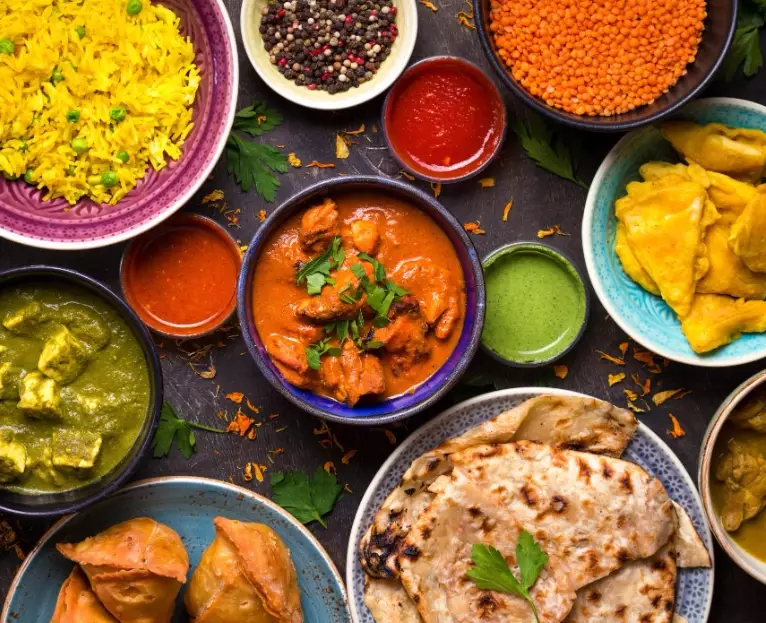
First, they prioritize flavor over fire. The spice blends (masalas) in these dishes are designed to create harmony—warmth from cumin, fragrance from cardamom, earthiness from coriander—not just to deliver capsaicin shock. Second, the textures are often creamy or stew-like, which feels comforting and familiar to most palates. There's no unexpected crunch or chew that might throw you off. Finally, the core ingredients—chicken, cheese, lentils, spinach—are things you already know and enjoy. The magic is in how they're transformed.
Your Game Plan for Ordering and Eating
Knowing the dishes is half the battle. The other half is navigating the meal itself. Here’s how to order like you know what you're doing (even if you don't).
- Bread or Rice? Get both. Seriously. A fluffy, buttery garlic naan is a must for scooping up curry. Basmati rice (especially jeera rice, cooked with cumin seeds) is the perfect, fragrant base for the saucy dishes. They serve different purposes, and together they complete the experience.
- Share Everything. Indian food is meant to be communal. Order a few different dishes, some bread, some rice, and share. This is the absolute best way to discover what you like. One curry per person, plus shared sides, is a great rule of thumb.
- The Power of Raita. This is your secret weapon. Raita is a cooling yogurt side dish with cucumber, mint, and sometimes a bit of cumin. If you take a bite that's spicier than expected, a spoonful of raita will calm your tongue instantly. Always order a bowl.
- Talk to Your Server. I can't stress this enough. Tell them it's your first time. Say, "I'm new to Indian food and prefer things mild. What do you recommend?" Good restaurants will guide you perfectly and often adjust spice levels in the kitchen.
Common Questions Beginners Actually Have (Answered)
Moving Beyond the Beginner Stage
Once you've found your footing with the classics, the whole subcontinent awaits. Here’s where you might venture next:
- For richer flavors: Try a Malai Kofta or a Navratan Korma (a mixed vegetable korma with nuts and dried fruit).
- For something tangy and different: Goan Fish Curry or Chicken Chettinad (a peppery, aromatic curry from South India) are incredible, though check the spice level first.
- For street food vibes: Order Papdi Chaat as an appetizer—a sweet, tangy, crunchy, and yogurt-y explosion of textures. It's a party in your mouth.
To understand the cultural depth behind these dishes, resources like the BBC Good Food's Indian collection offer great context and authentic recipes. For a deeper dive into the history and regional variations, the National Geographic's feature on tandoori cooking is a fascinating read. And if you're curious about the health aspects of common ingredients like turmeric and lentils, Harvard Health Publishing provides science-backed insights.
Look, at the end of the day, the very best Indian food for beginners is the one that makes you smile and reach for another bite. It's the dish that feels like a discovery, not a dare.
So, grab a friend, find a well-reviewed local Indian restaurant (the ambiance is usually warm and inviting), and use this guide as your cheat sheet. Order some butter chicken, some palak paneer, a mountain of garlic naan, and a bowl of raita. Share it all. Take your time. Taste the layers.
Your culinary adventure is just a menu away.
Discussion