If you've ever wondered "What Indian dish is made with lentils?", you've just opened the door to one of the most comforting, diverse, and fundamental parts of Indian cooking. The answer isn't just one dish—it's a whole universe of dishes called Dal (also spelled Daal or Dhal). Think of dal not as a single recipe, but as a category, like "soup" or "stew." It's the soul food of India, eaten daily in millions of homes, from bustling cities to quiet villages. It's cheap, packed with protein, and endlessly adaptable. But here's something most recipe blogs won't tell you: making a truly great dal isn't just about boiling lentils. The magic is in the tadka—the final flourish of spices sizzled in oil or ghee that gets poured on top. Get that wrong, and your dal is just lentil soup.
What You'll Discover in This Dal Guide
- What Exactly Is Dal? It's More Than Lentil Soup
- 5 Popular Types of Dal You Need to Know
- How to Cook Perfect Dal: The Tadka is Key
- A Simple, Foolproof Dal Recipe to Start With
- Your Dal Questions, Answered
What Exactly Is Dal? It's More Than Lentil Soup
In Hindi, "dal" means split pulse. It refers to lentils, peas, or beans that have been split and often skinned. So, the ingredient itself is dal, and the dish made from it is also called dal. It's a staple, a daily source of protein for a largely vegetarian population.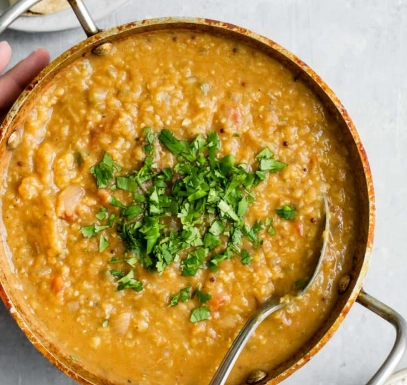
But culturally, dal is a feeling. It's the ultimate comfort food, often the first solid food babies eat, and a go-to meal when you're sick or just need something soothing. It's typically served with rice (dal-chawal) or with Indian flatbreads like roti or naan (dal-roti).
Key Point: Don't confuse "dal" with "curry." Curry is a broad, outside-India term for spiced gravies. Dal is specific to dishes made from these split pulses. All dals are a type of curry, but not all curries are dal.
I remember my first attempt at dal years ago. I boiled some red lentils, added salt, and thought, "Is this it?" It was bland, watery, and nothing like the fragrant, hearty bowls I'd had in restaurants. I was missing the entire second half of the process—the layering of flavors.
5 Popular Types of Dal You Need to Know
Walk into any Indian grocery store, and you'll see bags of dal in different colors and sizes. Here are the five heavyweights you'll encounter most often. Each has a unique personality.
| Dal Name (English) | What It Is | Texture & Flavor | Popular Dish |
|---|---|---|---|
| Masoor Dal | Split Red Lentils | Cooks very fast, turns golden and mushy. Mild, earthy flavor. | Simple Masoor Dal, good for beginners. |
| Moong Dal | Split Yellow Mung Beans | Light, creamy, easy to digest. Slightly sweet, buttery taste. | Moong Dal Tadka, Khichdi. |
| Toor Dal (Arhar) | Split Pigeon Peas | Holds shape slightly, creamy when cooked. Nutty, robust flavor. | Sambar, classic Dal Tadka. |
| Chana Dal | Split Bengal Gram | Firm, hearty, grainy texture. Sweet, nutty flavor. | Chana Dal Fry, Bengali-style dal. |
| Urad Dal (Split) | Split Black Gram | Creamy, rich, velvety texture. Earthy, deep flavor. | Dal Makhani, used in dosa/idli batter. |
Let's break two of these down a bit more, because choosing the right one matters.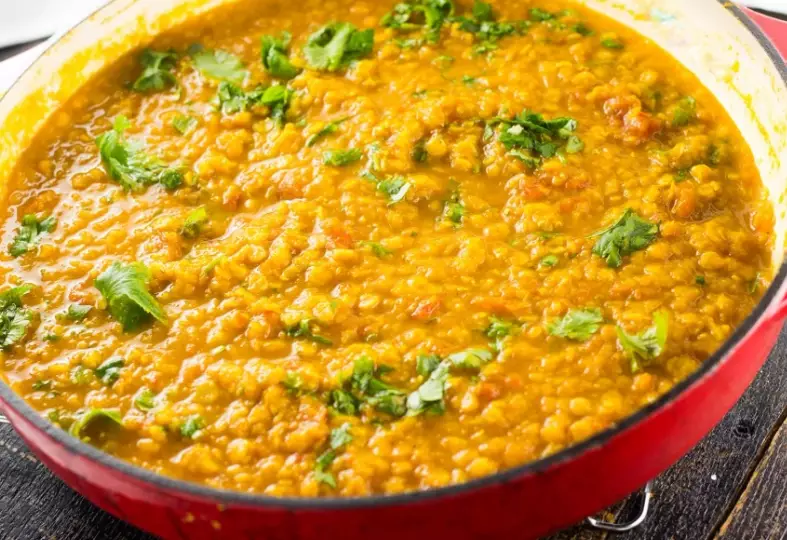
Toor Dal: The Everyday Workhorse
If there's a default dal in many North Indian homes, it's Toor Dal. It's the one you'll most commonly find in a restaurant's "Dal Tadka." It has a sturdy character. When cooked, it softens but doesn't completely disintegrate, giving the dish a pleasant texture. It absorbs spices beautifully. The one catch? Some people find it can be a bit harder to digest. The fix? A pinch of asafoetida (hing) in the tadka. Hing is a magical resin that adds a savory, umami depth and is famed in Ayurveda for its digestive properties. Don't skip it.
Moong Dal: The Gentle Beginner's Choice
This is my top recommendation for anyone new to cooking or eating lentils. Moong Dal is incredibly gentle on the stomach. It cooks down into a smooth, almost porridge-like consistency that's deeply comforting. Its flavor is mild, which makes it a perfect canvas for spices. It's also the star of Khichdi, a one-pot dish of rice and dal that's the Indian equivalent of chicken soup—prescribed for everything from stomach bugs to general malaise.
How to Cook Perfect Dal: The Tadka is Key
Boiling the lentils is just step one. The transformation happens with the tadka (tempering). This is where spices are fried in hot oil or ghee to release their essential oils, then poured over the cooked dal. It's the flavor bomb.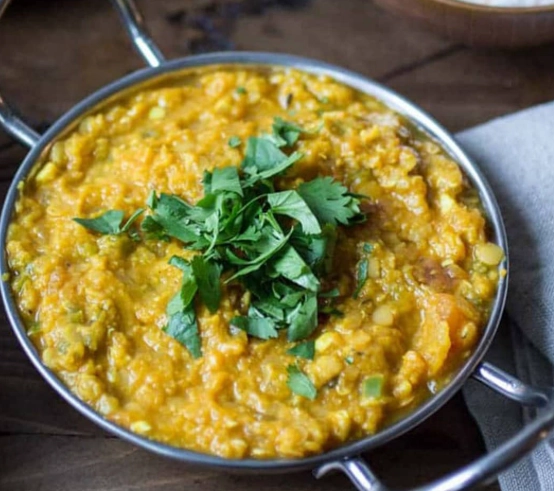
Here’s the process, broken down:
1. Cook the Lentils: Rinse your dal until the water runs clear. Soaking (30 mins to 2 hours) speeds up cooking but isn't mandatory. Boil with water, turmeric, and salt until tender. The water ratio is crucial—too much and your dal is soup, too little and it burns. Start with 3 cups water for 1 cup dal. You can adjust.
2. Prepare the Tadka: This is the make-or-break moment. Heat ghee or oil in a small pan. The order you add spices matters.
- First, add cumin seeds or mustard seeds. Let them crackle and pop.
- Then, add dried red chilies, a pinch of asafoetida.
- Next, add minced garlic, ginger, or finely chopped onions if using. Cook until fragrant.
- Finally, add powdered spices like coriander, cumin, red chili powder. Fry for just 10 seconds—any longer and they burn and turn bitter.
3. The Grand Finale: Immediately pour this sizzling, fragrant oil and spice mixture into the pot of cooked dal. It will hiss and bubble dramatically. Stir it in. This step infuses the entire pot with deep, roasted spice flavors that boiling alone could never achieve.
My personal twist? I sometimes do the tadka in the empty pot first, then add the boiled dal right into it. It's a bit riskier (easier to burn spices), but it creates an incredible depth of flavor as the dal simmers in the spiced oil.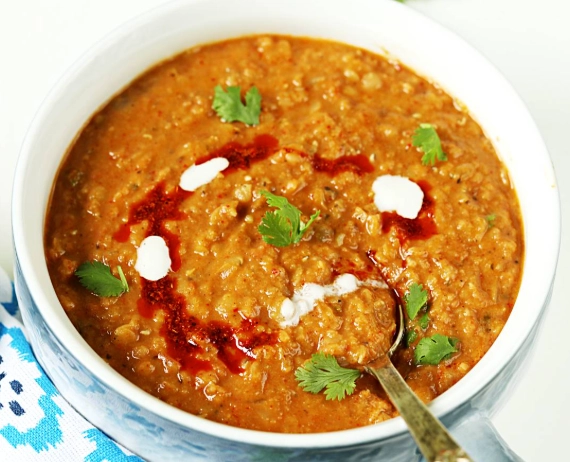
A Simple, Foolproof Dal Recipe to Start With
Let's make a basic Yellow Moong Dal Tadka. This is your training wheels recipe. Serves 4.
Ingredients:
- 1 cup yellow moong dal (split mung beans), rinsed
- 3 cups water
- 1 tsp turmeric powder
- Salt to taste
- 2 tbsp ghee or neutral oil
- 1 tsp cumin seeds
- 2-3 dried red chilies
- 1 pinch asafoetida (hing)
- 3-4 garlic cloves, minced
- 1-inch ginger, minced
- 1 medium tomato, chopped (optional, for acidity)
- 1/2 tsp red chili powder (optional, for heat)
- Fresh cilantro, chopped for garnish
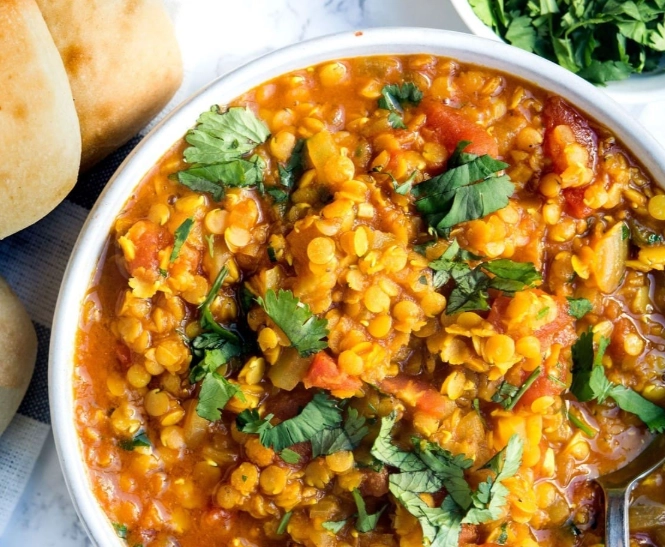
Instructions:
- In a pot, combine rinsed moong dal, water, turmeric, and salt. Bring to a boil, then reduce heat, cover, and simmer for 25-30 minutes until the dal is completely soft and creamy. Stir occasionally to prevent sticking. If it gets too thick, add a little hot water.
- While the dal cooks, prepare the tadka. Heat ghee in a small pan over medium heat.
- Add cumin seeds. Let them sizzle for 10 seconds.
- Add dried red chilies and the pinch of asafoetida. Stir for 5 seconds.
- Add minced garlic and ginger. Fry until fragrant and just starting to turn golden (about 1 minute).
- If using, add the chopped tomato. Cook until it softens and breaks down a bit, about 3-4 minutes.
- Turn off the heat. If using red chili powder, stir it into the hot oil now (it cooks instantly off the heat).
- Once the dal is cooked, pour the entire contents of the tadka pan into the dal pot. It will sizzle. Stir well.
- Simmer together for another 2-3 minutes. Taste and adjust salt.
- Garnish with fresh cilantro. Serve hot with steamed rice or roti.
See? The tomato is optional. Many traditional home-style dals don't use it. It adds a slight tang and body. Try it both ways.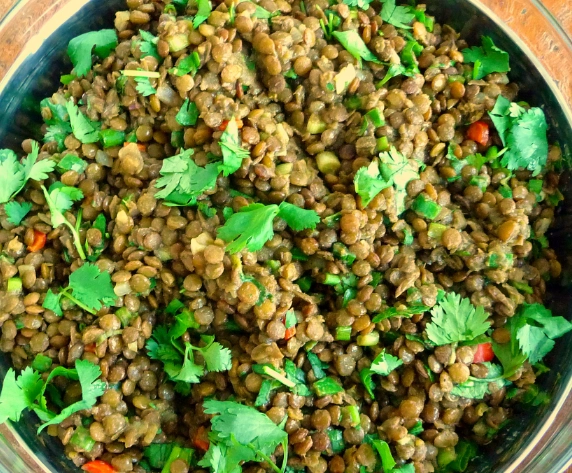
Your Dal Questions, Answered
So, the next time someone asks "What Indian dish is made with lentils?", you can tell them it's dal. But more than that, you can explain it's a versatile, nutritious, and deeply flavorful cornerstone of Indian cuisine. Start with the moong dal recipe above. Master the tadka. Once you get the rhythm, you can experiment with different lentils, spices, and vegetables. It's a lifelong culinary journey that starts with a single pot of humble, glorious lentils.
Discussion