You're staring at a menu or rummaging through your fridge, and the question pops up: is curry sauce the same as gravy? It's a common kitchen confusion, especially in places like the UK where both are beloved staples. The short, no-nonsense answer is no, they are fundamentally different. Calling a curry sauce "gravy" in front of a chef from Delhi or a home cook from Texas might get you a puzzled look, if not outright offense. One is a complex, spice-led emulsion often built on a tomato or yogurt base, while the other is a savory, meat-centric pan sauce. But the real devil—and the delight—is in the details.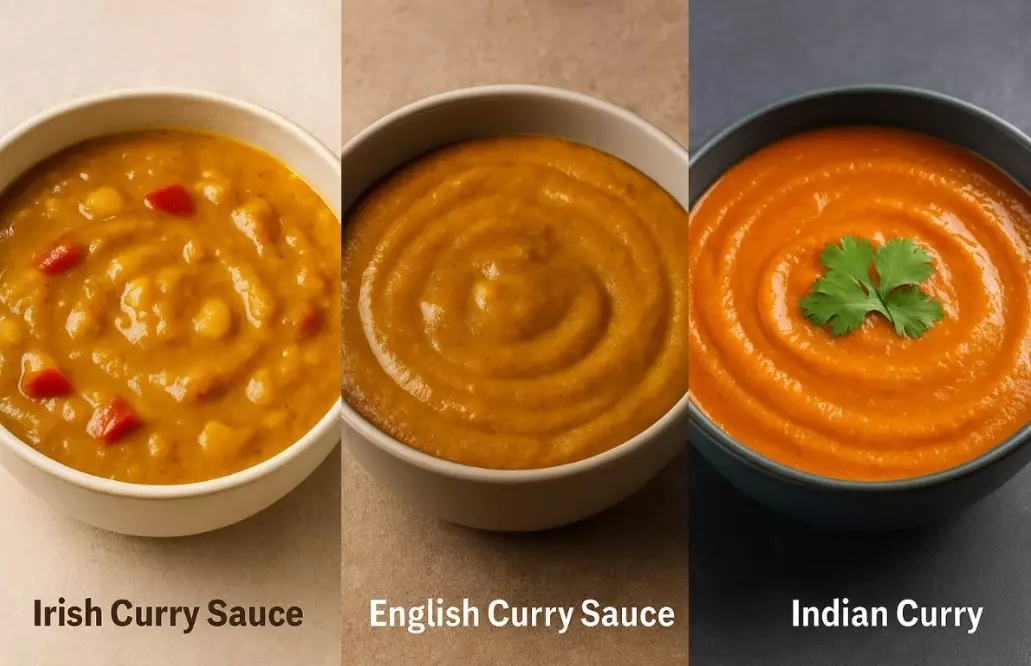
What You'll Discover
What Exactly is Curry Sauce?
Let's clear something up first. "Curry" is a broad, often misunderstood term. In the West, especially in the context of a "curry sauce," we're usually talking about the Anglo-Indian style that became popular in Britain. This isn't necessarily a single sauce from India, but a category of sauces built around a core technique and flavor profile.
The foundation is almost always aromatics—onions, garlic, ginger—fried until soft. Then comes the heart of it: the spices. This isn't just "curry powder." A proper base uses whole or ground spices like cumin, coriander, turmeric, and garam masala, toasted to unlock their oils. The liquid base can be tomatoes, coconut milk, yogurt, or stock. The result is a thick, deeply flavored sauce designed to coat proteins and vegetables, not just sit under them. Think of a Chicken Tikka Masala or a Thai Green Curry—the sauce is the star, an integral part of the dish's identity.
I remember trying to make a "quick" curry sauce once using just curry powder and water. It was bland, gritty, and a total failure. The lesson? Curry sauce demands layering. You can't rush the frying of the onions (they should be golden, not pale), and you absolutely must cook the raw spice taste out before adding liquid.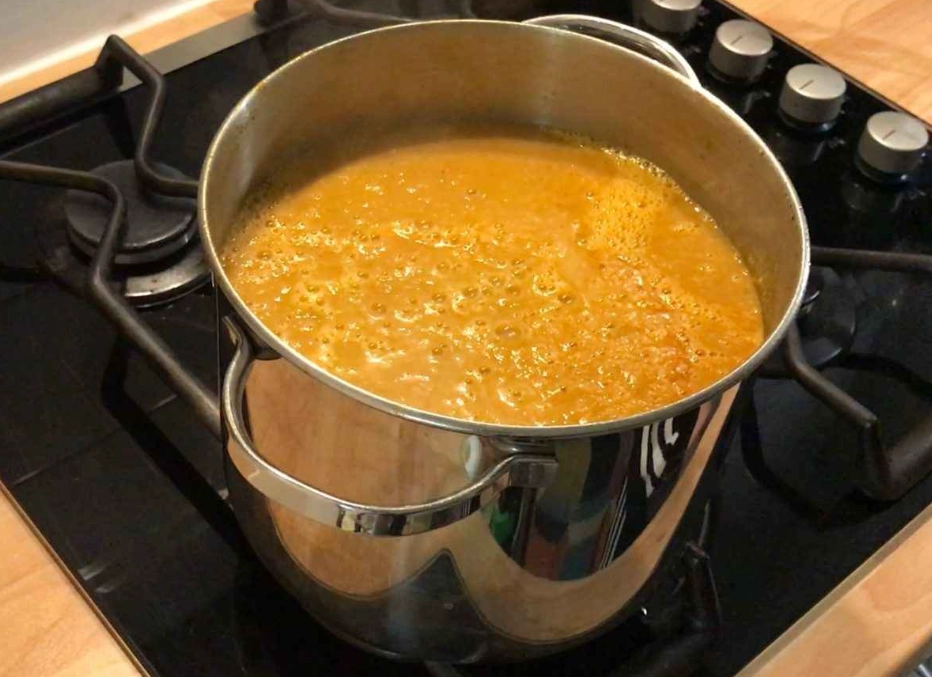
What Defines a Gravy?
Gravy, in its classic form, is a different beast entirely. Its soul is umami and meatiness. It starts with the fond—those delicious browned bits stuck to the pan after roasting meat. You deglaze that with a liquid (stock, wine, water), then thicken it. The thickening agent is crucial and defines the type.
- Roux-based gravy: The most common. Equal parts fat (usually the meat drippings) and flour cooked into a paste, then whisked with liquid. This is your classic Thanksgiving turkey gravy or British Sunday roast gravy.
- Cornstarch slurry gravy: Quicker, glossier, but can have a slightly "gelatinous" mouthfeel if overdone. Common in Chinese-American cuisine and quick weeknight dinners.
- Reduction gravy: Simply reducing stock and pan juices until syrupy. This is pure, intense flavor, often seen in French cuisine or with high-quality meats.
Gravy's job is complementary. It enhances the meat and potatoes, adding moisture and savoriness. It's rarely the main event. A great gravy should have a silky texture and a deep, savory flavor that tastes of the roast itself. A bad gravy is often lumpy, floury, or bland.
Key Differences Between Curry Sauce and Gravy
This table lays out the battle lines. It's the quickest way to see why these two sauces live in separate culinary universes.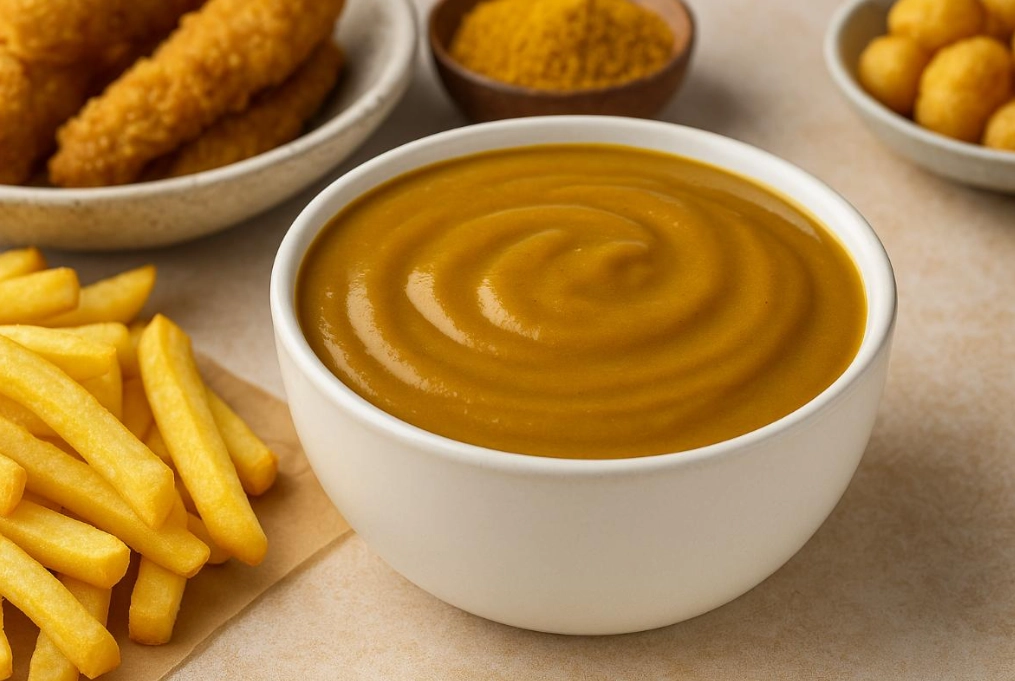
| Aspect | Curry Sauce | Gravy |
|---|---|---|
| Primary Flavor Driver | A complex blend of spices (cumin, coriander, turmeric, chili). | Umami from meat drippings, fond, and stock. |
| Base Ingredients | Aromatics (onion, garlic, ginger), spices, tomato/coconut milk/yogurt. | Meat drippings/fat, flour or cornstarch, stock or pan juices. |
| Thickening Method | Often natural reduction, pureed aromatics, or coconut milk. Sometimes a small amount of flour in the base. | Primarily a roux (fat+flour) or a starch slurry (cornstarch+water). |
| Culinary Role | The main event. The dish is named after the sauce (e.g., butter chicken). | The supporting actor. It accompanies and enhances the main protein (e.g., roast beef and gravy). |
| Cultural Roots | South Asia, Southeast Asia, with heavy Anglo-Indian adaptation. | Western cuisines (European, North American). |
| Texture Goal | Coating, luscious, can be smooth or have texture from ingredients. | Silky, pourable, smooth with no lumps. |
Look at the thickening method. This is a major, practical difference. If you try to thicken a curry sauce like a gravy—by making a separate blond roux and whisking it in—you'll dilute the spice flavors and often end up with a pasty, bland result. Conversely, trying to build a gravy by frying spices in oil will give you something that tastes oddly spiced and nothing like the expected savory companion to your roast.
Common Mistakes and How to Avoid Them
Beyond the basic confusion, here are specific pitfalls that can ruin your sauce or gravy.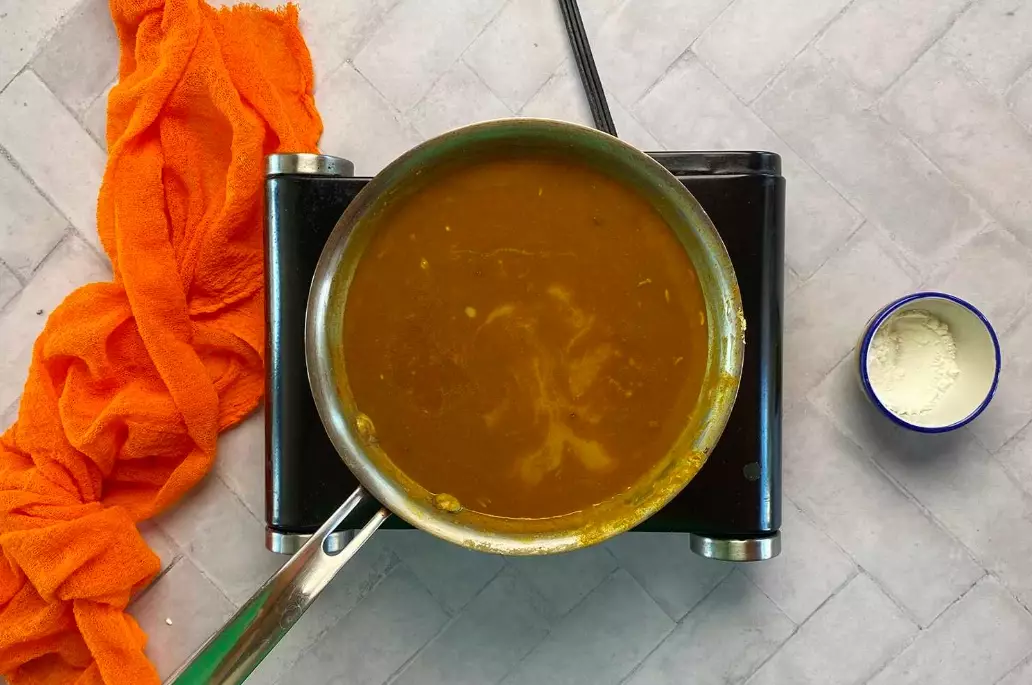
Using "Bisto" or Gravy Granules for a Curry
In the UK, Bisto gravy granules are a pantry staple. I've witnessed (and, in my early cooking days, committed) the crime of using them as a thickener for a curry. It's a disaster. The maltodextrin and meat-flavored powders completely overpower the delicate spice balance, turning your curry into a weird, salty, brown gravy with a hint of cumin. Just don't. If you need to thicken a curry at the end, a paste of ground almonds, a spoonful of yogurt, or even a bit of coconut cream is infinitely better.
Assuming All Brown Sauces are Gravy
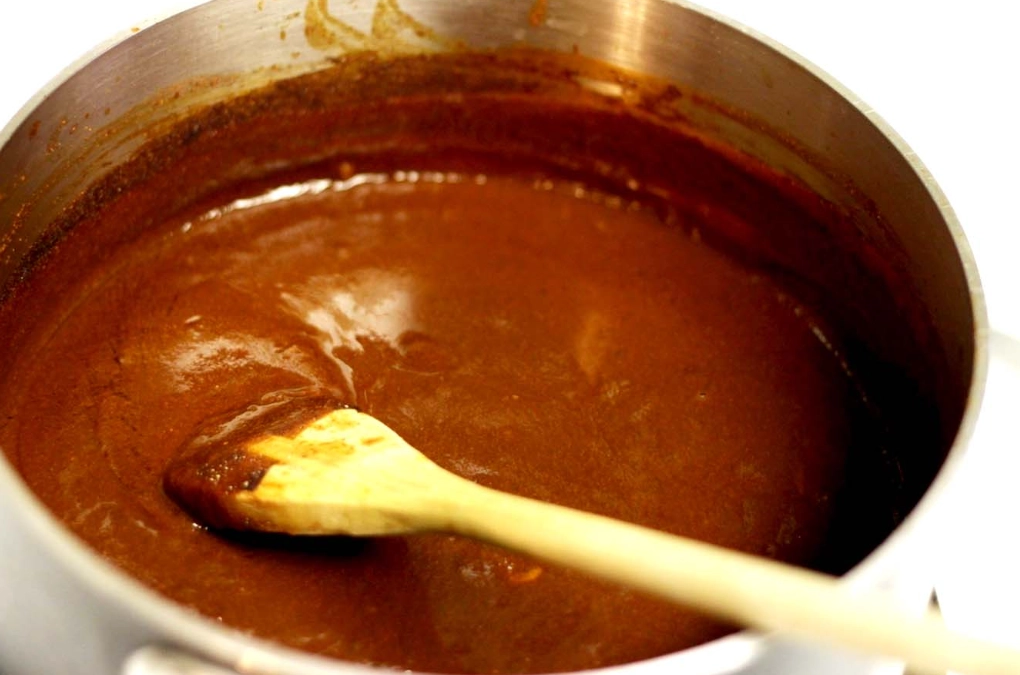
This is where the visual confusion happens. A British-style Chicken Tikka Masala or a Korma can be a rich, brown color. But color alone doesn't make a gravy. A Demi-glace is a rich brown sauce, but it's not gravy. A Japanese curry is brown and thick, but its roux is packed with curry spices and fruit puree. Judge by ingredients and technique, not just hue.
Neglecting the Fond for Gravy
The single biggest mistake in gravy-making is not properly deglazing the roasting pan. Those browned bits are pure flavor gold. If you just mix stock into a roux, your gravy will taste flat and one-dimensional. Scrape that pan clean—the fond is non-negotiable for depth.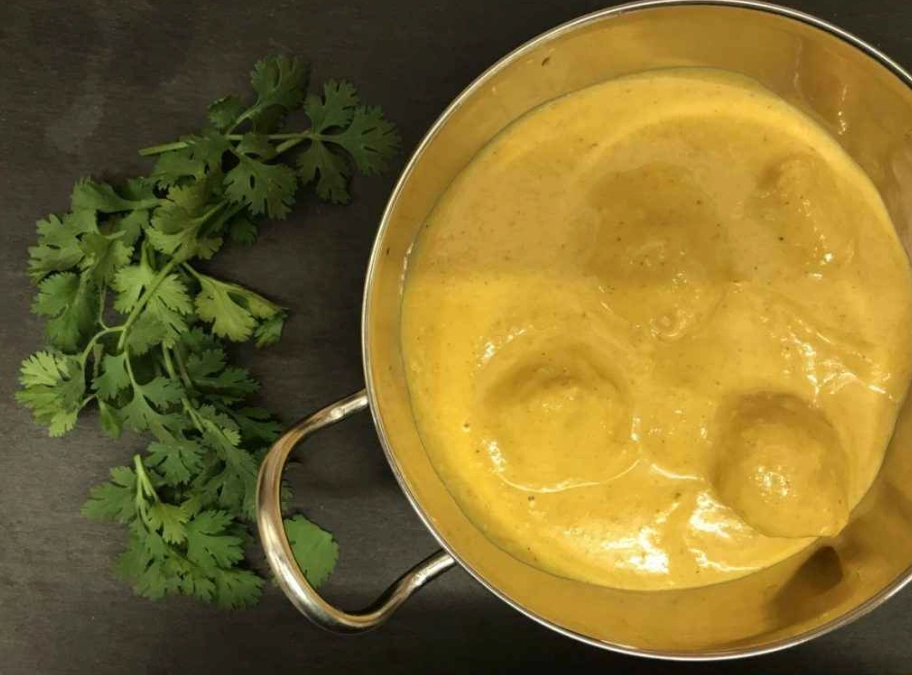
Your Curry and Gravy Questions Answered
 Is the "curry" you get with chips (fries) the same as a proper curry sauce?
 So, is curry sauce the same as gravy? Absolutely not. One is a spice-forward, ingredient-rich construct that defines a dish. The other is a meat-juice-based, savory accompaniment. Understanding this isn't just culinary pedantry; it's the key to cooking each one successfully. You wouldn't use a screwdriver to hammer a nail. Don't use gravy technique for a curry, or vice versa. Respect their unique paths, and you'll be rewarded with sauces that truly shine.
Discussion