Explore This Guide
Let's be honest. There's something almost magical about a pot of mutton simmering away with Indian spices. It's not just dinner; it's an event. The aroma alone can pull people into the kitchen from rooms away. But if you've ever stood in front of your stove, packet of mutton in hand, and felt a flicker of intimidation, you're not alone. I've been there too. The fear of tough meat, the confusion over which spice goes where, the worry that it'll just taste... bland. What if I told you that mastering a few key Indian mutton recipes is simpler than you think, and the payoff is one of the most satisfying cooking experiences you can have?
I remember my first attempt at a proper mutton curry. It was a disaster. The meat was chewy, the gravy was watery, and the whole thing tasted like boiled meat with chili powder. It was a far cry from the rich, complex, fall-off-the-bone dishes I'd had at friends' homes or proper restaurants. That failure, though, sent me on a mission. I talked to home cooks, pored over old cookbooks (and newer resources like the extensive collection on BBC Good Food), and did a lot of trial and error in my own kitchen. What I learned transformed my cooking.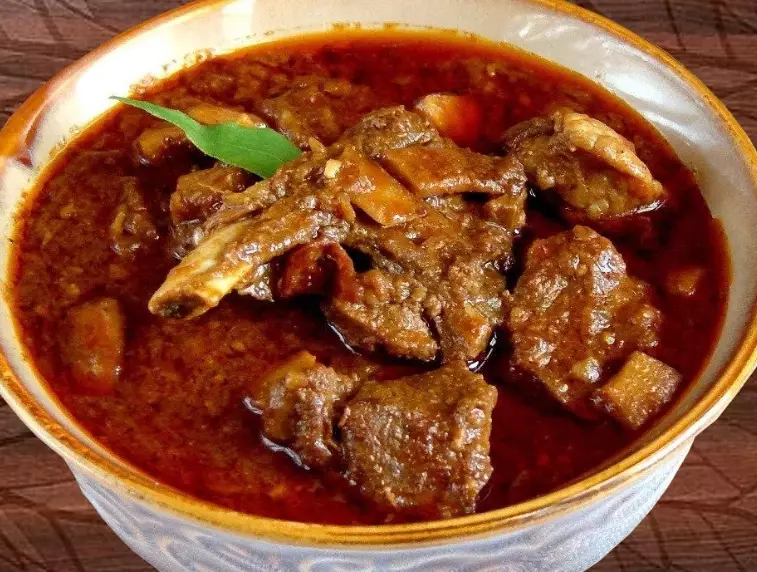
Why Mutton? And What Even Is It?
First things first. In many parts of the world, "mutton" refers specifically to meat from an adult sheep, known for its stronger, gamier flavor compared to lamb. However, across the Indian subcontinent, the term "mutton" is used more broadly. It often refers to goat meat, which is far more common and prized for its leaner texture and distinct taste. Sometimes, it can even mean meat from an adult sheep. The key takeaway? When seeking out authentic Indian mutton recipes, you're most likely aiming for goat meat. It's leaner, takes well to long cooking, and absorbs spices beautifully. Lamb can be a substitute, but it will cook faster and have a milder flavor.
"The magic of Indian mutton recipes doesn't lie in one secret ingredient. It's in the layering of flavors—toasting whole spices, frying onions to the perfect golden-brown, and giving time its due respect."
The Holy Trinity: Spices, Slow Cooking, and Sautéing
You can't talk about Indian mutton recipes without diving deep into spices. But it's not about dumping a dozen powders into a pot. It's about technique.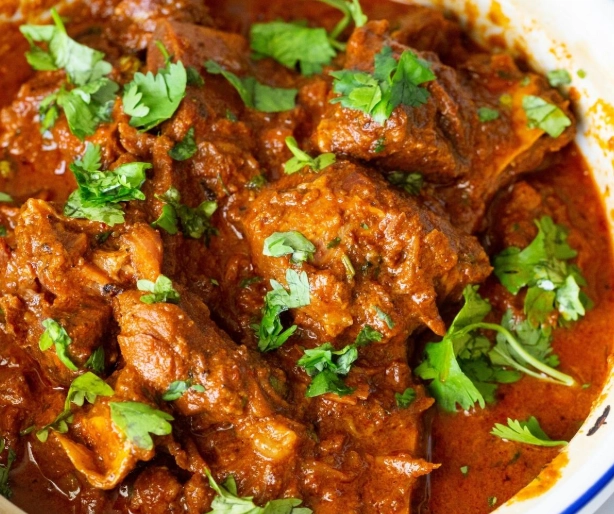
The Spice Foundation: Whole vs. Ground
Most iconic dishes start with a "tadka" or "baghaar"—whole spices crackled in hot oil or ghee. This step isn't optional; it's essential. The heat releases volatile oils, transforming the flavor of the oil itself, which then carries that flavor through the entire dish. Common starters include cumin seeds, black cardamom, green cardamom, cloves, cinnamon sticks, and bay leaves. Then come the ground spices—coriander, turmeric, red chili powder, and garam masala. Turmeric provides color and earthiness, coriander gives a citrusy backbone, and chili brings heat. Garam masala, a warming blend, is often added at the end to preserve its aroma.
The Onion Base: Patience is a Virtue
This might be the most important step for a rich gravy. Onions need to be fried slowly, often with a pinch of salt to draw out moisture, until they turn a deep, golden brown. Not blond, not light brown, but a proper caramelized brown. This "bhunao" process (sautéing and frying the base) is what builds the foundational flavor and body of the curry. Rushing this step results in a gravy that tastes raw and sweet. Take your time here. It can take 15-20 minutes over medium heat. While many recipes rely on this traditional technique, exploring different regional bases, like the coconut-based gravies of Kerala or the poppy seed pastes of some Mughlai dishes, opens up a whole new world of Indian mutton recipes.
Low and Slow: The Only Way to Tender
Mutton, especially goat, has tougher muscle fibers. There's no hack that beats time. You need to cook it slowly, in enough liquid, for a long time. This breaks down collagen into gelatin, resulting in that succulent, melt-in-your-mouth texture. A heavy-bottomed pot is your best friend here. A pressure cooker is a fantastic modern tool that cuts the time significantly (more on that later), but the principle remains: gentle, prolonged heat.
A Tour of Must-Try Indian Mutton Recipes
Indian cuisine is wildly diverse, and so are its mutton dishes. From the fiery curries of the south to the rich, nutty gravies of the north, here's a roadmap.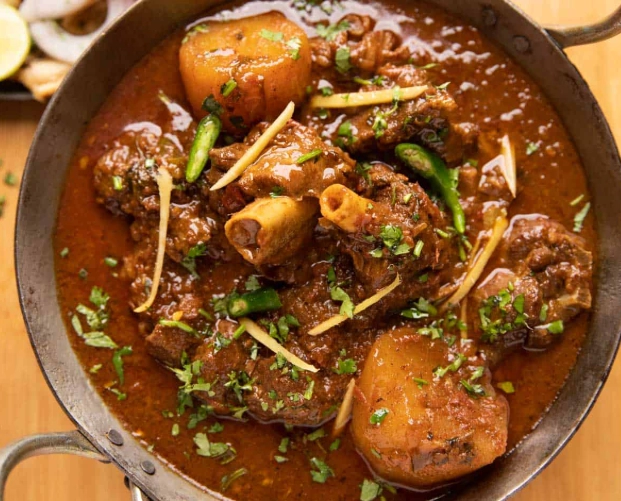
The Classics (The Crowd-Pleasers)
These are the pillars. The dishes that define Indian mutton recipes for many.
Mutton Rogan Josh: The king of Kashmiri cuisine. Its name hints at its character—"Rogan" means oil or fat, "Josh" means heat or passion. It's not about chili heat, but a deep, warming heat from spices. The signature red color traditionally comes from Kashmiri chilies or ratan jot (alkanet root). It's a relatively dry curry, intensely aromatic with notes of fennel and ginger. The meat is the star, coated in a thick, flavorful paste. It's a dish that feels luxurious.
Mutton Korma: Often misunderstood in the West as a mild, creamy curry. Authentic korma is about richness, not necessarily creaminess. It involves braising meat in yogurt, spices, and sometimes nut or seed pastes (almonds, cashews, poppy seeds). The result is a fragrant, subtly sweet, and incredibly tender dish where the spices are balanced, not overpowering. It's a celebration of texture and nuanced flavor.
Mutton Biryani: More than a recipe, it's an institution. Layers of partially cooked rice and marinated mutton, steamed together ("dum" style) so the flavors marry. Every region has its version—the fragrant Lucknowi, the spicy Hyderabadi, the lighter Kolkata biryani with potatoes. It's a project, but arguably the most rewarding one in the Indian culinary repertoire. The key is the marinade (yogurt, spices, herbs) and the precision of cooking the rice.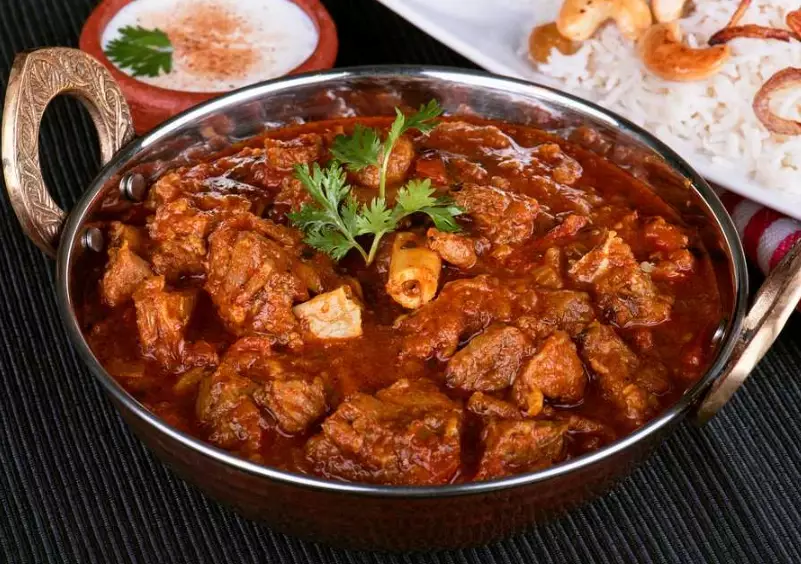
The Weeknight Heroes (Easier Indian Mutton Recipes)
Think you need hours? Not always.
Mutton Keema: Minced mutton is a weeknight savior. It cooks fast and is incredibly versatile. A simple keema matar (minced mutton with peas) is a staple in many homes. Sauté onions, ginger, garlic, add spices, brown the keema, throw in peas and a little water, and simmer. Served with rice or rotis, it's comfort in a bowl. You can make keema pav (spicy minced mutton with bread rolls), use it as a filling for samosas or stuffed peppers… the possibilities are endless.
Pressure Cooker Mutton Curry: This is the modern home cook's secret weapon. You can achieve tender mutton in under 30 minutes of cooking time. The process is similar—sauté spices and onions in the cooker, add meat and other ingredients, pressure cook for 6-8 whistles or about 20-25 minutes. The result is surprisingly deep flavor. It might lack the nuanced reduction of an all-day curry, but for a Tuesday night? It's phenomenal. Resources like Serious Eats' Food Lab have great science-backed guides on pressure cooker braising that apply perfectly here.
The Regional Gems (Adventurous Territory)
Mutton Nalli Nihari: A dish for the brave. Originating from the Mughal kitchens, Nihari means "morning," as it was traditionally slow-cooked overnight and eaten for breakfast. It's a shank (Nalli) curry, so it's bone-in, marrow-rich, and unbelievably gelatinous. The spice blend is complex, often including a special "Nihari masala," and it's finished with a fiery ginger-julienne and fresh coriander. It's heavy, decadent, and unforgettable.
Mutton Chettinad: Hailing from Tamil Nadu, this is for those who love heat and bold flavors. Chettinad cuisine is famous for its use of whole black pepper, fennel, star anise, and a variety of dried red chilies. The curry is thick, dark, and packs a serious punch. It's not just heat; it's a symphony of aromatic, peppery notes that make your taste buds sing.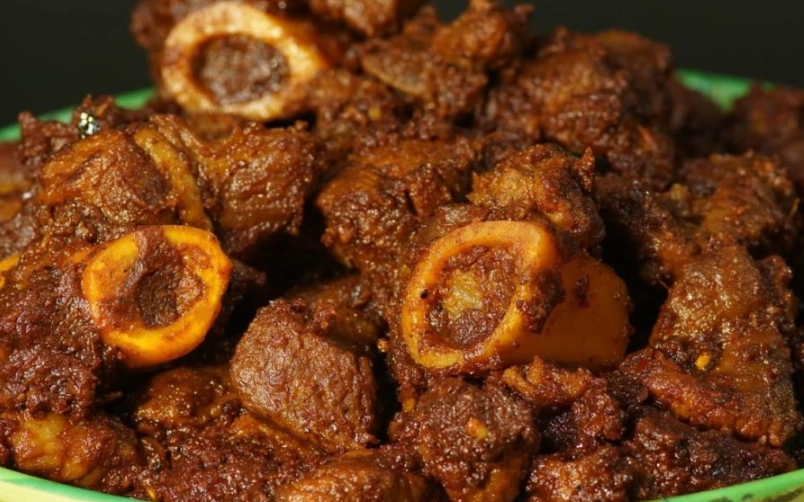
Feeling adventurous? Try a Chettinad recipe. But maybe go easy on the dried red chilies the first time—you can always add more heat later!
Choosing and Preparing Your Mutton: A Practical Guide
All the technique in the world won't help if you start with subpar meat.
| Cut of Mutton | Best Used For | Cooking Notes |
|---|---|---|
| Shoulder / Curry Cut | Curries, Stews, Biryani | My go-to. Has fat and connective tissue that melts into the gravy. Becomes very tender. |
| Leg | Grilling, Roasting, Drier Curries | Leaner meat. Good for dishes where you want distinct pieces, but can dry out if overcooked. |
| Shanks (Nalli) | Nihari, Slow-Braised Dishes | All about the marrow and collagen. Requires the longest cooking time for ultimate richness. |
| Ribs / Chops | Grilling, Pan-Frying, Saag Meat | Quick-cooking, flavorful. Great for a faster meal or as part of a mixed curry. |
| Minced (Keema) | Keema Matar, Stuffed Parathas, Kebabs | Versatile and fast-cooking. Ask for it coarsely minced for better texture. |
Preparation is key: If possible, get your butcher to cut the mutton into uniform pieces, about 1.5 to 2-inch cubes. Wash the meat thoroughly and pat it completely dry with paper towels before cooking. This is crucial. Wet meat won't sear properly; it'll steam. Searing = flavor. For many Indian mutton recipes, marinating in yogurt, ginger-garlic paste, and some acid (like raw papaya paste or vinegar) for a few hours or overnight can work wonders in tenderizing the meat.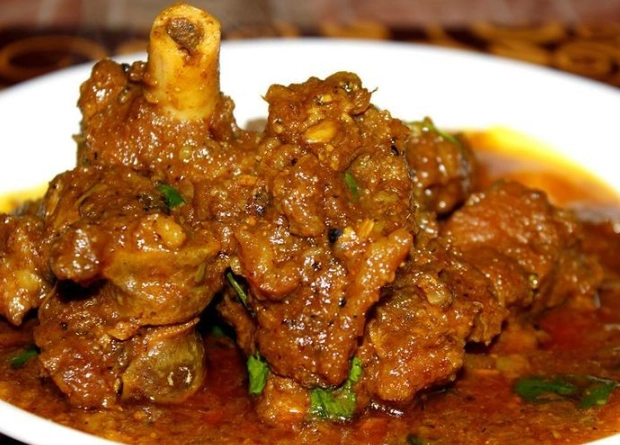
Your Questions, Answered (The FAQ Every Cook Needs)
A word on "authenticity": Don't get too hung up on it. Indian cooking is home cooking at its core. Every family has their version. Your goal should be deliciousness, not a perfect museum replica. Adapt based on what spices you have and your taste.
Bringing It All Together: A Simple Roadmap for Your First Curry
Let's simplify. Here’s a mental checklist for a basic, fail-safe mutton curry:
- Get your meat ready: Dry it well. Optionally, give it a quick marinade.
- Heat your oil/ghee in a heavy pot.
- Temper whole spices: Cumin, cardamom, cloves, cinnamon. 60 seconds max.
- Fry the onions: Thinly sliced. Medium heat. Stir often. Go for golden brown. This is your time to be patient.
- Add ginger-garlic paste: Cook for 1 minute until fragrant.
- Add ground spices: Turmeric, coriander, chili powder. Mix quickly with the onion paste for 30 seconds.
- Add the meat: Turn heat to medium-high. Sear the pieces, stirring to coat them in the masala. Let them get some color.
- Add liquid and simmer: Water, stock, or tomatoes. Bring to a boil, then reduce to the lowest simmer. Cover partially. Cook until tender (1 to 1.5 hours). Stir occasionally.
- Finish: Once meat is tender, uncover and reduce the gravy to your desired consistency. Add garam masala and fresh coriander. Taste for salt.
That’s it. The blueprint for countless Indian mutton recipes.
So, grab some mutton, raid your spice cabinet, and clear your schedule for a few hours. The journey of exploring Indian mutton recipes is one of the most rewarding in home cooking. It teaches patience, builds confidence, and ends with a meal that feels like a genuine accomplishment. And honestly, is there anything better than the smell of spices and slow-cooked meat filling your home? I don't think so.
Start with a simple curry. Maybe a keema. Then try a Rogan Josh. Before you know it, you'll be planning a biryani for your next gathering. The world of flavor is waiting in your pot.
Discussion