You know the feeling. You walk into a good Indian restaurant, like Dishoom in London or any bustling spot in Delhi, and the air is thick with the most incredible aroma. You order a curry—maybe a butter chicken or a lamb rogan josh—and when it arrives, it's a revelation. Silky, deeply colored, with flavors that are complex but perfectly balanced. You try to recreate it at home. You follow a recipe, use the same spices, but it never quite hits the same notes. It's either too thin, too gritty, or just tastes... separate.
I spent years in my kitchen, frustrated, before I learned the truth. It's not just the recipe. It's the technique. Most home recipes skip the foundational steps that Indian restaurant kitchens consider non-negotiable. After talking to chefs and a lot of trial and error (some truly terrible pots of curry were sacrificed), I figured out the three pillars that transform a good homemade curry into a restaurant-style masterpiece.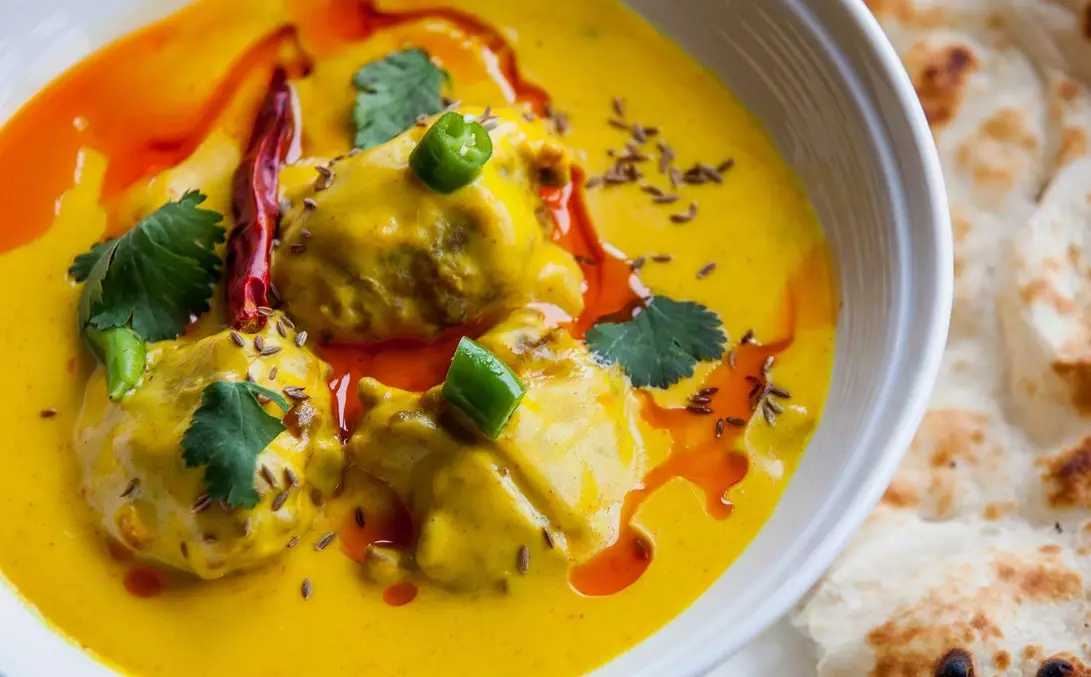
What You'll Discover Inside
Secret #1: The All-Important Base Gravy (It's Not What You Think)
Here's the biggest misconception: restaurant curries are made from scratch in 30 minutes. They're not. They start with a pre-made base gravy. This isn't a stock cube in water. It's a concentrated, smooth, flavor-packed liquid made from slowly cooking down onions, tomatoes, ginger, garlic, and a few basic spices.
Think of it as the mother sauce. For a busy restaurant, it allows them to cook a butter chicken or a paneer makhani in minutes by simply adding cream, butter, and their specific spice mix to a portion of this base.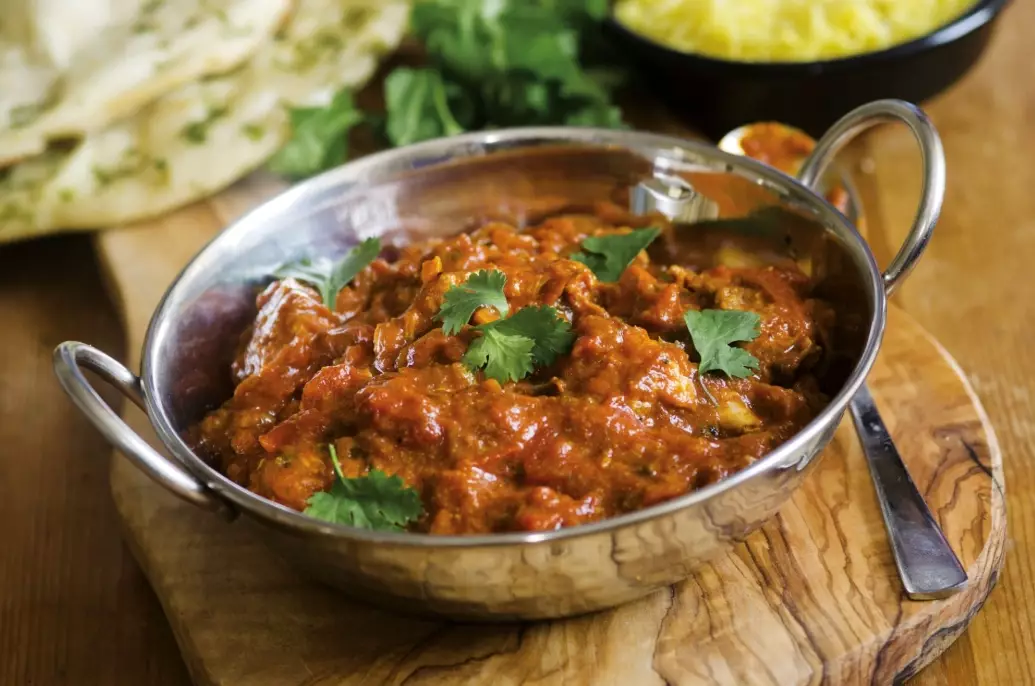
How to Make Your Own Base Gravy (The Game Changer): Roughly chop 4 large onions, 4 tomatoes, a 3-inch piece of ginger, and 10 garlic cloves. Don't bother being neat. Sauté them in oil until soft, then add 1 tbsp coriander powder, 1 tsp turmeric, and 2 bay leaves. Add enough water to cover, simmer for 45 minutes until everything is mushy. Let it cool, then blend until completely smooth. No bits. Strain it through a sieve if you're fussy. This yields about 1 liter of base gravy. Freeze it in ice cube trays or portions. Now you have your secret weapon.
The smoothness is critical. A gritty base makes a gritty curry. This step alone eliminates the "watery tomato soup" texture so many home cooks struggle with.
Secret #2: Layering Spices & The "Bhuno" (The Make-or-Break Step)
You've probably been told to "add all your spices at once." That's a great way to get a flat, dusty-tasting curry. Restaurant kitchens layer spices at different stages to build depth.
The First Layer: Whole Spices in Hot Oil
Start by tempering whole spices—cumin seeds, cardamom pods, cinnamon stick, cloves—in your cooking oil or ghee. This infuses the fat with their essence. It's the first aromatic hit.
The Second Layer: The "Bhuno" (Frying the Paste)
This is the step most people rush. After adding your ginger-garlic paste and maybe some tomato puree, you need to cook it. Not just until it's warm, but until it releases oil. In Hindi, this is called "bhuno." You fry the paste, stirring constantly, until it darkens in color, loses its raw smell, and the oil starts to separate from the mixture, pooling around the edges of the pan.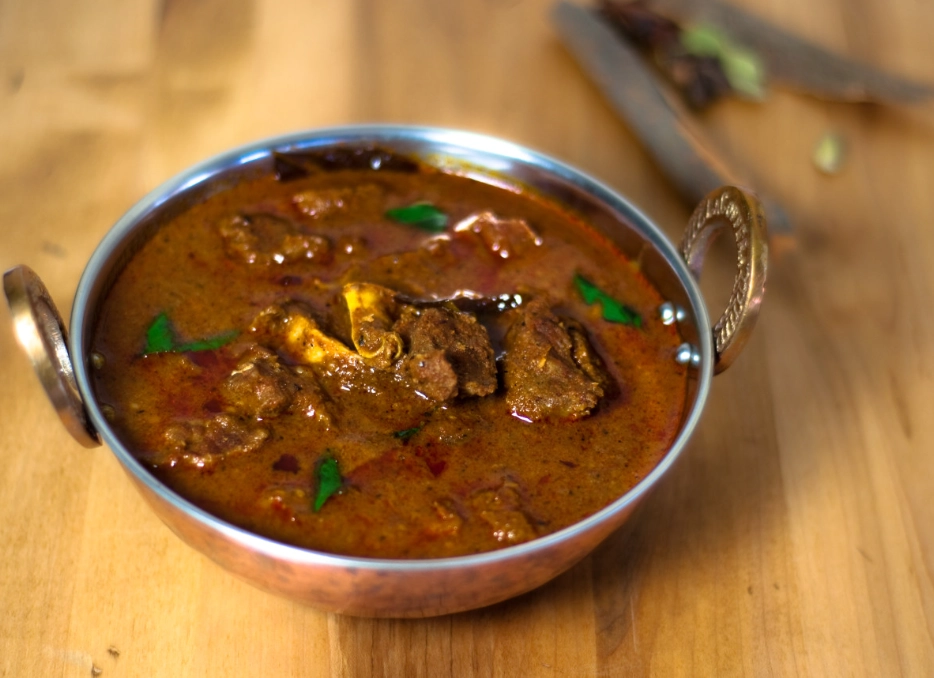
The Rookie Mistake: Adding liquid (water, tomatoes, base gravy) before the bhuno is complete. This steams the spices instead of frying them, locking in a raw, harsh flavor. You'll never cook it off later. Be patient. This can take 10-15 minutes on medium heat. Your arm will get tired. It's worth it.
The Third Layer: Ground Spices
Add your ground spices (coriander, cumin, turmeric, garam masala) after the bhuno, but before adding your main liquid (the base gravy). Fry them in the oily paste for just 30-60 seconds until fragrant. This "toasts" them, waking up their flavors without burning them.
Secret #3: The Magic of Fat & Emulsion (The Restaurant "Creaminess")
That luxurious, clinging sauce in a restaurant curry isn't just from cream. It's an emulsion of fat and liquid. They use more fat than you'd expect—butter, ghee, oil, cream, or ground nuts—and they whip it in at the end.
After your curry is cooked and seasoned, take it off the heat. Now, add your finishing fats: a big knob of cold butter, a generous pour of cream, or a dollop of yogurt. Don't stir it in violently. Let it melt gently on the surface, then slowly fold it in. This creates a rich, glossy, homogeneous sauce that coats the back of a spoon.
Using cold fat at the end helps it emulsify instead of splitting. If you're using yogurt or cream, let it come to room temperature first to prevent curdling.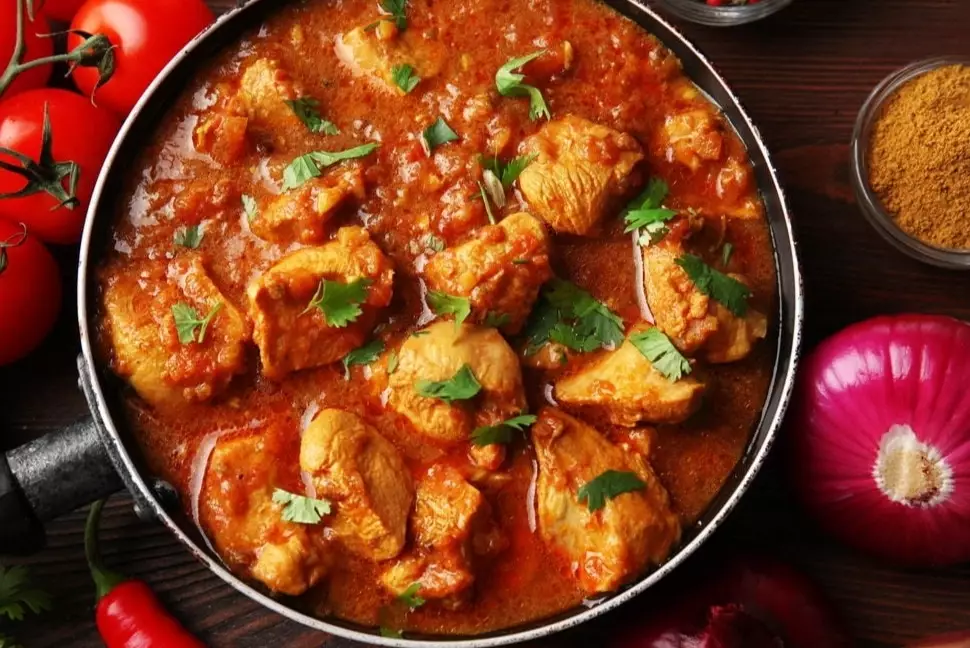
Putting It All Together: A Restaurant-Style Chicken Curry Recipe
Let's apply all three secrets to a classic. This isn't just a list of ingredients; it's a method.
| Ingredient | Quantity | Purpose |
|---|---|---|
| Boneless chicken thighs | 500g, cubed | Main protein (thighs stay juicier) |
| Base Gravy (from Secret #1) | 500ml | The flavor foundation |
| Vegetable oil or ghee | 3 tbsp | Cooking fat for tempering |
| Whole spices (cumin seeds, cardamom, cinnamon) | 1 tsp mix | First aromatic layer |
| Ginger-garlic paste | 1.5 tbsp | Core flavor paste |
| Tomato puree | 2 tbsp | Adds body and tang |
| Ground coriander, cumin, turmeric, red chili powder | 1 tbsp each coriander/cumin, 1 tsp others | Toasted ground spice layer |
| Garam masala | 1 tsp | Finishing spice blend |
| Heavy cream (room temp) | 4-5 tbsp | Finishing fat for emulsion |
| Kasuri methi (dried fenugreek leaves) | 1 tsp, crushed | Restaurant-style authentic finish |
| Salt | To taste |
The Method, Step-by-Step:
- Temper: Heat oil/ghee. Add whole spices until they sizzle.
- Bhuno the Paste: Add ginger-garlic paste. Fry for 2 mins. Add tomato puree. Now, the crucial part: fry this mixture, stirring often, for a good 10-12 minutes until it darkens and oil separates.
- Toast Ground Spices: Add all ground spices except garam masala. Fry for 60 seconds until fragrant.
- Add Chicken & Base: Add chicken pieces, coat in masala. Cook for 5 mins. Pour in your base gravy. Bring to a simmer, cook for 15-20 mins until chicken is done and sauce thickens slightly.
- The Finish: Turn off heat. Stir in garam masala and crushed kasuri methi. Let the curry sit for a minute. Now, drizzle the room-temperature cream over the top. Let it sit for 30 seconds, then gently fold it in to create that glossy emulsion. Season with salt.
That final, gentle fold is what gives you the signature restaurant look and mouthfeel.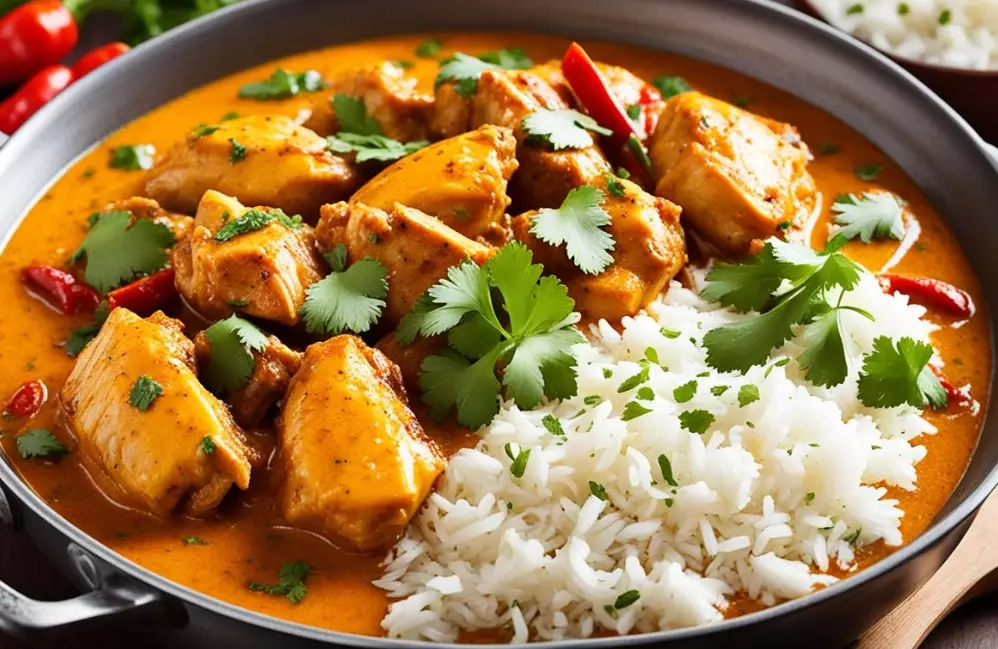
Your Curry Questions, Answered
My curry always turns out watery, even after cooking for a long time. What am I doing wrong?
You're likely adding too much liquid too early, or not using a thick base. The base gravy is already reduced, so it provides body. Also, ensure you're doing the 'bhuno' properly—cooking the paste until the water evaporates and oil separates. A watery start makes a watery finish. Finally, don't be afraid to simmer uncovered at the end to reduce it to your desired consistency.
Can I make a good restaurant-style curry without a blender for the base gravy?
It's a major handicap. The smooth texture is a hallmark. You can try grating your onions and tomatoes very finely, but it won't be the same. A stick blender is one of the best investments for Indian cooking. If you absolutely can't blend, you'll need to cook the onions down until they completely melt into the sauce, which takes much longer and is less reliable.
Why does my curry taste bitter or harsh?
Two main culprits. First, burned spices. Ground spices added to very hot, dry oil can burn in seconds, turning bitter. Always add them to the oily paste, not a dry pan. Second, undercooked ginger-garlic or tomato paste. If you don't complete the 'bhuno' stage, that raw flavor never cooks out and dominates the dish. Low and slow is key for that step.
Is there a substitute for cream to make it healthier but still rich?
Yes, but manage expectations. Raw cashew paste (soaked cashews blended with water) is a fantastic, authentic alternative that adds creaminess and a slight sweetness. A couple tablespoons of ground almonds work too. For a dairy-free tang, a spoon of coconut cream can work in certain curries (like a korma), but it will alter the flavor profile.
How do I get that vibrant red or yellow color like in restaurants?
It's often a combination of technique and sometimes a tiny bit of harmless food coloring (which they absolutely use). For a deeper red, ensure your tomato puree is well fried ('bhuno'-ed) until it darkens. Kashmiri red chili powder gives heat and a bright red hue without overwhelming spice. For yellow, a good quality turmeric fried in oil releases its color best. Remember, the fat is a carrier for both flavor and color.
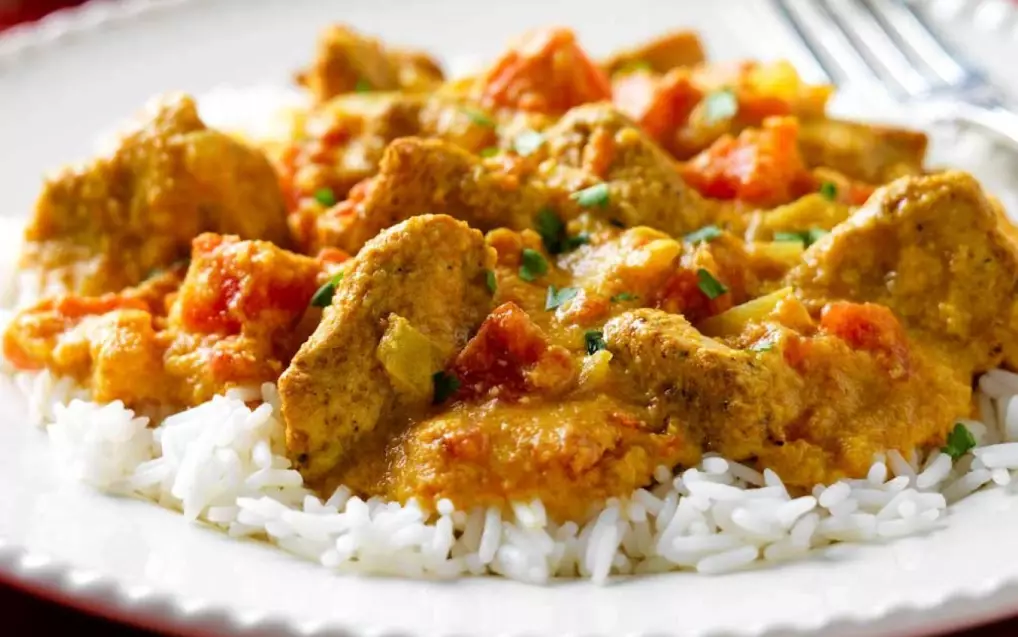 The gap between your home kitchen and your favorite Indian restaurant isn't as wide as it seems. It's bridged by technique, not just ingredients. Master the base gravy, respect the 'bhuno,' and embrace the emulsion. Your next pot of curry won't just be good. It'll make you wonder why you'd ever need to order takeout again.
Discussion