You've had it at restaurants – that creamy, rich, impossibly flavorful butter chicken that coats every grain of rice. You try a recipe at home, and it's... fine. A bit bland. Maybe a little thin. What's missing? After burning through countless batches over the years, I can tell you the secret isn't one magic ingredient. It's a sequence of small, non-negotiable steps most home cooks gloss over. Let's skip the fluff and get straight to what actually builds that deep, restaurant-style flavor.
Your Quick Guide to Butter Chicken Mastery
- The Marination: Where Flavor Begins (and Most Go Wrong)
- Building the Sauce: A Flavor Base, Not Just Tomato Gravy
- The Spice Blend: Beyond Garam Masala
- The Finishing Touches: Cream, Butter, and Magic
- 3 Mistakes That Ruin Homemade Butter Chicken
- A Detailed Recipe Walkthrough
- Your Butter Chicken Questions, Answered
The Marination: Where Flavor Begins (and Most Go Wrong)
This is the first and most critical failure point. Marinating isn't just for color. It's a flavor and texture treatment.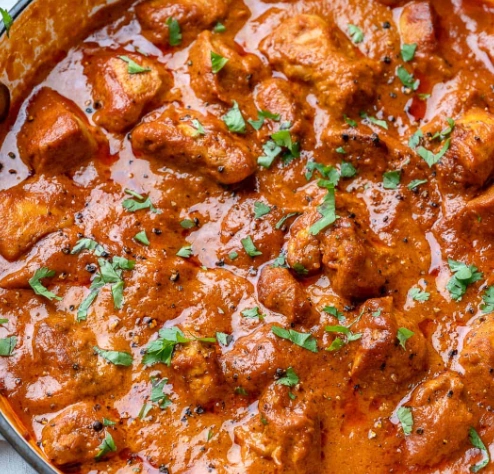
Use full-fat yogurt. Low-fat yogurt is too acidic and watery. The fat in full-fat Greek or Indian dahi (curd) coats the chicken, leading to tender results. The lactic acid tenderizes gently without making the meat mushy.
Grate your aromatics. Don't just mince garlic and ginger. Grate them into a paste. This creates more surface area, releasing their oils directly into the marinade. That intense hit of flavor you get in good butter chicken? That's grated ginger-garlic at work.
Kashmiri red chili powder is non-negotiable. It provides vibrant color without overwhelming heat. If you use a generic chili powder, you'll get heat but not that iconic red hue. It's available at any Indian grocer or online.
Time is your ally. Four hours is good. Overnight is transformative. The chicken absorbs the spices and yogurt deeply, so every bite is seasoned from the inside out.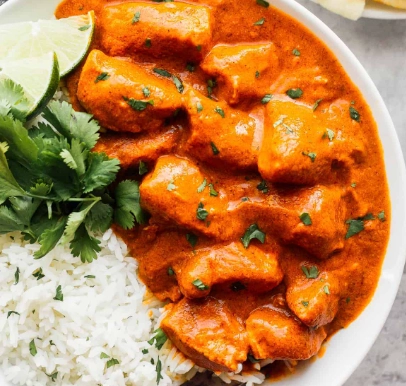
Building the Sauce: A Flavor Base, Not Just Tomato Gravy
The sauce isn't tomatoes + cream. It's a layered construction.
The Onion Foundation
You need to cook the onions until they are truly golden brown, almost caramelized. This takes 20-25 minutes on medium-low heat. Pale, translucent onions won't give you the sweet, deep base the sauce needs. This step alone adds a foundational sweetness that balances the tomatoes and spices.
Tomato Choice and Technique
Canned whole San Marzano tomatoes are your best friend. They're consistently sweet and less acidic. Blend them until completely smooth. Any chunkiness will break the luxurious texture of the final dish.
Then, you must cook this tomato paste. Fry it in the oil with the spices for at least 5-7 minutes. You'll see it darken in color, thicken, and the oil will start to separate around the edges. This "cooking out" the raw tomato taste is crucial. It concentrates the flavor and removes acidity.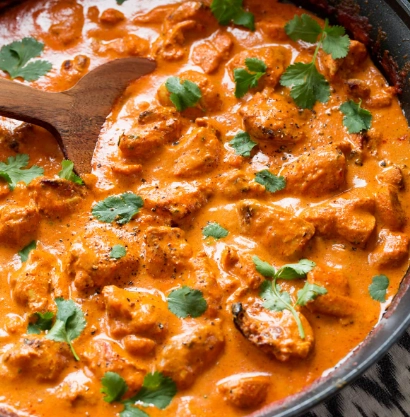
The Spice Blend: Beyond Garam Masala
Most recipes just say "add garam masala." That's like saying "add Italian seasoning" for a complex pasta sauce.
You need to bloom whole spices at the start. Cumin seeds, a cinnamon stick, cardamom pods, and cloves fried in ghee or oil at the beginning infuse the cooking fat with aroma. Then, you add the powdered spices – coriander, turmeric, and Kashmiri chili – and fry them briefly in the hot oil before adding the tomatoes. This toasting unlocks their volatile oils. Garam masala is a finishing spice, added at the very end to preserve its delicate aroma.
| Spice | When to Add | Purpose |
|---|---|---|
| Whole Cumin, Cinnamon, Cardamom | Beginning, in hot oil/ghee | Infuses base oil with deep, warm aroma |
| Coriander Powder, Turmeric | After onions, before tomatoes | Toasted in oil to remove raw taste, build body |
| Kashmiri Chili Powder | After onions, before tomatoes | Provides color and mild heat |
| Garam Masala | Last 2 minutes of cooking | Finishing spice for top-layer fragrance |
| Kasuri Methi (Dried Fenugreek Leaves) | Crumbled in at the end | The secret "savory" note, mimics restaurant flavor |
The Finishing Touches: Cream, Butter, and Magic
Here's where the silkiness happens.
Use both cream and butter. Heavy whipping cream (30%+ fat) is standard. But the real trick is to add cold cubes of butter at the very end, after you've turned off the heat. Whisk them in slowly. This emulsifies the fat into the sauce, making it glossy and rich without being greasy. Adding butter while the sauce is boiling can cause it to separate.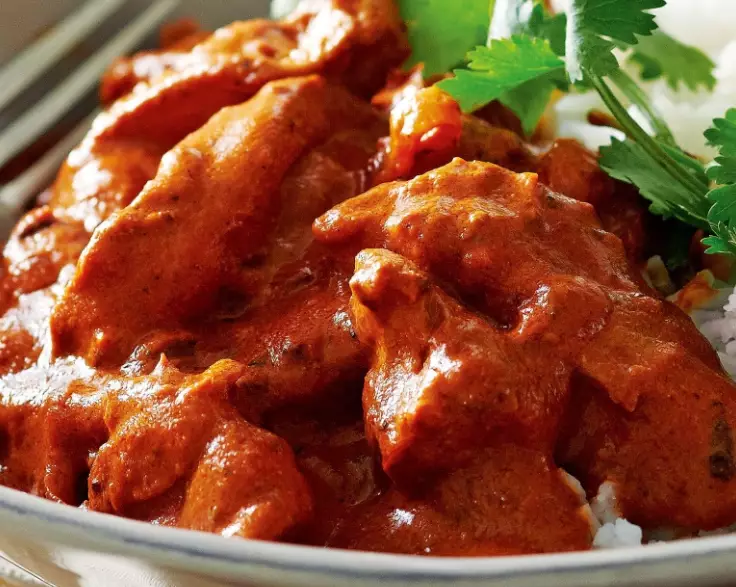
Kasuri Methi (dried fenugreek leaves). If there's one "secret" ingredient, it's this. Crush a tablespoon between your palms and stir it in at the end. It adds a subtle, bitter-savory aroma that is unmistakably present in restaurant versions. It's the note you can't quite place but would miss if it were gone.
Simmer, don't boil. Once the chicken and sauce are combined, let it simmer gently for 10-15 minutes. This allows the chicken to finish cooking and the flavors to marry. A rapid boil can toughen the chicken and make the sauce grainy.
3 Mistakes That Ruin Homemade Butter Chicken
- Rushing the Onions and Tomatoes. Golden-brown onions and well-cooked tomato paste are the foundation. Skimp here, and your sauce will taste thin and acidic.
- Using Boneless, Skinless Chicken Breast Exclusively. Thighs have more flavor and stay juicier. A mix of thighs and breasts is ideal. If you must use only breast, don't overcook it in the sauce.
- Adding Cream and Butter to a Boiling Sauce. This risks splitting the sauce. Always lower the heat to a gentle simmer or turn it off before incorporating the dairy.
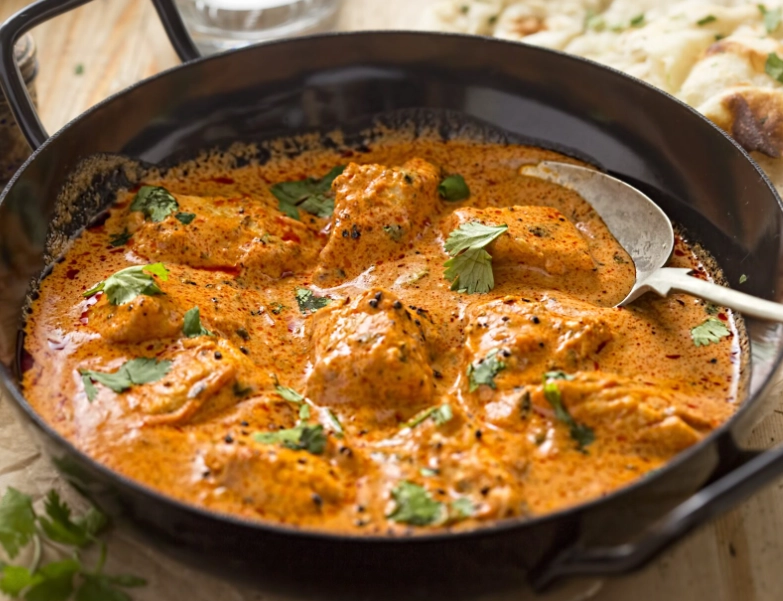
A Detailed Recipe Walkthrough
Let's put it all together. This isn't just a list; it's the *why* behind each step.
For the Marinade: In a bowl, combine 1.5 lbs of chicken (thighs and breast cubes), 1 cup of full-fat plain yogurt, 2 tablespoons of grated ginger, 2 tablespoons of grated garlic, 1 tablespoon Kashmiri chili powder, 1 teaspoon salt, and 1 tablespoon lemon juice. Mix well, cover, and refrigerate for at least 4 hours, ideally overnight.
For the Sauce:
- Cook the Chicken: Remove chicken from marinade (save excess!). Grill, broil, or pan-sear until just charred and cooked about 80% through. This adds a smoky layer. Set aside.
- The Base: In a heavy pot, heat 3 tablespoons of ghee or oil. Add 1 bay leaf, 4 green cardamom pods, 1 cinnamon stick, and 1 teaspoon cumin seeds. Sizzle for 30 seconds.
- Onions: Add 2 large, finely chopped onions. Cook on medium-low, stirring often, for 20-25 minutes until deeply golden brown. Patience is key.
- Spices: Add 1 tablespoon grated ginger, 1 tablespoon grated garlic. Cook for 1 minute. Then add 1 tablespoon coriander powder, 1/2 teaspoon turmeric, and 1-2 teaspoons Kashmiri chili powder. Cook for another minute until fragrant.
- Tomatoes: Add one 28-oz can of blended San Marzano tomatoes (smooth!) and the leftover marinade juices. Also add 1 teaspoon salt. Cook, stirring frequently, for 10-12 minutes until the paste thickens, darkens, and oil separates at the edges.
- Blend (Optional but Recommended): For an ultra-smooth restaurant texture, let the sauce cool slightly and blend it until silky. Return to the pot.
- Combine and Finish: Add the par-cooked chicken and any juices to the sauce. Add 1/4 cup water if too thick. Simmer gently for 10-12 minutes. Turn off the heat. Stir in 1/2 cup heavy cream. Then, whisk in 3-4 tablespoons of cold, cubed unsalted butter until melted and incorporated. Finally, stir in 1 tablespoon crushed kasuri methi and 1.5 teaspoons garam masala.
- Rest: Let it sit, covered, for 10 minutes before serving. This resting time lets the flavors settle beautifully.
Your Butter Chicken Questions, Answered
The journey to perfect butter chicken is about respecting each step. It's not a quick 30-minute meal. It's a slow layering of flavors – from the overnight marinade to the patient onion cooking, the toasting of spices, and the final emulsification of butter. When you get it right, the result is unmistakable: a complex, comforting, and deeply satisfying dish that makes you wonder why you ever ordered takeout.
Give it the time it deserves. Your taste buds will thank you.
Discussion