That rich, complex, and deeply flavorful sauce that defines a great Indian curry? That's the gravy. It's not just a liquid; it's the soul of the dish. Most home cooks struggle here. They end up with something watery, bland, or just tasting of raw spices. The difference between a good curry and a forgettable one almost always comes down to mastering a few authentic Indian gravy recipes.
I learned this the hard way. My early attempts were disasters—gritty, separated, or just boring. It took years of watching home cooks in India and countless failed pots to understand the principles. Let's skip those mistakes and get straight to what works.
Your Quick Guide to Indian Gravy Mastery
The Foundation: Why Base Gravies Matter
Think of a base gravy like a blank canvas. You build layers of flavor—onions, ginger, garlic, spices—cooked down into a concentrated paste. Only then do you add your main ingredient (chicken, paneer, vegetables). This method, called "bhuna", is the non-negotiable secret. It fries the spice paste in oil, unlocking depths of flavor you can't get by just boiling everything together.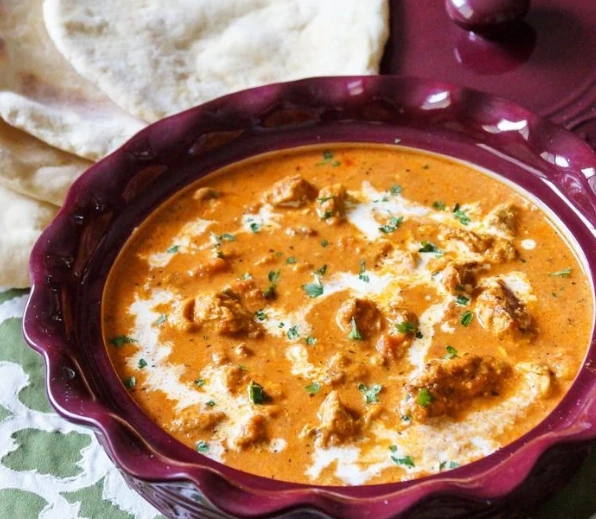
There are three core families of authentic Indian gravy recipes you should have in your arsenal. Each serves a different purpose.
| Gravy Type | Best For | Key Characteristic | Texture |
|---|---|---|---|
| Onion-Tomato Base | Butter Chicken, Rogan Josh, Most Meat Curries | Tangy, robust, versatile | Smooth, medium-bodied |
| Cashew & Cream Base | Mughlai Korma, Shahi Paneer, Royal Dishes | Rich, nutty, mildly sweet | Creamy, velvety |
| Spinach & Herb Base | Saag Paneer, Saag Chicken, Lamb Saag | Earthy, fresh, vibrant green | Coarse, rustic puree |
Recipe 1: The Universal Onion-Tomato Base Gravy
This is the workhorse. Get this right, and 70% of Indian restaurant curries are within your reach. The goal is a smooth, deeply red-brown paste with no raw taste.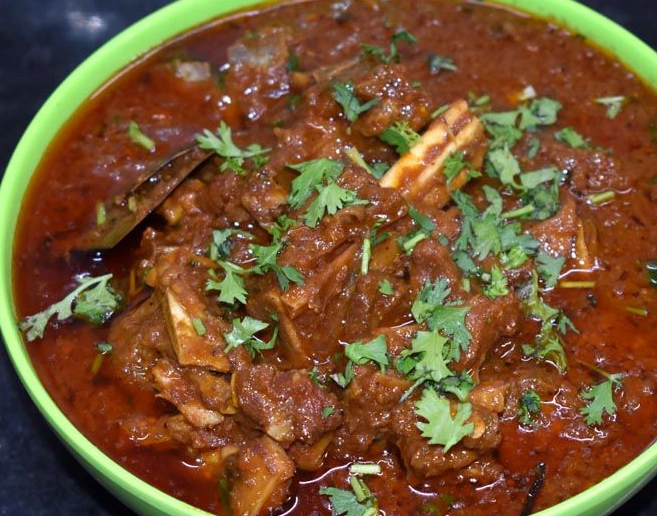
Pro Insight: The single biggest mistake is rushing the onions. They must be fried slowly until they are a deep golden-brown, almost caramelized. This "browning" (not just softening) is what builds the foundational sweetness and color. If your onions are pale, your gravy will be pale and taste one-dimensional.
How to Make the Perfect Onion-Tomato Base Gravy
You'll need: 3 large onions (thinly sliced), 4 ripe tomatoes (chopped), 6 garlic cloves, 1-inch ginger, 2 green chilies, 1 tsp cumin seeds, 2 tbsp oil/ghee, 1.5 tsp coriander powder, 1 tsp turmeric, 1 tsp red chili powder, salt.
- Slow-Cook the Onions: Heat oil/ghee. Add cumin seeds. Add the sliced onions and fry on medium-low heat for a good 20-25 minutes. Stir occasionally. They should turn a uniform golden-brown, not burnt. This patience is non-negotiable.
- Add the Aromatics: Add ginger, garlic, and green chili paste. Fry for 2 minutes until the raw smell disappears.
- Spice It Up: Add all the dry spices (coriander, turmeric, chili powder). Fry for 30 seconds. This "toasts" the spices in the oil.
- Tomato Time: Add the chopped tomatoes and salt. Cook on medium heat until the tomatoes completely break down and the oil starts to separate from the masala paste. This can take 10-15 minutes. You'll see little pools of oil around the edges.
- Blend and Finish: Let the mixture cool slightly, then blend into a smooth paste. This is your base gravy. To use it, reheat this paste in a pan, add a splash of water to adjust consistency, add your pre-cooked protein or veggies, simmer for 5-10 minutes, and finish with garam masala and fresh coriander.
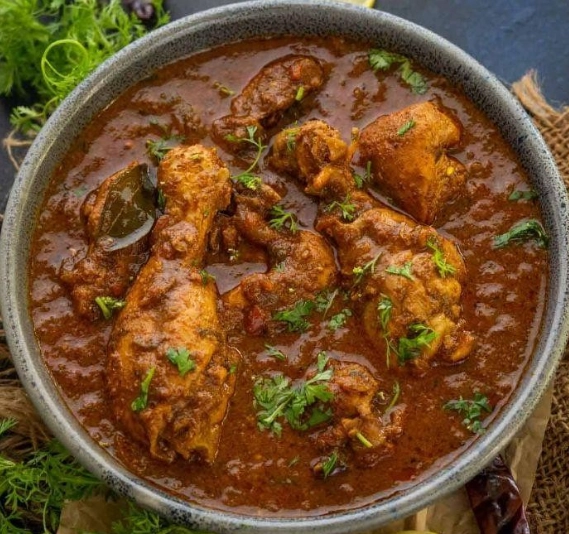
Recipe 2: The Luxurious Cashew & Cream Gravy
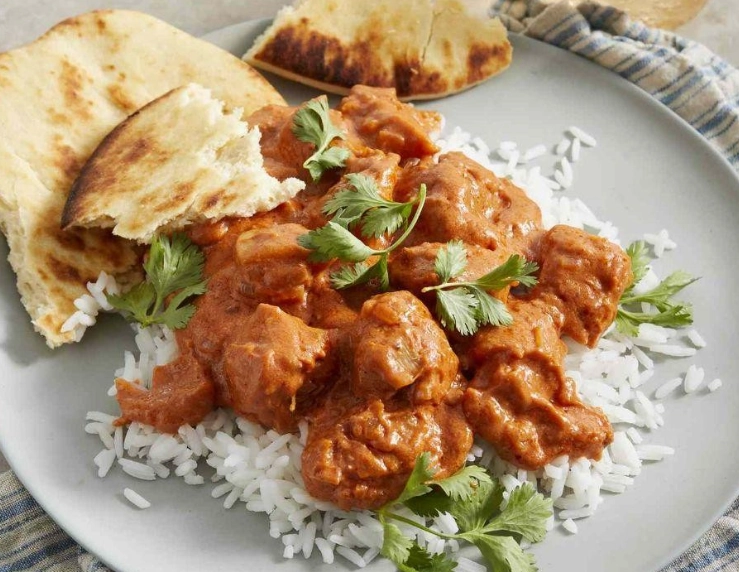
This is for special occasions. The cashews provide body and a subtle sweetness, while cream or yogurt adds richness. The trick is to avoid a grainy texture.
You'll need: 1/2 cup raw cashews (soaked 2+ hours), 1 medium onion, 2 tbsp melon seeds (magaz) – optional but authentic, 1-inch ginger, 4 garlic cloves, 1/2 cup yogurt (whisked) or 1/4 cup heavy cream, 4 green cardamoms, 2 cloves, 1-inch cinnamon stick, 1/2 tsp saffron strands (soaked in 1 tbsp warm milk).
Avoid This Error: Don't skip soaking the cashews. Blending dry or lightly soaked cashews will leave a gritty sediment in your gravy. A truly smooth, restaurant-style texture requires a long soak and a powerful blender.
- Create the Nut Paste: Drain the soaked cashews (and melon seeds). Blend with a little water into the smoothest paste possible. Set aside.
- Fry the Whole Spices: In ghee, fry the cardamom, cloves, and cinnamon for 30 seconds until fragrant.
- Cook the Onion: Add finely chopped onion and fry until soft and translucent. Add ginger-garlic paste, cook for a minute.
- Incorporate the Paste: Add the cashew paste. Cook on low heat, stirring constantly, for 5-7 minutes. It will thicken.
- Add Dairy & Simmer: Lower the heat. Slowly add the whisked yogurt, a spoonful at a time, stirring vigorously to prevent curdling. If using cream, you can add it all at once. Add saffron milk, salt, and about 1 cup of water. Simmer on low for 10 minutes. The gravy will thicken and become velvety. Finish with a pinch of sugar and garam masala.
Recipe 3: The Vibrant Spinach & Herb Gravy (Saag Style)
This gravy is about freshness and earthiness. The key is balancing the iron-rich taste of spinach with aromatic herbs and a touch of sourness.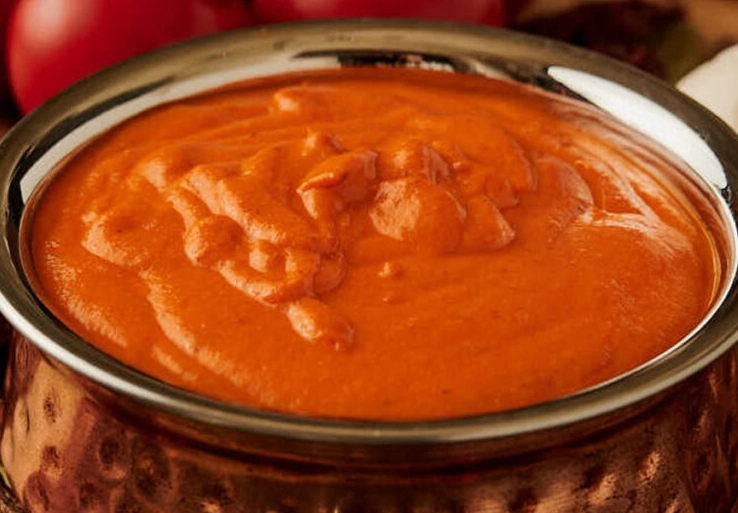
You'll need: 500g fresh spinach leaves (palak), 250g mustard greens (sarson) – if unavailable, use more spinach, 1 large onion, 2 tomatoes, 5 garlic cloves, 1-inch ginger, 2 green chilies, 1 tsp cumin seeds, 1/2 tsp asafoetida (hing), 2 tbsp cornmeal (makki ka atta) or 1 tbsp besan (gram flour).
Here's where most recipes get it wrong: they just boil and blend the greens. You lose flavor. The Punjabi dhaba method involves a final "tadka" of roasted flour and spices, which thickens the gravy and adds a nutty, toasted dimension.
- Blanch the Greens: Wash greens thoroughly. Boil a large pot of water, blanch spinach and mustard greens for 2 minutes. Drain and immediately plunge into ice water. This preserves the bright green color. Roughly chop.
- Make the Base: In a pan, sauté onions, ginger, garlic, and green chilies. Add tomatoes and spices (turmeric, coriander). Cook until mushy.
- Blend: Combine the cooked base with the blanched greens. Blend into a coarse puree. Don't make it super smooth; some texture is good.
- The Secret Step (Tadka Thickening): In a small skillet, heat 2 tbsp ghee. Add cumin and asafoetida. Then, add the cornmeal or besan. Roast on low heat, stirring constantly, until it smells nutty and turns a shade darker (about 3-4 minutes). Be careful not to burn it.
- Combine and Cook: Pour this hot, roasted flour mixture into the spinach puree. Stir well. Add water to reach your desired consistency (saag is typically thick). Simmer for 15-20 minutes. Finish with a dollop of butter or cream.
The 5 Most Common Gravy Mistakes (And How to Fix Them)
- Not Cooking the Masala Enough. You must see the oil separating from the paste. This "bhunna" step is where flavor develops. If you add water before this happens, your gravy will taste raw and bland.
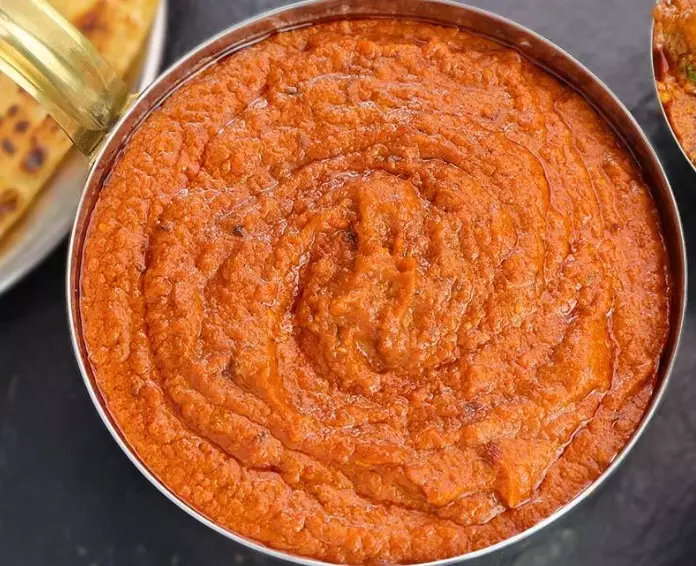
- Using Watery Tomatoes. Out-of-season, pale tomatoes lack flavor and add too much water. Use the ripest, reddest tomatoes you can find, or good-quality canned crushed tomatoes in a pinch.
- Adding Cold Dairy to a Hot Gravy. This is a surefire way to curdle yogurt or cream. Always take the pan off direct heat, or temper the yogurt with a little hot gravy before stirring it in.
- Over-blending Nut-Based Gravies. Blending cashew paste for too long can heat it up and make it release oils, leading to a greasy texture. Blend until just smooth, then stop.
- Skipping the Final Tempering (Tadka). A hot oil tempering with whole spices like cumin, mustard seeds, or dried red chilies poured over the finished dish adds an incredible burst of aroma and flavor. It's the final layer.
Discussion