Quick Guide
Let's talk about dahl. You know, that incredible, comforting, hug-in-a-bowl lentil stew that's the heart of Indian cooking. If you've ever searched for the best Indian dahl recipe online, you've probably seen a million versions. Some are way too complicated. Others are just... bland. It's frustrating.
I get it. I've been there. My first attempt years ago was a watery, spiceless mess. I almost gave up. But after countless pots, tweaks, and conversations with home cooks (shoutout to my friend Priya's mom for the game-changing tip about frying the spices), I finally cracked the code. This isn't just a recipe. It's the blueprint for the most flavorful, creamy, and authentic dahl you can make outside of an Indian kitchen. It's become my ultimate comfort food, and I'm pretty sure it'll become yours too.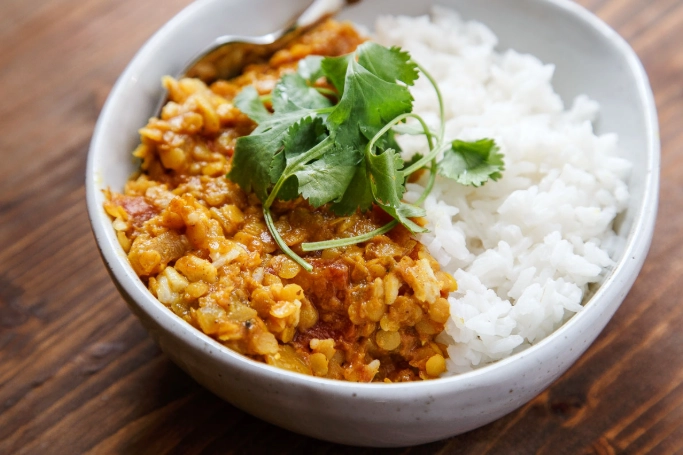
So, what makes this the best Indian dahl recipe? It balances simplicity with deep flavor. It uses techniques that matter (like the *tadka*) and skips the unnecessary fuss. It's forgiving. And most importantly, it tastes like the real deal.
What Is Dahl, Really?
Before we dive into the pot, let's clear something up. "Dahl" (or dal, daal) can mean three things: the dried split lentils themselves, the cooked dish made from them, and in a broader sense, a category of comforting lentil-based stews. When we talk about the best Indian dahl recipe, we're usually talking about a thick, spiced porridge made from yellow or red lentils (like masoor or moong dal). It's everyday food, a staple protein source, and a culinary masterpiece all at once.
Its beauty lies in its versatility and nutrition. It's naturally gluten-free, packed with plant-based protein and fiber, and incredibly cheap to make. No wonder it's survived for thousands of years.
The Core Recipe: Your Go-To Best Indian Dahl
This is my workhorse recipe. It's the one I make on a tired Tuesday and feel proud of. The ingredients are accessible, and the process is straightforward once you understand the why behind each step.
What You'll Need (The Shopping List)
The Lentils: 1 cup of red lentils (masoor dal). They cook quickly and break down into a lovely creamy texture. You can find them in most supermarkets now, or any Indian grocery store. Yellow split peas (toor dal) are a classic alternative but take longer to cook.
The Aromatics & Base:
- 1 large onion, finely chopped
- 3-4 cloves of garlic, minced (more if you love it)
- 1-inch piece of ginger, grated or finely minced
- 1-2 green chilies, slit lengthwise (adjust to your heat preference)
- 1 large tomato, chopped (canned is fine in a pinch, but fresh is brighter)
The Spice Cabinet Raid: This is where the soul lives.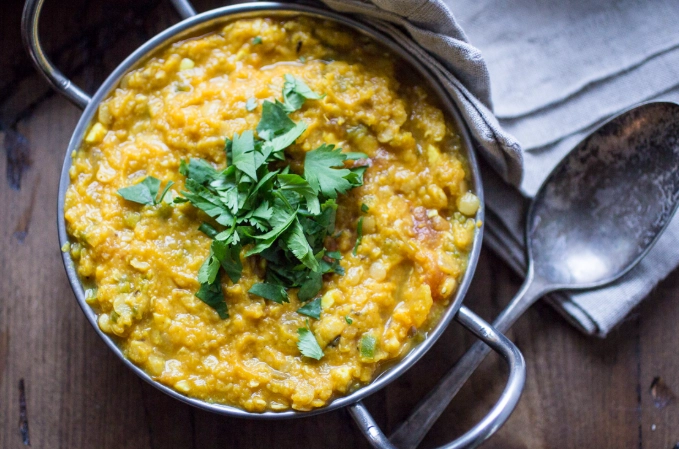
| Spice | Amount | Its Job in the Pot |
|---|---|---|
| Turmeric powder | 1 tsp | Gives that iconic golden color and earthy warmth. |
| Cumin seeds | 1 tsp | A nutty, toasty base note. Essential. |
| Mustard seeds | 1/2 tsp | Pops and adds a sharp, pungent kick. |
| Coriander powder | 1.5 tsp | Citrusy, floral backbone. Don't skip. |
| Garam masala | 1 tsp | The finishing blend. Adds warmth and complexity. |
| Asafoetida (hing) | A pinch | Secret weapon! Adds a savory, umami depth. Find it at Indian stores. |
The Other Stuff: 3-4 cups of water or vegetable broth, salt to taste, a big handful of fresh cilantro, juice of half a lemon, and 2-3 tbsp of oil or ghee (ghee is traditional and tastes amazing).
The Step-by-Step: It's All About Layers
Step 1: Cook the Lentils. Rinse your red lentils in cold water until the water runs mostly clear. This removes surface starch and prevents foam. Put them in a pot with 3 cups of water, the turmeric, and a pinch of salt. Bring to a boil, then reduce to a simmer. Skim off any foam that rises. Cook uncovered for 20-25 minutes, stirring occasionally, until they're completely soft and mushy. You can mash them a bit with the back of a spoon for a creamier texture. If it gets too thick, add a splash of hot water.
Step 2: Build the Flavor Base (The *Bhuna*). While the lentils cook, heat oil or ghee in a separate pan (a small frying pan works great). Add the cumin and mustard seeds. Let them sizzle and pop for about 30 seconds. Then add the chopped onion. Cook on medium heat, stirring often, until they're soft and golden brown. This is crucial. Don't rush the onions. That caramelization is flavor gold.
Add the ginger, garlic, and green chilies. Cook for another minute until the raw smell disappears. Now add the coriander powder and stir for 30 seconds to "bloom" the spice in the oil. Toss in the chopped tomatoes and cook until they break down and the oil starts to separate from the mixture. This whole process of frying the spices and cooking down the tomatoes is called *bhuna*, and it's the difference between flat and fantastic flavor.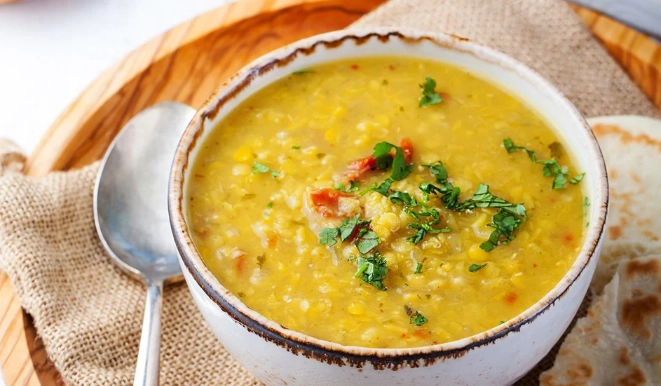
Step 3: The Grand Union. Scrape the entire contents of your flavor pan into the pot of cooked lentils. Stir everything together. Add salt to taste (start with 1 tsp and go from there). Let it simmer together for another 5-10 minutes so the flavors marry. The consistency should be thick but pourable—like a hearty soup. Adjust with hot water if needed.
Step 4: The Finishing Touch (*Tadka*). This is the crowning glory. Heat another tablespoon of ghee or oil in your small pan. Add a pinch of asafoetida if using. Let it sizzle for a second, then quickly add the garam masala. Swirl it for just 5 seconds—don't let it burn! Immediately pour this sizzling, fragrant oil over the top of your dahl pot. It'll sizzle dramatically. Stir it in.
Finish by stirring in most of the chopped cilantro and the lemon juice. The lemon juice is not just for tang; it brightens every other flavor.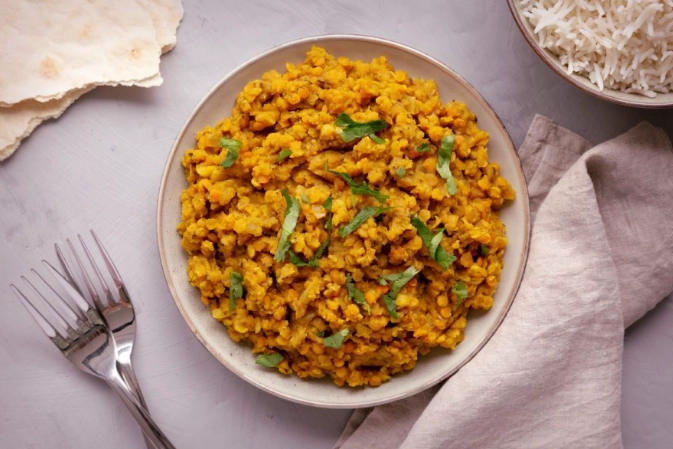
Why This Method Works: The Science of Flavor
This best Indian dahl recipe works because it respects the chemistry of cooking. Fat (ghee/oil) is a flavor carrier. By frying the cumin, mustard, and other spices, you're dissolving their flavor compounds into the fat, which then gets evenly distributed throughout the dish. The slow cooking of onions develops sugars (the Maillard reaction), adding sweetness to balance the spices. Cooking the tomatoes down concentrates their umami and acidity. Each step builds a layer.
And the final *tadka*? It's a technique called "tempering" or *chaunk*. Adding a burst of heat-activated spices and fat at the end gives a powerful top note of aroma that hits your nose first when you take a bite. It's genius, really.
Leveling Up: Variations & Pro Tips
Once you've mastered the basic blueprint, the world is your oyster (or, well, your lentil). Here are some ways to play.
Regional Twists on the Best Indian Dahl Recipe
- Punjabi-Style: Add a big spoonful of dried fenugreek leaves (kasuri methi) crushed between your palms at the end. It adds a unique, slightly bitter, maple-like aroma.
- South Indian-Style: Use toor dal (pigeon peas). In the final *tadka*, use coconut oil and add curry leaves and a dried red chili along with the mustard seeds. Stir in a tablespoon of grated coconut at the end.
- Spinach & Tomato Dahl: Stir in a couple of handfuls of fresh spinach or chopped kale during the last 5 minutes of cooking. It wilts right in.
My Favorite Kitchen Hacks for Busy Days
No time to chop? Use a food processor for the onion, ginger, and garlic. It takes 30 seconds. Out of fresh tomatoes? A quarter cup of canned tomato puree works. For an even quicker version, you can cook the lentils in a pressure cooker or Instant Pot for about 8 minutes on high pressure. But still, do the flavor base and *tadka* in a separate pan. That step is sacred.
What to Serve With Your Dahl
Dahl is a team player. It's rarely eaten alone.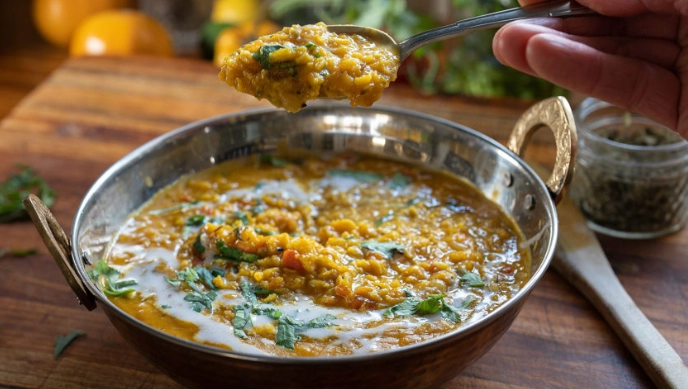
- The Classic: Steamed basmati rice or jeera rice. The ultimate comfort combo.
- The Best Vehicle: Warm, fluffy naan, roti, or chapati for scooping.
- For a Complete Meal: Pair it with a simple vegetable sabzi (like sautéed cabbage or okra) and a cooling raita (yogurt sauce with cucumber and mint).
- My Weeknight Shortcut: I often just have it with a piece of crusty bread or even over a baked potato. It's that versatile.
Your Dahl Questions, Answered
Going Beyond the Recipe: Resources & Inspiration
If you want to dive deeper into the world of Indian lentils and spices (and I hope you do), there are some fantastic resources out there. For an authoritative look at the diversity of Indian pulses and their culinary uses, the India Study Channel has some well-researched articles, though nothing beats talking to a home cook. For reliable, tested recipes that explain techniques well, sites like BBC Good Food often have excellent guides to Indian cooking basics that align with a home kitchen approach.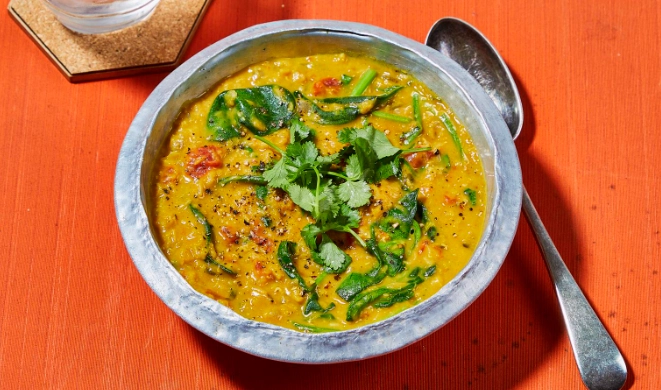
Want to understand the geography of flavor? Reading about the spice trade routes on educational or cultural history sites can give you a real appreciation for why these particular spices ended up together. It's a fascinating story.
Discussion