Let's be honest. You've probably tried making dal at home. It was fine, maybe even good. But it didn't have that magical, creamy, deeply flavorful punch you get from a great Indian restaurant. The kind that makes you want to sop up every last bit with a piece of naan. That gap between "home good" and "restaurant great" is what we're closing today. The best Indian dal recipe isn't about one secret ingredient; it's a series of small, intentional steps that most recipes gloss over. I learned this the hard way, after years of my dal being either too watery or tasting flat, until a chef friend in Delhi pointed out the two things I was doing wrong that nobody talks about.
What's Inside This Guide
Understanding Dal: More Than Just Lentils
First, "dal" refers to both the dried split pulses (lentils, peas, beans) and the finished stew. For the best Indian dal recipe, the choice of dal matters. You can't just grab any bag from the shelf and expect the same result.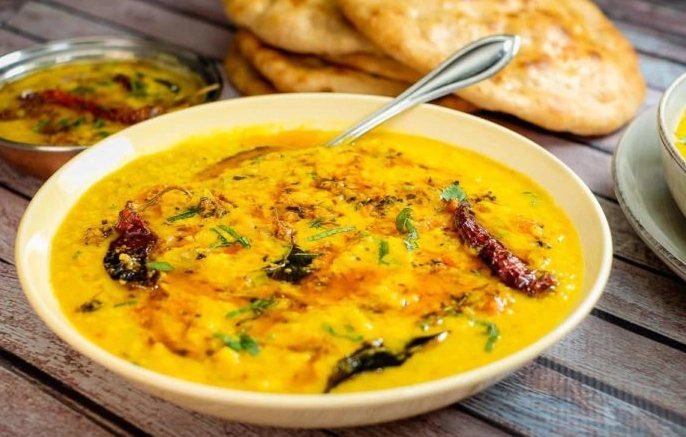
The Dal Trinity for a Perfect Base:
Toor Dal (Split Pigeon Peas): The king for a reason. It breaks down beautifully, creating a naturally creamy, slightly sweet base. This is what most North Indian restaurants use for their classic yellow dal. If you only buy one type, make it this.
Masoor Dal (Red Lentils): Cooks fastest and offers a earthier flavor. Great for weeknights. It can turn mushy if overcooked, so timing is key.
Moong Dal (Split Mung Beans): Lighter, easier to digest, with a delicate flavor. Often used in therapeutic cooking.
My go-to for that rich, restaurant-style texture? A 3:1 blend of Toor Dal and Chana Dal (split chickpeas). The chana dal holds its shape slightly, giving the final dish a more interesting mouthfeel than pure toor dal mush. Try it once and you'll see the difference.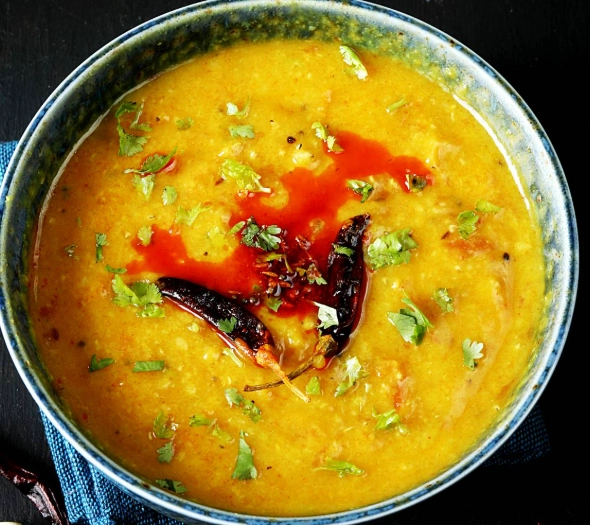
The Secret Weapon: The 'Tadka' (Tempering)
This is the non-negotiable heart of flavor. Tadka is the technique of frying whole spices in hot oil or ghee to release their essential oils, then pouring this sizzling mixture into the cooked dal. Most home cooks under-toast their spices or add them at the wrong time.
Here's the subtle error: adding cumin seeds to oil that's not hot enough. If the oil is merely warm, the seeds will soak it up and become soggy, never achieving that perfect nutty pop. Wait until the oil shimmers and a single seed dropped in sizzles aggressively. That's your cue.
The Layered Tadka Method for Maximum Flavor
Don't dump all your spices in at once. Think of it in layers:
For the Ultimate Tadka:
Fat: Use ghee. Butter works, but ghee has a higher smoke point and a richer, nuttier aroma that defines restaurant dal. About 3 tablespoons.
First Layer (Aroma Base): 1 tsp cumin seeds, 1 tsp black mustard seeds. Let them crackle in the hot ghee.
Second Layer (Pungent Kick): 2-3 dried red chilies, a pinch of asafoetida (hing). The hing is a game-changer for digestibility and depth—don't skip it.
Third Layer (Aromatic Bloom): 1 tbsp finely minced garlic, 1 tbsp grated ginger. Fry until golden, not brown.
Final Layer (Fresh & Color): 1 finely chopped tomato, 1 slit green chili. Cook until the tomato softens and the oil starts to separate.
Pouring this complex, sizzling tadka over your simmering dal is the moment it transforms from simple lentil soup into something spectacular.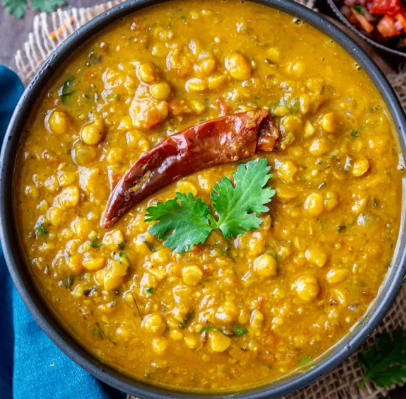
Step-by-Step: Crafting the Best Restaurant-Style Dal
Let's put it all together. This is my fail-proof method, refined over a decade.
Ingredients You'll Need:
- 1 cup toor dal (rinsed until water runs clear)
- ¼ cup chana dal (optional, but recommended)
- 1 tsp turmeric powder
- 4 cups water
- Salt to taste
- Tadka ingredients (listed above)
- 1 tbsp kasuri methi (dried fenugreek leaves), crushed
- Juice of half a lemon
- Fresh cilantro, chopped
The Process:
1. Cook the Dal: In a pressure cooker or pot, combine rinsed dals, turmeric, and water. Pressure cook for 4-5 whistles or simmer in a pot for 45-60 mins until completely soft. Mash some of it against the pot wall with the back of a spoon. This is crucial for creaminess. Add hot water if it's too thick—aim for a flowing, soup-like consistency before the tadka.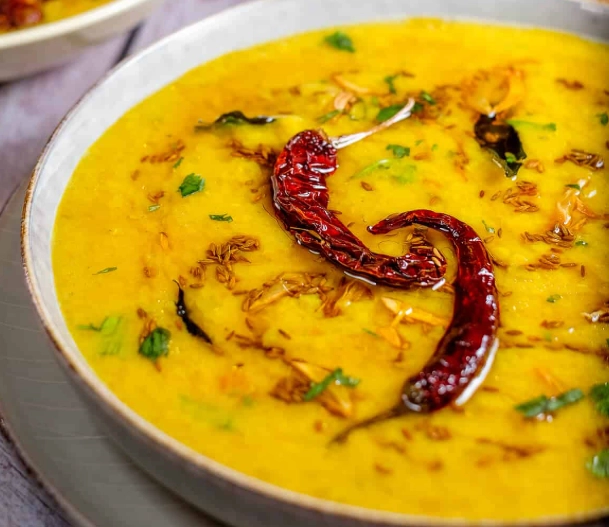
2. Season the Dal: Add salt to the cooked dal and let it simmer gently.
3. Make the Tadka: In a separate small pan, heat the ghee. Follow the layered tadka method described above.
4. The Grand Union: This is key. Pour the entire contents of the tadka pan—spices, oil, and all—into the pot of simmering dal. It will sizzle gloriously. Stir well.
5. Final Flourishes: Turn off the heat. Stir in the crushed kasuri methi (it turns bitter if cooked too long), lemon juice, and fresh cilantro. Cover and let it sit for 5 minutes. This resting time allows the flavors to marry.
Serve hot with steamed rice or naan. Taste it. That's the restaurant magic, in your kitchen.
Why Your Dal Fails: Common Mistakes & Fixes
I've made these errors so you don't have to.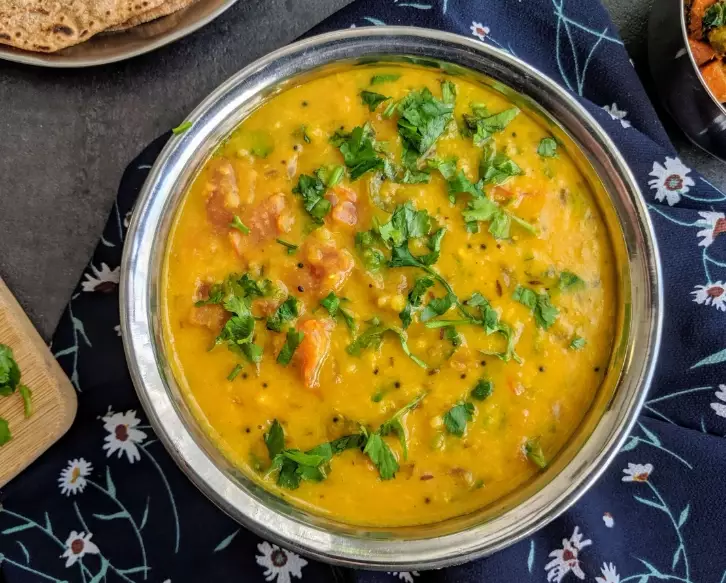
Mistake 1: Underseasoning the Dal Base. You add salt only at the end. Instead, salt the cooked lentils before adding the tadka. This allows the salt to penetrate the dal particles, seasoning it from within, not just the surrounding liquid.
Mistake 2: Fear of Fat. Using a miserly teaspoon of oil for the tadka. The fat is a carrier for fat-soluble flavors. Skimp here, and your spices won't toast properly, and their flavor won't distribute through the dal. Use a generous amount of ghee or oil.
Mistake 3: No Acid at the End. That final squeeze of lemon or lime isn't just garnish. The bright acidity cuts through the richness and makes all the other flavors pop. It's the difference between a flat-tasting dal and a vibrant one.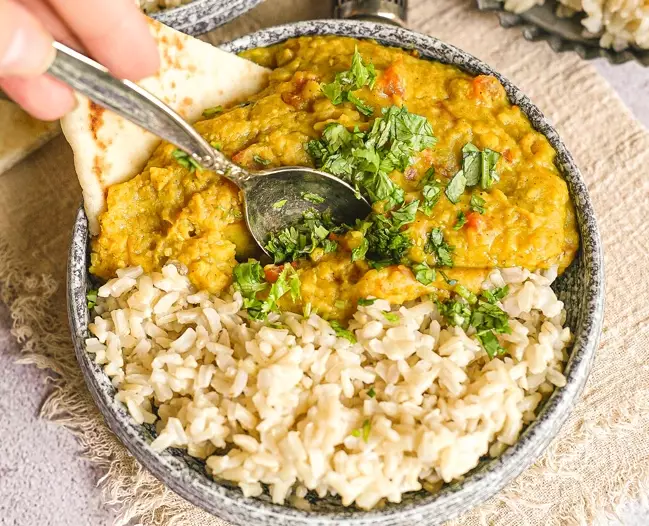
Your Dal Questions, Answered by a Cook
You're likely not mashing it. Cooking makes it soft, but creaminess comes from breaking down some of the cooked dal. Use a potato masher, a whisk, or simply press it against the pot with a spoon. Also, restaurants often use a hand blender for a few seconds. A quick blend of half the dal before adding the tadka creates that luxurious, uniform texture.
Absolutely. Use a heavy-bottomed pot, cover it, and simmer on low heat. It will take longer—closer to an hour for toor dal. The trick is to check the water level occasionally and add boiling water (never cold) to prevent the temperature from dropping. Soaking the dal for 30 minutes beforehand cuts the cooking time significantly.
Control your heat and prepare your ingredients before you start. Have everything chopped and measured next to the stove (this is called 'mise en place'). Use medium heat, not high. Add cumin and mustard seeds to the hot ghee, but as soon as they crackle (within 15-20 seconds), immediately add the next ingredients like dried chilies and garlic. The moisture from these will lower the pan's temperature and prevent burning. It's a fast, attentive process.
Use red lentils (masoor dal). They cook in 20-25 minutes without soaking. You can also cook a large batch of plain toor dal (just lentils, turmeric, water) in a pressure cooker on the weekend and freeze it in portions. On a busy night, thaw a portion, simmer it, and make a fresh tadka. The quality will still be fantastic because the tadka is always made fresh.
Asafoetida (hing). It's a resin sold as a powder in little jars at Indian stores. It has a strong, sulfurous smell raw, but when fried in oil, it transforms into a savory, umami flavor reminiscent of leeks or garlic. It's a classic digestive aid in Indian cooking and adds a foundational depth that's hard to replicate. Just a pinch in the tadka makes a noticeable difference.
Mastering the best Indian dal recipe is a journey, not a single recipe. It's about understanding the why behind each step. Start with this guide, pay attention to the texture and the tempering, and don't be afraid to adjust salt and lemon to your taste. Once you get it right, this humble bowl of comfort food might just become your most requested dish. Happy cooking!
Discussion