Jump to What Matters
- What Exactly Is a Traditional Indian Curry? (And What It's Not)
- The Heart of the Matter: The Essential Spice Pantry
- A Step-by-Step Roadmap: Building Your First Authentic Curry
- Answering Your Curry Questions (The Stuff You Actually Google)
- Bringing It All Together: A Simple Recipe to Start With
- The Final Simmer: Thoughts on Tradition and Taste
Okay, let's talk about curry. I mean, real curry. Not the generic yellow powder from the supermarket shelf that tastes vaguely of dust and turmeric. I'm talking about the kind that fills an entire house with an aroma so complex and inviting, you can almost taste it before the first spoonful. That's the magic of a traditional Indian curry. It's not a single dish, you see. It's a universe of flavors, techniques, and stories simmered in a pot. For years, I thought I knew what curry was—until I spent an afternoon in a friend's grandmother's kitchen in Delhi. The layers of flavor, the careful toasting of whole spices, the patience required... it was a revelation. It completely changed how I cook and think about food.
So, what exactly makes a curry "traditional"? Is it just about being old? Not really. It's about method, ingredients, and intent. A traditional Indian curry is built from the ground up, often starting with whole spices toasted to wake up their oils. It's a process, not a quick dump-and-stir. The result is something deeply aromatic, where every component sings in harmony rather than shouting over each other. This guide is my attempt to unpack that universe for you, to move beyond the clichés and into the heart of what makes these dishes so enduringly special.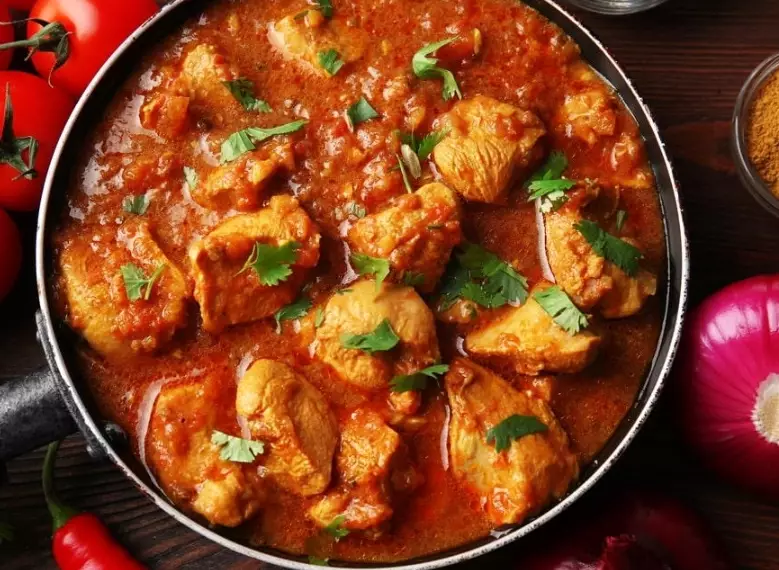
Here’s the thing most people get wrong: They think "curry" is a specific recipe. In India, the word is more of a Western umbrella term. Dishes have their own names—rogan josh, butter chicken, chana masala. When we say "traditional Indian curry," we're really talking about that whole family of spiced, saucy dishes rooted in subcontinental cooking traditions.
What Exactly Is a Traditional Indian Curry? (And What It's Not)
Let's clear the air first. Walking into this, I had my own misconceptions. I used to think a traditional Indian curry was always blisteringly hot. Boy, was I wrong. Heat is just one note in a much larger symphony. The foundation is built on three key pillars: the gravy or sauce (which can be tomato-onion based, yogurt-based, coconut-based, or even just spiced water), the main protein or vegetable, and most importantly, the masala—the blend of spices.
How does it differ from, say, a Thai green curry or a Japanese curry? The distinction is in the spice profile and technique. Thai curries often rely on fresh herbs like lemongrass and galangal and use coconut milk as a primary liquid. Japanese curry is typically made from a pre-made roux block. A traditional Indian curry, however, is almost always built on a base of onions, ginger, and garlic, with dried spices toasted and ground (either wholly or partially) for maximum flavor release. The texture is also different—Indian curries can range from completely smooth to rustically coarse, but they rarely have the chunkiness of a Southeast Asian curry or the thick, gravy-like consistency of the Japanese version.
And the color? Forget just "yellow." A proper traditional Indian curry can be a vibrant red from Kashmiri chilies, a rich brown from browned onions and spices, a creamy orange from tomatoes and cream, or a bright green from herbs.
You know what I find frustrating? Some of those "authentic" curry pastes sold in jars. They're often so one-dimensional, missing the brightness you get from freshly ground spices. Making your own base is a game-changer, and it's not as hard as you might think.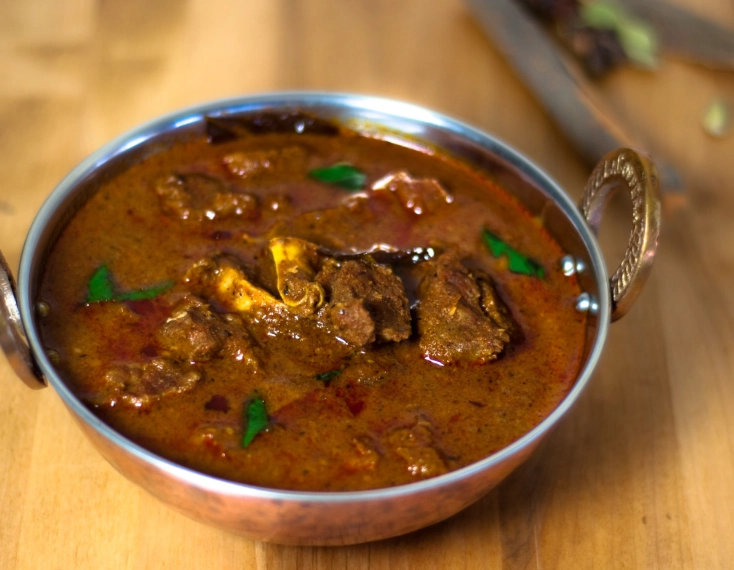
The Heart of the Matter: The Essential Spice Pantry
You can't talk about traditional Indian curry without geeking out over spices. This is where the soul resides. It's not about having fifty different jars. It's about having the right eight or ten and knowing how to use them. Think of them as your flavor toolkit.
A chef once told me, "Spices are like musical notes. Alone, they're interesting. Together, in the right order, they create a symphony." That stuck with me. You don't just throw them all in at once.
Here’s my breakdown of the non-negotiables, the ones you'll find in probably 80% of traditional Indian curry recipes:
- Cumin Seeds (Jeera): Earthy, nutty, warm. Often the first spice to hit the hot oil, where they sizzle and pop, scenting the entire oil base.
- Coriander Seeds (Dhania): Citrusy, sweet, and floral. Almost always used ground. It's the backbone spice, providing a rounded, balancing flavor.
- Turmeric (Haldi): The golden child. It gives that iconic yellow hue and has an earthy, slightly bitter, peppery flavor. A health powerhouse, but use it sparingly or it can overpower.
- Garam Masala: This is the grand finale. It's a blend of warming spices like cardamom, cinnamon, cloves, and nutmeg, usually added at the end of cooking to preserve its complex, aromatic top notes. Store-bought is fine to start, but homemade? Let me tell you, it's a game-changer.
Then you have the supporting cast, the variable stars that define specific dishes:
- Mustard Seeds: Tiny, black, and potent. Used heavily in South Indian curries. They crackle explosively in hot oil.
- Fenugreek Seeds (Methi): Bitter, maple-syrup-like. Used in small quantities. Fenugreek leaves (kasuri methi), dried and crumbled, are a secret weapon for that "restaurant-style" flavor in dishes like butter chicken.
- Cardamom (Elaichi): Green for a fresh, eucalyptus-like punch; black for a smoky, camphorous depth. Often used whole and fished out before eating.
- Dried Red Chilies: Whole chilies like Kashmiri provide deep red color and mild heat. Others, like bird's eye, bring the fire. It's all about control.
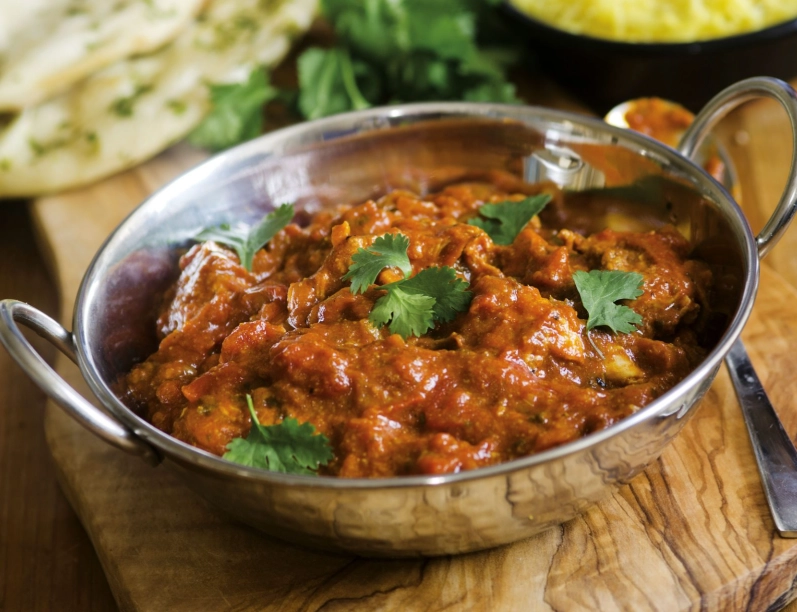
Pro Tip from My Kitchen Fails: Buy whole spices and a cheap coffee grinder (dedicated just to spices). Pre-ground spices lose their volatile oils incredibly fast. Grinding whole cumin, coriander, and even black pepper just before using makes a difference you can literally smell. I learned this the hard way after wondering why my curries always tasted flat.
And then there's the "wet" masala, the aromatic paste. This is the flavor foundation. The holy trinity here is onions, garlic, and ginger. But the quality matters. Fry the onions slowly, patiently, until they're deeply caramelized and sweet, not just translucent. That golden-brown paste is the base of a million incredible traditional Indian curry dishes. Some regions add tomatoes for acidity, others use coconut, yogurt, or even poppy seeds.
A Step-by-Step Roadmap: Building Your First Authentic Curry
Enough theory. Let's get cooking. I remember the first time I tried to follow a traditional Indian curry recipe. It felt like there were a hundred steps. It was overwhelming. But once you understand the typical workflow, it becomes a relaxing, almost meditative process. Here's a simplified blueprint.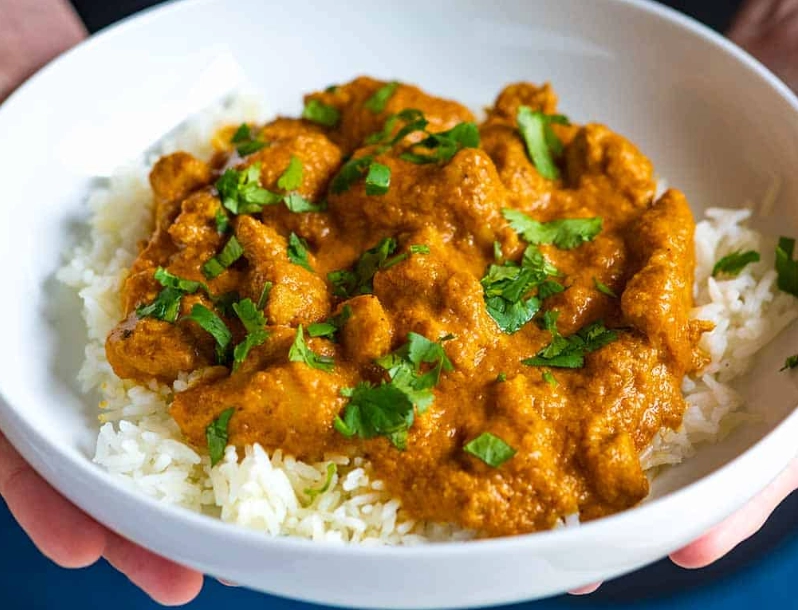
The Standard Workflow
- Tempering (Tadka): Heat oil or ghee. Add whole spices (cumin, mustard seeds, etc.). Wait for them to sizzle and become fragrant—this infuses the oil. This step is crucial and often done at the beginning, though sometimes a second tadka is added at the end for a fresh aroma.
- The Aromatic Base: Add your finely chopped or pureed onions. Cook low and slow until deeply golden. This can take 15-20 minutes. Don't rush it! Then add ginger-garlic paste and cook until the raw smell disappears.
- Spice Layering: Add your ground spices (turmeric, coriander, red chili powder). Fry them in the oil-onion mixture for just 30-60 seconds. This "blooms" the spices, cooking out their raw edge and unlocking their full flavor. If you add them later with liquid, they can taste gritty and undercooked.
- Main Ingredients: Add your protein (chicken, lamb, paneer) or vegetables. Coat them in the masala and sear a little.
- The Simmer: Add liquid—water, stock, tomatoes, yogurt, or coconut milk. Bring to a boil, then reduce to the gentlest simmer. Cover and let it cook. This is where the magic happens, where flavors marry and meat tenderizes. A good traditional Indian curry is rarely rushed.
- Finishing Touches: Stir in garam masala, fresh cilantro (coriander leaves), or a splash of cream. Adjust salt and acid (a squeeze of lemon can work wonders).
Common Pitfall: Adding yogurt or cream directly to a boiling curry can cause it to split. To prevent this, take a ladleful of the hot curry, mix it with the yogurt/cream in a separate bowl to temper it, then stir this mixture back into the pot.
Regional Variations: A Flavor Map of India
This is where it gets really exciting. Saying "Indian curry" is like saying "European bread." The style changes dramatically every few hundred miles. Understanding these differences helps you appreciate the diversity and find what you might love.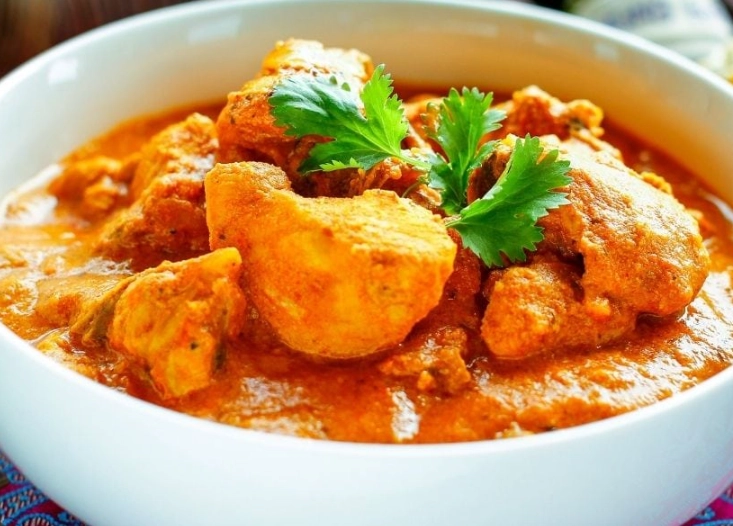
| Region | Signature Characteristics | Example Dishes | Key Spices/Ingredients |
|---|---|---|---|
| North India (Punjab, Kashmir) | Rich, creamy, tomato-onion based gravies. Often uses dairy (yogurt, cream, ghee). Tandoor-cooked meats are common. Milder heat. | Butter Chicken, Rogan Josh, Chana Masala | Garam masala, dried red chilies (Kashmiri for color), fenugreek leaves, cream, almonds. |
| South India (Kerala, Tamil Nadu) | Lighter, often coconut-based, with a sharper tang. More use of rice and lentils. Frequent tempering (tadka) with mustard seeds and curry leaves. | Fish Molee, Chettinad Chicken, Sambar | Fresh coconut, black mustard seeds, curry leaves, tamarind, black pepper. |
| West India (Gujarat, Maharashtra) | Can range from sweet and tangy (Gujarati) to seafood-heavy and coconut-laced (Goan, Konkan). Goan cuisine shows strong Portuguese influence. | Goan Fish Curry, Gujarati Dal, Vindaloo | Kokum, jaggery, coconut vinegar, coconut, seafood. |
| East India (Bengal, Odisha) | Mustard oil and paste are hallmarks. Lighter gravies, emphasis on fish and vegetables. Subtle, nuanced spicing. | Machher Jhol (Fish Curry), Shorshe Ilish (Hilsa in mustard sauce) | Mustard (oil and paste), poppy seed paste, panch phoron (5-spice blend), green chilies. |
See what I mean? A Goan fish curry, swimming in a tangy, fiery coconut broth, tastes like it's from a different planet than a slow-cooked, nutty, and aromatic Kashmiri rogan josh. Yet, they're both quintessential examples of a traditional Indian curry. If you want to dive deeper into the culinary history of these regions, the Incredible India tourism website has some great cultural context, and resources like Serious Eats often have excellent, well-tested recipes that explain the "why" behind the steps.
Answering Your Curry Questions (The Stuff You Actually Google)
I get it. When you're in the kitchen, staring at a pot, specific questions pop up. Here are answers to the ones I searched for constantly when I started.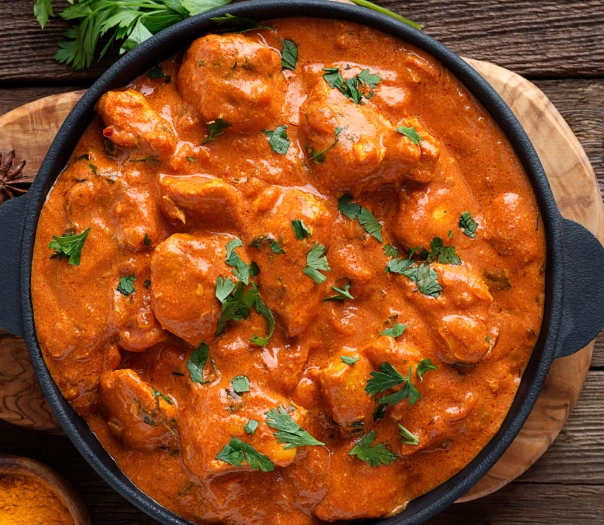
My Experience: I once completely forgot to bloom my ground spices, just dumped them in with the water. The curry tasted... dusty. Like literal dust. It was a sad dinner. Lesson painfully learned.
How do I make my curry gravy rich and creamy without dairy?
This is a great one. Not everyone wants or can have cream. The secret is in the onions and nuts. Cashew paste is the classic restaurant trick—soak a handful of raw cashews, blend them into a smooth paste, and add it during the simmer. It adds incredible body and a subtle sweetness. Other options: a paste of soaked melon seeds (magaz), white poppy seeds (khus khus), or even a tablespoon of chickpea flour (besan) cooked out in the oil after the onions. For a lighter creaminess, simply blending a portion of the cooked onion-tomato gravy and adding it back works wonders.
Why does my homemade curry taste bitter?
Bitterness usually comes from one of three culprits. First, burned garlic or onions. If your base is scorched, that flavor permeates everything. Low and slow is the rule. Second, over-toasted spices. When blooming ground spices, 30-60 seconds is plenty. If you see them darkening significantly or sticking to the pan, they're burning. Third, too much turmeric. Turmeric has a bitter edge. Stick to about 1/2 to 1 teaspoon for a pot serving four.
Can I make a good traditional Indian curry without a ton of oil?
You can, but you need to be strategic. Oil is a heat conductor and carries flavor. In a traditional Indian curry, it's essential for properly frying the onions to sweetness and blooming the spices. Trying to dry-fry them often leads to burning. My compromise? I use a good non-stick pot and measure my oil—2-3 tablespoons for a large pot is usually sufficient. Don't try to reduce it to one teaspoon; you'll sacrifice flavor and texture. The fat is part of the dish's character.
What's the difference between curry powder and garam masala?
This is a fundamental mix-up.
Curry powder is a British invention, a pre-mixed blend meant to approximate Indian flavors. It's a single flavor note, often containing turmeric, coriander, cumin, fenugreek, and chili. It's added at the beginning or middle of cooking.
Garam masala is a specific, traditional North Indian blend of warming spices ("garam" means hot, as in warming, not spicy). It contains things like cardamom, cinnamon, cloves, nutmeg, mace, and black pepper. It's usually added at the very end of cooking or even sprinkled on top as a garnish to preserve its delicate, aromatic fragrance. Using one for the other will give you a very different result.
Bringing It All Together: A Simple Recipe to Start With
Let's apply everything. Here's a forgiving, foundational recipe for a basic Chicken Curry. It's not tied to one specific region but uses the universal principles of a good traditional Indian curry.
Ingredients:
- 1.5 lbs chicken thighs, bone-in
- 2 large onions, finely chopped
- 2 tbsp ginger-garlic paste
- 2 large tomatoes, pureed
- 1 tsp cumin seeds
- 1 tbsp coriander powder
- 1/2 tsp turmeric powder
- 1 tsp red chili powder (adjust to taste)
- 1.5 tsp garam masala
- Salt, oil, fresh cilantro
Method in a Nutshell: Heat oil, crackle cumin seeds. Fry onions to golden brown. Add ginger-garlic paste, cook for a minute. Add coriander, turmeric, and chili powder; bloom for 30 seconds. Add chicken, coat, and sear. Pour in tomato puree, salt, and a cup of water. Simmer covered for 30-40 mins until chicken is tender. Stir in garam masala and fresh cilantro. Done.
See the workflow? Tempering, base, spice bloom, main ingredient, simmer, finish. Master this flow, and you can make a thousand different curries.
The Final Simmer: Thoughts on Tradition and Taste
At the end of the day, cooking a traditional Indian curry is about more than following a recipe. It's about engaging with a process. It's about the smell of cumin hitting hot oil, the patience of caramelizing onions, the anticipation of that first taste after a long simmer.
Is it always perfect? No. I've had my share of watery curries, bland curries, and yes, that one bitter disaster. But each mistake taught me something about how those ingredients work together. That's the real tradition—not a rigid set of rules, but a framework for understanding flavor. It's a living cuisine.
So, don't be intimidated by the long list of spices or the multiple steps. Start simple. Get your onions right. Bloom your spices. Be patient. The beauty of a traditional Indian curry is that it's incredibly forgiving and deeply rewarding. Once you get the feel for it, it stops being a "foreign" dish and starts being a comforting, delicious part of your own cooking repertoire. And honestly, isn't that the best kind of food?
Discussion