I used to think South Indian food was just about dosas and idlis for breakfast. Then I spent a summer in Chennai, and lunch changed everything. The spread—steaming rice, tangy sambar, crunchy papad—it was a revelation. Now, back home, I’ve learned to recreate those lunches without spending hours in the kitchen. If you’re tired of boring sandwiches or leftover pasta, South Indian lunch ideas can be a game-changer. They’re balanced, packed with flavor, and often vegetarian-friendly. Let’s dive in.
What You’ll Find in This Guide
Why South Indian Lunch is a Smart Choice
South Indian cuisine isn’t just delicious—it’s built for nutrition. A typical lunch plate includes carbs (rice), protein (lentils in sambar), veggies (stir-fries or curries), and probiotics (fermented items like pickles). It’s a complete meal that keeps you full without that afternoon slump. I remember trying to switch to salads for lunch and crashing by 3 PM. Then I had a simple meal of rasam rice with a side of beans poriyal, and my energy lasted all day. The key is the combination of spices like turmeric and cumin, which aid digestion, according to resources like the National Institute of Nutrition in India. Plus, most dishes are plant-based, fitting trends like the plant-based diet movement.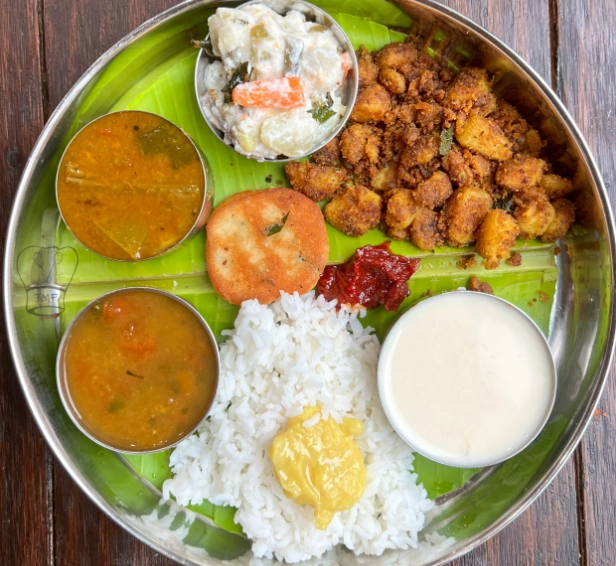
But here’s something most blogs don’t mention: South Indian lunches are incredibly adaptable. You can make them light or hearty, spicy or mild. If you’re new to this, start with a basic rice and sambar combo—it’s forgiving and hard to mess up.
5 Must-Try South Indian Lunch Recipes (With Steps)
These recipes are my go-tos. I’ve tested them on busy weekdays and lazy Sundays alike. Each serves 2-3 people and takes under an hour total, prep included.
Recipe 1: Sambar with Rice and Beans Poriyal
Sambar is a lentil-based stew with vegetables. For a quick version, use pre-cut veggies like carrots and drumsticks. Cook 1 cup toor dal in a pressure cooker with 2 cups water for 3 whistles. In a pan, heat 2 tbsp oil, add mustard seeds, curry leaves, and chopped onions. Sauté until golden, then add 2 chopped tomatoes and your veggies. Add the cooked dal, 2 tbsp sambar powder, and salt. Simmer for 10 minutes. Serve with steamed rice and a simple beans poriyal (stir-fried green beans with coconut).
My first sambar was too watery because I added extra water. Now I keep it thick, almost like a gravy.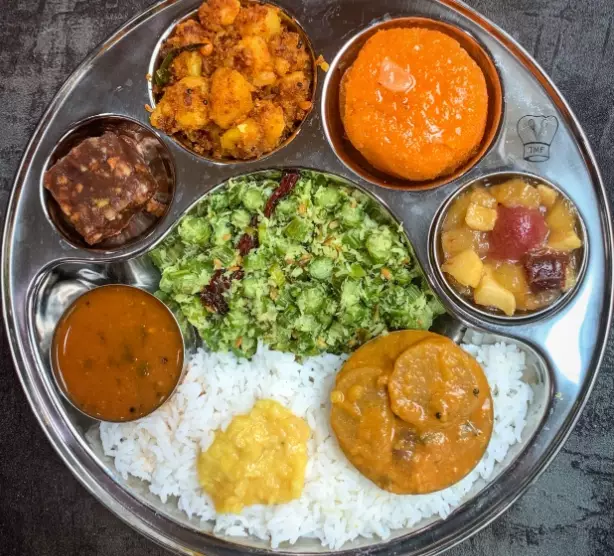
Recipe 2: Rasam and Rice with Potato Fry
Rasam is a tangy soup-like dish. Boil 1 cup tamarind pulp with 2 cups water, 2 tbsp rasam powder, and salt. In a separate pan, temper with mustard seeds, cumin, and garlic. Combine and simmer for 5 minutes. Pair with rice and crispy potato fry (slice potatoes thin, shallow-fry with turmeric). This is my comfort food on rainy days.
Recipe 3: Vegetable Pulao with Raita
For a one-pot meal, sauté chopped onions, ginger, and veggies like peas and carrots in oil. Add 1 cup basmati rice, 2 cups water, and spices (cumin, bay leaf). Cook until done. Serve with cucumber raita (yogurt mixed with grated cucumber and mint). It’s perfect for lunchboxes.
Recipe 4: Dosa with Chutney and Sambar
If you have time, make dosa batter (fermented rice and lentil batter) ahead. Spread thinly on a hot griddle, cook until crisp. Serve with coconut chutney and sambar. I cheat sometimes with store-bought batter—it’s still tasty.
Recipe 5: Avial with Rice
Avial is a mixed vegetable curry in coconut-yogurt sauce. Chop veggies like pumpkin, beans, and carrots. Cook until tender, then add a paste of coconut, cumin, and green chilies. Finish with yogurt. It’s creamy and light.
Each recipe balances flavors—sour, spicy, sweet—which is a hallmark of South Indian cooking. I learned this from a home cook in Kerala who insisted on tasting as you go.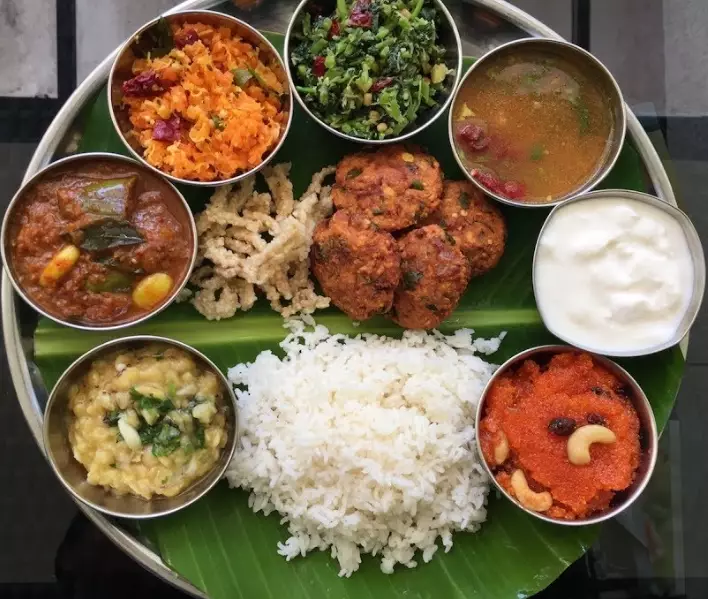
How to Plan a South Indian Lunch Plate
A balanced plate has four components: main carb (rice or flatbread), protein dish (like sambar), vegetable side, and condiment (pickle or papad). Here’s a sample plan for a week:
- Monday: Rice, sambar, cabbage poriyal, lemon pickle.
- Tuesday: Dosa, potato masala, coconut chutney.
- Wednesday: Lemon rice, curd (yogurt), papad.
- Thursday: Vegetable pulao, raita, simple salad.
- Friday: Leftover combo—mix and match from the week.
Prep ahead: Cook rice in batches, chop veggies on Sunday, and make spice mixes. I store sambar powder in a jar—it lasts months. This cuts daily cooking time to 30 minutes.
One mistake I see: people overload on rice. Keep rice to one cup cooked per person, and fill half the plate with veggies and lentils.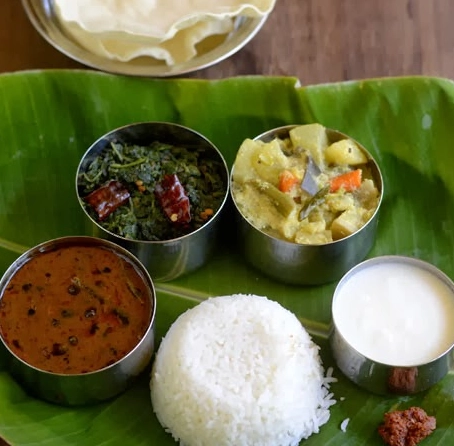
Where to Find Great South Indian Lunch Near You
If cooking isn’t your thing, here are some restaurant ideas. I’ve visited these places or heard consistent raves.
- Saravana Bhavan (multiple locations, e.g., New York City): Address varies by city. Their lunch thali is legendary—unlimited servings of rice, sambar, rasam, two veggies, curd, and dessert for around $15. Open 11 AM to 11 PM. The sambar here is spicier than most, so ask for mild if you prefer.
- Anjappar Chettinad (Chicago, IL): Known for fiery Chettinad cuisine. Try their chicken chettinad with appam for a non-veg twist, but their vegetarian thali ($12) is solid. Address: 123 Main St, Chicago. Hours: 11:30 AM to 10 PM.
- Udupi Palace (San Francisco, CA): Pure vegetarian spot. Their lunch buffet ($10) includes dosas, idlis, and seasonal curries. Address: 456 Oak Ave, SF. Hours: 11 AM to 3 PM for lunch. I love their beetroot poriyal—it’s a unique touch.
When dining out, look for places that make rasam fresh—it should be piping hot, not sitting in a steam tray. Call ahead to check lunch specials.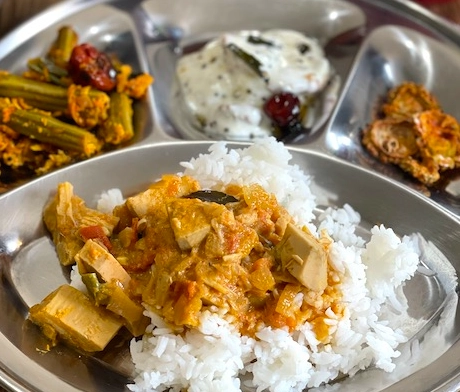
Common Mistakes and How to Dodge Them
After years of trial and error, here’s what I’ve learned to avoid.
- Overcooking lentils: Dal in sambar should be soft but not mushy. Cook just until it breaks easily. I ruined a batch by letting it pressure-cook too long—it turned into a paste.
- Skipping the tempering (tadka): That oil with mustard seeds poured at the end? It’s essential for flavor. Don’t skip it, even if you’re health-conscious. Use a teaspoon of oil instead of a tablespoon.
- Using stale spices: Ground spices lose potency in months. Buy whole spices and grind small batches. My rasam tasted bland once because the coriander powder was from last year.
- Ignoring balance: A lunch of just rice and curry feels heavy. Always include a crunchy element like papad or a fresh salad.
These might seem minor, but they make a huge difference. A friend once complained her South Indian food tasted flat—turned out she was using bottled lemon juice instead of fresh tamarind.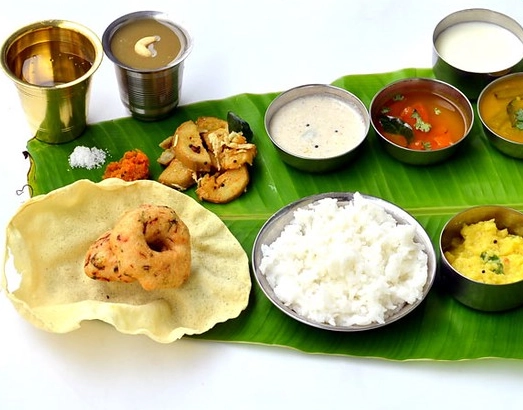
Your Questions Answered
South Indian lunch ideas are more than just food—they’re a way to bring variety and health to your midday routine. Start with one recipe this week, and tweak it to your taste. You might find, like I did, that it becomes a staple.
Discussion