Your Flavor Roadmap
- Why Indian Breakfasts Are Different (And Why You'll Love Them)
- The Essential Pantry for Indian Breakfast Recipes
- Top 5 Must-Try Indian Breakfast Recipes (Ranked by Ease & Impact)
- The South Indian Powerhouse: Idli, Dosa, and More
- Chutneys & Sides: The Supporting Cast That Steals the Show
- Health & Dietary Considerations
- Common Mistakes & How to Avoid Them
- Your Indian Breakfast Recipes FAQ
Let's be honest, cereal gets old. Toast is fine, but it's not exactly exciting. If your morning meal needs a serious kick of flavor, you've come to the right place. Indian breakfast recipes are a universe unto themselves—vibrant, diverse, and packed with textures and tastes that will make you actually look forward to waking up. I'm not talking about complicated restaurant-style curries here. I'm talking about real, home-style food that millions of people across India eat every single day. It's wholesome, it's often surprisingly quick, and it's anything but boring.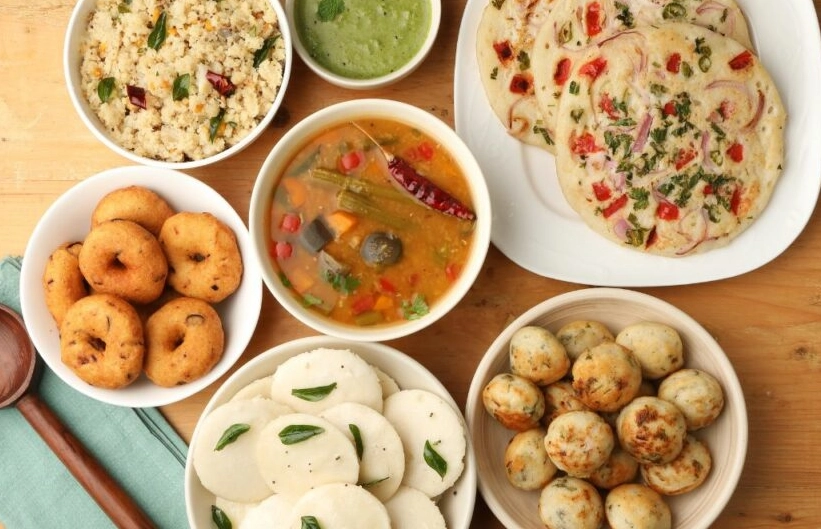
My own journey into Indian breakfasts started out of desperation. I was tired of my bland routine. The first time I tried making poha (flattened rice) at home, it was a disaster. Too much turmeric, not enough peanuts, and it somehow tasted both soggy and dry. But that failure hooked me. There was so much depth there, waiting to be unlocked. Since then, I've spent years talking to home cooks, experimenting, and yes, making plenty more mistakes. This guide is everything I wish I had known when I started.
What makes exploring Indian breakfast recipes so rewarding is the sheer variety. From the crispy, fermented crepes of the south to the hearty, spiced flatbreads of the north, your options are endless. And the best part? Many of these dishes are naturally vegetarian, gluten-free, or packed with protein from lentils and legumes. They're designed to fuel you for hours, not leave you crashing by 10 AM.
Why Indian Breakfasts Are Different (And Why You'll Love Them)
Most Western breakfasts lean sweet (pancakes, yogurt, pastries) or savory but simple (eggs, bacon). Indian breakfasts proudly plant their flag in the savory, spiced, and complex territory. They're meals, not afterthoughts. Think of them as lunch-level deliciousness served in the morning. This isn't about heavy cream or butter, either. The magic comes from a symphony of spices, fresh herbs, and clever techniques.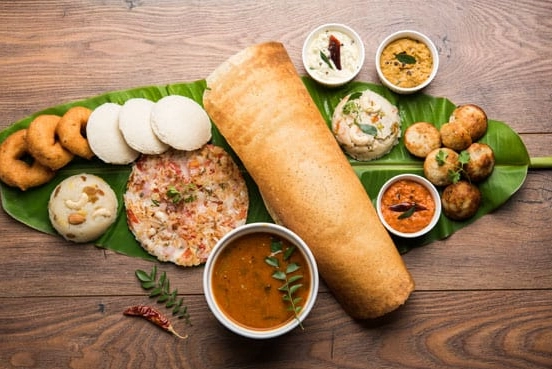
The foundation is often grains and lentils. Rice, wheat, and various lentils (like urad dal and chana dal) are transformed through soaking, grinding, fermenting, and tempering. This creates incredible textures—the airy lightness of a well-made dosa, the soft fluffiness of an idli, the satisfying chew of a paratha.
Then there's the "tadka" or tempering. This is a non-negotiable step for many Indian breakfast recipes. You heat oil or ghee, throw in mustard seeds, cumin, curry leaves, dried chilies, and asafoetida (hing). They crackle and pop, releasing insane aromas that form the flavor base of the entire dish. Pour this over your cooked poha or upma, and it transforms it from good to unforgettable. Skipping the tadka is like making a pizza without cheese—you just don't do it.
The Essential Pantry for Indian Breakfast Recipes
You don't need a supermarket's worth of ingredients. A focused pantry gets you 90% of the way. Here’s the breakdown of what you actually need, moving from absolute essentials to nice-to-haves.
The Non-Negotiables (Your Core Spices)
- Mustard Seeds: Tiny black or yellow seeds that pop and crackle in oil, adding a nutty, pungent kick. The sound of them popping is the sound of an authentic Indian kitchen in the morning.
- Cumin Seeds: Earthy and warm. They're often used alongside mustard seeds in the initial tadka.
- Turmeric Powder: The golden hero. It adds a warm color and a subtle, earthy flavor. It's also got great anti-inflammatory properties, which is a nice bonus for starting your day.
- Red Chili Powder or Crushed Red Pepper Flakes: For heat. Adjust to your tolerance. Kashmiri red chili powder is milder and gives a beautiful red hue without overwhelming spice.
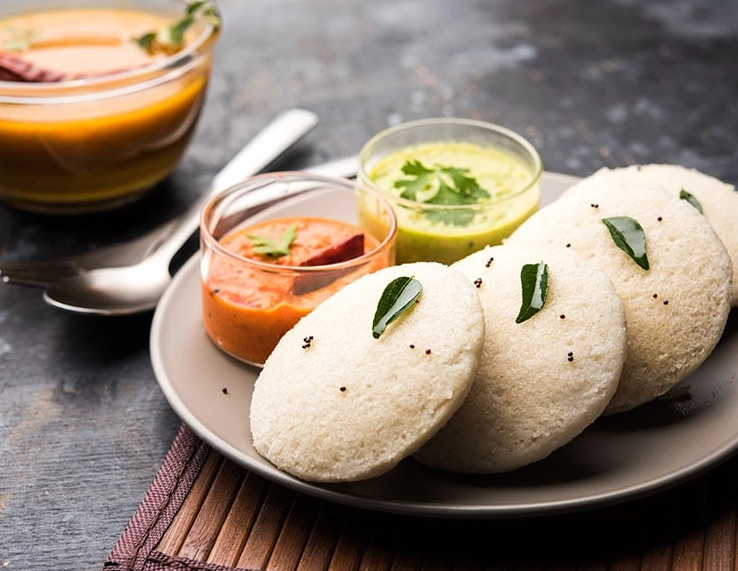
- Curry Leaves: This is the secret weapon. They have a unique, citrusy, aromatic flavor that is utterly irreplaceable. Don't substitute bay leaves—they're not the same. Find them fresh or frozen in Indian grocery stores; dried ones lose most of their punch.
The Grains & Legumes Foundation
- Rice (for Idli/Dosa): Regular parboiled or sona masoori rice works for batters.
- Urad Dal (Split Black Gram): The other half of the idli/dosa batter. It's what ferments and creates the airy texture.
- Semolina (Sooji/Rava): Coarse for upma, fine for rava dosa. It cooks in minutes.
- Poha (Flattened Rice): Comes in thick and thin varieties. Thick poha holds its shape better for recipes like kanda poha. It needs just a rinse, not cooking.
- Besan (Gram Flour): Made from chickpeas. Used for cheela (savory pancakes). Gluten-free and protein-packed.
Top 5 Must-Try Indian Breakfast Recipes (Ranked by Ease & Impact)
Where to start? Here's my personal ranking of the most accessible and crowd-pleasing Indian breakfast recipes. I'm factoring in difficulty, ingredient availability, and that crucial "wow" factor.
| Rank & Dish | Key Characteristics | Why It's Great | Time & Difficulty |
|---|---|---|---|
| #1: Masala Omelette (Anda Bhurji) | Spiced scrambled eggs with onions, tomatoes, chilies, and cilantro. | The ultimate gateway. It's familiar (eggs!) but explosively flavorful. Uses common fridge ingredients. No special skills required. | 10 mins, Very Easy |
| #2: Poha (Flattened Rice) | Light, fluffy, savory rice flakes cooked with onions, peanuts, and a vibrant tempering. | Incredibly light yet satisfying. Gluten-free. Cooks in under 15 minutes. The tempering (tadka) is a flavor masterclass. | 15 mins, Easy |
| #3: Rava Upma (Savory Semolina Porridge) | A hearty, porridge-like dish made from roasted semolina, vegetables, and spices. | Comfort food at its best. Endlessly customizable with veggies. Fills you up for hours. The roasting step is key to avoid mushiness. | 20 mins, Easy |
| #4: Besan Cheela (Chickpea Flour Pancake) | Thin, savory pancakes made from spiced gram flour batter. | High-protein, gluten-free, and cooks like a crepe. Perfect vehicle for chutney. The batter comes together in 2 minutes. | 20 mins (for batch), Medium |
| #5: Aloo Paratha (Spiced Potato Stuffed Flatbread) | Whole wheat flatbreads stuffed with a spiced mashed potato filling, pan-fried with ghee. | The king of comfort. Substantial, delicious, and portable. The process of stuffing and rolling takes practice, but it's worth it. | 45 mins, Intermediate (due to dough & stuffing) |
Let's Dive Deeper: Mastering Poha
Since Poha is such a superstar, let's break it down. The secret to great poha isn't in the cooking—it's in the prep. You never boil it. You rinse it briefly under cold water in a colander, then let it drain and soften for 5 minutes. If it gets mushy, you've used too much water or soaked it too long.
The flavor build is everything. Start by roasting raw peanuts in the oil until they're golden. That nutty flavor is crucial. Then, do your tadka: mustard seeds, cumin, curry leaves, green chilies. Add finely chopped onions and cook until soft. Now, add your drained poha, turmeric, salt, and a tiny pinch of sugar (balances the flavors). Gently fold everything together on low heat until the poha is heated through and yellow from the turmeric. Finish with a huge handful of fresh cilantro and a squeeze of lemon juice. The lemon at the end is non-negotiable—it brightens the whole dish.
The South Indian Powerhouse: Idli, Dosa, and More
This is where Indian breakfast recipes get really interesting. South Indian breakfasts are largely based on fermented rice and lentil batters. They're light, digestible, and often probiotic-rich.
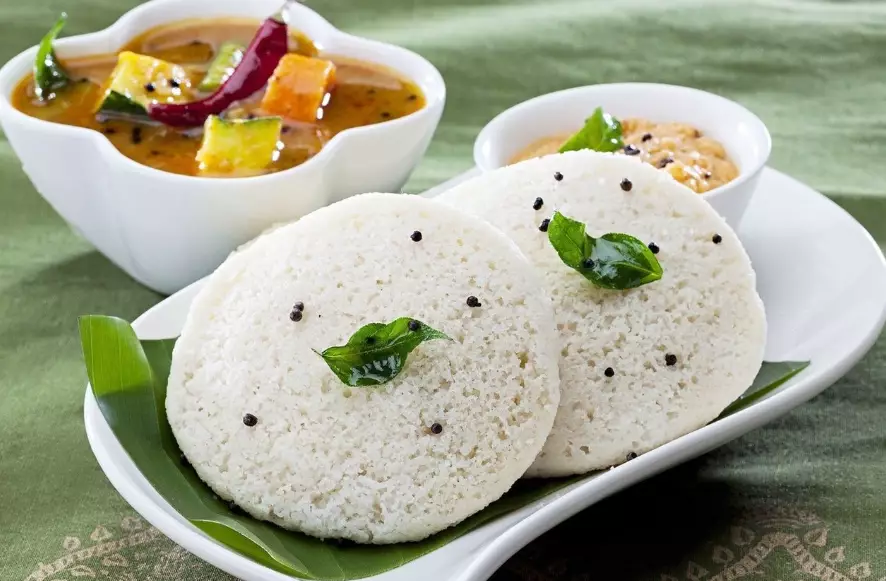
Idli: Soft, fluffy, steamed savory cakes. They're like edible clouds—spongy and neutral, perfect for soaking up flavorful chutneys and sambar (a lentil-based vegetable stew). The batter needs to ferment overnight, which develops a slight tang and makes them incredibly light.
Dosa: The famous crispy crepe. It's made from a similar batter as idli but with a different ratio (usually less urad dal) and a thinner consistency. A well-made dosa is crisp, lacy, and slightly tangy. The Masala Dosa is a classic—a dosa wrapped around a spiced potato filling.
Now, the fermentation can be intimidating. It depends on the climate. In colder places, it might take 24 hours. You can help it along by placing the batter bowl in an oven with the light on (creates a warm environment). Don't be alarmed if it doesn't double in volume—look for bubbles and a slightly sour smell.
For authentic recipes and techniques, the website of the India Cookery Forum is an incredible resource built by home cooks. It's less of a recipe blog and more of a community knowledge base, with decades of discussions on perfecting fermentation, troubleshooting batter, and regional variations.
Chutneys & Sides: The Supporting Cast That Steals the Show
An Indian breakfast is rarely a solo act. The sides are what make it a complete experience. These are quick to make and last for days in the fridge.
- Coconut Chutney: The classic. Fresh grated coconut blended with green chilies, ginger, roasted chana dal (for body), and a tadka of mustard seeds and curry leaves. Cool, creamy, and slightly spicy.
- Cilantro Mint Chutney: A vibrant green powerhouse. Cilantro, mint, green chili, lemon juice, salt. That's it. It's fresh, tangy, and cuts through heavier dishes.
- Sambar: This is a project, but a worthy one. It's a tangy, spicy lentil and vegetable stew. For a quicker version, many use ready-made sambar powder (a spice blend). The My Saffron Kitchen blog has a fantastically detailed, authentic sambar recipe that breaks down the science of the tamarind and dal balance.
- Plain Yogurt (Dahi): The ultimate cooler. A dollop on the side balances any heat and aids digestion.
Health & Dietary Considerations
One of the best things about Indian breakfast recipes is how easily they adapt to modern dietary needs.
Gluten-Free: Naturally! So many staples are based on rice, lentils, and chickpea flour. Idli, dosa (check batter for wheat additions), poha, upma (made from pure semolina, which is wheat but the gluten is removed in processing—verify if highly sensitive), and besan cheela are all fantastic gluten-free options.
High-Protein & Vegan: Look to lentil-based dishes. Besan cheela, moong dal chilla (pancakes made from split mung beans), and even a hearty dalia (broken wheat porridge) with lentils are packed with plant-based protein. The Government of India's National Institute of Nutrition portal publishes research on the nutritional profiles of traditional Indian foods, highlighting their protein and micronutrient content.
Lower-Carb: This is trickier, as many dishes are grain-based. Your best bets are egg-based dishes like anda bhurji, or a vegetable-heavy version of upma where you increase the veggies and slightly decrease the semolina. A besan cheela loaded with spinach and mushrooms is also a great lower-carb choice.
Common Mistakes & How to Avoid Them
I've made most of these, so learn from my errors.
- Over-soaking Poha: It turns to mush. Rinse, don't drown. Let it drain completely.
- Not Roasting Semolina for Upma: This step is crucial. Roast it in dry pan until it smells nutty and changes color slightly. This prevents a gluey, sticky texture.
- Using Cold Dosa Batter: Always let fermented batter come to room temperature before making dosas. Cold batter won't spread properly.
- Skimping on the Tadka/Tempering: This is the soul of the dish. Don't rush it. Let the spices crackle and infuse the oil.
- Overcrowding the Pan for Parathas: Cook them one at a time with enough space. They need room to puff up and get those golden spots.
Your Indian Breakfast Recipes FAQ
So, where will you start? Maybe with a simple plate of golden poha, bright with turmeric and fresh cilantro. Or maybe you'll whisk up some besan cheela this weekend. The world of Indian breakfast recipes is vast and welcoming. It's okay if your first dosa looks more like a map of a strange country than a perfect circle. It'll still taste amazing dipped in coconut chutney.
The real joy is in the process—the sound of mustard seeds popping, the smell of curry leaves hitting hot oil, the satisfaction of a perfectly puffed paratha. It turns cooking from a chore into a little morning ritual. And honestly, starting your day with that kind of vibrant, real food just sets a better tone for everything that follows. Give it a try. Your taste buds will thank you.
Discussion