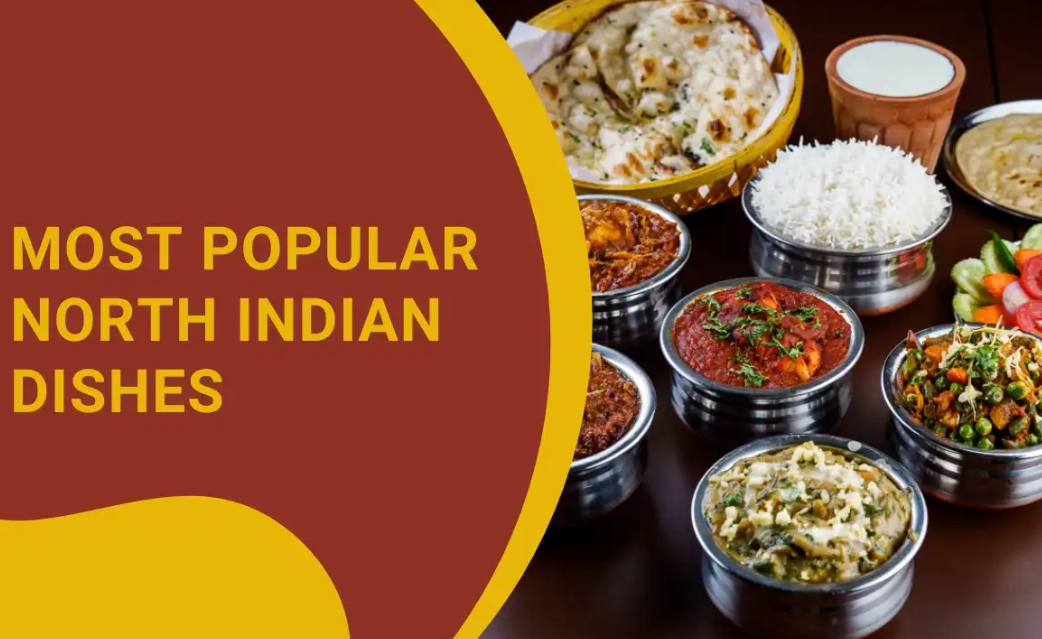
Ask ten people about the most popular North Indian food, and you'll likely get a passionate debate. But if you listen closely, a few names keep coming up again and again. It's not just about one dish. North Indian cuisine is a tapestry of rich gravies, smoky tandoori meats, fragrant biryanis, and hearty breads. The "most popular" title often goes to the dish that has become a global ambassador for Indian food itself: Butter Chicken. Its creamy, tomato-based gravy and tender chicken pieces have won over palates from Delhi to Denver. But to stop there would be a disservice to the incredible depth of this cuisine.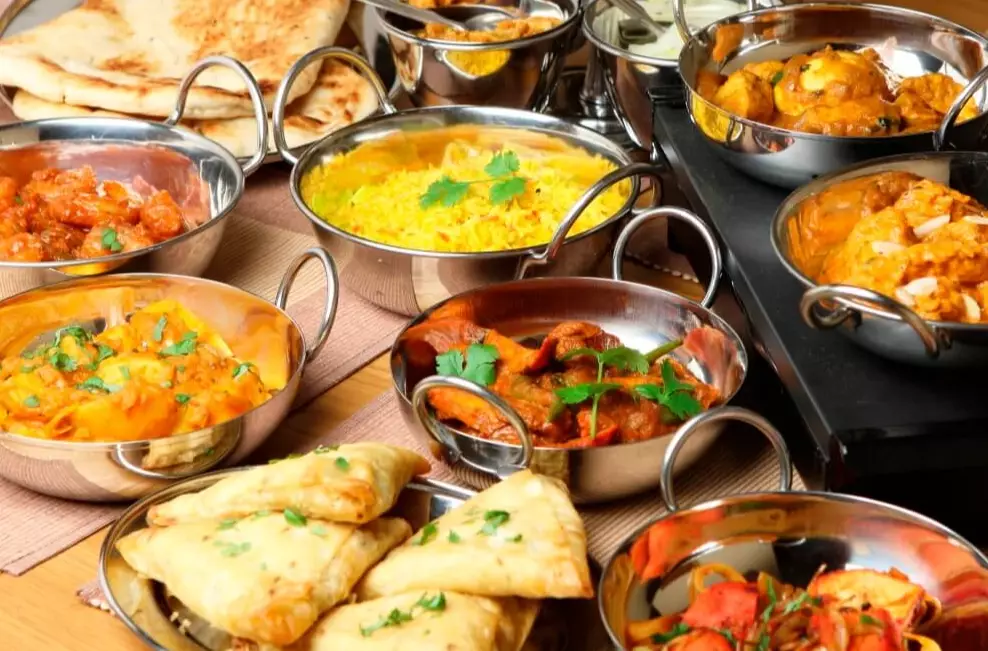
What You’ll Find in This Guide
What Makes a North Indian Dish Popular?
Popularity here isn't just about what's trendy. It's about dishes that have stood the test of time, crossing regional and even national borders. These are the foods you'll find in nearly every North Indian restaurant worldwide. They share a few traits:
- Balanced Flavors: The holy trinity of North Indian cooking—tomato, onion, and garlic/ginger—creates a base that's tangy, sweet, and pungent all at once. Spices like garam masala, cumin, and coriander add warmth without always being brutally hot.
- Comforting Texture: Cream, butter (makhan), yogurt (dahi), and nuts are used to create rich, luscious gravies that are deeply satisfying. The contrast between a creamy curry and a chewy piece of naan is a big part of the appeal.
- Versatility & Shareability: These are communal dishes, meant to be shared with rice or bread. They cater to a range of spice tolerances, often with adjustable heat levels.
Let's get specific. Based on menu ubiquity, global recognition, and sheer fan love, here are the dishes that consistently top the charts.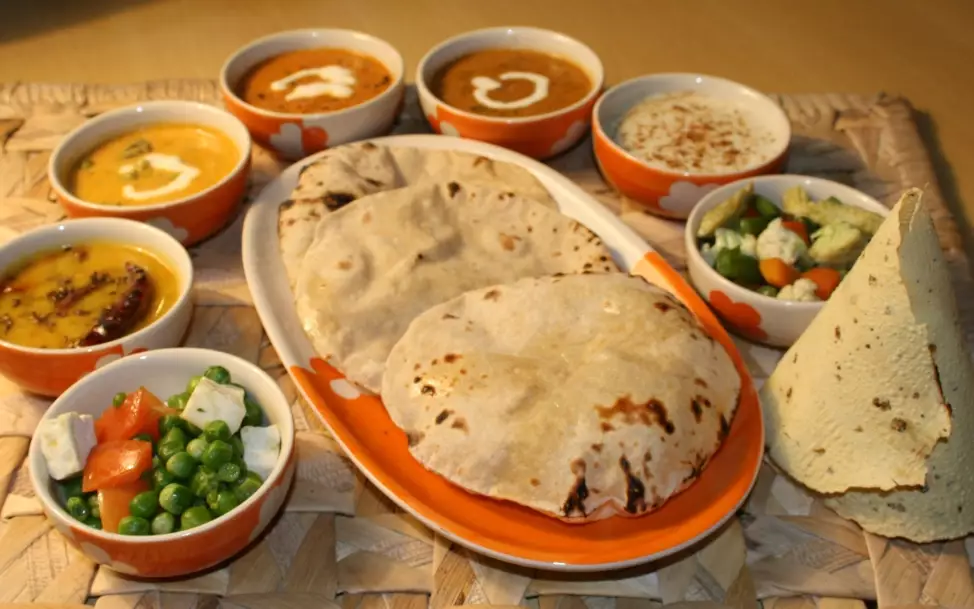
The Top Contenders for Most Popular North Indian Food
A quick note: Ranking food is subjective. This list is based on decades of eating in dhabas (roadside eateries), high-end restaurants, and home kitchens across North India. The order might shift, but these are the undeniable heavyweights.
1. Butter Chicken (Murgh Makhani)
This is the undisputed global superstar. The story goes that it was invented in Delhi's Moti Mahal restaurant in the 1950s by mixing leftover tandoori chicken with a tomato, butter, and cream gravy. Its genius lies in its accessibility. The gravy is mildly spiced, subtly sweet, and incredibly creamy. It's the perfect gateway dish for anyone new to Indian food. A common mistake is confusing it with Chicken Tikka Masala (which is arguably its British-born cousin). The authentic version uses kasuri methi (dried fenugreek leaves) for a distinct, earthy aroma that cuts through the richness.
2. Tandoori Chicken
Before the gravy, there's the fire. Tandoori chicken is the foundation. Marinated in yogurt and a blend of spices including Kashmiri red chili for color, it's cooked in a cylindrical clay oven called a tandoor. The result is smoky, slightly charred, and incredibly juicy meat. Its popularity is primal—it's about the pure, unadulterated flavor of spice and fire. A well-made tandoori chicken should be vibrant red on the outside and succulent inside, not dry and chalky. It's often served with sliced onions and mint chutney.
3. Dal Makhani
The vegetarian champion. While paneer dishes are huge, dal makhani holds a special place as the ultimate comfort food. Whole black lentils (urad dal) and kidney beans are slow-cooked for hours, often overnight, with butter and cream. The final product is decadently rich, velvety, and deeply flavorful. It's a staple in Punjabi households and restaurants alike. A good dal makhani should be thick enough to coat the back of a spoon, with a deep, smoky flavor often imparted by a final "tadka" (tempering) of butter and garlic.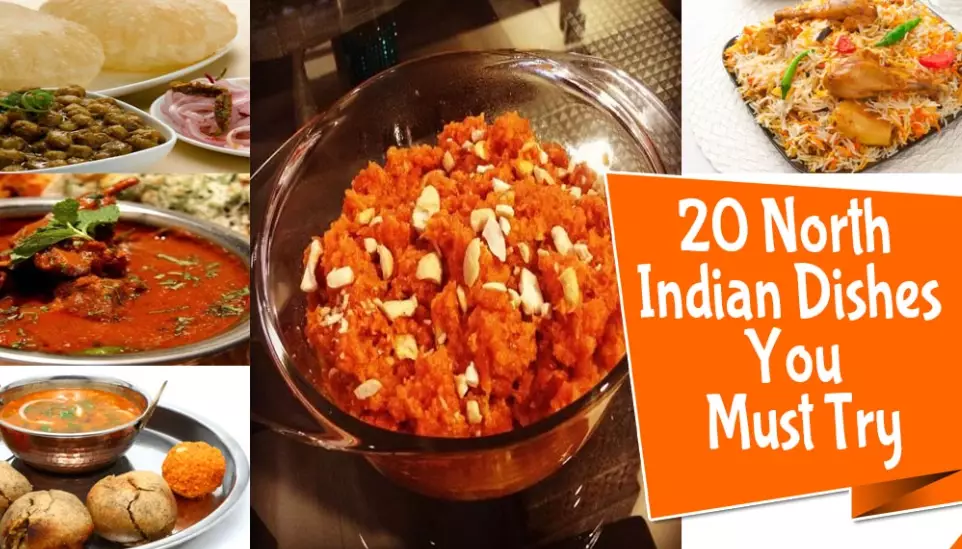
4. Palak Paneer & Paneer Butter Masala
Paneer (Indian cottage cheese) is a vegetarian's delight. Two preparations battle for the top spot. Palak Paneer features soft paneer cubes in a vibrant pureed spinach gravy—it's earthy, healthy-tasting, and packed with flavor from garlic, ginger, and garam masala. Paneer Butter Masala (or Paneer Makhani) is essentially the vegetarian counterpart to butter chicken. The same rich, creamy tomato gravy envelops cubes of paneer. It's an instant crowd-pleaser and a safe bet for almost any table.
5. Rogan Josh
Hailing from Kashmir, this lamb curry brings a different flavor profile. It's known for its intense red color, derived from Kashmiri chilies, and a fragrant blend of spices like fennel, ginger, and asafoetida. The meat is slow-cooked until fall-apart tender. It's less creamy than Punjabi curries but equally rich due to the rendered fat ("rogan" means oil or fat in Persian). It represents the majestic, aromatic side of North Indian cuisine.
Where to Eat the Best Versions: A Shortlist
You can find these dishes everywhere, but some places have built legendary status around them. Here’s a targeted list for the dedicated food traveler.
| Dish | Restaurant (Location) | Why It's Special | Approx. Price for Dish |
|---|---|---|---|
| Butter Chicken | Moti Mahal (Delhi, India) - The original. Daryaganj location. | Historical significance. The recipe hasn't strayed far from its 1950s roots. The smoky flavor from the tandoori chicken base is key. | INR 600+ ($7-8) |
| Tandoori Chicken | Bukhara (ITC Maurya, Delhi) | Iconic, no-frills presentation. The chicken is famously robust, marinated for hours and perfectly charred. Consistently ranked among world's best. | INR 2000+ ($24+) |
| Dal Makhani | Kesar da Dhaba (Amritsar, India) | Cooked on slow coal fires for over 24 hours. The texture and depth of flavor are unmatched. A pilgrimage site for food lovers. | INR 300+ ($3-4) |
| Rogan Josh | Ahdoos (Srinagar, Kashmir) or local Wazwan specialists. | Authentic Kashmiri preparation using local spices and techniques. The flavor profile is distinct from mainstream restaurant versions. | INR 500+ ($6+) |
| North Indian in London (UK) | Dishoom (Multiple locations) | Not a single dish, but the restaurant has popularized classic North Indian-Irani cafe food for a global audience. Their Black Daal is a version of dal makhani that's worth the hype. | £8-15 per dish |
If you're not traveling to India soon, search for well-reviewed local Indian restaurants in your city that mention "Punjabi cuisine" or "tandoori specialties." Look for places where the community eats—that's usually a good sign.
Going Beyond the Plate: Breads, Sides & Regional Gems
The curry is only half the story. The vehicles matter.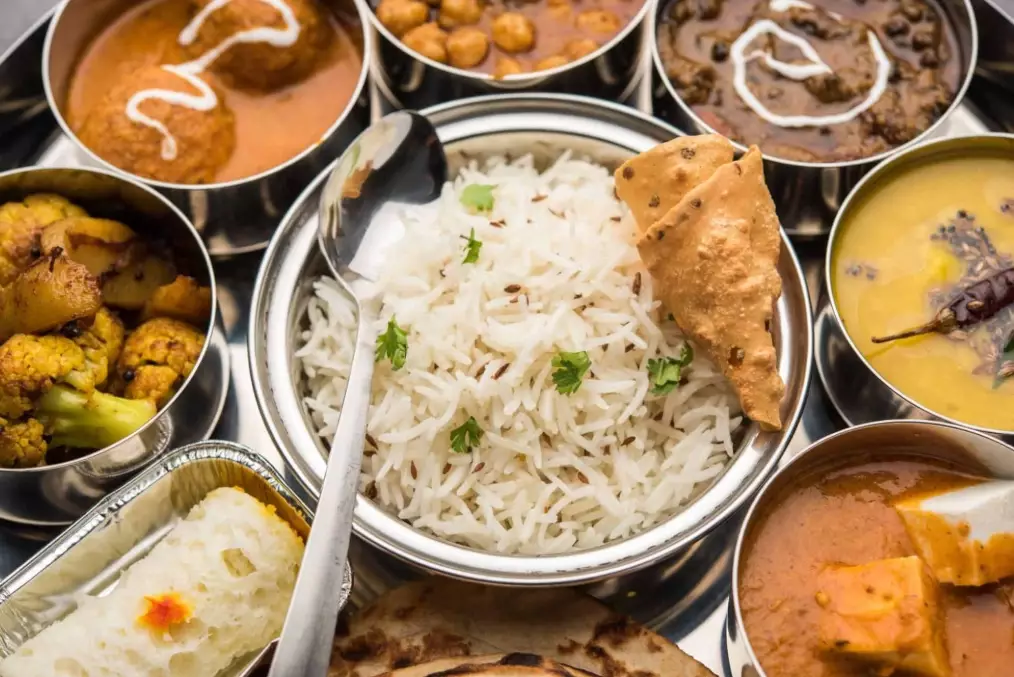
Naan is the fluffy, leavened tandoor-baked bread everyone knows. Garlic Naan and Butter Naan are popular variants. But don't ignore Roti or Chapati—whole wheat unleavened breads that are daily staples. Paratha (layered, pan-fried bread) is another winner, especially when stuffed with spiced potatoes (Aloo Paratha).
For rice, Biriyani (a spiced rice and meat dish) is a category of its own, with Lucknow and Hyderabad being famous centers. A simple Jeera Rice (cumin rice) is the perfect, fragrant accompaniment to any rich gravy.
Regional gems that deserve more fame include Chole Bhature (spicy chickpeas with deep-fried bread) from Delhi, Rajma Chawal (kidney bean curry with rice) which is ultimate home-style comfort food, and Amritsari Fish Fry—spiced fish fillets fried in gram flour batter.
Your North Indian Food Questions, Answered
 How do I know if I'm getting an authentic version in a restaurant?
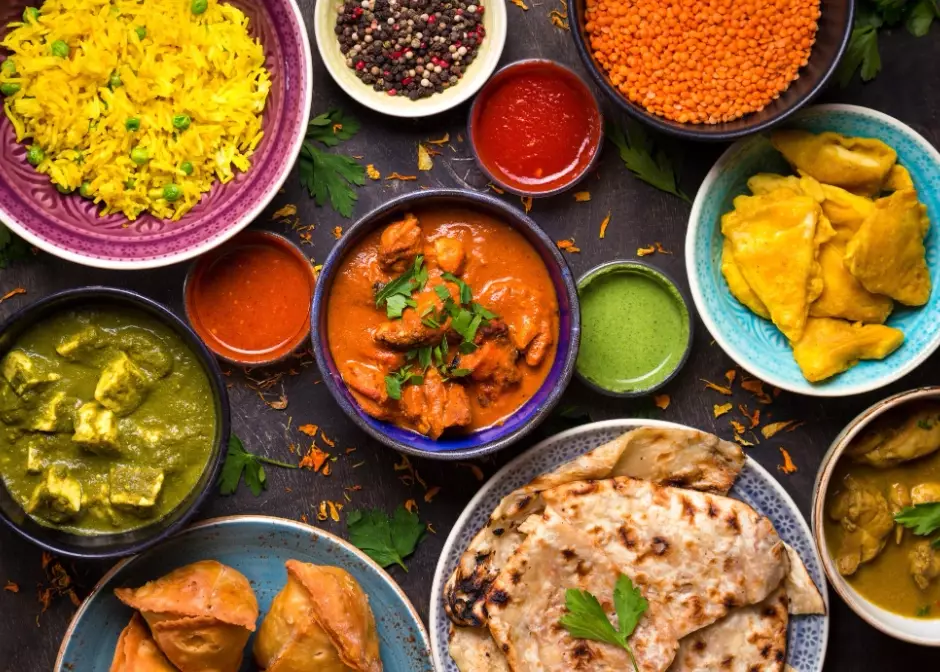 So, what is the most popular North Indian food? It's a spectrum, led by the creamy embrace of butter chicken but firmly supported by the smoky punch of tandoori, the earthy comfort of dal, and the versatile joy of paneer. The real answer is to try them all, share them with others, and find your own personal favorite. That's the spirit of the cuisine—it's meant to be experienced, debated, and loved communally. Start with the classics on this list, and you'll understand why this food has conquered the world.
Discussion