Let's be honest. The idea of diving into Indian food can be intimidating. Images of fiery red curries and warnings about "spice levels" are enough to make anyone new to the cuisine hesitate. I was there too. My first attempt at a local Indian restaurant involved a lot of water and a mistaken order of Vindaloo. But here's the secret most menus don't shout about: a huge part of Indian cooking is built on incredible, complex flavors that don't rely on heat at all. The real magic is in the blend of spices—cumin, coriander, turmeric, cardamom—not just the chili. This guide is for anyone who's curious but cautious, ready to explore the wonderfully aromatic and gentle side of Indian food.
Your Mild Indian Food Roadmap
The Biggest Myth About Indian Food (And Why It's Wrong)
The most common misconception is that Indian food equals spicy food. It's not true. Think of "spice" in two ways: heat (from chilies) and flavor (from spices like cumin, turmeric, and garam masala). Indian cuisine masterfully uses the second category to build deep, satisfying tastes. Northern Indian cuisine, in particular, features many creamy, nut-based, and yogurt-marinated dishes designed to be rich and aromatic, not hot. Dishes from regions like Punjab and Kashmir are perfect examples. Even in hotter regions, there are balancing acts—sweet chutneys, cooling raita (yogurt sauce), and mild lentil dishes are staples on every table.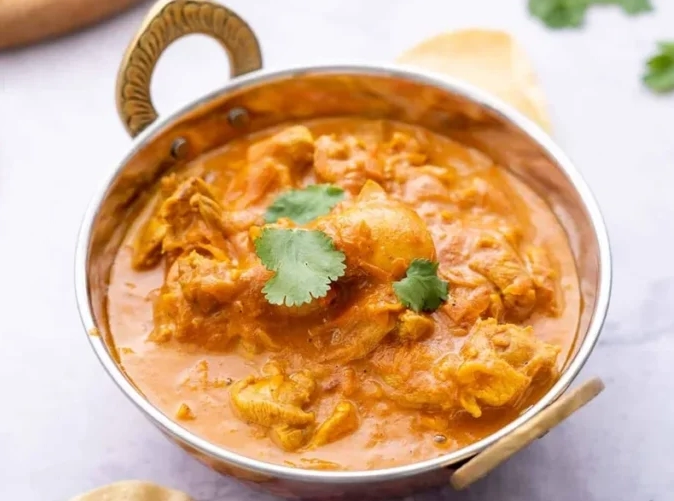
The Top 10 Gateway Dishes: Your Starter Menu
Here are the absolute best mild Indian dishes to begin with. This isn't just a list; it's a curated menu to guide your first few visits to a restaurant or your initial cooking projects.
| Dish Name | What It Is & Why It's Mild | Key Flavors | Perfect For... |
|---|---|---|---|
| 1. Butter Chicken (Murgh Makhani) | The ultimate beginner's dish. Tender chicken in a silky, tomato-based sauce enriched with butter, cream, and cashews. Heat is optional and usually minimal. | Creamy, tangy, slightly sweet, aromatic. | Anyone who thinks they won't like Indian food. It's universally appealing. |
| 2. Chicken Korma | A Mughlai classic. Chicken braised in a velvety sauce of yogurt, cream, and ground nuts (almonds or cashews). Spices are warm, not hot. | Nutty, rich, fragrant, subtly sweet. | A luxurious, comforting meal. Often has saffron or rose water notes. |
| 3. Palak Paneer | Fresh spinach puréed into a vibrant green sauce with cubes of soft paneer (Indian cottage cheese). Earthy and wholesome. | Earthy, creamy, savory, with a hint of garlic. | Vegetarians and anyone wanting a healthy, flavorful green dish. |
| 4. Dal Makhani | Black lentils and kidney beans slow-cooked with butter and cream. It's the ultimate comfort food—deep, creamy, and packed with protein. | Smoky, creamy, earthy, deeply savory. | A hearty vegetarian main or side. Incredible with garlic naan. |
| 5. Malai Kofta | Vegetarian "meatballs" made from paneer and potatoes, served in a mild, creamy, cashew-based sauce. It's delicate and satisfying. | Creamy, slightly sweet, rich, with soft kofta texture. | |
| 6. Chana Masala | Chickpeas in a tangy, spiced tomato gravy. While it can be made spicy, it's commonly served in a robust, medium-tangy version that focuses on cumin and coriander. | Tangy, savory, hearty, with a chickpea bite. | A budget-friendly, protein-packed staple. Ask for it "mild." |
| 7. Biryani (Vegetable or Chicken) | Fragrant basmati rice layered with marinated meat or vegetables and whole spices. The heat comes from the aroma of cardamom, cloves, and bay leaf, not chilies. | Aromatic, fragrant, savory, with distinct rice grains. | A complete one-pot meal. The Hyderabad or Lucknowi styles are often milder than others. |
| 8. Aloo Gobi | A simple, dry curry of potatoes (aloo) and cauliflower (gobi) sautéed with turmeric, cumin, and coriander. Homestyle and gentle. | Earthy, turmeric-forward, simple, comforting. | A light lunch or a perfect side dish. It's like a warm, spiced hug. |
| 9. Raita | Not a main, but an essential side. Yogurt mixed with cucumber, mint, or boondi (tiny fried dough balls). It's the cooling agent on your plate. | Cooling, fresh, creamy, tangy. | Balancing any meal. Use it to temper a bite that's too flavorful. |
| 10. Naan & Roti | Your edible utensils. Plain naan (leavened, fluffy bread) or roti (whole wheat flatbread) are perfect for scooping up mild curries without adding heat. | Buttery (naan), earthy (roti), warm, soft. | Sopping up every last bit of sauce. Garlic naan is a flavor upgrade. |
When you're at a restaurant, you can confidently order any of these and simply say, "Can I have this mild, please?" Any good restaurant will accommodate.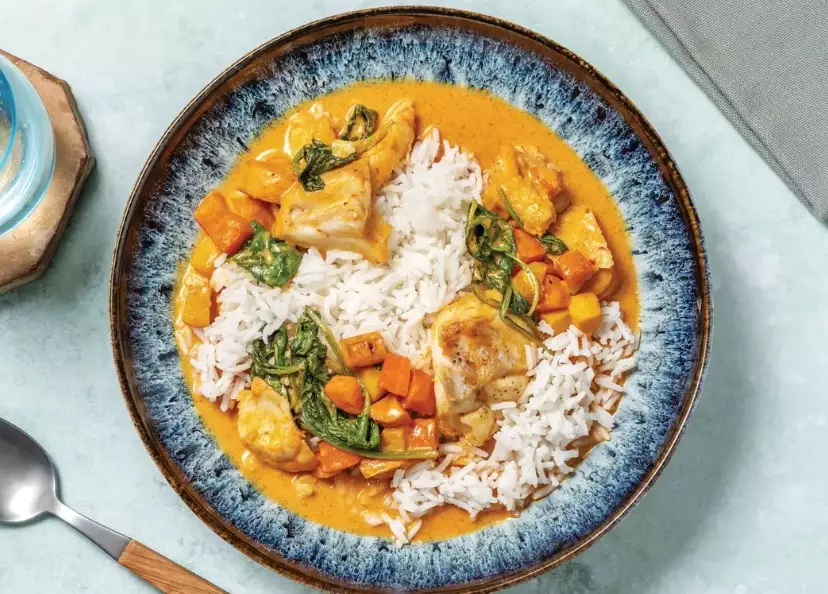
How to Order Indian Food Like a Pro (Without the Heat)
Walking into an Indian restaurant can feel like deciphering a code. Here’s how to navigate it for a perfectly mild experience.
Communicate Clearly with Your Server
Don't just say "not spicy." Be specific. Say: "I'm new to Indian food and would like something very mild, with lots of flavor but no chili heat." This tells them you're not just avoiding flavor, you're seeking the right kind. Ask for recommendations from the "mild" or "cream-based" sections of the menu.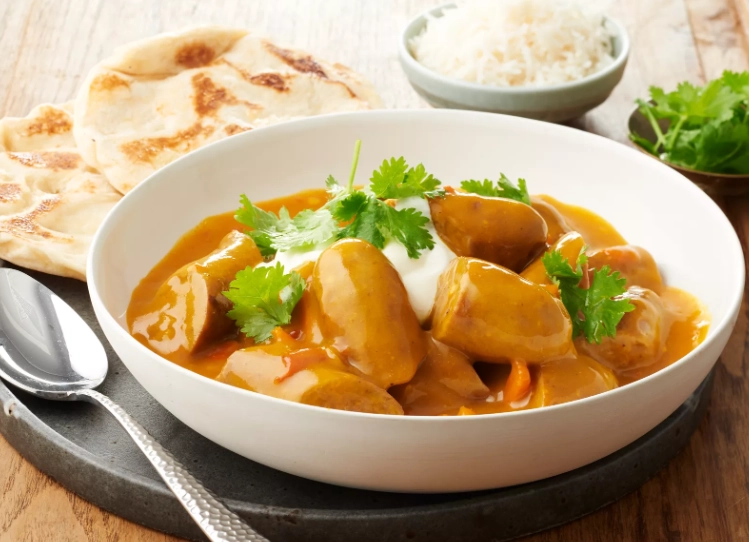
Understand the Menu Code Words
Words like "makhani" (buttery), "malai" (cream), "korma" (braised in yogurt/cream), and "pasanda" (mild, creamy curry with almonds) are your green lights. Be slightly more cautious with "masala" (spice mix)—it can vary, so confirm it's mild. Generally avoid "vindaloo," "phal," "jalfrezi," or anything labeled "Madras" on a first visit, as these are typically hot.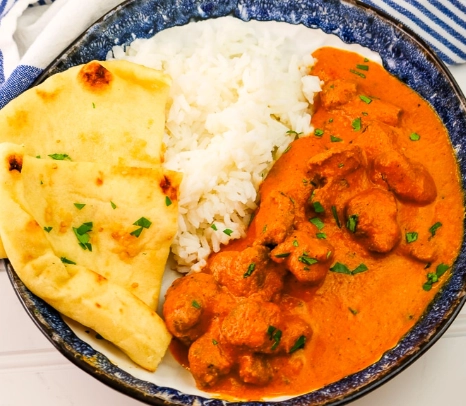
The Sidekick Strategy
Always order a raita (yogurt sauce) and maybe a mango lassi (a sweet yogurt drink). These are your safety nets. If a dish has more kick than expected, a spoonful of raita will instantly cool it down.
Your First Indian Meal at Home: A Fail-Safe Butter Chicken Recipe
Cooking Indian food at home demystifies it. You control every ingredient. Let's start with a simplified, guaranteed-mild butter chicken. This is a weeknight-friendly version, not a 5-hour traditional recipe, but it delivers on flavor.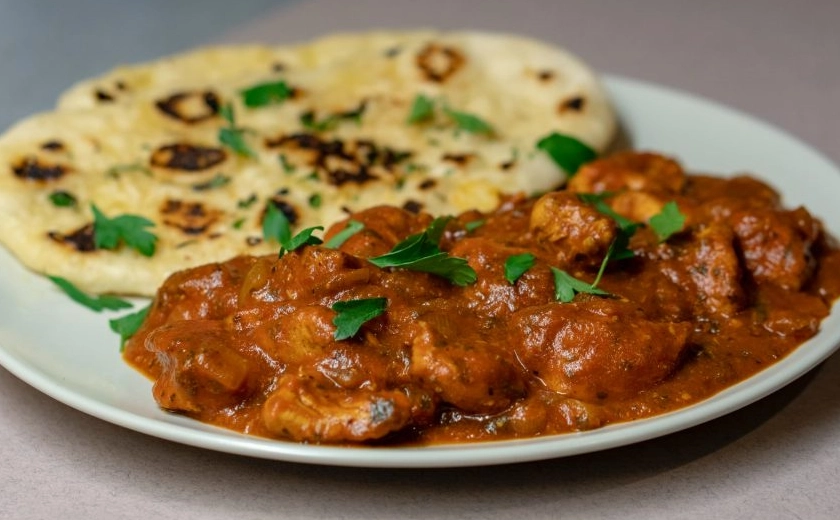
What You'll Need:
- 1 lb (450g) boneless chicken breast or thighs, cubed
- 1 cup plain yogurt
- 2 tbsp ginger-garlic paste (or 1 tbsp each minced ginger & garlic)
- 1 tsp garam masala
- 1 tsp turmeric
- 2 tbsp butter
- 1 large onion, finely chopped
- 1 can (14 oz) crushed tomatoes
- 1/2 cup heavy cream
- 1 tsp kasuri methi (dried fenugreek leaves)—optional but authentic
- Salt to taste
- Fresh cilantro for garnish
The 3-Step Process:
1. Marinate the Chicken: Mix yogurt, 1 tbsp ginger-garlic paste, 1/2 tsp turmeric, 1/2 tsp garam masala, and salt. Add chicken, coat well, and let it sit for at least 30 minutes (or overnight for best results).
2. Cook the Base: In a large pan, melt butter. Sauté onions until golden. Add the remaining ginger-garlic paste and sauté for a minute. Add the crushed tomatoes, remaining turmeric, and garam masala. Cook for 10-15 minutes until the oil starts to separate from the sauce.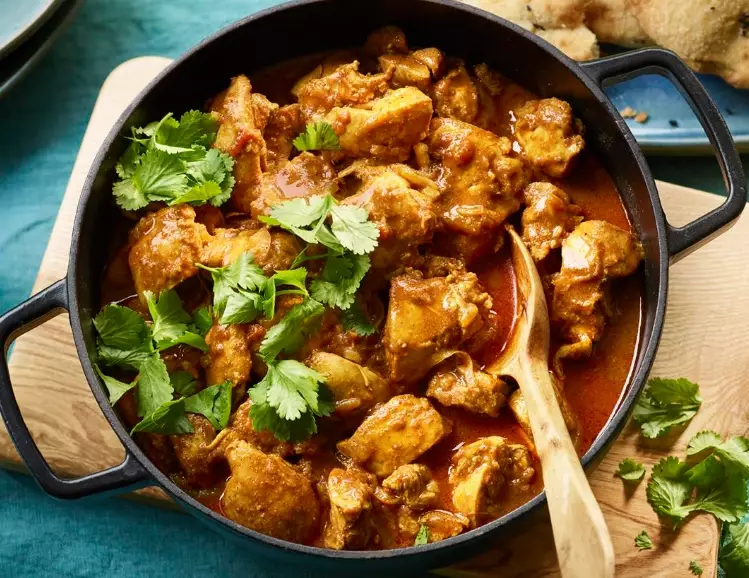
3. Combine and Finish: Add the marinated chicken to the sauce. Cook for 10-12 minutes until chicken is done. Stir in the heavy cream and crushed kasuri methi. Simmer for 5 more minutes. Garnish with cilantro. Serve with basmati rice or naan.
See? No mysterious steps. The cream and butter mellow all the spices into a harmonious, mild sauce. The key is cooking the tomato-onion base long enough—it develops sweetness and depth, eliminating any raw, acidic taste.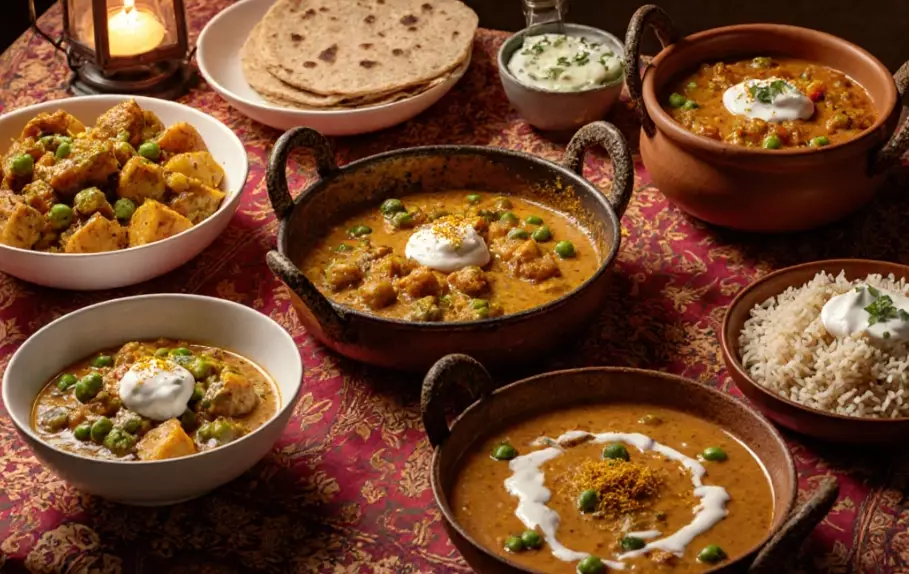
Navigating the Menu: Your Questions Answered
I'm at an Indian restaurant and want to try a curry, but how do I know which ones are truly the mildest?
Stick to the creamy, nut-based sauces. Verbally ask your server to compare the butter chicken sauce, korma sauce, and pasanda sauce. Often, korma is the mildest as it contains no tomato, which can sometimes carry a slight tang that people mistake for heat. A good rule of thumb: the paler the sauce (creamy white or light orange), the milder it tends to be.
Is "medium" spice at an Indian restaurant safe for a beginner?
It's a gamble. "Medium" is highly subjective and varies wildly between restaurants. In some places, medium is what a regular Indian eater considers mild; in others, it can pack a real punch. Never start with medium. Always order mild. You can always ask for a side of chili sauce or pickles to add a tiny bit of heat to your own plate if you find the mild version too tame. It's much harder to cool down a too-hot dish.
What's the one spice I should buy first to start cooking mild Indian food at home?
Get a good quality garam masala. It's not a single spice but a blend—usually containing cumin, coriander, cardamom, black pepper, cinnamon, and cloves. It's the warm, aromatic heart of many North Indian dishes and adds instant complexity without significant heat. Avoid any blend that lists "chili powder" as a primary ingredient. Brands like MDH or Everest are widely used and reliable.
Are dishes labeled "Tikka" (like Chicken Tikka Masala) usually mild?
Generally, yes. "Tikka" refers to marinated, baked/grilled pieces of meat. Chicken Tikka Masala is a British-Indian dish where grilled chicken tikka is added to a creamy, spiced tomato sauce. It's almost always on the milder side, similar to butter chicken but often slightly tangier. It's an excellent, safe choice for beginners.
The world of mild Indian food is vast and welcoming. It's a cuisine of layered aromas, comforting textures, and rich histories, not just a test of your tolerance for chilies. Start with a creamy butter chicken or a hearty dal makhani, use the ordering tips, and maybe even try that simple recipe at home. Your taste buds will thank you for the adventure, without the need for a fire extinguisher.
Discussion