You've had them. The dry, chewy, disappointing kebab that makes you wonder why you bothered. Then you've had the other kind. The ones that are impossibly juicy, tender, and packed with flavor in every bite. What separates the two? It's not magic, and it's not a single secret ingredient. Making consistently tender kebabs is a process, a chain of seven critical decisions from the butcher counter to the grill. Miss one link, and the texture suffers. Get them all right, and you'll have kebabs that rival the best street vendors and restaurants. Let's break down that chain, link by link.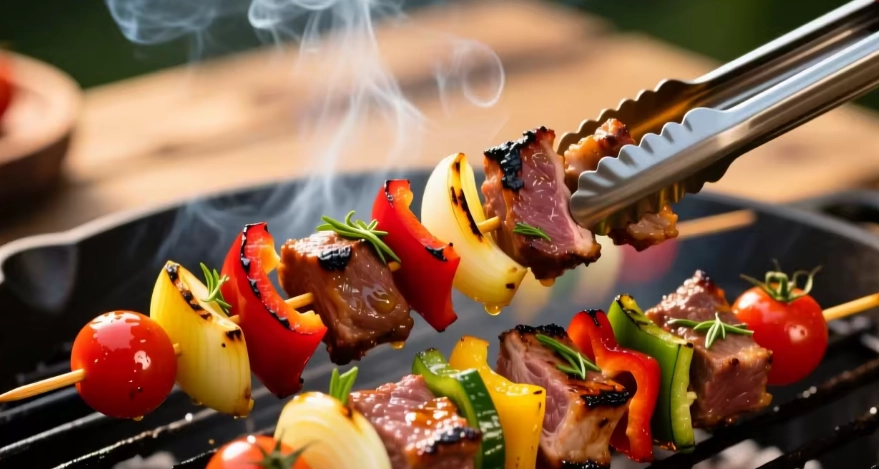
Your Kebab Journey Map
Secret 1: It All Starts With The Right Cut of Meat
This is the foundation. You can't make a tender kebab from a tough cut, no matter how long you marinate it. Forget lean, supermarket-packaged "stew meat." You need cuts with flavor, fat, and connective tissue that breaks down with heat.
My go-to for lamb or mutton kebabs is shoulder (leg is okay, but shoulder is better). For beef, I look for chuck or top round. Chicken? Thighs, always thighs. Breast meat has no fat or connective tissue to keep it moist under the fierce dry heat of a grill; it will almost always dry out. Thigh meat is forgiving and stays juicy.
Here's a quick comparison to keep in your back pocket:
| Meat Type | Best Cut for Kebabs | Why It Works | Potential Drawback |
|---|---|---|---|
| Lamb | Shoulder | Perfect fat marbling, rich flavor, connective tissue renders tender. | Can be slightly fattier, needs trimming. |
| Beef | Chuck / Top Round | Good beefy flavor, becomes tender when cut correctly and marinated. | Leaner than shoulder, so marinating is crucial. |
| Chicken | Boneless, Skinless Thighs | High fat content, impossible to overcook to dryness, succulent texture. | Some find the flavor stronger than breast. |
The Fat Content Factor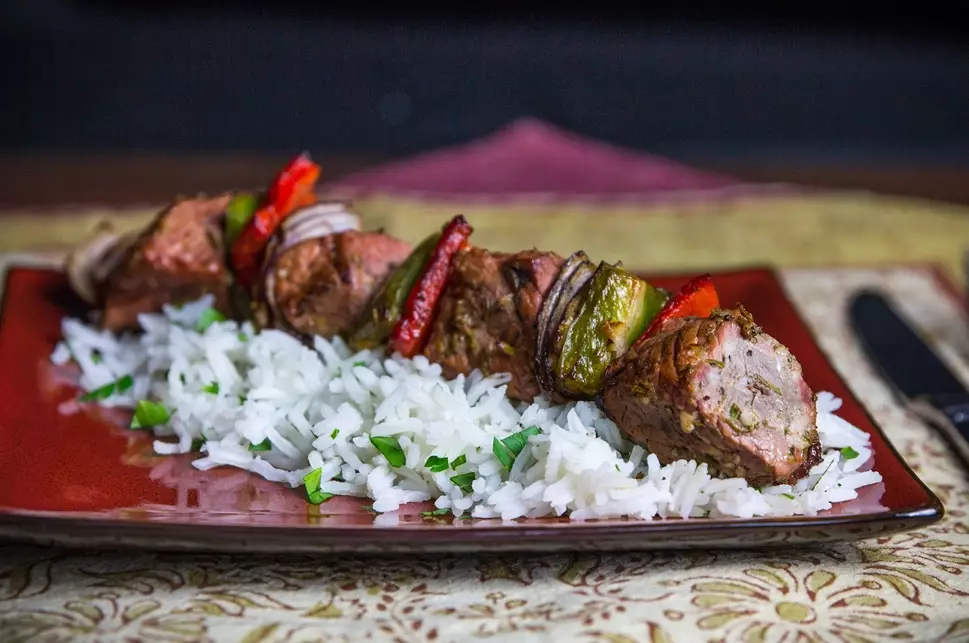
A little intramuscular fat (marbling) is your friend. It bastes the meat from the inside as it cooks. I aim for meat with visible white streaks running through it. Don't get the completely lean stuff. You'll trim off large chunks of hard fat later, but that marbling is gold.
Secret 2: How You Cut The Meat Matters More Than You Think
This is a subtle error most home cooks make. They cube the meat against the grain because it's easier. Wrong.
You must cut the meat with the grain into long strips, then cut those strips against the grain into cubes. Let me explain why. Meat fibers are like bundles of straw. If you cut a cube with the grain, each bite contains long, tough fibers you have to chew through. Cutting against the grain shortens those fibers dramatically. When you bite into a kebab cut this way, your teeth sever the already-short fibers effortlessly. That's the texture difference between "chewy" and "tender."
Take your time here. A sharp knife and 5 extra minutes of prep make a world of difference.
Secret 3: The Marinade is Science, Not Just Flavor
A good marinade does three things: adds flavor, introduces moisture, and can help tenderize. Most recipes only do the first one. Let's fix that.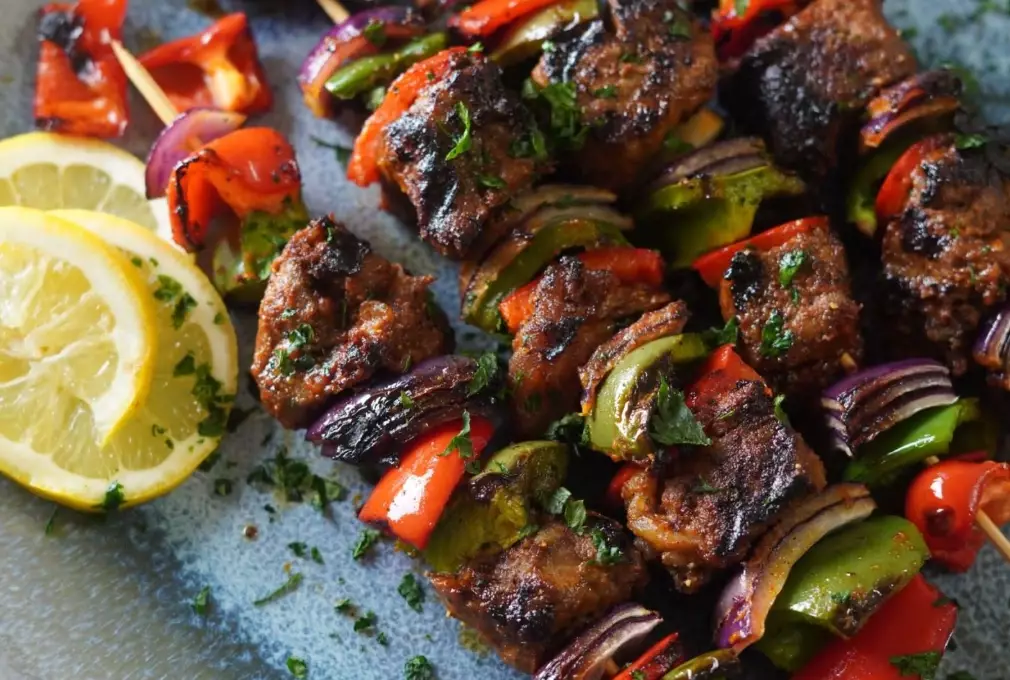
The Acid Question: Yogurt, lemon juice, vinegar. They're popular for a reason. Mild acids in yogurt (lactic acid) and dairy enzymes can gently break down proteins without making the surface mushy. It's my top choice for lamb or chicken. For a sharper tang, a little lemon juice works, but don't overdo it or marinate for too long (30 mins to 2 hours max for strong acids). Overnight in lemon juice will give you a chalky, cured texture on the outside—not good.
The Enzyme Angle: This is a pro trick. Ingredients like grated onion, kiwi, papaya, or pineapple contain natural enzymes (bromelain, papain) that are powerful tenderizers. A tablespoon of grated onion in your marinade works wonders. But be careful—too much or too long, and your meat turns to mush. 30 minutes is often enough for these.
The Salt Soak (Brine): For poultry, a simple saltwater brine (1 tbsp kosher salt per cup of water) for 1-2 hours before marinating plumps the cells with seasoned water, guaranteeing juiciness. It's a game-changer for chicken kebabs.
A Personal Story: I once followed a famous recipe that called for marinating beef in straight vinegar for 4 hours. The result was oddly tough on the outside and bland within. I learned the hard way that acid needs balance—usually with oil and aromatics—and time limits.
Secret 4: Skewering & Cooking with Finesse
You've prepped perfectly. Now don't ruin it on the grill.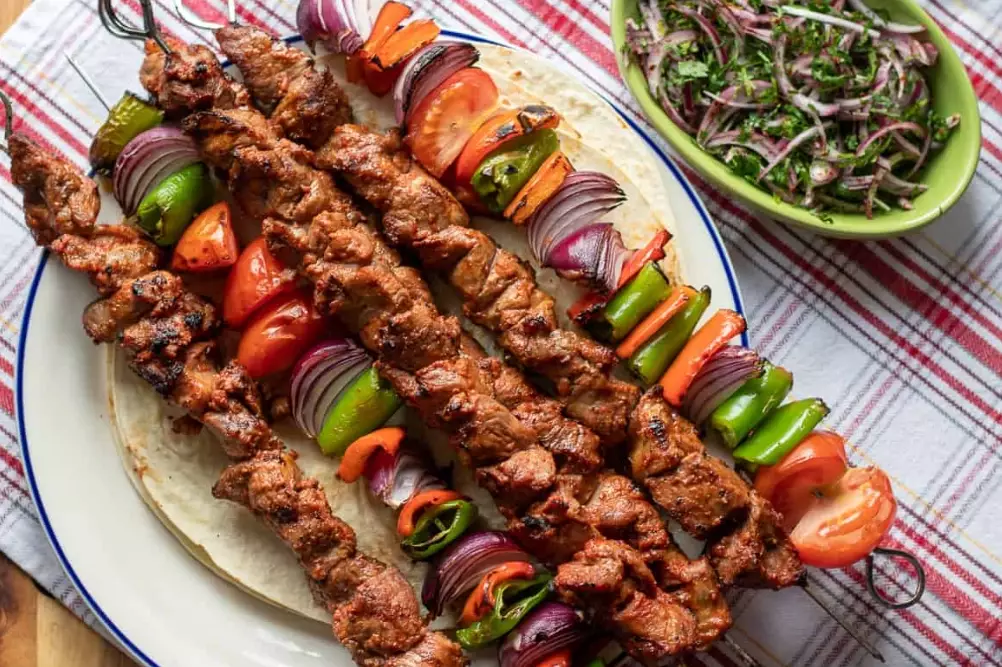
Skewering: Soak wooden skewers for at least 30 minutes. Don't pack the meat too tightly. Leave a tiny gap between cubes so heat can circulate and cook the sides evenly. If the pieces are squeezed together, they'll steam instead of sear.
Grill Temperature: This is critical. Your grill must be scorching hot. You want a fierce sear to lock in juices. If the grill is too cool, the meat will sweat out all its moisture before it browns. Aim for a temperature where oil flicked onto the grates immediately smokes.
The Flip: Don't play with your food. Place the skewers on the grill and leave them alone for 3-4 minutes to get a proper sear. Then flip once. Maybe one more turn if needed. Constant flipping prevents good caramelization and can make the meat stick.
Doneness: For red meat, aim for medium (135-140°F internal). It will carry over to medium-rare/medium as it rests. Chicken must hit 165°F. The best investment you can make? A good instant-read thermometer. It takes the guesswork out and prevents overcooking. According to food safety guidelines from sources like the USDA, these are the safe minimum internal temperatures.
Secret 5: The Final Acts - Resting & Saucing
You're tempted to eat straight off the grill. Resist.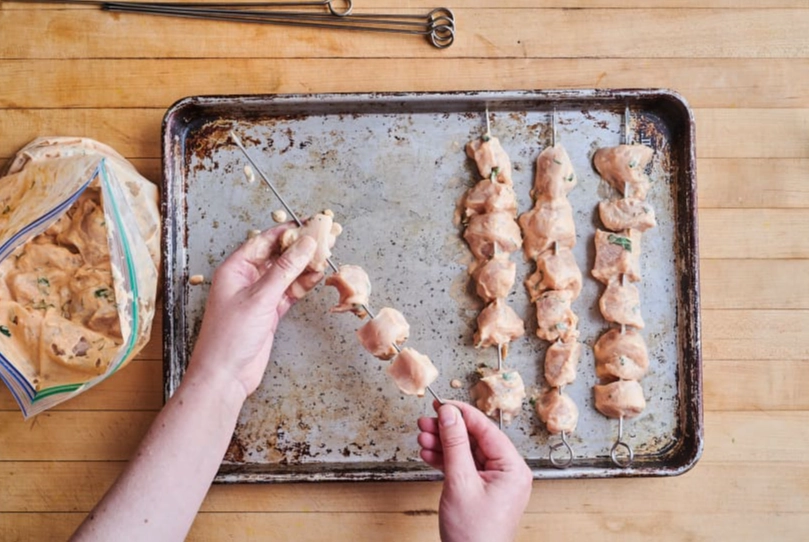
Let the skewers rest on a plate, loosely tented with foil, for 5-7 minutes. This allows the juices, which have rushed to the surface during cooking, to redistribute evenly throughout the meat. If you cut immediately, those juices end up on your plate, not in your kebab.
The sauce or garnish is the final layer of moisture and flavor. A simple garlic-yogurt sauce (cacık or tzatziki), a drizzle of chili oil, or a sprinkle of fresh herbs and sumac adds back the surface moisture lost to the grill and elevates everything.
A Real-World Spot Check: How The Pros Do It
Let's apply this to a real scenario. Say you're in London and want to try a benchmark. Head to Mangal 1 in Dalston (10 Arcola Street, E8 2DJ). Their lamb shish is legendary. The meat is consistently tender, with a smoky char. You'll pay around £14-£18 for a full plate. Why is it good? They use quality lamb, cut properly, marinated in a seasoned yogurt mix, and cooked in a furious charcoal oven (ocakbaşı). The heat is intense and direct.
Or, for a DIY comparison, try the pre-marinated packs from a proper Turkish butcher like Hazev in Green Lanes. Their Adana kebab mix, when cooked hot and fast, comes shockingly close to restaurant quality because they've already nailed the meat selection, fat ratio, and seasoning.
Your Kebab Questions, Answered
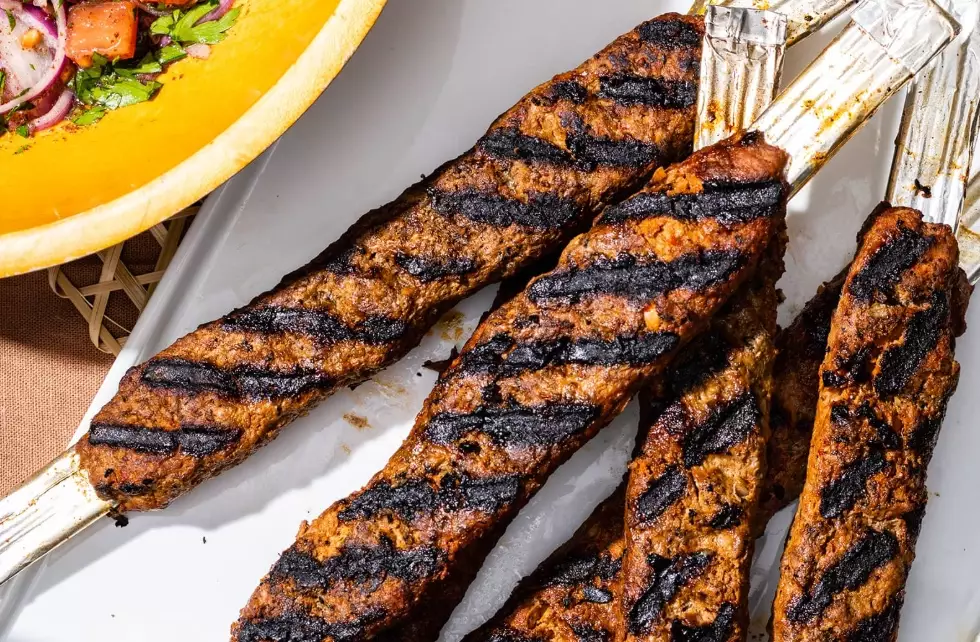 So, what is the secret to tender kebabs? It's a system. It's choosing fatty, flavorful cuts. It's cutting meticulously against the grain. It's using a smart marinade that tenderizes without breaking down. It's the confidence to cook on a raging hot grill and the patience to let the meat rest. Skip a step, and you'll know. Follow them all, and you've just unlocked the kind of food that makes people ask for your secret. The real secret is that there is no single secret—it's a chain of seven, and now you know every link.
Discussion