Let's get straight to the point. A great samosa isn't just about the spiced potato filling. The real magic, and where most home cooks stumble, is in the dough. That flaky, crispy, golden-brown shell that shatters when you bite into it—that's the hallmark of an authentic samosa. I learned this the hard way after my first batch turned out tough and chewy. After years of trial, error, and learning from family recipes, I've nailed down a method that works every single time. This guide will walk you through the entire process, focusing on the details most recipes gloss over.
Your Samosa-Making Roadmap
What You'll Need: The Ingredient Breakdown
Using the right ingredients in the right proportions is half the battle. Don't just eyeball it, especially with the flour and fat.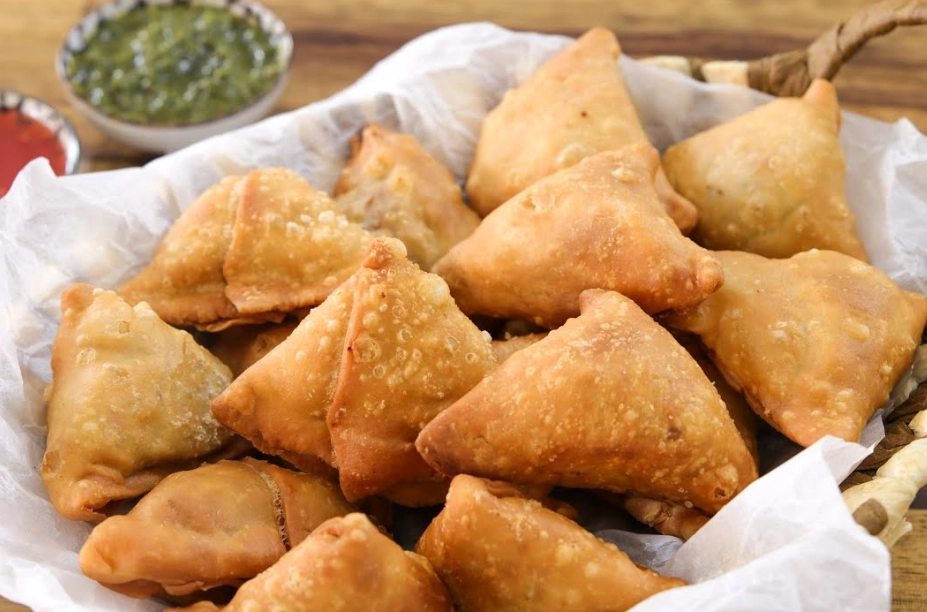
| Ingredient | For Dough (Makes 12-14) | For Filling | Purpose & Note |
|---|---|---|---|
| All-Purpose Flour (Maida) | 2 cups (250g) | - | Provides structure. Don't substitute with whole wheat for the classic texture. |
| Ghee or Cold Oil | 1/4 cup (55g) Ghee + 2 tbsp oil | 2 tbsp | Ghee is traditional for flavor. Cold, solid fat is key for flakiness. |
| Carom Seeds (Ajwain) | 1 tsp | - | Non-negotiable for authentic digestibility and flavor. Find it in Indian stores. |
| Potatoes | - | 3 medium, boiled | Use starchy potatoes like Russet. Boil in skin, then peel and crumble. |
| Green Peas | - | 1/2 cup (fresh or frozen) | Adds sweetness and texture. Thaw frozen peas before use. |
| Whole Spices | - | Cumin seeds, fennel, etc. | Toasted and ground fresh. This is where the flavor depth comes from. |
| Oil for Frying | Enough for deep frying | - | Use a neutral oil with a high smoke point like sunflower or peanut oil. |
See that note on carom seeds (ajwain)? Most Western recipes omit it or say it's optional. It's not. It gives the dough its characteristic aroma and, in Ayurveda, is believed to aid digestion of fried foods. If you can't find it, the samosa will still be good, but it won't taste quite right to an Indian palate.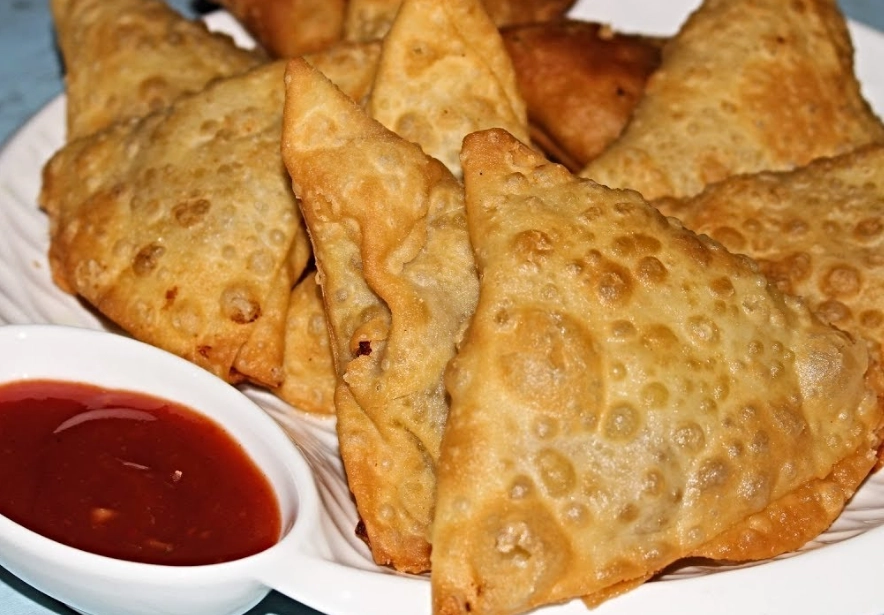
The Dough: Secrets to Flaky Layers
This is the heart of the operation. The goal is a stiff, pliable dough that's not soft like bread dough.
Start by mixing the flour, salt, and carom seeds in a large bowl. Now, add the solid ghee (or cold oil). Use your fingertips to rub the fat into the flour. You're not making a paste. You want the mixture to resemble coarse breadcrumbs, with some pea-sized lumps of fat remaining. Those lumps will melt during frying, creating steam pockets—that's what gives you flaky layers.
Now, add water. But not all at once. Add about 1/4 cup of ice-cold water and start bringing the dough together. You'll likely need another 2-3 tablespoons. The dough should be stiff, not sticky or soft. Knead it for just 3-4 minutes until it's smooth. Over-kneading develops too much gluten, leading to a tough shell.
Cover the dough with a damp cloth and let it rest for at least 30 minutes. This relaxes the gluten, making it much easier to roll out thinly without springing back. Don't skip this.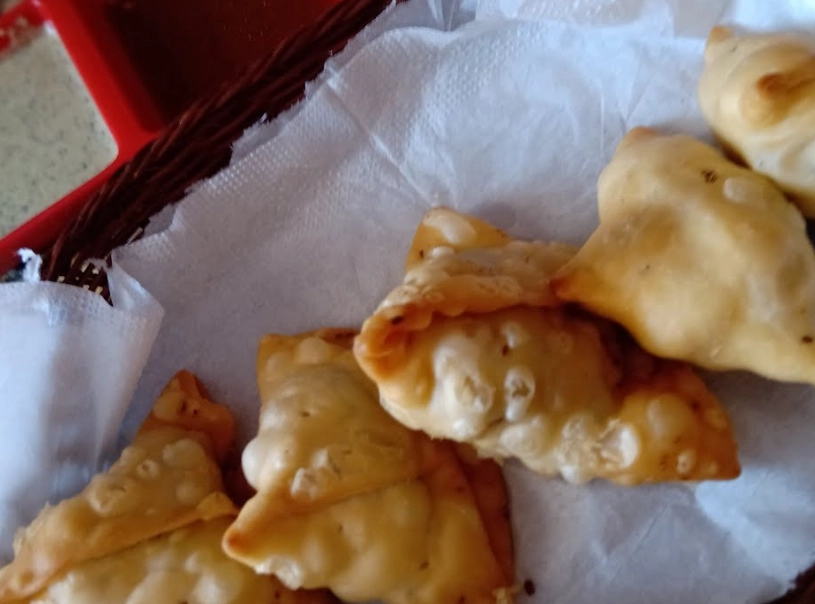
Crafting the Spiced Potato Filling
While the dough rests, make the filling. The secret here is in the texture and the sequencing of adding spices.
Heat oil in a pan. Add whole cumin seeds and let them crackle. Then add finely chopped ginger, green chilies, and maybe a pinch of asafoetida (hing) if you have it. Next, add your powdered spices—coriander, cumin, amchur (dry mango powder), red chili powder, and garam masala. Fry them in the oil for just 20 seconds. This "blooms" the spices, unlocking their full flavor and removing any raw taste.
Now add the crumbled boiled potatoes and green peas. The potatoes should be in small chunks, not mashed into a paste. Mix everything thoroughly, crushing some potatoes slightly to help the mixture bind. Add fresh cilantro, salt, and a squeeze of lemon juice. Let the filling cool completely before you start stuffing. A warm filling will make the dough soggy and difficult to seal.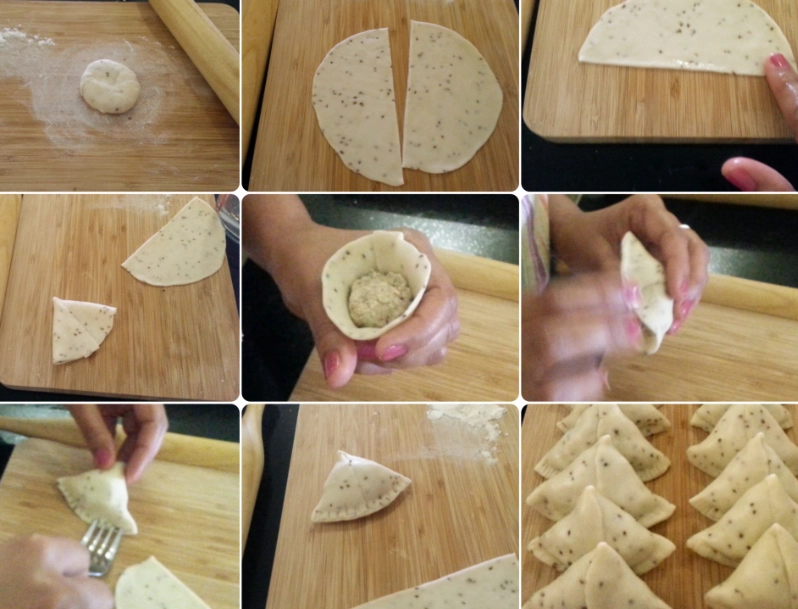
Shaping and Folding the Samosas
This part seems intimidating, but it's just a series of simple folds. Divide the rested dough into 6 equal balls.
- Roll one ball into a 6-7 inch oval, about 2mm thick. Don't roll it too thin, or it might tear during frying.
- Cut the oval in half, giving you two semi-circles.
- Take one semi-circle. With the straight cut side facing you, moisten the edge with a little water.
- Fold it into a cone shape, overlapping the moistened edges and pressing to seal. You now have a little cone.
- Fill the cone about 3/4 full with the cooled potato mixture. Don't overstuff.
- Moisten the top open edges of the cone and pinch them together to seal the samosa completely. Press firmly.
That's it. The classic triangular shape will form naturally. Place the shaped samosas on a tray and cover them with a cloth while you finish the rest. If the dough starts to dry out, it will crack when you fry it.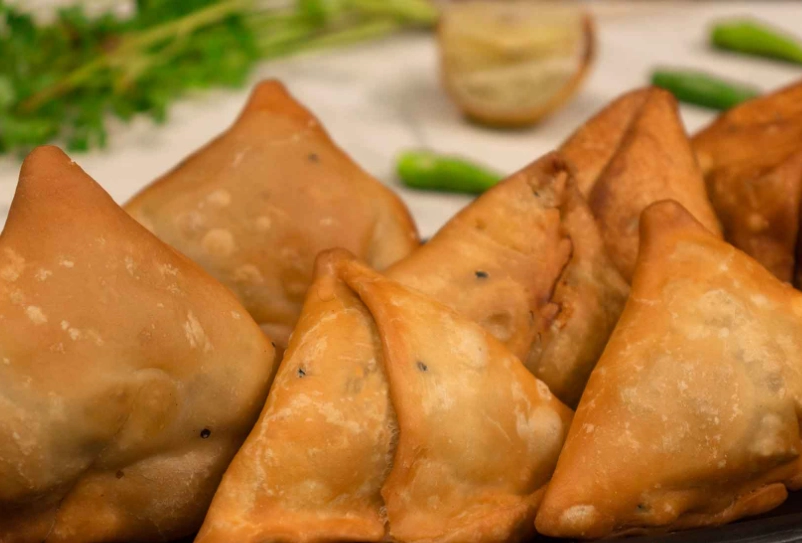
Frying for Perfect Crispness
Deep frying is the traditional method for that iconic crispness. Use a wide, heavy-bottomed pan and enough oil so the samosas can float.
Heat the oil to 325-340°F (160-170°C). This is medium heat, not screaming hot. If the oil is too hot, the outside will brown before the inside cooks, leaving you with a raw dough layer. Too cool, and the samosas will absorb too much oil and become greasy.
Gently slide in 3-4 samosas at a time, depending on the size of your pan. Don't crowd them. They will sink initially, then float to the top. Fry them for 12-15 minutes, turning occasionally, until they are a consistent golden brown all over. The slow frying ensures the shell cooks through and becomes crisp.
Drain them on a wire rack, not paper towels. Paper towels trap steam and can make the bottom soggy.
Pro Tips & Common Mistakes to Avoid
Here are a few things I've learned that most recipes don't tell you.
The Dough Texture Test: After kneading, press your finger into the dough. The indentation should spring back slowly, not immediately. If it doesn't spring back at all, it's too soft. Add a little more flour.
Sealing is Critical: Any tiny gap in the seal will open up like a flower during frying, spilling the filling into your oil. Make sure those edges are firmly pressed together.
Frying in Batches: When you add samosas to the oil, the temperature drops. Let the oil come back up to temperature before adding the next batch. A kitchen thermometer is your best friend here.
Reheating Leftovers: Never microwave a samosa. It turns the shell into leather. Reheat them in an oven or air fryer at 350°F for 5-7 minutes to restore the crispness.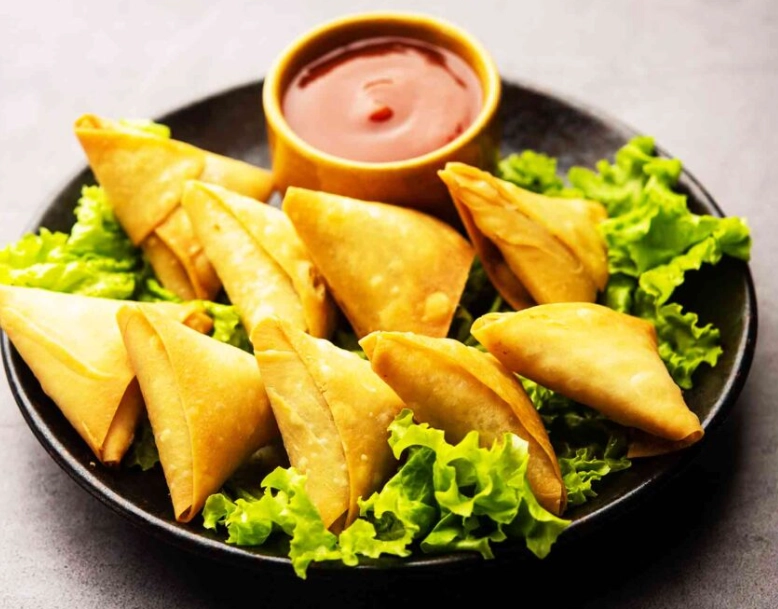
Discussion