Jump Straight to What You Need
I still remember my first attempt at South Indian biryani. The rice turned into a gluey mess, and the spices felt overpowering. It was a disaster, but it taught me that these dishes aren't just about throwing ingredients together—they're about technique, timing, and a bit of patience. Over the years, cooking in my Chennai kitchen, I've learned the nuances that make South Indian rice recipes shine. Whether you're a beginner or looking to refine your skills, this guide dives deep into authentic recipes, from festive biryani to simple lemon rice, with tips you won't find in most cookbooks.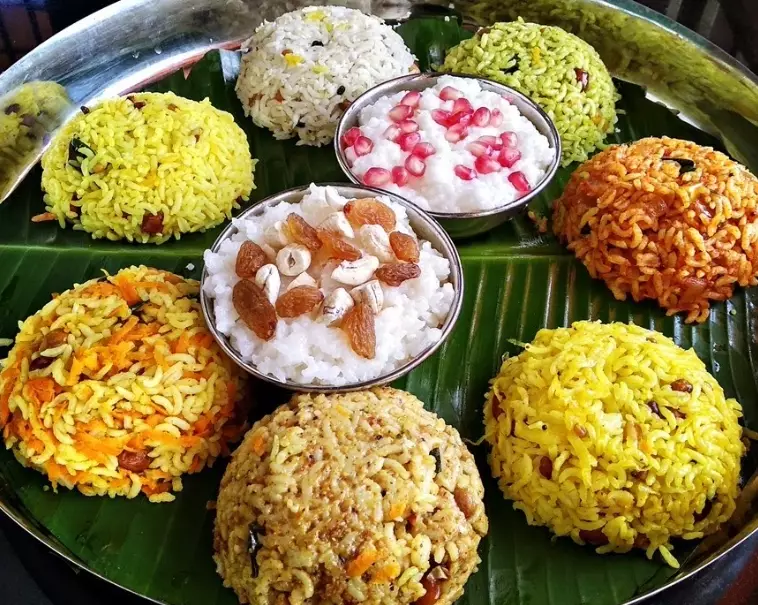
South Indian cuisine revolves around rice as a staple, but it's far from boring. Each state—Tamil Nadu, Kerala, Karnataka, Andhra Pradesh—adds its twist, using local spices, lentils, and vegetables. The beauty lies in how a handful of ingredients can transform plain rice into something aromatic and satisfying. Let's get started.
The Foundation: Understanding South Indian Rice Dishes
Before you heat the pan, know this: the rice matters. Most recipes call for aged basmati or sona masoori rice—they stay fluffy and absorb flavors well. But here's a tip many miss: the rice's age affects texture. Older basmati grains elongate more and stay separate, while newer rice can be stickier. If you're in a pinch, long-grain white rice works, but adjust cooking times.
Key Ingredients You Can't Skip
South Indian cooking relies on a few pantry staples. Mustard seeds, curry leaves, dried red chilies, and asafoetida (hing) form the base for tempering, called tadka. Fresh ginger, garlic, and green chilies add heat, while coconut—grated or milk—brings creaminess. For authenticity, source ingredients from Indian grocery stores or online retailers like Patel Brothers. I've found that stale curry leaves lose their aroma; freeze them if you buy in bulk.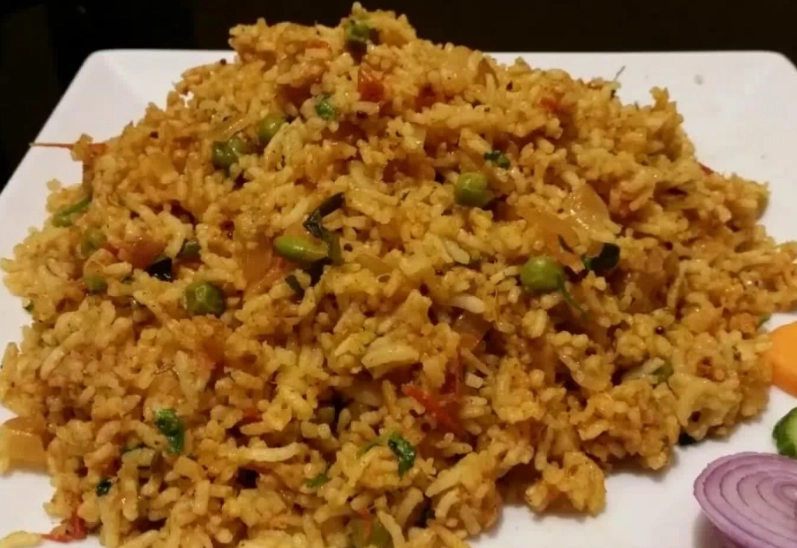
The Role of Spices: Less Is More
Newcomers often dump spice mixes, thinking more equals better flavor. Wrong. South Indian rice dishes balance heat, sourness, and fragrance. For example, lemon rice needs just mustard seeds, turmeric, and curry leaves—overcomplicate it, and you'll mask the citrus. Refer to resources like the book "The Essential South Indian Cookbook" for ratios, but trust your taste buds. Start with half the chili, taste, then adjust.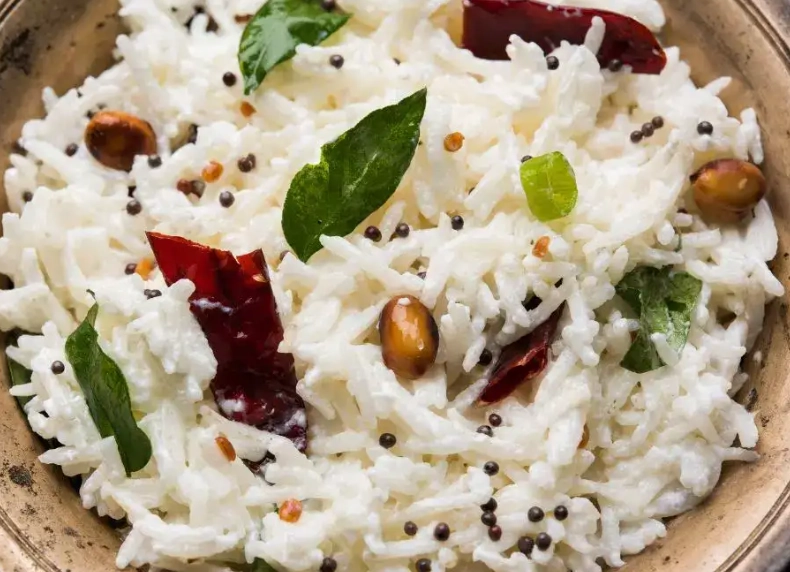
How to Make Classic South Indian Biryani (Vegetarian Version)
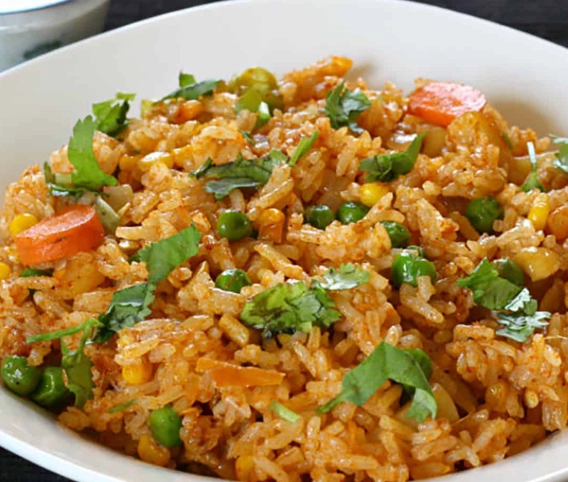
Biryani is the crown jewel, but it intimidates many. The secret? Layering. Unlike North Indian versions, South Indian biryani often uses shorter-grain rice and more coconut. This recipe serves four and takes about an hour, but most is hands-off time.
Ingredients:
- 2 cups basmati rice, rinsed and soaked for 30 minutes
- 1 cup mixed vegetables (carrots, beans, peas)
- 1 large onion, thinly sliced
- 1/2 cup plain yogurt
- 2 tbsp ghee or coconut oil
- Whole spices: 1 cinnamon stick, 3 cardamom pods, 2 cloves
- Ground spices: 1 tsp turmeric, 1 tsp red chili powder, 1 tbsp biryani masala (I prefer Everest brand)
- Salt to taste
- Fresh coriander for garnish
Step-by-Step Process:
1. Cook the rice: Boil 4 cups of water with a pinch of salt. Add drained rice and cook for 8-10 minutes until al dente. Drain and set aside. Don't overcook—it'll steam later.
2. Sauté the vegetables: Heat ghee in a heavy-bottomed pot. Add whole spices, let them sizzle for 20 seconds, then add onions. Fry until golden brown, about 8 minutes. Add vegetables and ground spices, cook for 5 minutes.
3. Layer and steam: Spread half the rice over the vegetables. Mix yogurt with a tablespoon of water and drizzle over. Top with remaining rice. Cover with a tight lid and cook on low heat for 15 minutes. Turn off the heat and let it rest for 10 minutes—no peeking! This resting time is crucial; it lets flavors meld and rice firm up.
4. Serve: Fluff gently with a fork, garnish with coriander. Pair with raita or pickle.
I once skipped the resting step, and the rice was soggy. Lesson learned: patience pays. For a richer version, add fried paneer or boiled eggs.
Easy Lemon Rice Recipe for Busy Weeknights
When time's tight, lemon rice saves the day. It's tangy, bright, and ready in 20 minutes. Perfect for lunchboxes or a quick dinner.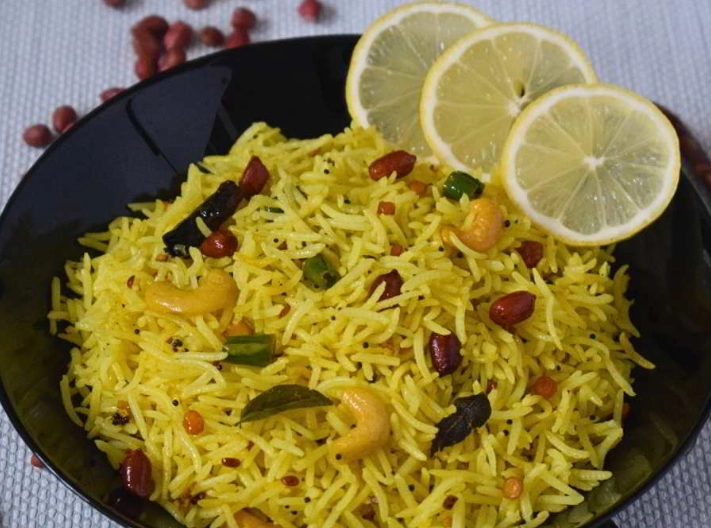
Ingredients:
- 2 cups cooked rice (preferably leftover, cooled)
- Juice of 2 lemons
- 1 tsp mustard seeds
- 1 tsp urad dal (split black gram)
- 2 dried red chilies
- 10 curry leaves
- 1/2 tsp turmeric powder
- 2 tbsp peanuts
- Salt to taste
- 2 tbsp oil
Steps:
Heat oil in a pan. Add mustard seeds—wait until they pop. Then add urad dal, red chilies, curry leaves, and peanuts. Fry until dal turns golden. Stir in turmeric and salt quickly to avoid burning. Add cooked rice, mix well on low heat. Turn off heat, pour lemon juice, and toss. Serve warm or cold.
The trick here is adding lemon juice off the heat. Heat can make it bitter. I've seen cooks add it early, and the dish loses its zing. Also, use day-old rice; fresh rice can get mushy when mixed.
Tomato Rice and Curd Rice: Comfort Food Staples
These are simpler but packed with flavor. Tomato rice is tangy and spicy, while curd rice is cooling—ideal for summer.
Tomato Rice in 25 Minutes
Cook 1 cup rice separately. In another pan, sauté 1 chopped onion, 2 chopped tomatoes, 1 tsp ginger-garlic paste. Add 1 tsp sambar powder (or a mix of coriander and chili powder), salt. Cook until tomatoes break down. Mix with rice, garnish with coriander. Add a teaspoon of sugar to balance acidity if tomatoes are too tart.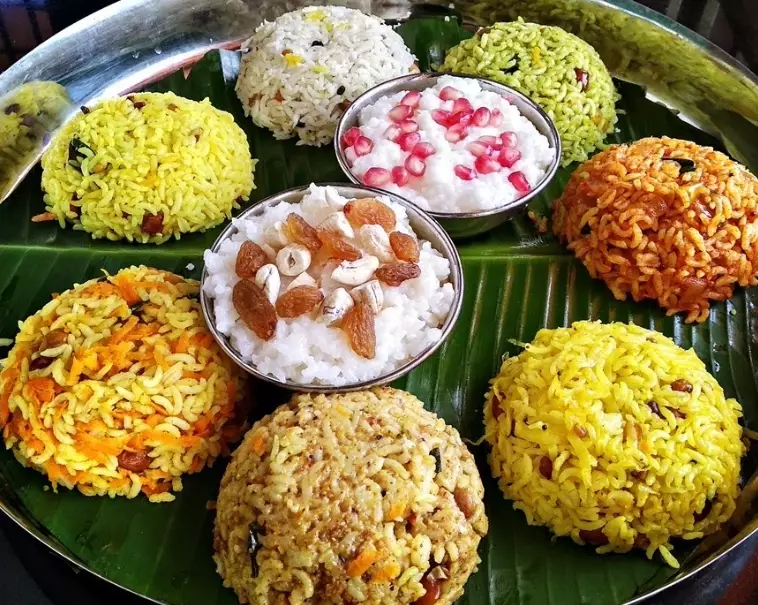
Curd Rice: The Ultimate Comfort
Mash 2 cups cooked rice with 1 cup plain yogurt. Temper mustard seeds, curry leaves, and a pinch of asafoetida in ghee, then mix into rice. Add grated cucumber or pomegranate seeds for crunch. Chill for an hour before serving. It's a lifesaver on hot days—creamy and soothing.
Both dishes are forgiving. If tomato rice gets dry, splash in some water. For curd rice, use full-fat yogurt for creaminess; low-fat can make it watery.
Common Pitfalls and How to Avoid Them
Over the years, I've compiled a list of errors that ruin South Indian rice dishes. Avoid these, and you're halfway to perfection.
| Mistake | Why It Happens | Fix |
|---|---|---|
| Mushy rice | Overcooking or using too much water | Measure water accurately (1:2 rice-to-water ratio for basmati). Cook until grains are separate but firm. |
| Bland flavors | Undertoasting spices | Toast spices in oil until fragrant, about 30-45 seconds. Don't rush this step. |
| Burnt bottom | High heat during steaming | Use low heat and a heavy-bottomed pot. Add a tablespoon of water at the bottom before layering. |
| Sour curd rice | Using sour yogurt | Use fresh, mild yogurt. If it's tangy, add a pinch of sugar. |
Another subtle error: not washing rice enough. Starch causes clumping. Rinse until water runs clear—it takes 3-4 washes. I learned this from a chef in Madurai, and it changed my game.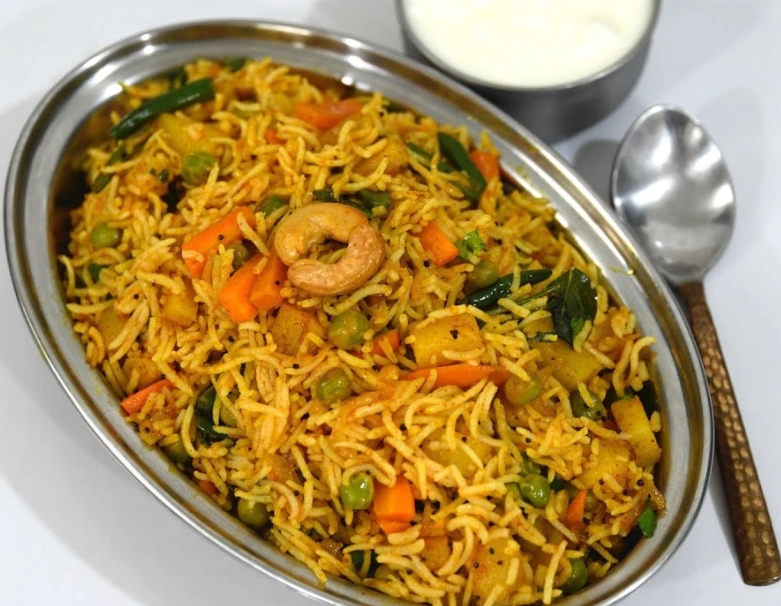
FAQ: Your South Indian Rice Questions Answered
South Indian rice recipes are more than food—they're a celebration of textures and aromas. Whether you're cooking for a crowd or a quiet meal, these dishes adapt. Experiment with local vegetables, adjust spice levels, and make them your own. The journey from my gluey biryani to fluffy grains taught me that cooking is about learning, not perfection. So grab that pot, and let the aromas fill your kitchen.
Discussion