Getting butter chicken right boils down to the ingredients. Skip one, or use a poor substitute, and the whole dish falls flat. I've spent a decade tweaking recipes, and let me tell you, the difference between good and great butter chicken is in the details most blogs gloss over.
What You'll Find in This Guide
The Core Ingredients of Butter Chicken: A Detailed Breakdown
Butter chicken isn't just chicken in a tomato sauce. It's a symphony of ingredients layered over hours. Forget the shortcuts; here's what actually goes in.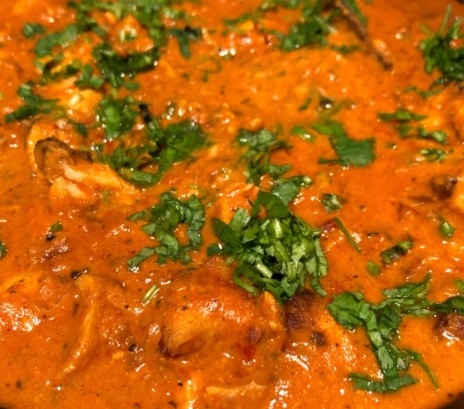
Chicken and Marination Ingredients
The chicken needs to be tender and flavorful. Most recipes call for boneless pieces, but I prefer bone-in thighs for more juice. The marinade is non-negotiable: hung curd (not regular yogurt), ginger-garlic paste, Kashmiri red chili powder, turmeric, and a bit of oil. Hung curd is thicker—it clings to the chicken better. If you use watery yogurt, the marinade slides off during cooking.
Gravy Base Ingredients
This is where magic happens. You need tomatoes, butter, cream, and a blend of spices. Tomatoes should be ripe and pulpy; canned tomatoes work in a pinch, but fresh ones give a brighter taste. Butter? Use unsalted. Cream is full-fat or nothing. I've seen people use low-fat cream, and the gravy turns thin and sad.
Spices and Aromatics
Garlic, ginger, green chilies for heat, and whole spices like cardamom, cloves, and cinnamon. Ground spices include coriander, cumin, and garam masala. Kashmiri red chili powder isn't just for color; it has a mild heat that doesn't overpower. Many home cooks use regular chili powder and end up with a fiery mess.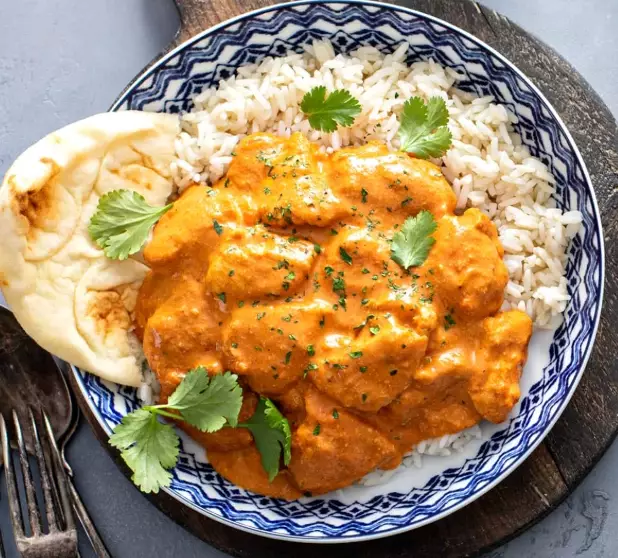
| Ingredient | Role in Butter Chicken | Pro Tip |
|---|---|---|
| Hung Curd | Tenderizes chicken and adds tang | Strain yogurt for 2 hours to get thick curd |
| Kashmiri Red Chili Powder | Provides vibrant color and mild heat | Toast lightly before use to enhance flavor |
| Tomatoes | Forms the gravy base | Use Roma tomatoes for less water content |
| Butter | Adds richness and smooth texture | Use unsalted butter to control salt levels |
| Garam Masala | Finishing spice for aroma | Add at the end of cooking to preserve flavor |
I learned this the hard way: once, I added garam masala too early, and the dish tasted bitter. Spices have oils that evaporate if cooked too long.
How to Select the Best Ingredients for Authentic Flavor
Choosing ingredients isn't about grabbing whatever's on sale. It's about knowing what works. Let's break it down.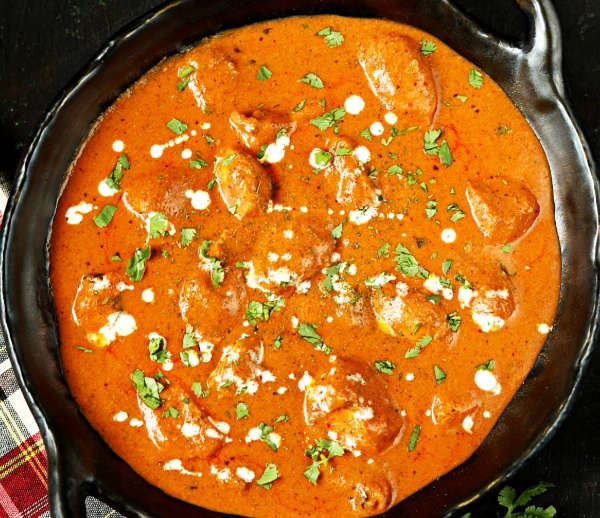
For chicken, go for organic or free-range if possible. It has better texture. Marination time matters—overnight is ideal, but at least 4 hours. If you're short on time, add a tablespoon of raw papaya paste to speed up tenderizing.
Tomatoes: ripe and red. If they're pale, the gravy will lack depth. Some chefs swear by using tomato puree from the Indian Food Association's recommended varieties, but I find local ripe tomatoes do the job.
Spices should be fresh. Ground spices lose potency in months. Buy whole spices and grind them yourself. It's a game-changer. I keep a small coffee grinder just for spices.
Cream and butter—don't skimp. Full-fat dairy gives that luxurious mouthfeel. I tried using coconut cream once for a vegan version, and while it worked, it altered the taste significantly.
Personal Anecdote: My first butter chicken was a disaster. I used cheap chili powder and the gravy turned orange and too spicy. A friend from Delhi pointed out that Kashmiri chili is key. She brought me some from her trip, and the difference was night and day. Now, I always stock up.
Common Mistakes and Pro Tips from a 10-Year Curry Enthusiast
Everyone makes mistakes, but some can ruin the dish. Here are the subtle ones most guides miss.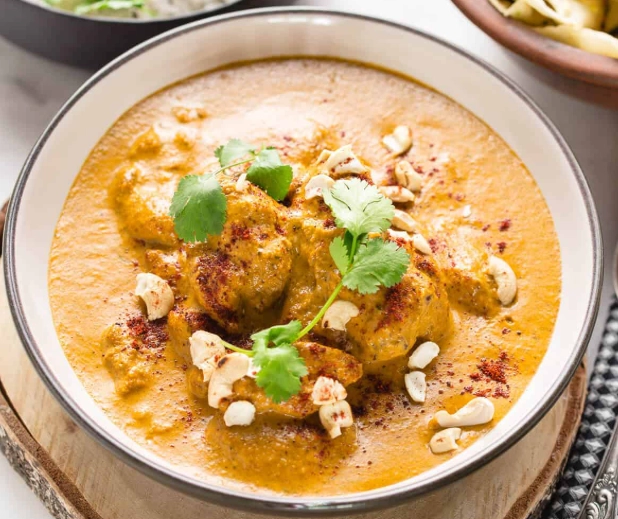
Overcooking the tomatoes: Cook them until the oil separates. This takes time—15-20 minutes on low heat. Rush it, and the gravy tastes raw and acidic.
Using cold cream: Add cream at room temperature. Cold cream can cause the gravy to split. If it does split, whisk in a tablespoon of hot water to bring it back.
Skimping on butter: Butter chicken is rich. Use enough butter to sauté the spices properly. I've seen recipes cut butter to make it healthier, but then it's just chicken in tomato sauce.
Not toasting spices: Whole spices like cumin and coriander seeds should be toasted before grinding. It releases essential oils. Skip this, and your spice blend tastes flat.
Another thing: marination salt. Add salt to the marinade, but not too much. Salt draws out moisture, so if you overdo it, the chicken can become dry after cooking.
I once served butter chicken at a dinner party, and a guest asked why mine tasted better than hers. Turns out, she was using pre-ground spices that had been sitting for a year. Freshness matters.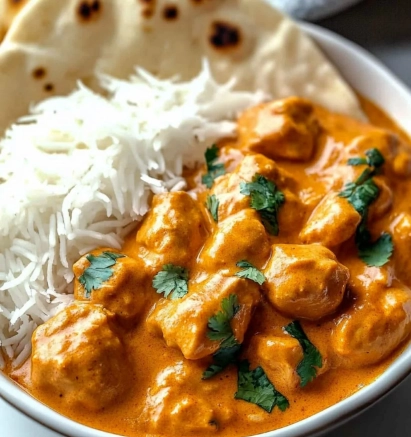
Step-by-Step Guide to Making Butter Chicken at Home
Let's walk through the process, focusing on ingredient handling. This isn't just a recipe; it's a method.
Step 1: Marinate the chicken. Mix hung curd, ginger-garlic paste, chili powder, turmeric, and salt. Coat chicken pieces and refrigerate for 4-24 hours. Longer is better.
Step 2: Cook the chicken. You can grill, bake, or pan-fry. I prefer grilling for a smoky flavor. Don't overcook—it should be juicy inside.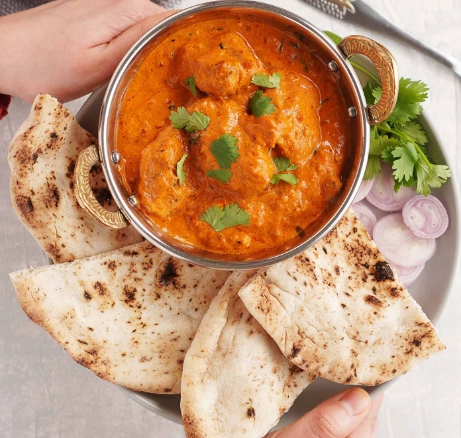
Step 3: Make the gravy. Sauté whole spices in butter, add chopped tomatoes, and cook until mushy. Blend into a smooth paste. Then, add ground spices and cooked chicken.
Step 4: Finish with cream and butter. Stir in cream gently, then add a dollop of butter at the end. Sprinkle garam masala and kasuri methi (dried fenugreek leaves).
Timing is crucial. If you add cream too early, it can curdle. Keep the heat low.
For a richer version, some restaurants add cashew paste. I tried it, and it adds creaminess, but it's not traditional. It's a hack if you're out of cream.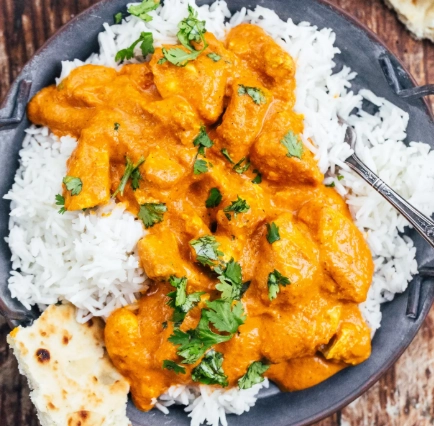
Frequently Asked Questions About Butter Chicken Ingredients
Butter chicken is more than a recipe; it's a craft. Start with quality ingredients, pay attention to details, and don't rush. Your taste buds will thank you.
Discussion