Biryani doesn't have to be intimidating. I used to think it was a weekend project, but after messing up a few pots, I found a way to simplify it into five clear steps. This guide cuts through the noise—no fancy equipment, no marathon cooking. Just a straightforward method that works every time, whether you're using chicken, lamb, or going veg. Let's get straight to it: by following these steps, you'll have a fragrant, layered biryani on your table in about an hour and a half.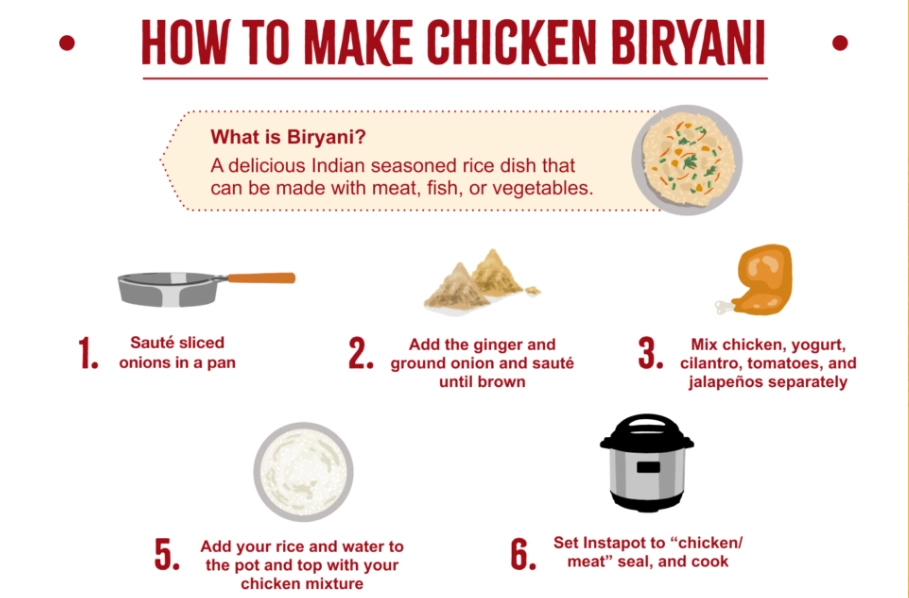
What You'll Find in This Guide
Before we dive in, a quick note. I learned this method from a friend's grandmother in Hyderabad, and it changed my game. The key isn't complexity—it's timing and layering. Most recipes overcomplicate the spice mix, but here, we focus on essentials.
Step 1: Gather Your Ingredients and Spices
Start with quality ingredients. For a standard biryani serving 4-6 people, you'll need:
- Basmati rice: 2 cups. Don't skimp here; aged basmati gives better texture. I once used regular long-grain, and the rice turned mushy.
- Protein: 500g of chicken, lamb, or vegetables like potatoes and carrots. For vegetarians, paneer works great.
- Onions: 3 large, thinly sliced. This is for frying—crispy onions add crunch.
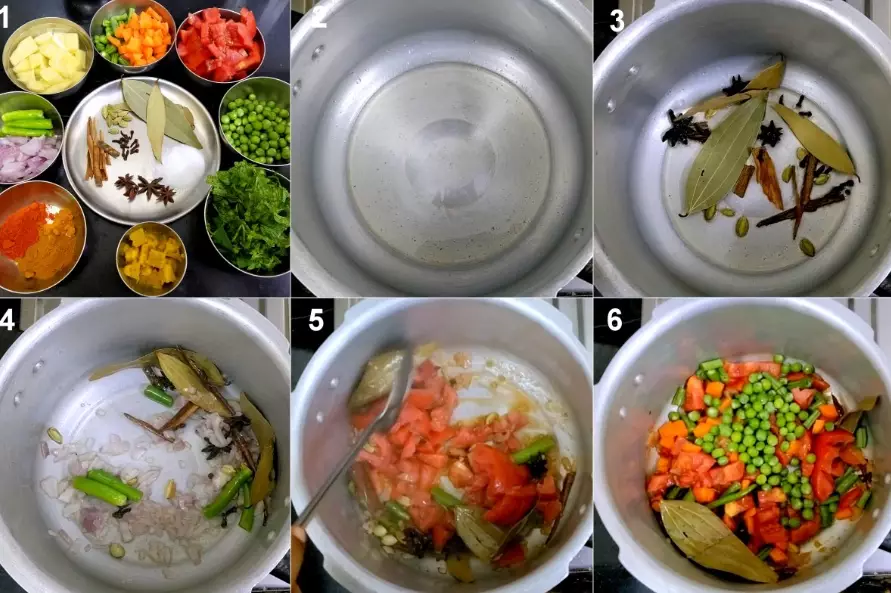
- Yogurt and spices: 1 cup yogurt, plus whole spices (bay leaves, cardamom, cloves) and ground spices (turmeric, red chili powder, garam masala).
Here's a table I rely on for spice proportions. It's based on recommendations from the National Institute of Nutrition, India for balanced flavors, though I've tweaked it over time.
| Spice | Quantity | Purpose | Common Mistake |
|---|---|---|---|
| Cardamom pods | 4-5 | Aroma | Using too many makes it bitter |
| Cinnamon stick | 1 inch | Warmth | Overpowering if broken |
| Turmeric powder | 1 tsp | Color | Adding late—it needs heat to bloom |
| Garam masala | 1.5 tsp | Depth | Using stale powder; grind fresh if possible |
Pro tip: Fry half the onions until golden-brown for garnish. The other half, sauté until soft for the base. This dual approach is something many home cooks miss—it adds layers of flavor without extra work.
Step 2: Marinate the Protein (If Using)
If you're using meat or veggies, marination is non-negotiable. But here's where I differ from most guides: don't marinate for more than 30 minutes if using yogurt. Longer marination, especially with acidic yogurt, can make chicken tough. I learned this the hard way after a rubbery batch.
Mix the protein with yogurt, half the ground spices, ginger-garlic paste, and a tablespoon of oil. For vegetarians, marinate paneer or potatoes similarly. Let it sit while you prep the rice. This step infuses flavor without over-tenderizing.
Expert insight: Many recipes say marinate overnight. For biryani, that's overkill. The dum cooking later does the heavy lifting. A quick marination ensures the protein stays juicy. If you're short on time, even 15 minutes works.
Step 3: Cook the Rice Separately
This is the make-or-break step. Cook the rice 70-80% done. That means the grains should be firm in the center when pressed. If you cook it fully now, it'll turn to mush during layering.
Boil water with salt and whole spices. Add washed basmati rice. Cook for about 5-6 minutes, then drain immediately. Spread it on a tray to stop cooking. A trick I picked up: add a teaspoon of ghee to the boiling water. It prevents sticking and adds richness.
How to Avoid Soggy Rice
Rinse the rice until the water runs clear. But don't over-rinse—you need some surface starch for the layers to hold. I've seen people rinse 10 times, and the biryani falls apart. Three rinses are enough.
Timing matters. Use a timer; distracted cooking leads to overcooked rice. If using an instant pot, reduce water ratio slightly—this is a hot hack for faster results, but traditional pot works fine.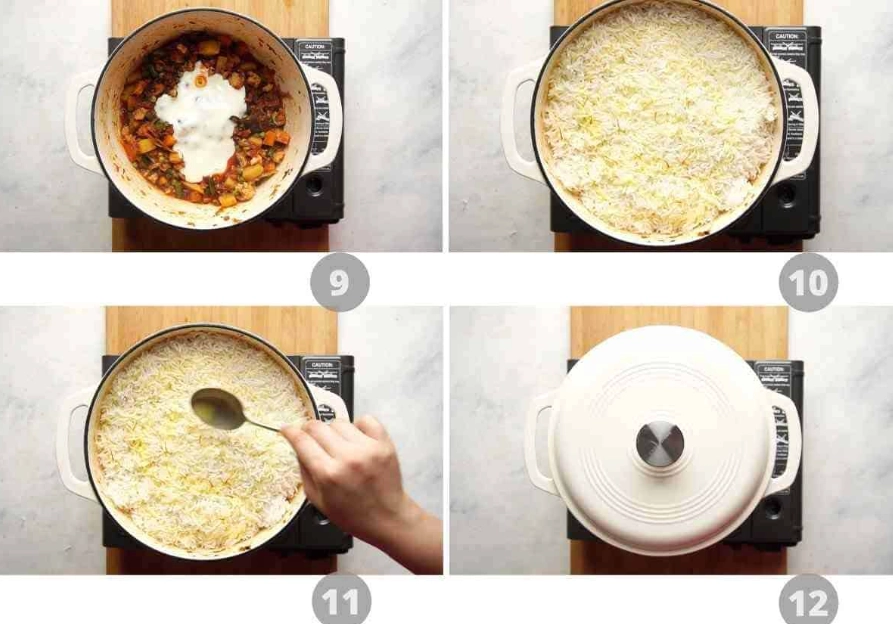
Step 4: Layer and Dum Cook
Dum cooking means slow-steaming. In a heavy-bottomed pot, start with a layer of the sautéed onions and marinated protein. Spread it evenly. Then add a layer of partially cooked rice. Repeat: more protein, more rice. Top with fried onions, saffron milk (if using), and chopped herbs like mint and cilantro.
Seal the pot with a tight lid or dough. Cook on low heat for 20-25 minutes. The steam circulates, blending flavors. Don't peek—that releases steam and ruins the dum. I ruined my first attempt by checking every 5 minutes.
For instant pot users: use the "slow cook" function or manual high pressure for 5 minutes with natural release. It mimics dum well, but the crust might be softer.
Step 5: Rest and Serve
After dum cooking, turn off the heat and let the biryani rest for 10-15 minutes. This allows the layers to set. If you dig in immediately, it'll be watery.
Serve with raita or a simple salad. Use a spoon to scoop from the side, preserving layers. Leftovers taste better the next day—store in an airtight container in the fridge for up to 3 days.
That's it. Five steps, no magic.
Now, let's address some common hiccups. I've had questions from friends who tried this method, so here's a FAQ based on real struggles.
 To wrap up, biryani is about balance. These five steps simplify the process without cutting corners. Experiment with proteins and spices, but stick to the layering principle. If you hit a snag, refer back to the table or FAQ. Happy cooking!
Discussion