Quick Guide
Let's be honest. When you first hear "gluten-free," your mind might jump to dry, crumbly bread and a life of culinary sacrifice. I know mine did. But what if I told you there's a whole world of cuisine that's naturally packed with flavor and, by beautiful coincidence, happens to be a treasure trove of gluten-free options? That's Indian food for you.
I remember trying to navigate a gluten-free diet years ago, feeling utterly lost. Then I stumbled upon an Indian restaurant. The fragrant spices, the creamy curries, the fluffy breads... wait, bread? That's when I started digging. And the revelation was incredible. So many classic gluten-free Indian recipes are built on foundations that never included wheat in the first place.
This isn't about finding lackluster substitutes. It's about rediscovering a tradition that's been doing gluten-free right for centuries. We're talking about food that's vibrant, satisfying, and deeply nourishing. Whether you have celiac disease, a gluten sensitivity, or are just exploring new dietary paths, Indian cuisine can be your best friend in the kitchen.
Why Indian Food is a Gluten-Free Superstar
It all comes down to geography and history. The staple grains of many Indian regions—like rice, millets, and various lentils—are naturally gluten-free. Wheat became more prominent in certain areas (like the North), but the culinary backbone of the subcontinent has always been diverse.
Think about it.
What's the base of a South Indian meal? Steamed rice. What's the star of a Gujarati thali? Maybe dhokla, made from chickpea flour. What thickens a creamy dal? Red lentils. These aren't modern "alternatives"; they're the originals. Exploring gluten-free Indian food is less about restriction and more about connecting with these authentic, ancient ingredients.
The Essential Gluten-Free Indian Pantry
Before we jump into the recipes, let's get your kitchen ready. The good news? You probably have many of these already. The key is knowing which ones are your new best friends.
Your New Best Friend Flours
Forget trying to make a single all-purpose blend. Indian cooking uses specific flours for specific jobs, and that philosophy works perfectly for gluten-free cooking. Here’s a breakdown of the champions:
| Flour (Indian Name) | Made From | Best Used For | Taste & Texture Note |
|---|---|---|---|
| Besan (Gram Flour) | Chickpeas | Pakoras, Kadhi, Cheela, Thickening curries | Nutty, earthy, dense. Binds beautifully. |
| Rice Flour (Chawal ka Atta) | White or Brown Rice | Dosas, Appams, Idiyappam, Dusting for frying | Light, neutral, slightly gritty. Good for crispness. |
| Ragi Flour (Finger Millet) | Ragi Millet | Roti, Porridge, Dosa blends | Dark, malty, highly nutritious. Dense and moist. |
| Jowar Flour (Sorghum) | Jowar Millet | Roti, Bhakri | Mild, sweet, soft texture when fresh. My go-to for roti. |
| Singhare ka Atta (Water Chestnut) | Water Chestnuts | Fasting foods, Pakoras, Thickening | Sweet, starchy. Often used during Hindu fasting periods. |
You don't need them all at once. Start with besan and rice flour. They'll open up a world of gluten-free Indian recipes. Jowar or ragi are fantastic next steps for making flatbreads that don't feel like a compromise.
Spices, Legumes, and Other Staples
The soul of the food. Thankfully, pure spices, lentils (dal), beans, rice, and ghee are all naturally gluten-free. The caution point is with pre-mixed spices or "masala" packets. Some might use wheat flour as an anti-caking agent. Always check the label, or better yet, buy whole spices and grind your own. It's easier than you think and the flavor is incomparable.
Top Gluten-Free Indian Recipes to Master First
Okay, let's get cooking. I'm going to walk you through some foundational dishes. These aren't the fanciest, but they're the ones you'll make again and again. They're satisfying, teach you key techniques, and prove how delicious this way of eating can be.
The Ultimate Comfort Food: A Simple Dal
If you learn one thing, learn to make a good dal (lentil stew). It's the ultimate gluten-free, nutrient-dense comfort food. My favorite for beginners is Masoor Dal (red lentils).
Why it's great: Red lentils cook fast (20-25 minutes) and don't need soaking. They break down into a creamy, soup-like consistency that's easy to love. Serve it with steamed rice or a millet roti.
The basic drill: Rinse 1 cup dal. Boil with 3 cups water and turmeric until mushy. In a separate small pan, heat ghee or oil. Throw in cumin seeds, then chopped garlic, ginger, and a chopped onion. When golden, add chopped tomatoes, chili powder, and coriander powder. Cook it down into a paste, then stir this "tadka" into the cooked dal. Finish with salt and fresh cilantro. That's it. The magic is in the tempering.
Your New Favorite Flatbread: Jowar or Bajra Roti
Yes, you can have bread. Forget trying to replicate a fluffy naan perfectly—that's a project for later. Start with a simple, hearty roti made from millet flour.
Jowar (sorghum) roti is my personal staple. The trick is using hot water to bind the dough. Mix jowar flour with salt, pour in near-boiling water, and mix with a spoon. Once cool enough to handle, knead into a soft dough. No resting needed. Take a ball, pat it between your palms (or roll between parchment paper) into a disc, and cook on a hot, dry skillet until both sides have brown spots. Brush with ghee. It's soft, pliable, and has a wonderful, slightly sweet, whole-grain flavor. It's perfect for scooping up that dal or any vegetable curry.
It might crack on your first try. Don't sweat it.
It still tastes great. The more you make them, the better you get at judging the water temperature and the patting technique. It becomes meditative.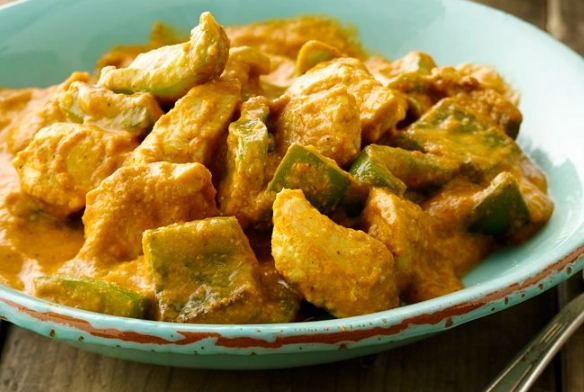
The Crowd-Pleaser: Besan Chilla (Savory Chickpea Pancakes)
This is the ultimate quick, high-protein breakfast or lunch. Think of it as a savory, spiced pancake that's naturally gluten-free. Whisk besan (chickpea flour) with water, salt, turmeric, chili powder, and a pinch of baking soda (for fluff). Stir in finely chopped onions, cilantro, and maybe some grated carrots or spinach.
Pour a ladleful onto a hot, oiled skillet and spread it thin. Cook until the edges lift, flip, and cook the other side. It's that simple. They're golden, slightly crispy on the outside, soft inside, and packed with flavor. Eat with cilantro chutney or even a bit of ketchup. I make these at least twice a week.
Navigating the Menu: What's Safe to Order?
Eating out can be stressful. But at an Indian restaurant, you have more safe options than you might think. Communication is key.
Start with rice-based dishes: Biryani (ensure no hidden dough in the layering), Pulao, or plain steamed rice. Most sabzi (vegetable curries) and dal are safe, but always ask if they use any flour for thickening. Creamy sauces like korma or makhani (butter chicken) sometimes use flour or besan—ask. Besan is gluten-free, but wheat flour is not.
Avoid obviously wheat-based items: Naan, kulcha, paratha, puri, most samosas (the outer pastry is wheat), and batters for pakora that aren't specifically chickpea-based.
Safer bets to inquire about: Tandoori meats/chicken (marinated in yogurt and spices), raita, dhokla (steamed chickpea cake), cheela, and rasam (a peppery soup).
Answering Your Big Questions About Gluten-Free Indian Food
I get a lot of questions from readers trying to make this switch. Here are the most common ones, straight from my inbox.
Is all Indian food gluten-free?
Absolutely not. That's a dangerous misconception. While many dishes are naturally gluten-free, Indian cuisine has a huge repertoire of wheat-based breads and pastries. Dishes like naan, paratha, puri, halwa (often made with semolina, which is wheat), and many fried snacks rely on wheat. The key is knowing which traditions lean on which grains. South Indian and many Western Indian recipes are more likely to be safe, while North Indian cuisine uses more wheat.
What about soy sauce and vinegar in Indian cooking?
Great question. Traditional Indian cooking doesn't use soy sauce—that's more of a fusion or restaurant adaptation. Vinegar is used in some pickles and marinades. Most distilled white vinegar is gluten-free, but malt vinegar (made from barley) is not. Always check pickle labels, as some might contain malt vinegar or wheat-based thickeners.
Can I make gluten-free naan or samosas?
You can, but it's advanced-level gluten-free baking. A good gluten-free naan requires a blend of flours (like rice, tapioca, potato starch) and often xanthan gum to mimic gluten's elasticity. The results can be good, but they're different. For samosas, you can make a pastry with rice flour and butter/ghee, but it's more shortbread-like than flaky. My advice? Master the naturally gluten-free breads like jowar roti or besan chilla first. They'll satisfy the craving without the fuss. For a trusted resource on celiac disease and safe eating practices, the Celiac Disease Foundation is an excellent starting point.
Where can I find reliable gluten-free Indian recipes?
Beyond this article, look for blogs or cookbooks that focus specifically on gluten-free Indian cooking or on traditional recipes from regions that use millets and rice. Many general Indian cookbooks will also label recipes as gluten-free. Websites like Beyond Celiac often have recipe sections and safety tips that are invaluable. When searching, use terms like "naturally gluten-free Indian" or "millet recipes Indian" to find authentic dishes rather than complicated substitutes.
Putting It All Together: A Sample Gluten-Free Indian Meal Plan
Let's make this practical. Here’s what a day of delicious, naturally gluten-free Indian eating could look like. No fancy techniques, just real food.
- Breakfast: Besan Chilla (savory chickpea pancake) with mint-cilantro chutney and a cup of yogurt.
- Lunch: A big bowl of Masoor Dal (red lentil stew) with a couple of fresh Jowar Rotis and a side of cucumber-tomato salad (kachumber).
- Dinner: Chicken (or Paneer) Curry made with onions, tomatoes, and spices (thickened by cooking down, not with flour), served with steamed basmati rice.
- Snack: Roasted chickpeas (chana) with a sprinkle of chaat masala, or a handful of nuts.
See? It's not about deprivation. It's about shifting your focus to the incredible array of grains, lentils, and vegetables that are the true heart of this cuisine. The spices do the heavy lifting, making every meal an explosion of flavor.
The journey into gluten-free Indian recipes is genuinely exciting. It’s less about closing doors and more about opening new ones to flavors and ingredients you might have overlooked. Start with one recipe—maybe the dal or the besan chilla. Get comfortable with it. Then add another. Your kitchen will smell amazing, and you'll realize that eating gluten-free can be one of the most flavorful decisions you've ever made.
And hey, if your first jowar roti looks more like a map of an unknown continent than a perfect circle, just roll with it. Mine did too. Taste, not perfection, is the real goal here. Happy cooking!
Discussion