Quick Navigation
- Before You Even Turn On the Stove: The Indian Kitchen Foundation
- Let's Get Cooking: 3 Can't-Miss Traditional Indian Food Recipes
- Beyond the Classics: A Glimpse into India's Regional Diversity
- The Vegetarian and Vegan Goldmine
- Your Traditional Indian Food Recipes Questions, Answered
- Wrapping It Up: Your Journey Starts Now
Let's be honest. The idea of cooking Indian food at home can feel a bit intimidating, right? All those spices with unfamiliar names, the long lists of ingredients, the fear of ending up with a bland curry or, worse, something that just tastes... wrong. I get it. I've been there. My first attempt at a proper chicken curry was a salty, one-note disaster that my friends politely called "interesting." But here's the secret I wish someone had told me back then: traditional Indian food recipes aren't about magic or mystery. They're about logic, layers, and a handful of core principles that, once you get them, unlock an entire world of flavor you can create in your own kitchen.
This isn't about fancy restaurant-style plating or impossibly complex dishes. This is about the food Indian families actually cook and eat. The kind of food that fills the house with the most incredible aromas and brings everyone to the table. We're going to strip away the intimidation and build your confidence from the ground up, starting with the absolute essentials.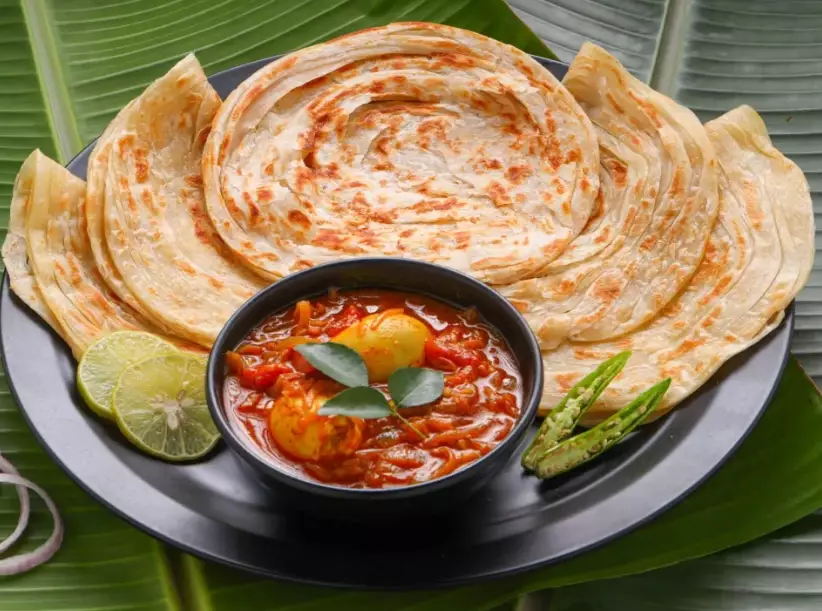
Before You Even Turn On the Stove: The Indian Kitchen Foundation
Jumping straight into a recipe without understanding the basics is like trying to build a house without a foundation. It might stand up, but it'll be wobbly. The foundation of all good traditional Indian food recipes is built on two things: spices and technique.
The Spice Rack Overhaul (You Don't Need as Many as You Think)
Forget buying a giant 50-jar spice set. You'll waste money and space. Focus on building a core arsenal. These are the workhorses.
- Cumin Seeds (Jeera): Earthy, nutty, slightly citrusy. The backbone of countless dishes.
- Mustard Seeds (Rai/Sarson): Tiny black or yellow seeds that pop when heated, adding a pungent, sharp note. Essential for South Indian and Bengali cooking.
- Coriander Seeds (Dhania): When dry-roasted and ground, they provide a warm, citrusy, floral base note to curry powders and pastes.
The Aromatic Powders: These are usually added after the initial tempering.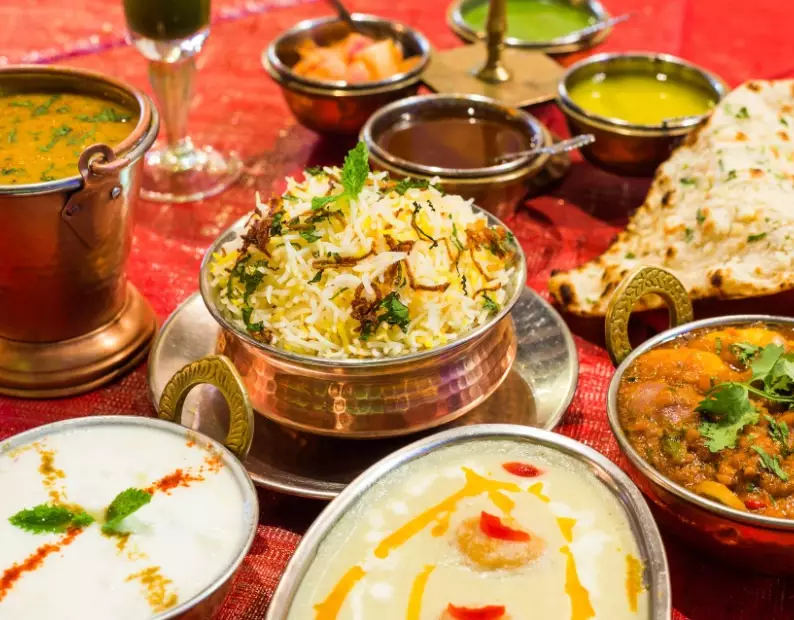
- Turmeric (Haldi): Provides that iconic golden color and a warm, earthy, slightly bitter flavor. It's also a natural preservative.
- Red Chili Powder (Lal Mirch): Heat level varies wildly. Start with Kashmiri red chili powder for vibrant color with moderate heat.
- Garam Masala: This is the king of blends. "Garam" means hot, referring to the warming nature of the spices, not necessarily Scoville heat. It's a mix of spices like cardamom, cinnamon, cloves, cumin, and coriander, usually added at the end of cooking to preserve its fragrance. Don't confuse it with generic "curry powder."
A quick tip? Buy whole spices where possible (like cumin, coriander, cardamom) and grind them in small batches. The flavor difference is night and day compared to pre-ground powder that's been sitting on a shelf for months.
The Techniques That Make the Difference
Indian cooking isn't just about throwing things in a pot. A few key techniques build those deep, complex flavors.
Once you've got a handle on these, any traditional Indian food recipe starts to make sense. It's a process, not a random act.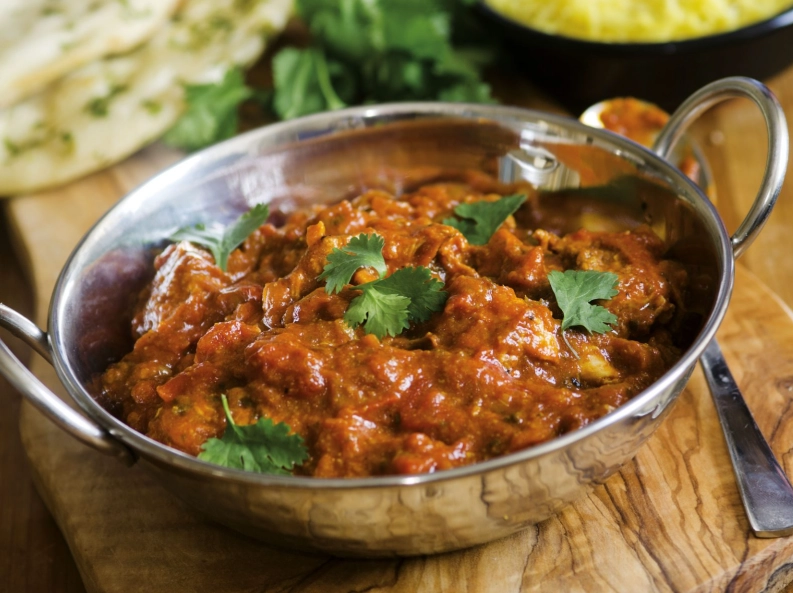
Let's Get Cooking: 3 Can't-Miss Traditional Indian Food Recipes
Okay, theory is over. Let's apply it. Here are three classic dishes that represent different corners of Indian cuisine. They're popular for a reason—they're incredibly delicious and teach you fundamental skills.
Butter Chicken (Murgh Makhani) – The Crowd-Pleaser
Yes, it's ubiquitous. But a well-made homemade butter chicken is a revelation—creamy, tangy, smoky, and rich without being heavy. The key is the marinade and the char from the tandoor (or your broiler/grill pan).
What's the secret to that signature silky texture and smoky flavor?
The marinade with yogurt and lemon tenderizes the chicken beautifully. For the smoke, you have options. If you have a charcoal grill, use it. Otherwise, the broiler in your oven or a screaming hot cast-iron pan works. You want some blackened bits. Don't skip this step—it adds a crucial layer of flavor you can't get from just simmering raw chicken in the sauce.
Pro-Tip I Learned the Hard Way: Don't use heavy cream straight from the fridge. Let it come to room temperature and add it at the very end, off the heat, stirring gently. Boiling cream can make it grainy or cause it to split. And go easy on the sugar/honey. The tomatoes and onions should provide natural sweetness; you're just balancing acidity.
Dal Tadka (Tempered Lentils) – The Ultimate Comfort Food
If you want to understand the soul of Indian home cooking, master a good dal. It's humble, nutritious, and packed with flavor. The magic is in the "tadka"—the final flourish of sizzling spices, garlic, and chilies poured over the cooked lentils.
I prefer using yellow pigeon peas (toor/arhar dal) or red lentils (masoor dal) for this. They cook quickly and break down nicely. The process is simple: cook the lentils with turmeric until soft. In a separate small pan, heat ghee or oil, add cumin seeds, dried red chilies, asafoetida (hing), and garlic. Let it sizzle until the garlic turns golden, then throw in a pinch of red chili powder (careful, it splutters!). Immediately pour this entire, sizzling mixture over the dal. The sound is glorious.
The first time I made a proper dal tadka, the scent that erupted when I poured the tadka was unreal. It transformed a simple pot of lentils into something complex and irresistible. It's a perfect example of how a simple technique elevates basic ingredients.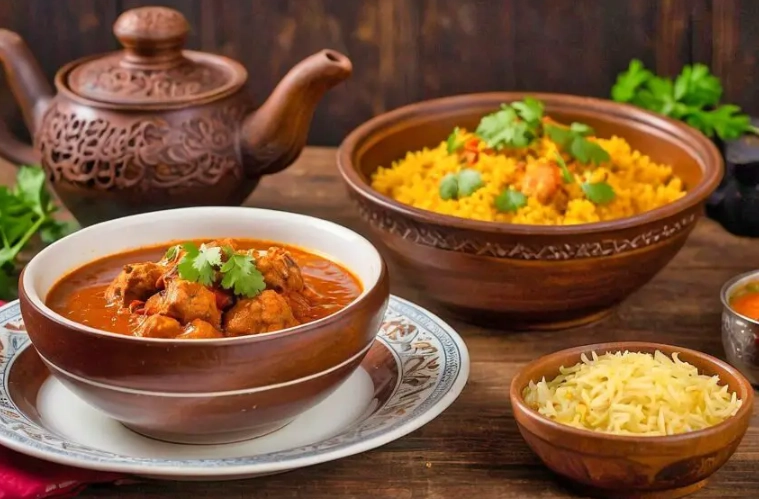
Chana Masala (Chickpea Curry) – The Vegetarian Star
This is a staple across India. Hearty, spicy, tangy chickpeas in a thick gravy. The best traditional Indian food recipes for chana masala use dried chickpeas soaked overnight, but honestly, good-quality canned chickpeas are a fantastic shortcut for a weeknight meal.
The flavor profile here is all about the tang. You get it from amchur (dried mango powder) or, in a pinch, a squeeze of lemon juice at the end. The spice mix, called "chana masala powder," is heavy on coriander, cumin, amchur, and pomegranate seed powder. You can buy it pre-made from an Indian store, which I often do for convenience.
A Common Pitfall: Making the gravy too thin. Cook down your tomato-onion base thoroughly (remember the "bhuno" technique) before adding the chickpeas and water. You want a thick, clinging sauce, not a soup.
Beyond the Classics: A Glimpse into India's Regional Diversity
Indian food is not a monolith. What you get in a Punjabi restaurant in Delhi is worlds apart from a home in Kerala or Bengal. Exploring regional traditional Indian food recipes is where the real adventure begins.
| Region | Signature Characteristics | Must-Try Dish Example |
|---|---|---|
| North India (Punjab, Kashmir) | Rich, creamy gravies, tandoori cooking, generous use of dairy (ghee, cream, paneer), wheat-based breads (naan, roti). | Rogan Josh (aromatic lamb curry), Sarson ka Saag with Makki di Roti (mustard greens with cornbread). |
| South India (Tamil Nadu, Kerala) | Lighter, often coconut-based gravies, rice as staple, prolific use of curry leaves, mustard seeds, and tamarind. Fermented foods like dosa and idli. | Fish Curry with Coconut, Masala Dosa (fermented rice crepe), Avial (mixed vegetable stew). |
| West India (Gujarat, Maharashtra) | Often sweet-sour-spicy balance, diverse vegetarian cuisine, seafood along the coast. Dhokla (steamed fermented snacks), vada pav. | Gujarati Dal (sweet and tangy), Kolhapuri Chicken (fiery and robust). |
| East India (Bengal, Odisha) | Love for fish, mustard oil and paste, subtle yet complex spicing, emphasis on desserts. Poppy seed (posto) based dishes. | Shorshe Ilish (Hilsa fish in mustard sauce), Chingri Malai Curry (prawns in coconut milk). |
Want to dive deeper into this regional culinary map? The Incredible India tourism website offers a fantastic, authentic overview of the country's diverse food heritage straight from the source.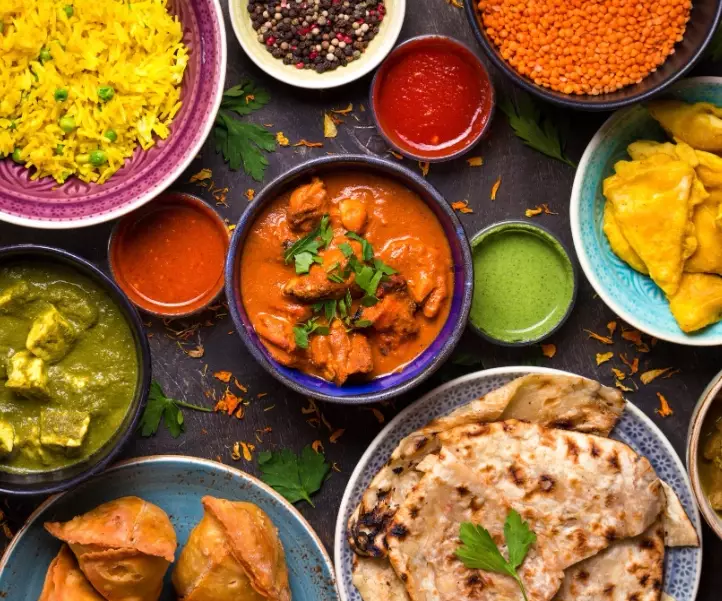
The Vegetarian and Vegan Goldmine
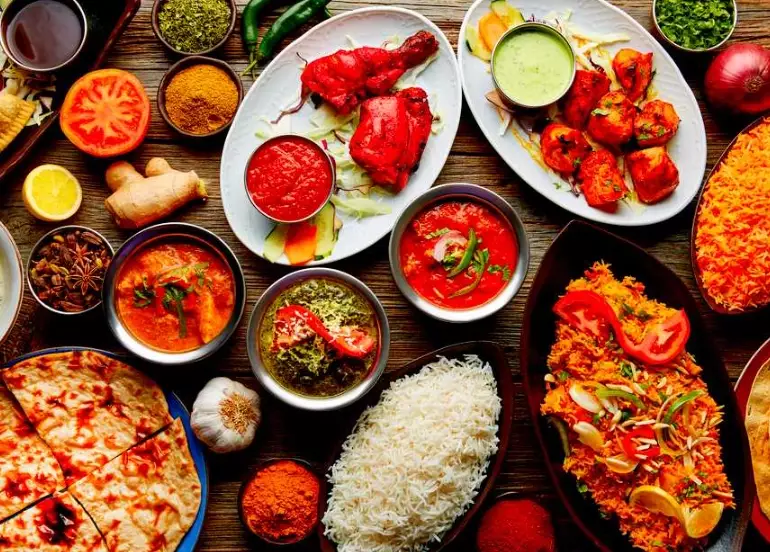
India has been mastering plant-based cooking for millennia. If you're looking for vegetarian or vegan traditional Indian food recipes, you've hit the jackpot. It's not about substituting meat; it's about celebrating vegetables, legumes, and dairy (or plant-based alternatives).
- Paneer: Indian cottage cheese. It's a blank canvas that soaks up flavors. Try Palak Paneer (spinach and cheese) or Paneer Tikka.
- Legumes (Dal): There are dozens of varieties—masoor (red lentil), moong (mung bean), chana (chickpea), urad (black gram). Each has a unique texture and flavor.
- Vegetable Sides (Sabzi): Simple, spiced dry vegetable preparations like Aloo Gobi (potatoes and cauliflower), Bhindi Masala (okra), or Baingan Bharta (smoky roasted eggplant).
Your Traditional Indian Food Recipes Questions, Answered
Wrapping It Up: Your Journey Starts Now
Look, cooking traditional Indian food recipes is a journey. Your first few attempts might not be perfect. My early dals were too salty, my first biryani was a bit dry. But each time, you learn. You adjust. You start to recognize the scent of perfectly toasted cumin, the sound of a ready tadka, the look of a gravy that's just the right consistency.
The real joy isn't just in the eating (though that's a massive perk), but in the process. The rhythmic chopping, the sizzle of spices in oil, the slow simmer that fills your home with promise. It's mindful, satisfying cooking.
So, pick one recipe from this guide. Maybe start with the Dal Tadka—it's forgiving and teaches you the crucial tempering technique. Gather your core spices. Take your time. Don't rush the steps.
Before you know it, you'll be looking at those traditional Indian food recipes not with trepidation, but with excitement. You'll be tweaking them to your taste, maybe even confidently throwing in a handful of spinach or a different protein. That's when you know you've got it. You're not just following instructions anymore; you're cooking.
And honestly, there's no better feeling than sharing a meal you've made from scratch, filled with layers of flavor you built yourself, and hearing that simple, sincere compliment: "This tastes amazing. Can I get the recipe?"
Go on, get your pot ready. Dinner's going to be great.
Discussion