If you've ever scanned an Indian restaurant menu or browsed an international grocery aisle, you've seen "dal." It's the soul of countless meals from the Indian subcontinent. But when you dig deeper, you find a confusing world of names: toor dal, masoor dal, chana dal, moong dal. It feels endless. So, let's cut through the noise. Fundamentally, there are three primary types of dal, categorized not by the bean or lentil itself, but by how it's processed. Understanding this simple classification—whole, split, and split & skinned—is the master key that unlocks all those confusing varieties and tells you exactly how to cook them.
I learned this the hard way. Years ago, I tried to make a simple dal with what I thought were "split peas." I ended up with a pot of mushy, bland paste while my Indian friend's version was creamy yet distinct. The difference? I used the wrong processing type for the dish I wanted. That mistake cost me dinner, but it taught me the most important lesson in Indian cooking: the form of the lentil dictates its destiny in the pot.
Your Quick Guide to Dal
The Three Fundamental Dal Categories Explained
Forget the specific names for a second. Every lentil, pea, or bean used for dal fits into one of these three buckets based on its physical state. This is the core answer to "what are the three types of dal?"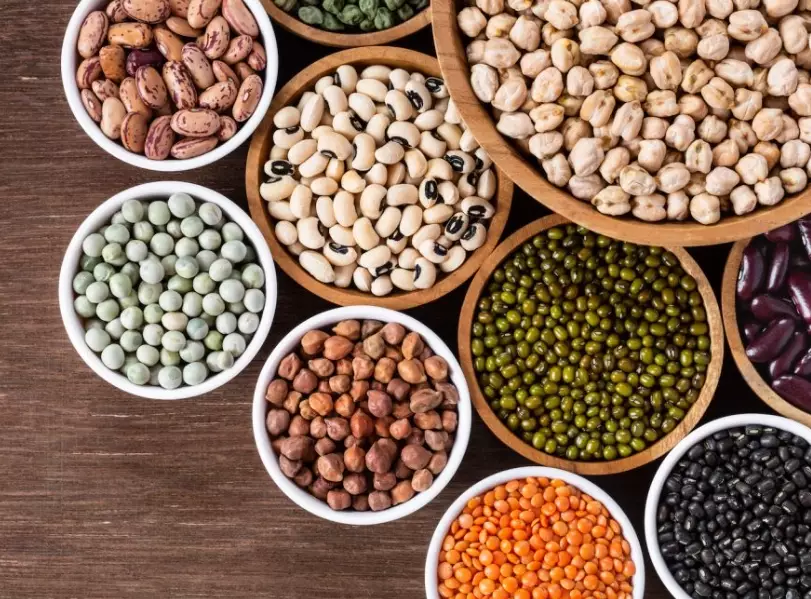
1. Whole Dal (Sabut Dal)
This is the lentil in its most natural, unaltered state. Think of it as the whole grain version. The outer skin (husk) is intact. Whole masoor dal are brown lentils. Whole moong dal are green mung beans. Whole urad dal are black gram beans.
What it's like: Chewier, earthier, and holds its shape much better. It takes the longest to cook.
Best for: Salads, pilafs (like a brown lentil rice), or hearty stews where you want texture and bite. Sabut masoor dal makes a fantastic, meaty stew.
2. Split Dal with Skin (Chilka Dal)
Here, the whole lentil is split in half along its natural seam, but the skin is left on. This is a crucial middle ground. You'll see it with moong dal (split yellow mung beans with green skin flecks) and masoor dal (split salmon-pink lentils with skin).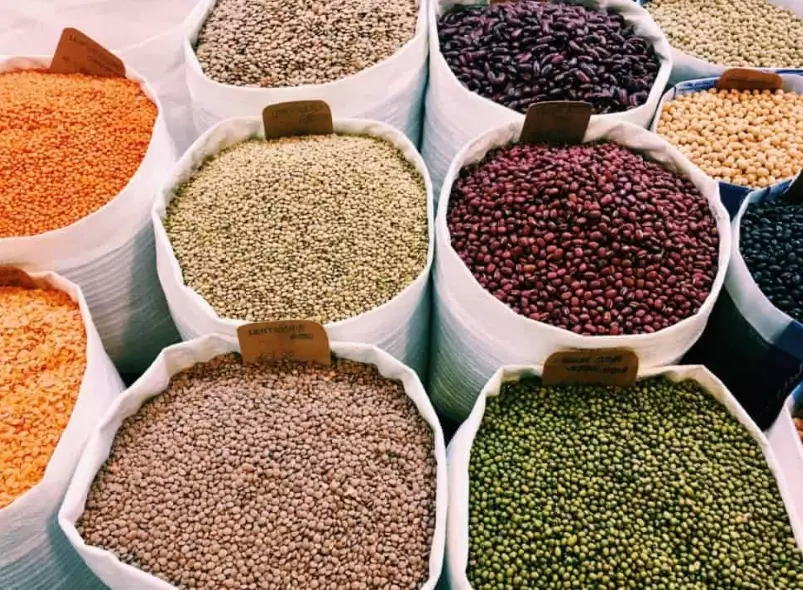
What it's like: Cooks faster than whole dal. It breaks down partially, creating a creamy background but still offering some texture from the skins. The skin adds fiber and a slight nuttiness.
Best for: Everyday, comforting dals that are creamy but not completely smooth. This is the workhorse for many home cooks. It's forgiving.
3. Split and Skinned Dal (Dhuli Dal)
This is the lentil, split and then polished to remove the skin. It's the most processed form. The result is a uniform, often bright yellow or orange split pea. Toor dal (pigeon pea), chana dal (split chickpea), and the common "yellow split peas" fall here.
What it's like: The fastest cooking of the three. It breaks down completely into a smooth, thick, and uniform puree. The flavor is mild and buttery.
Best for: Silky, homogenous dals and soups. It's the base for the classic South Indian sambar (using toor dal) or a rich, buttery dal makhani base (using urad dal, though it's often combined with others).
| Dal Type (by Processing) | Common Examples | Key Characteristic | Typical Cooking Time (Soaked) | Final Texture |
|---|---|---|---|---|
| Whole (Sabut) | Whole Masoor, Whole Moong, Whole Urad | Skin on, intact lentil | 45-60 mins | Firm, holds shape |
| Split with Skin (Chilka) | Moong Dal Chilka, Masoor Dal (with skin) | Split in half, skin on | 25-35 mins | Creamy with texture |
| Split & Skinned (Dhuli) | Toor Dal, Chana Dal, Moong Dal (yellow) | Split, skin removed | 20-30 mins | Smooth, pureed |
How to Choose the Right Type of Dal for Your Dish
Now, let's apply this. You're not just picking a lentil; you're choosing a textural outcome.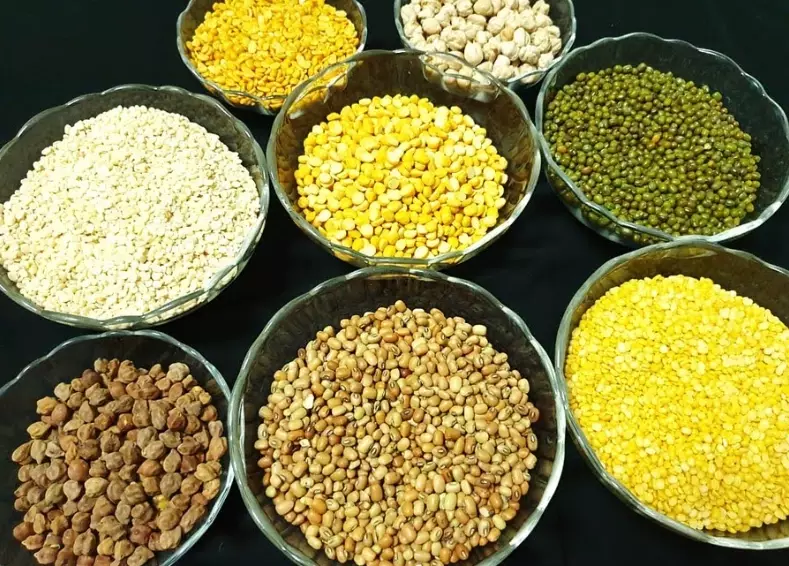
Imagine you're making a hearty, warming stew for a cold night. You want something that can simmer for a while without disintegrating, something that feels substantial. Here, whole masoor dal (brown lentils) is your champion. Its earthy flavor and firm texture stand up to long cooking with potatoes and carrots.
Now, picture a quick, light, and digestible soup for lunch. You want it smooth and comforting. Grab the split and skinned moong dal (yellow mung dal). It cooks in 20 minutes, breaks down beautifully with just a stir, and is incredibly gentle on the stomach. Many Ayurvedic recipes prefer it for this reason.
For the classic, everyday dal that's served with rice and roti—creamy but with a bit of body—the split moong dal with skin (moong chilka) is perfect. It gives you that creamy base but the tiny green flecks of skin add visual interest and a nutritional boost.
My personal rule of thumb?
Texture Goal = Dal Type.
Chunky -> Whole. Creamy with bits -> Split with Skin. Ultra-smooth -> Split & Skinned.
From Pantry to Pot: Cooking Mastery for Each Dal Type
Each category demands a slight shift in approach. Treating them all the same is where recipes fail.
Cooking Whole Dal: The Low & Slow Method
Rinse them well. Soak them. This isn't optional. Then, cook them in plenty of water or broth. Don't salt the water at the beginning—adding salt early can toughen the skin. Let them simmer gently until tender but not bursting. They're done when you can smash one easily between your fingers, but they haven't lost their individual identity. A pressure cooker is a whole-dal's best friend, cutting the time down to 15-20 minutes after soaking.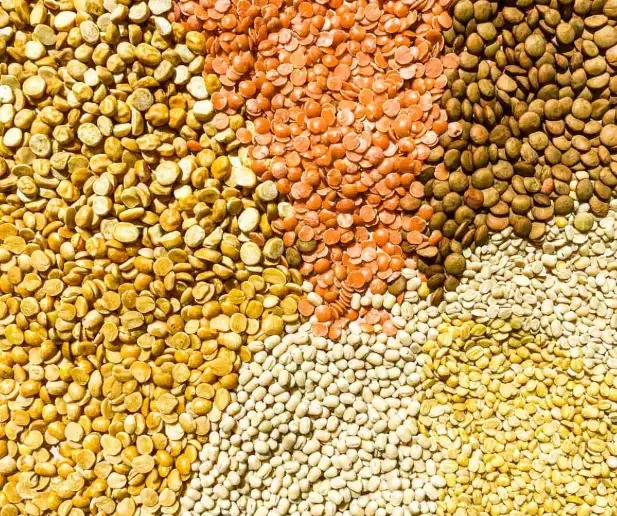
Cooking Split Dal (With or Without Skin): The Watchful Simmer
Rinsing is still key to remove dust. Soaking is helpful but not always mandatory for split dals; it just speeds things up. They foam. A lot. Skim the froth off the top during the first boil to prevent a messy overflow and to remove impurities. They cook faster, so keep an eye. Split & skinned dals will melt into a puree all by themselves. Split-with-skin dals will need a occasional mash with the back of a spoon towards the end to achieve that creamy consistency.
Common Mistakes and How to Avoid Them
After cooking countless pots, here are the subtle errors I see most often.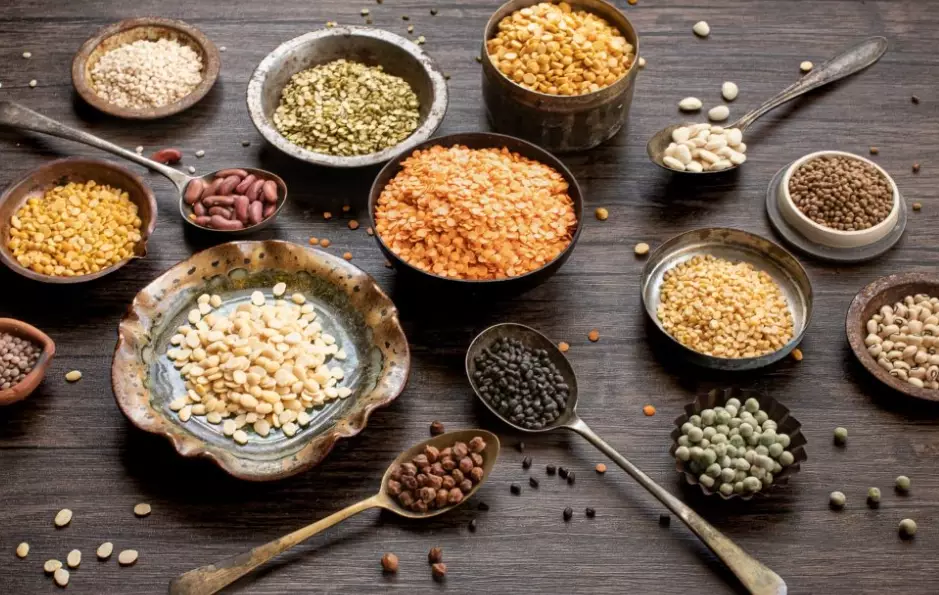
- Not sorting the lentils: Even high-quality packs can have tiny stones or debris. Spread them on a plate and give them a quick look before rinsing. Biting on a stone is a sure way to ruin a meal.
- Using stale dal: Lentils get old. If your dal has been in the pantry for years, it will never soften properly, no matter how long you cook it. If it's not softening within the expected time frame, age is likely the culprit.
- Underseasoning the base: Dal absorbs salt. Season the final dish, not just the cooking water. Taste after adding the tadka and adjust with salt and a squeeze of lemon or lime juice. Acid at the end brightens everything up.
- Fear of fat: Dal needs fat—ghee, butter, or oil—to carry the flavors of the spices and to create a rich mouthfeel. A low-fat dal often tastes bland and thin.
Your Dal Questions, Answered
I'm new to Indian cooking. Which one type of dal should I buy first to practice with?
Start with split and skinned moong dal (the yellow one). It's the most forgiving. It cooks quickly, doesn't need soaking, breaks down easily into a pleasant porridge-like consistency, and is very mild in flavor. It's the perfect blank canvas to practice your tempering (tadka) technique without worrying about the lentil itself fighting you.
Why does my split toor or chana dal stay hard in the middle even after cooking for an hour?
This is almost always due to one of two things. First, the dal is old. Lentils lose their ability to absorb water and soften over many years in storage. Second, you might be cooking in acidic or salted water too early. Try cooking a new batch of dal in unsalted water until completely tender, then add your tomatoes (acidic) and salt. If it's still hard with fresh dal, a pinch of baking soda in the cooking water can help break down the stubborn starches, but use it sparingly as it can alter the flavor.
Can I substitute one type of dal for another in a recipe?
You can within the same category (e.g., yellow split moong for yellow split pigeon pea/toor in a soup), but crossing categories changes the dish fundamentally. Substituting whole dal for split & skinned dal will give you a chunky stew instead of a smooth soup. If you must substitute, adjust your expectations for texture and cooking time. A split-with-skin dal can sometimes stand in for a split-and-skinned one if you're willing to do a bit of extra mashing.
Is one type of dal healthier than the others?
They all share the core benefits of being high in plant-based protein and fiber. The main difference lies in the fiber. Whole dals and split dals with skin have more insoluble fiber from the intact husk, which is great for digestive health. Split & skinned dals have a slightly higher proportion of soluble fiber, which can help moderate blood sugar spikes. According to nutrient data from sources like the USDA FoodData Central, the differences in protein and mineral content between forms of the same lentil are minimal. The healthiest choice is the one you'll enjoy and cook regularly.
Do I need a pressure cooker to make good dal?
Absolutely not. A heavy-bottomed pot works perfectly well. A pressure cooker (like an Instant Pot) is a tremendous convenience tool, especially for whole dals and chickpea-based dals (chana dal), as it drastically cuts cooking time and energy use. But many Indian home cooks still make daily dal on the stovetop. The key is patience and a gentle simmer.
Discussion