Quick Guide
Let's be honest. Sometimes you stare into your fridge and cupboard, see a packet of tortillas next to a jar of garam masala, and think... could this work? That, my friend, is the birthplace of an Indian fusion recipe. It's not about disrespecting centuries of culinary tradition—far from it. It's about using those incredible flavors as a launchpad for something new, exciting, and uniquely yours.
I remember the first time I really messed up a classic butter chicken. I ran out of kasuri methi (dried fenugreek leaves) and in a panic, threw in some fresh thyme. The purists would have shuddered. But you know what? It created this weird, aromatic, slightly floral note that was completely addictive. That was my lightbulb moment. Fusion isn't a science; it's a playful, sometimes messy, always delicious experiment.
Why is Indian fusion cooking having such a moment right now? I think it's because our palates have become global. We're no longer boxed into one cuisine. We crave the comfort of a pasta but also the thrilling kick of Indian spices. Fusion cooking answers that call perfectly.
What Exactly *Is* an Indian Fusion Dish?
It's simpler than it sounds. Take a core technique, flavor profile, or ingredient from the vast Indian culinary repertoire and marry it with an element from another cuisine. The goal isn't to create a confusing muddle, but a harmonious dish where both sides of the family bring their best to the table.
Think of it like this: the soul is Indian, but the outfit might be Italian, Mexican, or American. A classic Indian fusion recipe example? Tikka masala pizza. The base is Italian, the saucy topping is pure North Indian bliss. It just works.
Some people get snobby about it. I've heard the "that's not authentic" grumble more than once. But authenticity is a moving target. The tomato, a cornerstone of many Indian gravies today, was brought by the Portuguese. Food evolves. Always has.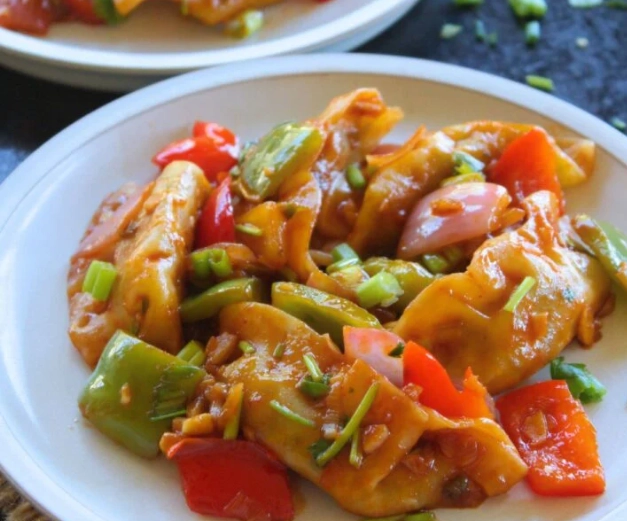
Your First Foray into Fusion: Start with the Spices
This is the non-negotiable foundation. You can't build a house on sand, and you can't build great Indian fusion recipes without understanding the spice cabinet. Don't be intimidated.
Pro-Tip: You don't need 50 jars. Start with a core five: cumin seeds, coriander powder, turmeric, red chili powder (Kashmiri is less fiery, more colorful), and garam masala. That's your starter pack for 80% of dishes.
The key difference in fusion? How you use them. In traditional cooking, spices are often bloomed in oil at the start to build a deep base flavor (the "tadka" or "chaunk"). In fusion, you might use that same technique for a pasta sauce base, or you might use ground spices as a dry rub for tacos, or mix garam masala into a burger patty.
Here’s a quick cheat sheet to get your brain thinking in fusion terms:
| Spice/Ingredient | Traditional Indian Role | Fusion Application Idea |
|---|---|---|
| Garam Masala | Warming blend added at the end of curries. | Mix into meatloaf, add to hot chocolate, stir into apple pie filling. |
| Chaat Masala | Sour, tangy sprinkle on fruits, snacks (chaat). | Season french fries, rim a cocktail glass, spice up popcorn. |
| Paneer | Cubed in curries like palak paneer. | Crumble on pizza (like feta), grill slabs for sandwiches, blend into lasagna. |
| Coconut Milk | Base for South Indian & Goan curries. | Make a Thai-Indian fusion soup, use in a creamy pasta sauce, base for a smoothie bowl. |
| Tandoori Marinade | For clay oven (tandoor) meats. | Marinate wings, use for grilled fish tacos, flavor roasted cauliflower steaks. |
See? It's just about shifting the context. Once that clicks, a world of easy Indian fusion recipes opens up.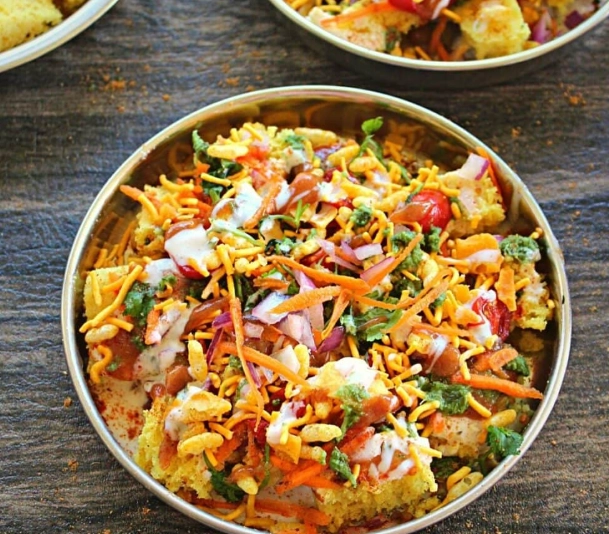
The Flavor Bridge: Building Your Fusion Pairings
Not every combination is a winner. Throwing curry powder into everything is a rookie mistake (we've all been there). The trick is to find a "flavor bridge"—a common element that links the Indian component to the other cuisine.
Let me give you some of the most reliable, crowd-pleasing fusion categories. Consider this your inspiration hit-list.
Top Fusion Cuisine Pairings with Indian Flavors
- Indian-Italian: The bridge here is often the tomato and cream. A rich tomato-based curry sauce is a natural fit for pasta. Think: Butter Chicken Lasagna, Rogan Josh Ragu with pappardelle, or Naan Bread Pizzas with tandoori toppings.
- Indian-Mexican: The bridge is bold, charred flavors and fresh accompaniments. Tandoori-spiced chicken in a taco? Genius. Refried beans spiked with cumin and amchur (dry mango powder)? Yes. A cilantro-mint chutney as a salsa verde alternative? Absolutely.
- Indian-American Comfort Food: The bridge is hearty, satisfying textures. Masala Mac and Cheese (with a tadka of mustard seeds and curry leaves!), Spiced Turkey Meatloaf with a tamarind glaze, or Pulled Pork Sliders with a mango BBQ sauce.
- Indian-East Asian: The bridge can be umami and aromatics. Use soy sauce or fish sauce in a curry base for depth. Make a Goan-style vindaloo with Thai bird's eye chilies. Swap rice noodles for vermicelli in a upma-inspired stir-fry.
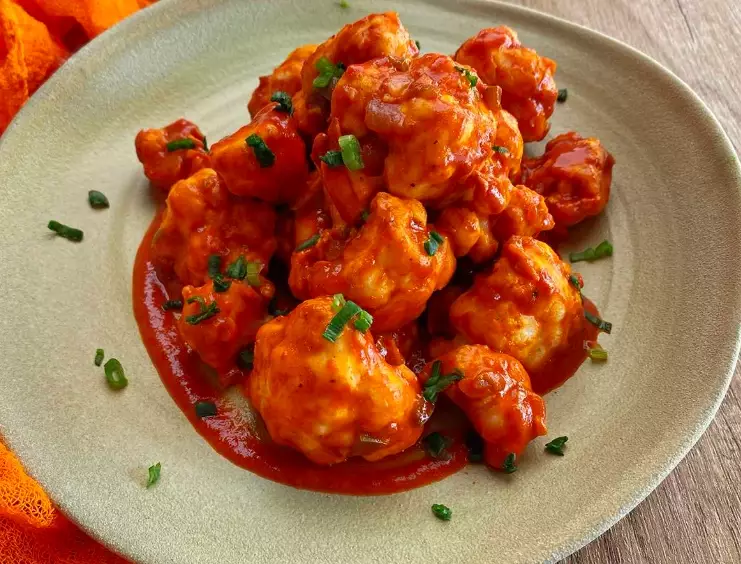
A Word of Caution: Go easy on the salt if you're blending soy sauce (salty) with traditional Indian spice mixes (which often contain salt). Taste as you go. Fusion fails usually happen when you stop tasting during the process.
The best part about these Indian fusion dinner ideas is their flexibility. They're perfect for using what you have.
Two Can't-Miss Indian Fusion Recipes to Try Tonight
Enough theory. Let's get cooking. Here are two recipes that sit at different points on the effort spectrum. One is a dead-simple weeknight hero, the other is a showstopper for when you have a bit more time.
Weeknight Wonder: Creamy Tikka Masala Pasta
This is the ultimate 30-minute, one-pan (mostly) fusion meal. It combines the creamy, tangy joy of butter chicken/tikka masala with the universal appeal of pasta. Kids and adults alike devour this.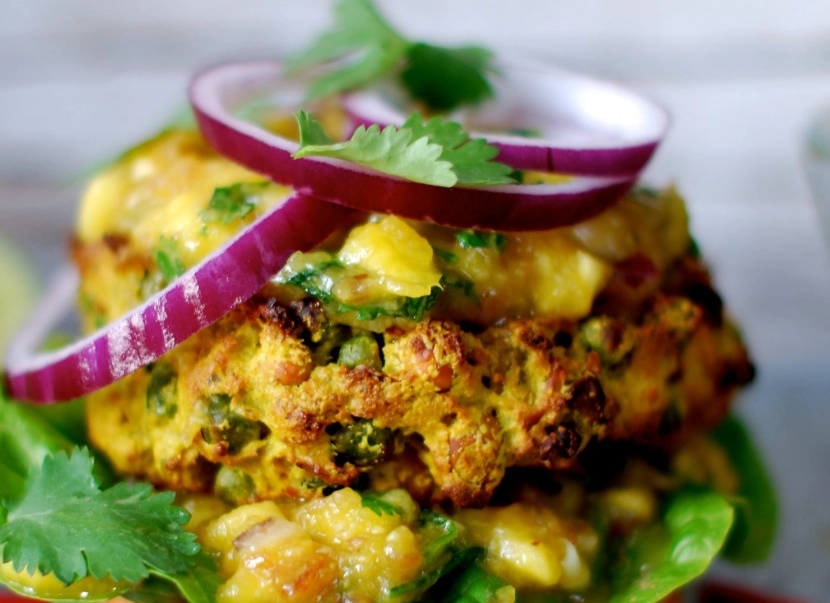
What You'll Need:
- 250g pasta (penne, fusilli, or fettuccine work great)
- 1 tbsp oil or butter
- 1 onion, finely chopped
- 1 tbsp ginger-garlic paste (or 2 cloves garlic, 1" ginger minced)
- 2 tbsp tomato paste
- 1 tsp cumin powder
- 1 tsp coriander powder
- 1/2 tsp turmeric
- 1 tsp Kashmiri red chili powder (for color, not intense heat)
- 1.5 tsp garam masala
- 1 cup heavy cream or full-fat coconut milk for dairy-free
- 1 cup cooked, shredded chicken (rotisserie chicken is perfect), or chickpeas for veg
- Salt to taste
- Fresh cilantro for garnish
The Game Plan:
- Cook your pasta in salted water according to package directions. Save about 1/2 cup of the starchy pasta water before draining.
- While the pasta cooks, heat oil/butter in a large skillet or pot over medium heat. Sauté the onion until soft and translucent.
- Add ginger-garlic paste and cook for another minute until fragrant. Don't let it burn.
- Stir in the tomato paste and all the dry spices (cumin, coriander, turmeric, chili powder). Cook for 2-3 minutes. This "cooks" the spices and removes any raw taste—crucial step!
- Pour in the cream or coconut milk. Stir well to combine into a smooth, orangey-pink sauce. Let it simmer gently for 3-4 minutes.
- Add your cooked chicken or chickpeas to warm through. Season with salt. Remember, the pasta water will add salt later.
- Add the drained pasta to the skillet. Toss everything together, adding splashes of the reserved pasta water to loosen the sauce until it clings beautifully to every piece of pasta.
- Finish with a final sprinkle of garam masala and a handful of chopped cilantro. Done.
See? The technique is classic Italian pasta sauce meets Indian curry base. The result is pure comfort.
Weekend Project: Tandoori-Spiced Chicken & Mango Slaw Tacos
These are vibrant, fresh, and packed with contrasting textures and temperatures. Perfect for a casual dinner with friends.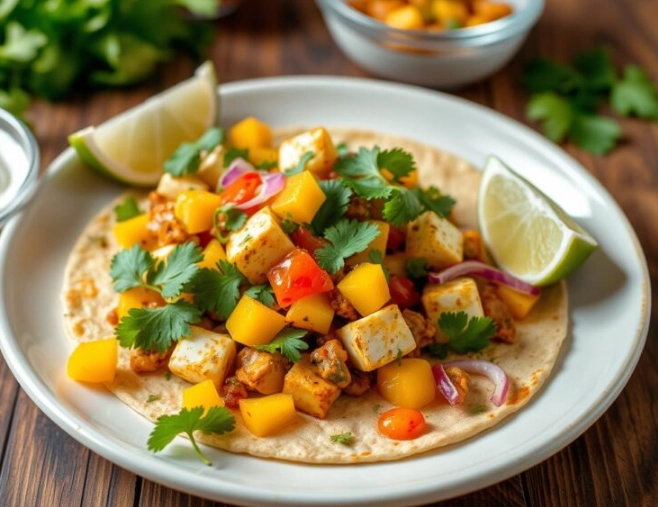
For the Tandoori Chicken:
- 500g boneless, skinless chicken thighs, cut into strips
- 1 cup plain yogurt (Greek yogurt is thicker, good for marinade)
- 2 tbsp tandoori masala powder (store-bought is fine, or make your own)
- 1 tbsp lemon juice
- 1 tsp grated ginger
- 2 cloves garlic, crushed
- Salt
For the Mango Slaw:
- 1 ripe but firm mango, julienned
- 1/4 red cabbage, thinly sliced
- 1 small red onion, thinly sliced
- 1 jalapeño, seeded and finely chopped (optional)
- Juice of 1 lime
- A big handful of fresh cilantro, chopped
- Salt & pepper
You'll Also Need: Small flour or corn tortillas, extra lime wedges, and maybe some cooling raita or sour cream.
The Game Plan:
- Marinate the chicken: Mix yogurt, tandoori masala, lemon juice, ginger, garlic, and salt in a bowl. Add chicken strips, coat thoroughly. Cover and refrigerate for at least 1 hour, ideally 4+. Overnight is magic.
- Make the slaw: Toss all slaw ingredients together in a bowl. Let it sit while you cook the chicken; the lime juice will soften the veggies slightly.
- Cook the chicken: You can grill, pan-fry, or bake. For ease, a hot grill pan or skillet with a touch of oil works great. Cook chicken strips over medium-high heat until charred in spots and cooked through (about 8-10 mins total).
- Warm your tortillas.
- Assemble: Pile some slaw on a tortilla, top with a few strips of hot tandoori chicken. A drizzle of raita or dollop of sour cream is fantastic. Squeeze extra lime on top.
The cool, sweet-and-sour slaw cuts through the smoky, spicy chicken perfectly. It's a taco, but it tastes like a party in Delhi meets a beach in Mexico.
Both of these Indian fusion recipes are just starting points. Swap proteins, change the veg, make them your own.
Answering Your Burning Fusion Questions (FAQ)
I'm scared of overspicing. How do I balance flavors?
Start with less. You can always add more spice, but you can't take it out. For dry spices, add half of what a traditional recipe calls for, taste, then adjust. The yogurt, cream, coconut milk, or acid (lemon, lime) in many easy Indian fusion recipes will also help temper heat.
Can I make Indian fusion food vegetarian or vegan?
Absolutely, and it's often incredible. Indian cuisine has a deep vegetarian tradition. Paneer, chickpeas, lentils (dal), potatoes, and cauliflower are all stellar fusion vehicles. Use coconut cream, cashew cream, or silken tofu for richness instead of dairy. A resource like BBC Good Food's vegetarian Indian collection can give you great base ideas to then fuse.
My family doesn't like "weird" food. How do I introduce fusion gently?
Start with familiar formats. Tacos, pasta, pizza, burgers, wraps. The vehicle is comforting and known; the flavor twist is the adventure. Don't call it "fusion"—just call it "spiced chicken tacos" or "creamy tomato pasta." Often, the hesitation is in the label, not the taste.
What's the biggest mistake beginners make?
Using pre-made "curry powder" as the only spice layer. It often tastes one-dimensional and dusty. Build your own flavor with individual spices, even if it's just three. Cumin + coriander + paprika is a world better than generic curry powder. Also, not blooming spices in fat—that quick fry in oil unlocks their essential oils and depth.
Where can I learn more about the science behind Indian spices and techniques?
For those who geek out on the "why" behind the "what," Serious Eats' The Food Lab, while not Indian-specific, offers brilliant insights into cooking science that apply universally. For traditional techniques, government cultural sites like India's Ministry of Culture portal sometimes have fascinating historical food resources that deepen your understanding of ingredient origins.
Final Thoughts: Your Kitchen, Your Rules
The beautiful thing about Indian fusion recipes is there is no final exam. No one is grading your authenticity. The only metric that matters is: do you and the people you're feeding enjoy it?
So raid your spice rack. Look at that leftover rice, those lonely vegetables, that packet of protein. Ask yourself, "what would a pinch of cumin and a dash of garam masala do to this?"
Start small. Toss roasted veggies with chaat masala. Add a spoonful of your favorite curry paste to soup. The goal isn't to create a masterpiece every time. It's to make your everyday cooking more exciting, one flavorful experiment at a time.
That's the real secret. Fusion isn't a trend; it's a mindset. It's permission to play with your food. And honestly, once you start, it's hard to stop. Your Indian fusion dinner ideas will start flowing faster than you can cook them. And that's the best kind of problem to have.
Now go on. See what's in your fridge. I bet you can fuse it.
Discussion