Quick Navigation
If you've ever typed "Indian recipes" into Google, you know the feeling. A million results, all promising "easy" and "authentic," but half the ingredients are things you've never heard of, and the instructions seem to assume you have an Indian grandmother in the kitchen with you. I get it. I was there too, years ago, staring at a recipe for butter chicken that called for something called "kasuri methi" and wondering if my local supermarket had ever even heard of it.
The truth is, most of us outside India have a pretty narrow idea of what Indian food is. We think of creamy, tomato-based dishes like butter chicken or tikka masala, maybe a spicy vindaloo, and a pile of fluffy naan. And don't get me wrong, those are fantastic. But calling that "Indian food" is like calling pizza and pasta "Italian food." It's not wrong, but it's barely scratching the surface.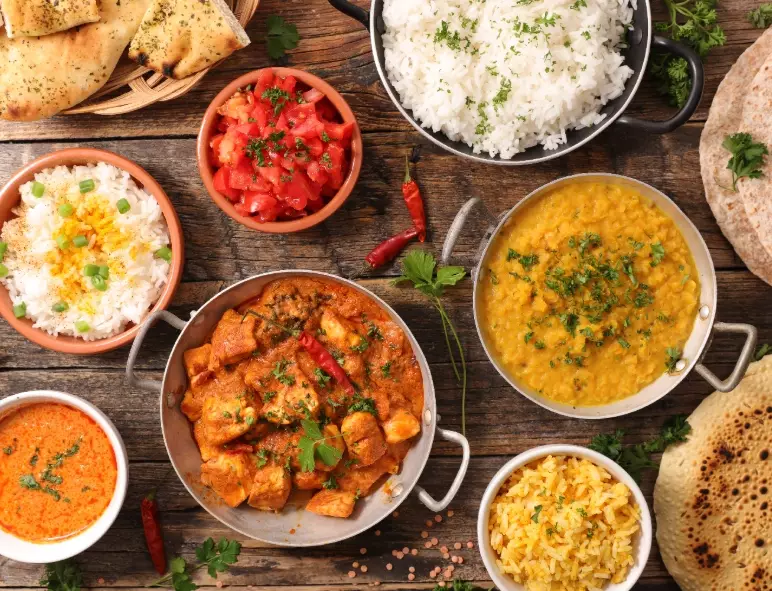
My own journey into Indian cooking started out of pure desperation. I was living in a city with terrible Indian takeout options (yes, it's possible), and my cravings were getting expensive. The first few attempts were... educational. Let's just say my early versions of dal were more like bland lentil soup, and my first biryani was a tragic, soggy mess. But somewhere along the way, after burning a few spices and undercooking one too many chapatis, something clicked.
And that's what I want to share with you. Not some perfect, chef-level mastery, but the real, slightly messy, incredibly rewarding process of learning to cook Indian food at home. We'll skip the intimidation and go straight to the useful stuff.
Before You Even Pick a Recipe: The Non-Negotiables
Jumping straight into a complex Indian recipe without the right setup is like trying to build a bookshelf without a screwdriver. You might eventually bang it together, but it'll be wobbly and you'll hate the process. Let's talk about the foundation.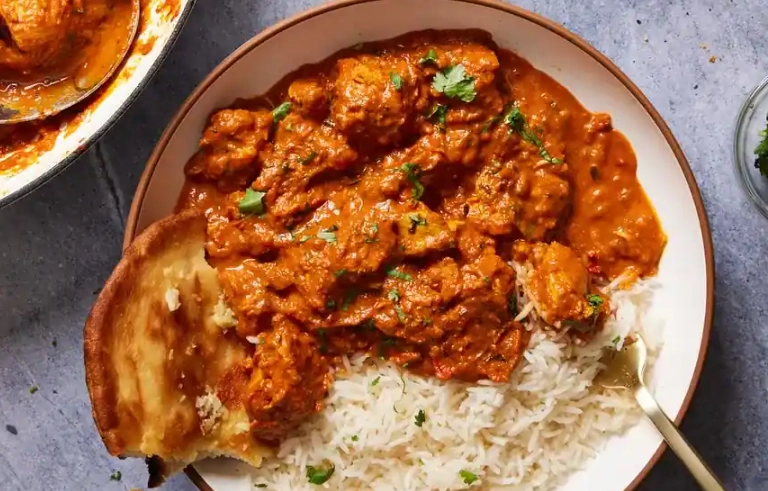
Your Spice Rack is Your Superpower
This is the big one. The heart, soul, and engine room of Indian recipes. You don't need fifty jars, but you do need a core set. And here's a secret: you don't need to buy those expensive, tiny jars from the supermarket's "international" aisle. Find an Indian grocery store, or even a Middle Eastern or Asian market. You'll get bags four times the size for half the price.
Here’s the core team, broken down not just by name, but by what they actually *do* in your pot:
| Spice | Flavor Profile & Job | A Beginner's Must-Have? |
|---|---|---|
| Cumin Seeds (Jeera) | Earthy, nutty, warm. Often fried in oil first to release flavor. The backbone. | YES. Non-negotiable. |
| Coriander Powder (Dhania) | Citrusy, sweet, floral. The most used powder. It rounds out and mellows other spices. | YES. You'll use it in almost everything. |
| Turmeric Powder (Haldi) | Earthy, peppery. Provides golden color and a warm base note. (It stains, be warned!). | YES. For color and that foundational taste. |
| Garam Masala | A warm blend (cinnamon, cardamom, cloves, etc.). Added at the END of cooking for aroma. | YES. Buy a good brand first, try making it later. |
| Red Chili Powder | Heat. Can range from mild to fiery. Start with Kashmiri chili powder for color & mild heat. | YES, but choose your heat level. |
| Mustard Seeds (Rai) | Tiny, pop in hot oil, add a pungent, nutty kick. Common in South Indian recipes. | Highly recommended. |
| Asafoetida (Hing) | A pungent resin used in tiny amounts. Adds a savory, umami depth, especially in lentil dishes. | A "pro" upgrade, but magical. |
See, it's less scary when you know their jobs. Cumin and mustard seeds are your starters, they get the flavor going. Coriander and turmeric are your midfielders, doing the consistent work throughout the cook. Garam masala is your star striker, coming in at the last minute to score the aromatic goal.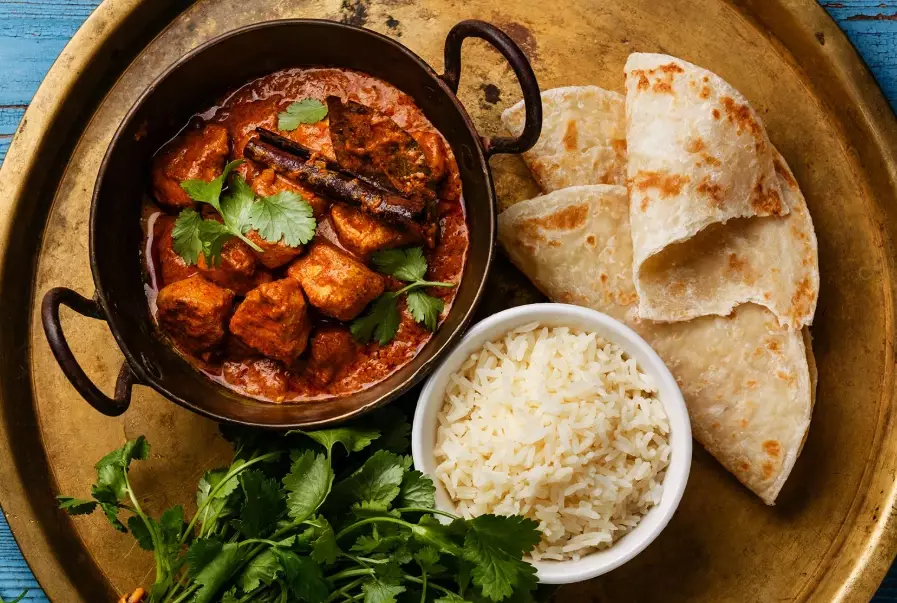
The Techniques That Make It "Indian"
You can have all the right spices, but if you don't cook them right, it still won't taste right. Two techniques are absolutely crucial.
Tempering (Tadka/Chaunk): This is the secret weapon. It's where you fry whole spices (cumin, mustard seeds, dried chilies) in hot oil or ghee until they sizzle and pop, then you pour this fragrant oil and spices over a finished dish like dal or yogurt. It transforms something simple into something spectacular in seconds. The first time I did this to a pot of lentils, I couldn't believe the difference. It's like flipping on a light switch for flavor.
"Cooking" the Spice Powders: This was my biggest early error. You don't just stir raw turmeric and coriander powder into a soup. After you've cooked your onions and tomatoes, you add the ground spices directly into the hot pan (with a bit more oil if needed) and fry them for 30 seconds to a minute. You'll see the color deepen and the raw, dusty smell vanish, replaced by a deep, toasted aroma. This step alone will upgrade your Indian recipes from "okay" to "oh wow."
Your First 5 Indian Recipes: A Strategic Launchpad
Don't start with biryani. Just don't. Start with dishes that are forgiving, teach you core skills, and deliver huge flavor with reasonable effort. This list is a progression.
1. Dal (Spiced Lentils): This is your training wheels dish. It's cheap, healthy, and teaches you about tempering. You cook red lentils until soft, spice them simply, and then finish with that magical sizzling tadka of cumin, garlic, and chili. It's impossible to mess up badly, and it's the ultimate comfort food. Serve with rice. The Indian government's cultural portal, India.gov.in, highlights dal as a staple food across the country, showing just how fundamental it is.
2. Chicken Curry (A Basic One): Not a restaurant-style gravy, but a homestyle version. This recipe teaches you the holy trinity of Indian cooking: frying whole spices, cooking onions until golden, and "cooking" your ground spices properly. You'll learn how to build layers of flavor in a single pot. A great resource for understanding these foundational techniques is BBC Food's Indian cuisine section, which often breaks down recipes with clear, reliable steps.
3. Aloo Gobi (Potatoes & Cauliflower): A brilliant vegetarian dish that's all about dry-spicing. You'll learn how to coat vegetables evenly with spices and cook them until tender but not mushy. It's a lesson in controlling moisture and heat.
4. Jeera Rice (Cumin Rice): This isn't plain rice. It's rice elevated with the simple magic of fried cumin seeds. It teaches you how to infuse a basic staple with flavor. Perfect alongside your dal or curry.
5. Raita (Yogurt Sauce): Your cooling sidekick. Grated cucumber, cumin powder, salt, and yogurt. It's a 5-minute recipe that balances spicy dishes perfectly and shows how Indian meals are about contrast and balance.
Master these five, and you have the framework for a complete, satisfying Indian meal you made yourself. You'll also have practiced all the key techniques you need for hundreds of other Indian recipes.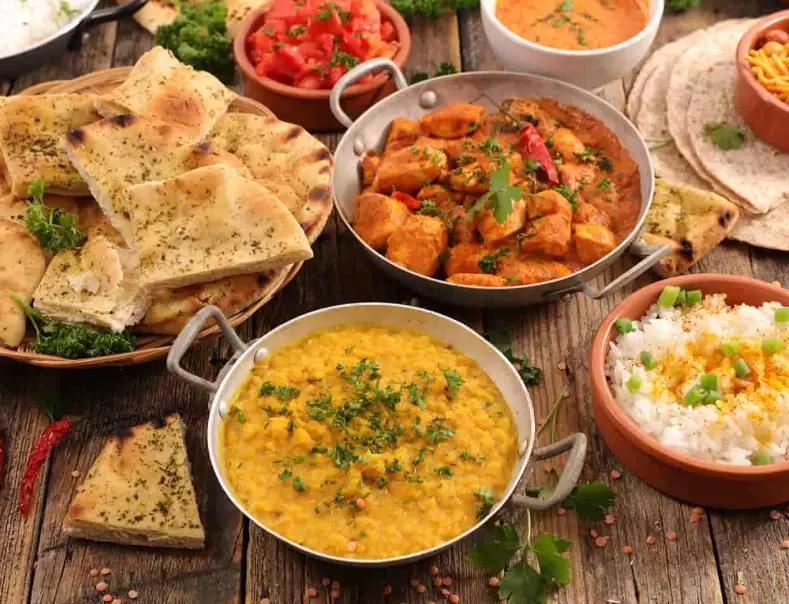
Answering the Real Questions You're Probably Googling
Let's cut through the clutter and answer the stuff that keeps coming up, based on questions I had and ones I see everywhere.
"What's the difference between curry powder and garam masala?"
This is a huge point of confusion. Curry powder is a Western invention, a pre-mixed blend meant to approximate Indian flavors in one shake. It's fine in a pinch, but it's generic. Garam masala is a specific North Indian blend of *warming* spices ("garam" means warm/hot) like cinnamon, cardamom, cloves, and black pepper. It's added at the end of cooking for fragrance. In authentic Indian recipes, you'll almost never see "curry powder" listed. You'll see individual spices. Ditch the curry powder jar and buy the separate spices; the flavor control is infinitely better.
"Do I *need* a pressure cooker or special equipment?"
No. A heavy-bottomed pot (Dutch oven is perfect) and a decent frying pan are your best friends. That said, an Instant Pot or electric pressure cooker is a game-changer for Indian cooking. Dals that take 45 minutes are done in 10. Tough cuts of meat for curries become tender in a fraction of the time. It's not mandatory, but if you fall in love with Indian cooking, you'll want one. A blender or food processor for making ginger-garlic paste and grinding onions/tomatoes is very helpful, but a box grater and some elbow grease work too.
"My curry is too watery / too thick. Help!"
This is the most common texture issue. Indian gravies aren't usually thickened with flour or cornstarch. They get their body from:
- Onion Paste: Cooking down finely chopped or blended onions until they almost melt.
- Nut Pastes: Cashews, almonds, or poppy seeds blended with water.
- Lentils/Pulses: Like in a dal makhani, where the lentils break down.
- Reduction: Simply simmering uncovered until it reduces to the consistency you want.
If it's too watery, simmer longer. If it's too thick, add hot water, a little at a time. Remember, many Indian recipes intentionally have a bit more gravy to soak up with rice or bread.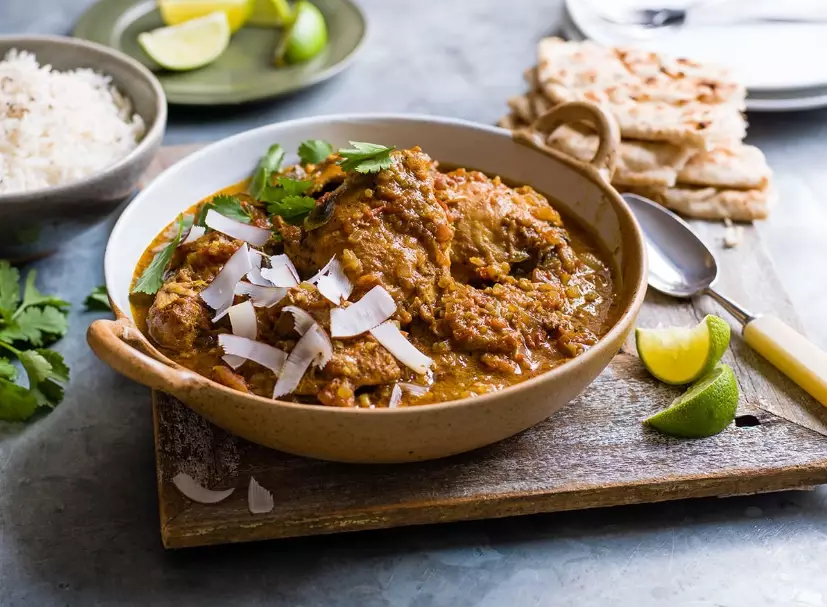
"How do I make it less spicy for my family?"
The heat in Indian food primarily comes from: 1) Green chilies (added while cooking), 2) Red chili powder, 3) Whole dried red chilies. The simple fix? Control the chili powder and the number of whole chilies. You can remove the seeds from green chilies (where most capsaicin is). The other spices—cumin, coriander, turmeric—are not hot; they're aromatic. You can make a fantastically flavorful, mild curry by just dialing back the specific heat sources. Serve a spicy pickle or fresh green chili on the side for those who want more fire.
Moving Beyond the Basics: Regional Gems You Have to Try
Once you're comfortable with the core North Indian-style dishes, the real fun begins. Exploring India's regions through food is a lifelong journey. Here are two accessible gateways.
South Indian: Think rice, coconut, lentils, and tangy flavors. A great start is Chicken Chettinad, a famous pepper-forward curry from Tamil Nadu. Or, try Vegetable Sambar, a tangy lentil and vegetable stew. For breakfast, Masala Dosa—a crispy fermented rice crepe filled with spiced potatoes—is a project, but an incredibly rewarding one. The flavors are brighter and sharper than in the north.
Goan: Influenced by its Portuguese history and coastal location. Goan Fish Curry uses coconut and kokum (a souring fruit) or tamarind for a beautifully balanced, sour-spicy flavor. It's a one-pot wonder that feels completely different from a creamy butter chicken. The official Goa Tourism website, GoaTourism.gov.in, often features local cuisine, highlighting the importance of seafood and unique ingredients like kokum in defining the region's culinary identity.
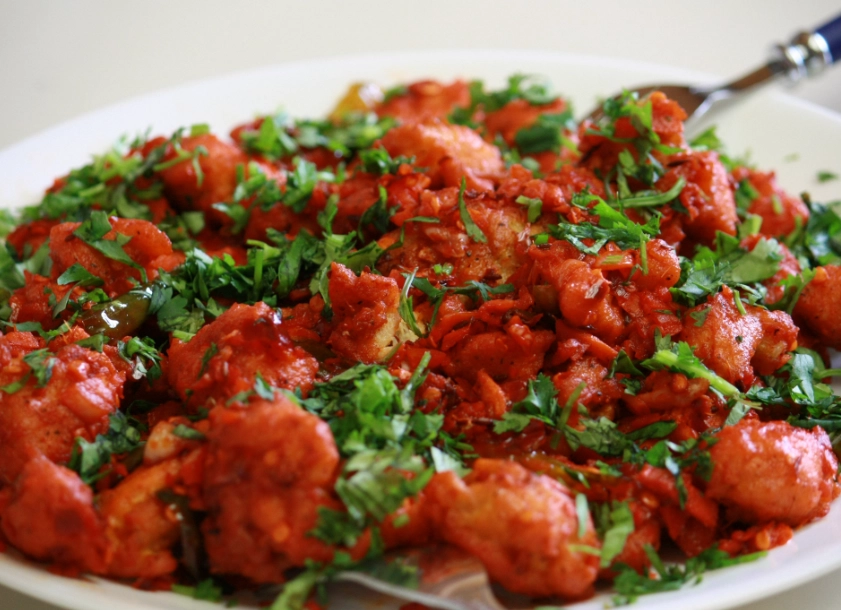
My personal favorite discovery was Rogan Josh, from Kashmir. It's a lamb curry that gets its deep red color not from tomatoes, but from Kashmiri chilies, and its unique flavor from fennel and ginger. It tastes ancient and complex. Trying these regional Indian recipes makes you realize how vast this culinary tradition really is.
Final Reality Check: It's Supposed to Be Fun
Your first few attempts might not be perfect. Your rice might stick, your chapati might resemble a continent more than a circle, and you might accidentally make a curry hot enough to strip paint. I've done all three. It's okay.
The goal isn't restaurant replication. It's about making delicious, satisfying food that brings a bit of India's incredible flavor palette into your home. Start simple, master the dal and the basic curry, nail the technique of tempering and toasting spices. The rest will follow.
Indian cooking is generous. It's forgiving. A little more cumin, a little less chili, it's still going to be good. So grab a few core spices, pick one of the starter Indian recipes from above, and just start. Don't overthink it. Just get in the kitchen and let the smell of sizzling cumin seeds be your guide.
You might just find, like I did, that it becomes your favorite way to cook.
Discussion