Quick Guide to This Recipe
- The Foundation: Your Simple Chicken Curry Blueprint
- Gathering Your Ingredients (No Wild Goose Chase Required)
- Step-by-Step: Building the Curry, Layer by Layer
- The Cooking Process, Demystified
- Leveling Up: Tweaks, Swaps, and Personal Touches
- Pro Tips & Common Pitfalls (Learn From My Mistakes)
- Making It a Meal: Serving & Storing
- Beyond the Basic: A Quick Look at Regional Styles
- Your Simple Chicken Curry Recipe Questions, Answered
- Final Thoughts: Why This Recipe Works
Let's be honest. Sometimes you just want a comforting, flavorful meal without spending hours in the kitchen or hunting down twenty different spices. That's where a truly simple chicken curry recipe comes in. It's the dinner savior you need.
I remember trying to make curry years ago. It was a disaster. The recipe called for things I'd never heard of, and I ended up with something that tasted more like mud than food. It put me off for ages. But then I figured out the secret: you don't need complexity for depth of flavor. You just need the right approach.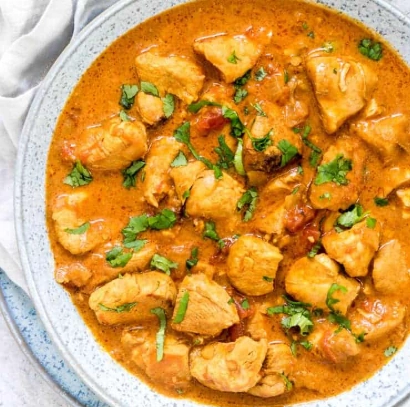
This guide is that approach. It's the simple chicken curry recipe I wish I'd had. We're going to break it down, make it foolproof, and explore how you can make it your own. Forget the intimidation. This is about getting a delicious meal on the table, fast.
What makes this simple chicken curry recipe work? It focuses on building layers of flavor with accessible ingredients. We're using common spices you likely have, or can easily find, and a cooking method that's forgiving. No fancy techniques, just good food.
The Foundation: Your Simple Chicken Curry Blueprint
Every great dish starts with the basics. Before we jump into the pot, let's talk about what you really need. The beauty of a simple chicken curry recipe is its flexibility, but having a solid starting point is key.
You'll see a lot of recipes online. Some are great, some are needlessly complicated. The core of any good curry is balance: the warmth of spices, the richness of the sauce, the tenderness of the chicken. We're aiming for that sweet spot where everything comes together without stress.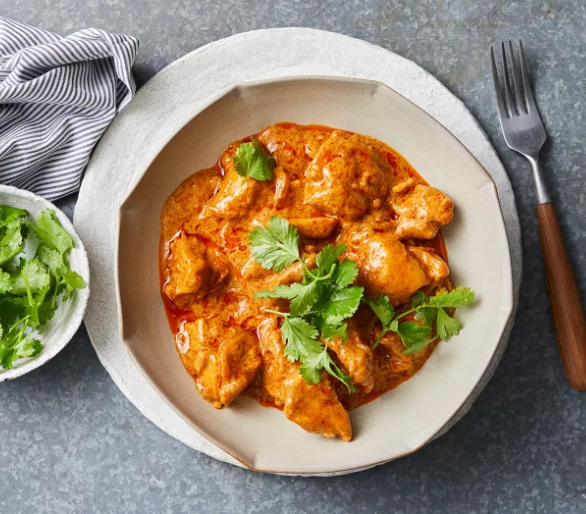
Gathering Your Ingredients (No Wild Goose Chase Required)
Here’s the thing – you don't need a specialist shop. Your regular supermarket has almost everything. For the absolute simplest version, here's your shopping list:
- Chicken: 1.5 lbs (about 700g) of boneless, skinless chicken thighs. I strongly prefer thighs for curry. They stay juicy and tender through the longer cooking time. Breasts can dry out if you're not careful, but we'll talk about substitutions later.
- Aromatics: 1 large onion, 3-4 cloves of garlic, a thumb-sized piece of ginger.
- Core Spices: 2 tablespoons of curry powder (yes, the jarred kind is fine!), 1 teaspoon of ground cumin, 1 teaspoon of ground turmeric.
- Liquid & Creaminess: 1 (14 oz) can of diced tomatoes, 1 cup (240ml) of chicken broth or water, 1/2 cup (120ml) of heavy cream or full-fat coconut milk.
- Fat for Cooking: 2 tablespoons of vegetable oil or ghee.
- Finishing Touches: Salt, a handful of fresh cilantro. Maybe a squeeze of lime if you're feeling fancy.
See? Nothing crazy. The curry powder is your best friend here. It's a pre-blended mix of spices like coriander, cumin, turmeric, and fenugreek. Brands vary, so find one you like. I've had good results with both Sharwood's and McCormick. Don't let purists tell you it's cheating. It's smart cooking.
A quick word on spice freshness: If your curry powder or ground cumin has been in the cupboard for over a year, it's probably lost its punch. Old spices are the number one reason a simple chicken curry recipe tastes bland. Give them a sniff. They should smell potent and fragrant, not like dust.
Step-by-Step: Building the Curry, Layer by Layer
Okay, ingredients are prepped. Let's cook. This isn't a dump-and-stir process. We're building flavor in stages. It sounds fancy, but it just means cooking things in the right order. It takes maybe 5 extra minutes and makes a world of difference.
The Cooking Process, Demystified
- Brown the Chicken: Pat your chicken thighs dry with a paper towel (crucial for browning, not steaming). Cut them into bite-sized chunks. Heat the oil in a large pot or deep skillet over medium-high heat. Add the chicken in a single layer, don't crowd the pan. You're not cooking it through, just getting some golden color on the outside. This adds flavor to the meat and the pot. Remove to a plate and set aside.
- Cook the Aromatics: In the same pot, lower the heat to medium. Add the chopped onion and cook until soft and translucent, about 5-7 minutes. Scrape up any tasty browned bits from the chicken. Then add the minced garlic and grated ginger. Cook for just one minute until fragrant. Burned garlic is bitter, so watch it.
- Bloom the Spices: This is the magic step. Add all your ground spices (curry powder, cumin, turmeric) to the onion mixture. Stir constantly for about 30 seconds. You'll smell an incredible aroma blooming. This toasts the spices slightly, waking up their oils and flavors. If the pot seems dry, add a tiny splash of oil.
- Create the Sauce: Pour in the can of diced tomatoes (with their juices) and the chicken broth. Stir well, scraping the bottom clean. Bring it to a gentle simmer.
- Simmer to Perfection: Add the browned chicken back into the pot, along with any accumulated juices. Stir. Reduce the heat to low, cover, and let it simmer gently for 20-25 minutes. This is where the chicken becomes fork-tender and the flavors marry.
- Finish Rich and Creamy: Stir in the heavy cream or coconut milk. Let it heat through for 2-3 minutes, but don't boil vigorously after adding cream. Taste it. This is when you season with salt. Be bold—curry needs seasoning. Finish with chopped cilantro.
And that's it. Your simple chicken curry recipe is done. Serve it over steamed rice, with naan bread, or even with a baked potato for something different.
The simmering time is your friend. Don't rush it.
Leveling Up: Tweaks, Swaps, and Personal Touches
The basic recipe is reliable. But maybe you want to tweak it. Here’s where you can make this simple chicken curry recipe truly yours.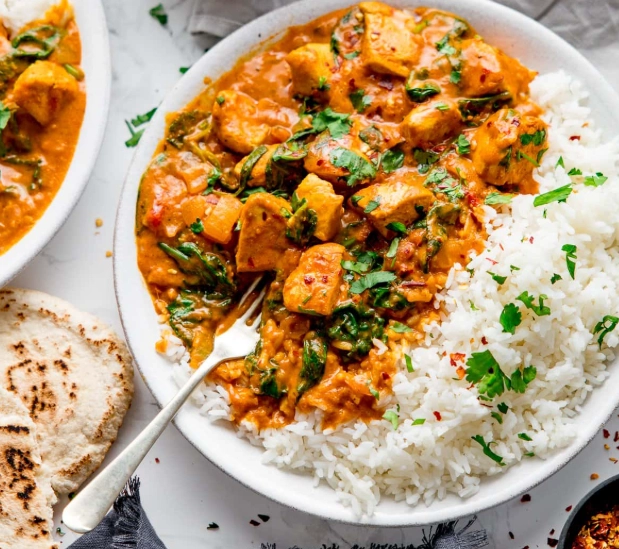
Protein Swaps (It's Not Just for Chicken)
Chicken thighs are ideal, but life happens. Here’s what works:
- Chicken Breasts: Use them if you prefer. Cut them into chunks and reduce the simmering time to 15-18 minutes. Check early to avoid dryness.
- Vegetables: For a vegetarian twist, swap the chicken for 2-3 cups of chickpeas (canned, drained) and a couple of cups of cauliflower florets. Add the cauliflower with the sauce to simmer.
- Shrimp: Cook the sauce completely, then add raw, peeled shrimp in the last 3-5 minutes of cooking, just until they turn pink and opaque.
The Spice Rack Adventure
Once you're comfortable, play with the spices. Add a teaspoon of garam masala at the end for warmth. A pinch of cayenne pepper or a diced fresh chili with the onions adds heat. A teaspoon of paprika adds color and smokiness.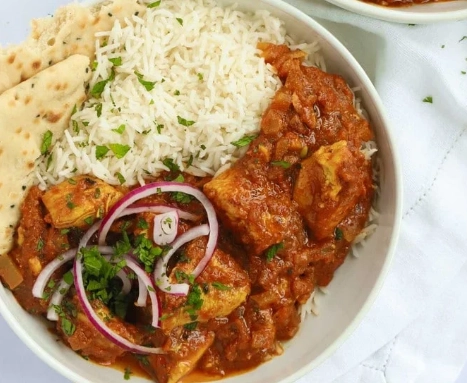
My personal favorite twist? A tablespoon of smooth peanut butter stirred in with the cream. It adds a subtle richness and depth that's hard to place but incredibly good. Don't knock it till you've tried it.
Creaminess Without Cream
Dairy-free? Use full-fat coconut milk. It's classic and delicious. For a lighter option, you can use plain Greek yogurt. Critical tip: Temper the yogurt to prevent curdling. Take a ladleful of the hot curry sauce, mix it into the yogurt in a separate bowl to warm it gradually, then stir this mixture back into the pot. Remove from heat immediately after.
Pro Tips & Common Pitfalls (Learn From My Mistakes)
I've messed up enough curries to know what not to do. Here’s the distilled wisdom.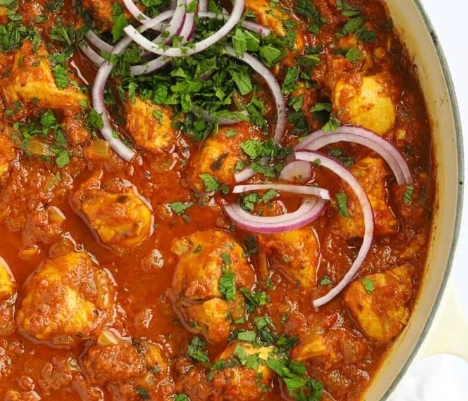
Top Tips for Success:
- Brown, don't steam: That initial browning of the chicken is non-negotiable for flavor.
- Bloom your spices: 30 seconds in the oil makes them sing.
- Simmer, don't boil: A gentle bubble is what you want for tender chicken.
- Taste and season at the end: Salt brings all the flavors forward.
- Let it rest: If you can wait 5-10 minutes off the heat before serving, the flavors settle and improve.
Now, the pitfalls. The main one? A watery curry. This usually happens if you don't simmer it long enough with the lid off at the end, or if you use watery tomatoes. Using diced tomatoes rather than crushed helps, and if your sauce is too thin, just simmer it uncovered for an extra 5-10 minutes to reduce.
Blandness is the other big complaint. The culprits are almost always under-salting or old, weak spices. Be generous with salt and check those spice jar dates.
Making It a Meal: Serving & Storing
You've made a fantastic simple chicken curry recipe. Now what?
Serving ideas are endless. Fluffy basmati rice is the classic partner. For a great guide on cooking perfect basmati, check out this resource from the Riceland Foods website, which has useful consumer tips. Warm naan or roti bread for dipping is heavenly. A simple side of cucumber slices with yogurt (raita) cools everything down.
Storage is straightforward. This curry tastes even better the next day. Let it cool completely, then store it in an airtight container in the fridge for up to 4 days. Reheat gently on the stove or in the microwave, adding a splash of water if it's thickened too much.
It freezes beautifully for up to 3 months. Freeze in portion-sized containers for easy future meals. This makes the simple chicken curry recipe a meal-prep superstar.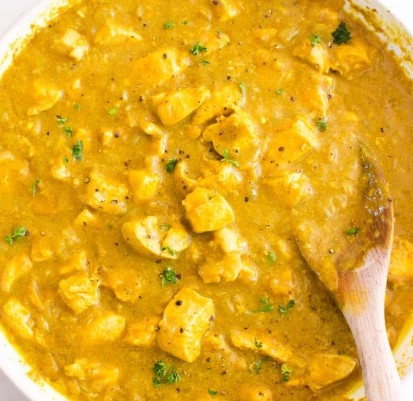
Beyond the Basic: A Quick Look at Regional Styles
"Curry" is a huge umbrella. Once you master the basic template, it's fun to see how different regions approach it. This isn't to complicate our simple chicken curry recipe, but to show you the possibilities.
| Style | Key Characteristic | Simple Twist on Our Recipe |
|---|---|---|
| British Indian Restaurant (BIR) Style | Rich, creamy, often tomato-based with a distinctive "restaurant" flavor. | Add 1 tsp of dried fenugreek leaves (kasuri methi) and 1 tbsp of tomato paste with the spices. |
| Thai Green or Red Curry | Fresh, herbal, spicy, and coconut-based. | Swap curry powder for 2-3 tbsp of store-bought Thai curry paste. Use coconut milk only for the cream. |
| Japanese Curry | Sweet, mild, thick, and stew-like, often with potatoes & carrots. | Use Japanese curry roux blocks (like S&B Golden Curry) instead of dry spices. Add diced potatoes & carrots with the chicken. |
See? One pot, endless journeys.
Your Simple Chicken Curry Recipe Questions, Answered
I get asked these all the time. Let's clear them up.
Final Thoughts: Why This Recipe Works
At the end of the day, a great simple chicken curry recipe is about confidence. It's about knowing you can open your fridge and pantry and create something satisfying and delicious without following a novel's worth of instructions.
This method gives you that. It's a template, not a prison. You understand the why behind browning, blooming, and simmering. That means you can adapt. No cream? Use yogurt. No chicken? Use chickpeas. Want more greens? Throw in some spinach.
That's real cooking. It's forgiving, flexible, and focused on flavor. So grab that pot, dust off that jar of curry powder, and give it a go. Your new favorite weeknight dinner is waiting.
And honestly, the best part? The leftovers. They might even be better than the first serving.
Discussion