You know that feeling when you order dal at a South Indian restaurant? It's creamy, complex, layered with spices, and utterly comforting. Then you try to make it at home, and it's just... fine. Maybe a bit watery, or the spices taste raw, or it lacks that deep, rounded flavor. I've been there. After years of cooking and countless conversations with home cooks from Tamil Nadu to Kerala, I've learned it's not about one secret ingredient. It's about understanding a few non-negotiable techniques. This guide isn't just a recipe; it's a breakdown of how to make three iconic South Indian dals—sambar, dal tadka, and dal fry—that will finally match your restaurant memories.
Your Roadmap to Perfect Dal
What Exactly is South Indian Dal?
Let's clear something up first. "Dal" refers to both the dried split pulses (lentils, peas, beans) and the stew made from them. In South India, dal isn't a side dish; it's often the main event, eaten with rice, dosa, or idli. The flavor profile is distinct from North Indian versions: heavier on tamarind for tang, specific regional spice blends like sambar powder, and a tempering (tadka) that often starts with mustard seeds and curry leaves. The texture can range from the thin, broth-like rasam (which is a topic for another day) to the thick, vegetable-packed sambar.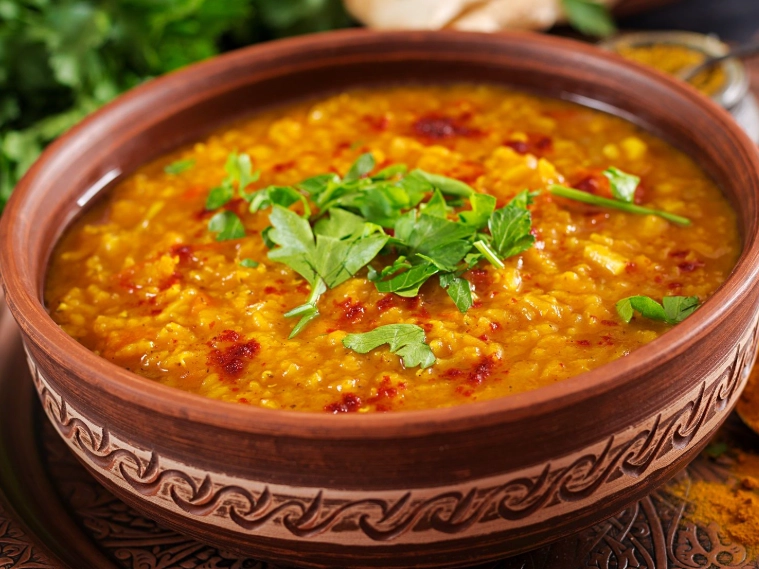
A Quick Comparison: Think of sambar as the hearty, vegetable-laden, tangy stew. Dal tadka (or paruppu) is simpler, focusing on the creamy lentils with a fragrant oil tempering poured on top. Dal fry is richer, where the cooked lentils are sautéed ("fried") with aromatics and spices, resulting in a thicker, more intense dish.
Essential Ingredients for Authentic South Indian Dal
You can't build a great house without good bricks. Same with dal.
The Dal (Lentils) Themselves
Toor dal (split pigeon peas) is the undisputed king for sambar. Its mild flavor and ability to break down into a creamy mush when cooked are irreplaceable. For dal tadka, moong dal (split yellow mung beans) or masoor dal (red lentils) are popular—they cook faster and have a lighter taste. Dal fry often uses a combination, like chana dal (split chickpeas) for texture and toor dal for creaminess.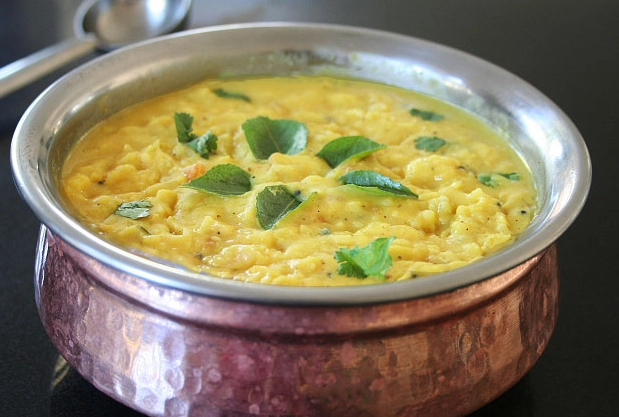
The Flavor Trinity: Tamarind, Sambar Powder & Tempering
This is where the magic happens. Tamarind pulp provides the essential sour note. Store-bought sambar powder works, but the flavor difference with a homemade blend is night and day. The tempering (tadka/thaalippu) is not a garnish; it's a flavor infusion. Mustard seeds, cumin seeds, dried red chilies, asafoetida (hing), and fresh curry leaves are the core team. Hing is crucial—it adds a savory, umami depth that's hard to describe but easy to miss.
| Dal Type | Primary Lentil | Key Spice Blend | Defining Characteristic |
|---|---|---|---|
| Sambar | Toor Dal | Sambar Powder | Tangy, vegetable-heavy, brothy |
| Dal Tadka | Moong or Masoor Dal | Turmeric, Red Chili Powder | Creamy, with a separate fragrant tempering |
| Dal Fry | Toor Dal or Mix | Garam Masala, Coriander Powder | Thick, sautéed with onions-tomatoes-ginger-garlic |
How to Make Classic Sambar: A Step-by-Step Guide
Here's my method, refined after a particularly enlightening trip to a friend's grandmother's kitchen in Coimbatore. The biggest mistake? Adding tamarind too early.
Step 1: Cook the Dal & Veggies Separately. Pressure cook 1 cup toor dal with 3 cups water, ½ tsp turmeric until completely mushy. Mash it well. In another pot, boil your vegetables (like drumsticks, pumpkin, carrots, beans) in just enough water to cover them. Use about 3 cups of mixed veggies.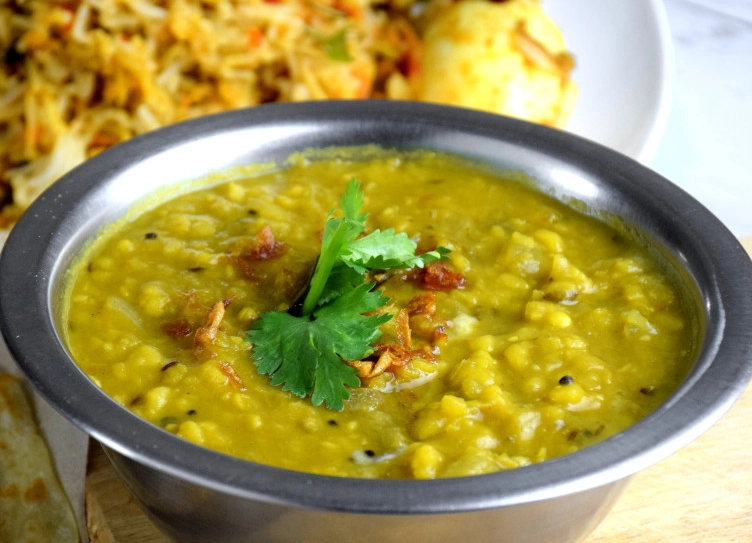
Step 2: Build the Tamarind Base. Soak a lemon-sized ball of tamarind in 1 cup hot water for 20 minutes. Squeeze and extract the pulp. In the pot with the boiled vegetables and their water, add the tamarind pulp, 2 tbsp sambar powder, 1 tsp salt, and a pinch of asafoetida. Let this simmer for 15-20 minutes. This slow cooking removes the raw taste of tamarind and spices.
Step 3: Combine & Temper. Now, add the mashed dal to the tamarind-vegetable mixture. Add water to reach your desired consistency (sambar should be neither too thick nor too watery). Bring to a gentle simmer. Heat 2 tbsp coconut or sesame oil in a small pan. Add 1 tsp mustard seeds, 1 tsp cumin seeds, 2 broken dried red chilies, a generous pinch of asafoetida, and 10-12 fresh curry leaves. Let them crackle. Pour this sizzling tempering over the simmering sambar. Cover immediately to trap the aromas. Finish with chopped coriander.
How to Master Dal Tadka (Tempered Lentils)
Dal tadka is about purity and contrast. The creamy, mild lentils against the sharp, hot tempering.
Rinse 1 cup moong dal. Pressure cook with 3 cups water, ½ tsp turmeric, and 1 tsp oil (prevents foaming) for 3-4 whistles until soft. Whisk it lightly to make it creamy. Season with salt.
Now, the tempering. This is where you can personalize. The base: heat 3 tbsp ghee or oil. Add 1 tsp mustard seeds, 1 tsp cumin seeds. Once they pop, add 4-5 finely chopped garlic cloves, 2 green chilies. Fry until garlic is golden. Add ½ tsp red chili powder, a big pinch of asafoetida, and curry leaves. Swirl for 5 seconds—don't burn the chili powder. Immediately pour this entire pan over the cooked dal. The sizzle is the sound of flavor being created.
Some add tomatoes or onions to the tempering, but the classic version is this pure, aromatic oil infusion. It's minimalist perfection.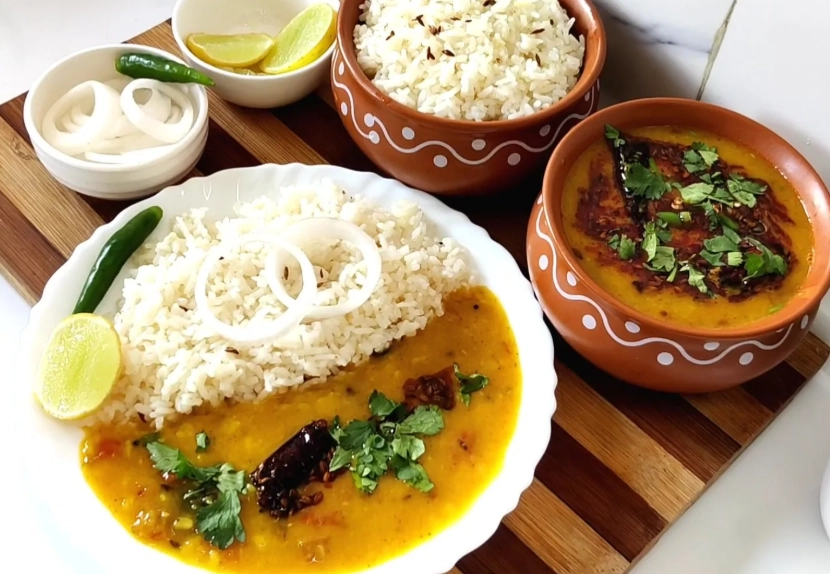
How to Make Rich & Hearty Dal Fry
Dal fry is the indulgent cousin. It's more of a restaurant-style dish, but easily made at home.
Cook 1 cup toor dal until soft. Mash partially, leaving some texture. In a heavy kadai or pan, heat 3 tbsp oil or ghee. Sauté 1 finely chopped large onion until deep golden brown. This takes time—maybe 10 minutes. Don't rush it. Add 1 tbsp minced ginger, 1 tbsp minced garlic, 2 green chilies. Fry for 2 minutes.
Add 2 chopped tomatoes, ½ tsp turmeric, 1 tsp red chili powder, 1 tsp coriander powder, and salt. Cook until the oil separates from the masala. This is the "fry" part. Now, add the cooked dal. Mix well and simmer for 10-15 minutes, allowing the dal to absorb the flavors of the masala. Finish with a tadka of cumin seeds and red chilies in ghee, a squeeze of lemon, and fresh coriander.
Common Dal Mistakes & How to Fix Them
Watery Dal: You added too much water at the cooking stage. Fix it by simmering uncovered to reduce, or mash some of the lentils to thicken naturally. For sambar, a small slurry of rice flour or roasted gram flour can help (but use sparingly).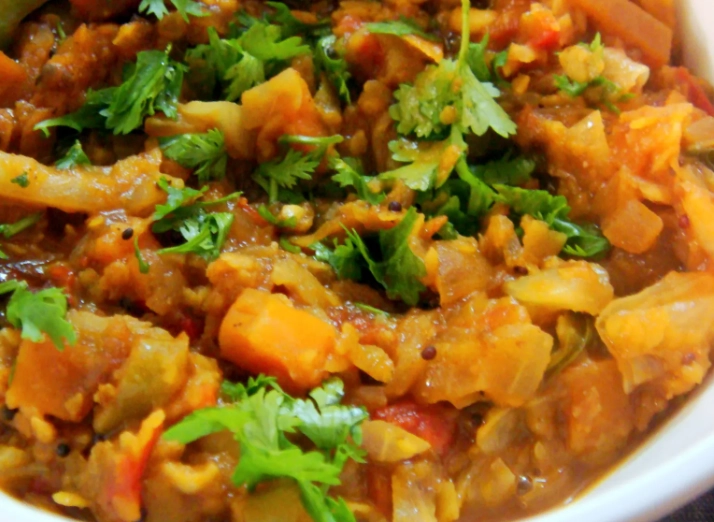
Raw Spice Taste: Your spice powder (especially sambar powder) wasn't cooked enough. Always fry the spice powder in the tamarind base (for sambar) or in the oil with onions (for dal fry) for a few minutes before adding liquid.
Dull, Flat Flavor: You skimped on the tempering or used stale curry leaves. The tempering must be done in adequate fat (ghee or oil) and poured over the hot dal. Curry leaves lose their punch fast; try to get fresh ones, or store them in the freezer.
Dal Not Creamy Enough: You didn't cook the toor dal long enough or mash it. A pressure cooker is your best friend here. Cook until it's completely soft and falls apart. A manual potato masher does the job perfectly.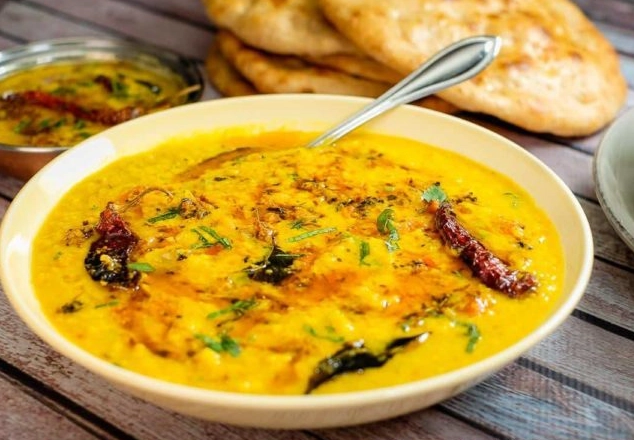
Your South Indian Dal Questions Answered
Why is my sambar not thick enough even after cooking the dal well?
Can I make dal tadka in an Instant Pot?
My dal tastes bitter. What went wrong?
Is there a substitute for asafoetida (hing)?
How long does homemade dal keep?
Discussion